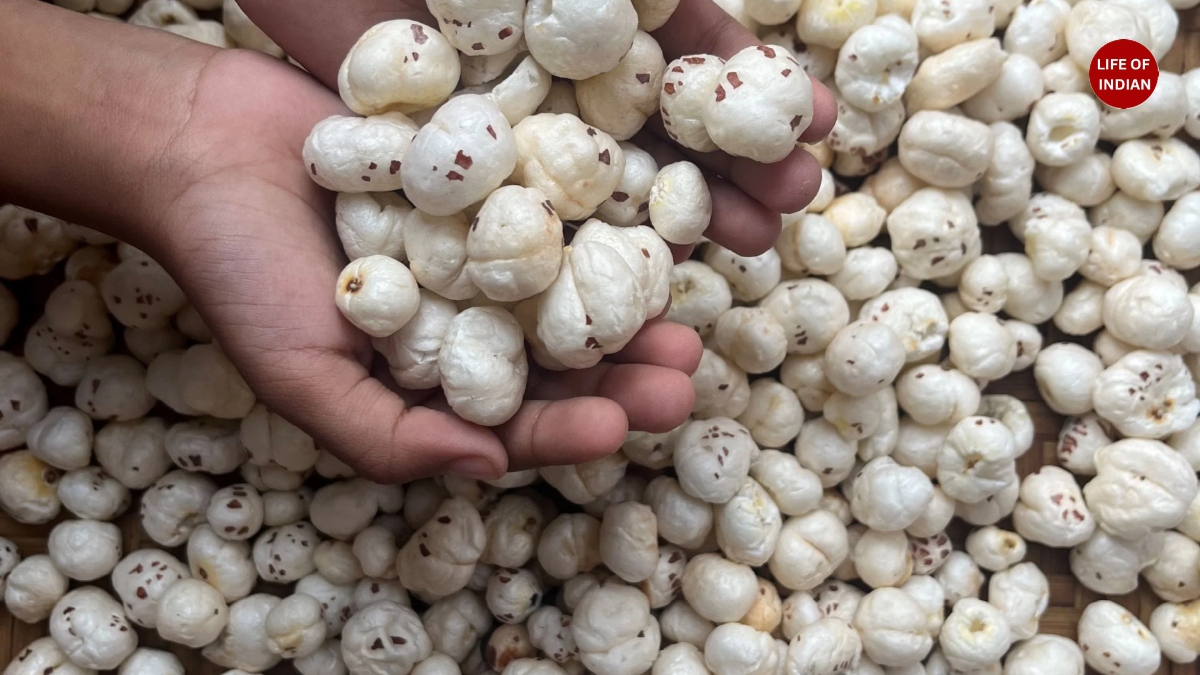
Makhana, also known as fox nuts or lotus seeds, has earned a reputation as one of the healthiest snacks in recent years. Packed with fiber, protein, antioxidants, and essential minerals, it is often promoted as a superfood that supports weight loss, heart health, and blood sugar management. From fitness enthusiasts to nutrition experts, many recommend roasted makhana as a guilt-free alternative to processed snacks.
However, as healthy as makhana may be, it is not suitable for everyone. Nutrition experts often point out that no single food benefits every individual equally. Certain medical conditions can make excessive consumption of makhana problematic, potentially worsening existing health issues.
If you regularly eat makhana as part of your daily diet, it is important to understand when this popular snack may do more harm than good. Here are five warning signs and health conditions that may indicate you should limit or avoid makhana.
1. Frequent Bloating, Gas, or Digestive Discomfort
Makhana is rich in dietary fiber, which is generally considered beneficial for digestion. Fiber helps regulate bowel movements, promotes gut health, and supports weight management by keeping you full for longer periods.
However, people who frequently experience bloating, excessive gas, stomach cramps, or digestive discomfort may need to be cautious. In individuals suffering from digestive disorders such as Irritable Bowel Syndrome (IBS) or Inflammatory Bowel Disease (IBD), high-fiber foods can sometimes trigger symptoms rather than relieve them.
Consuming large amounts of makhana may lead to increased bloating, abdominal pain, and digestive discomfort in sensitive individuals. If you notice that your symptoms worsen after eating makhana, it may be worth reducing your intake and consulting a healthcare professional.
2. High Uric Acid Levels or Gout
People diagnosed with high uric acid levels or gout should pay special attention to their diet, as certain foods can contribute to flare-ups.
Makhana contains moderate amounts of purines, natural compounds that break down into uric acid in the body. While the purine content is not extremely high compared to some animal-based foods, regular consumption in large quantities may still be a concern for individuals who already struggle with elevated uric acid levels.
Excess uric acid can accumulate in the joints, leading to painful inflammation, swelling, and gout attacks. Those with a history of gout or chronic hyperuricemia should discuss their dietary choices with a healthcare provider and consume makhana in moderation.
3. A History of Kidney Stones
If you have previously suffered from kidney stones or have been advised by your doctor that you are at risk, it may be wise to limit excessive consumption of makhana.
Some health experts note that makhana contains oxalates, compounds that can contribute to the formation of certain types of kidney stones, particularly calcium oxalate stones. Although occasional consumption is unlikely to cause problems for most people, individuals with a history of recurrent kidney stones may need to monitor their intake carefully.
Maintaining adequate hydration and following medical dietary advice remain essential for reducing the risk of stone formation.
4. Allergic Reactions After Eating Makhana
While relatively uncommon, allergic reactions to makhana can occur. If you experience symptoms such as itching, skin rashes, hives, swelling of the lips or face, throat irritation, or difficulty breathing after consuming makhana, you should stop eating it immediately and seek medical attention.
People with known allergies to seeds, nuts, or similar food groups may be at a higher risk of developing cross-reactive allergic responses. Food allergies can vary from mild skin irritation to severe reactions requiring emergency treatment. Ignoring allergy symptoms can be dangerous, so it is important to take any unusual reaction seriously.
5. You Are Taking Blood-Thinning Medications
Another group that should exercise caution includes individuals taking blood-thinning medications. Makhana contains vitamin K, a nutrient involved in the body’s blood-clotting process. While vitamin K is essential for overall health, sudden increases or fluctuations in vitamin K intake may interfere with the effectiveness of certain anticoagulant medications.
For people taking prescription blood thinners, dietary consistency is often important. Consuming large amounts of vitamin K-rich foods without medical guidance could potentially affect treatment outcomes. If you are on blood-thinning medication, consult your doctor before making makhana a regular part of your diet.
Does This Mean Makhana Is Unhealthy?
Absolutely not. Makhana remains one of the healthiest snack options available when consumed in moderation. Numerous studies and nutrition experts highlight its benefits for weight management, heart health, blood sugar control, and overall wellness.
The key point is that individual health conditions matter. What works as a superfood for one person may not be ideal for another. Understanding your body’s needs and consulting a healthcare professional when necessary can help you make better dietary choices.
For most healthy individuals, roasted makhana can be a nutritious addition to a balanced diet. But if you experience digestive issues, high uric acid levels, kidney stone concerns, allergies, or take blood-thinning medications, it is wise to consume it carefully and seek professional advice when needed.
Makhana has rightfully earned its place among today’s most popular healthy snacks, thanks to its impressive nutritional profile and versatility. However, even healthy foods are not universally suitable. Persistent bloating, gout, kidney stone risk, allergic reactions, and the use of blood-thinning medications are five important situations where extra caution may be necessary.
Before making any food a daily habit, it is always best to consider your personal health condition. A balanced approach to nutrition is far more beneficial than blindly following food trends, no matter how healthy they may seem.