


Kushinagar: In the spiritual geography of Buddhism, few places hold as much emotional and philosophical significance as Kushinagar. Located in the modern Indian state of Uttar Pradesh, this sacred town marks the place where Gautama Buddha attained Mahaparinirvana—the final liberation from the cycle of birth, death, and rebirth.
Unlike Bodh Gaya, which symbolizes enlightenment, or Sarnath, which represents the beginning of teaching, Kushinagar reflects the completion of Buddha’s earthly journey. It is here that the mortal existence of the Buddha came to an end, but his teachings became eternal.
Buddha Purnima: Why This Day Still Matters in Today’s World
The Meaning of Nirvana in Buddhism

In Buddhism, Nirvana is not merely death; it is the ultimate state of freedom. It signifies the complete cessation of suffering, desire, and attachment. When Buddha attained Nirvana during his lifetime, it was called enlightenment. However, his passing in Kushinagar is referred to as Mahaparinirvana, meaning the final Nirvana after death.
This concept holds deep philosophical meaning. It suggests that liberation is not found in the physical world but in transcending it. Kushinagar, therefore, is not just a place of death—it is a symbol of ultimate peace.
Buddha’s Final Days: The Journey to Kushinagar
According to ancient Buddhist texts, in his final days, Buddha traveled across northern India, continuing to teach his followers. At the age of 80, he reached Kushinagar, then known as Kusinara.
It is believed that Buddha lay down between two sal trees, facing west, and delivered his last teachings to his disciples. His final words emphasized the impermanence of all things and encouraged his followers to strive diligently for their own liberation.
Soon after, he entered a meditative state and passed into Mahaparinirvana. This moment is considered one of the most profound events in religious history.
Buddha Purnima: Why Buddha Purnima Is More Than Just a Festival
The Mahaparinirvana Temple: A Sacred Landmark
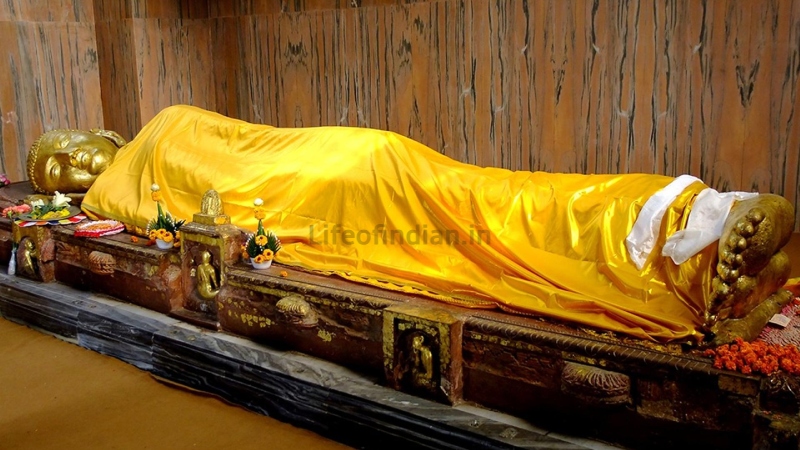
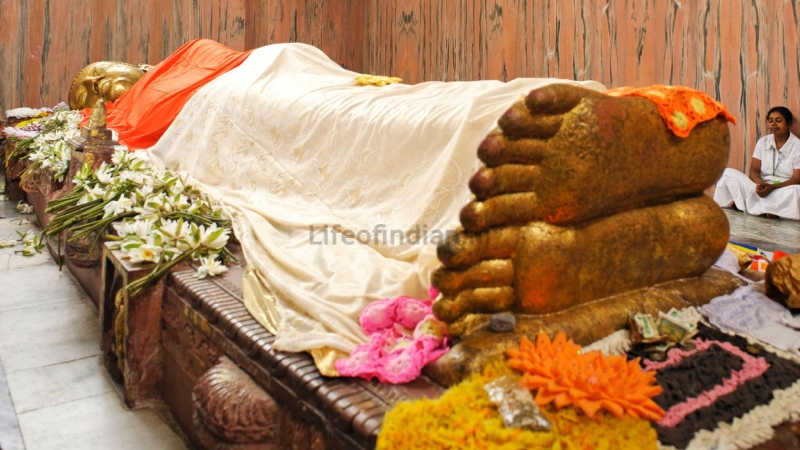
The most important site in Kushinagar is the Mahaparinirvana Temple, which houses a magnificent reclining statue of Buddha. This statue depicts Buddha in his final moments, lying on his right side in a serene posture.
The statue, made of sandstone and covered with gold leaf, reflects peace and transcendence. Pilgrims from across the world visit this temple to pay their respects and meditate in its calm surroundings.
The temple stands as a powerful reminder of the impermanence of life and the possibility of liberation.
Ramabhar Stupa: The Cremation Site of Buddha
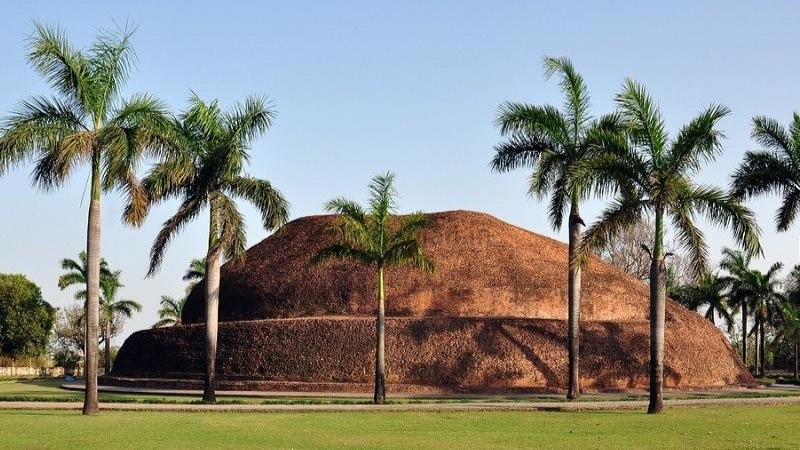
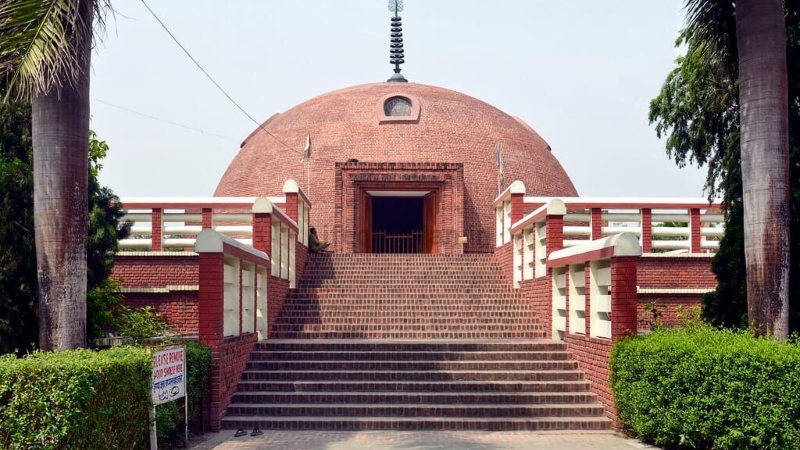
Another significant monument in Kushinagar is the Ramabhar Stupa, believed to be the cremation site of Buddha. Located a short distance from the Mahaparinirvana Temple, this large mound marks the place where Buddha’s mortal remains were cremated.
Historically, this site attracted pilgrims who wished to honor the final rites of the Buddha. Even today, it remains an important part of the Buddhist pilgrimage circuit.
Kushinagar in Ancient and Medieval History
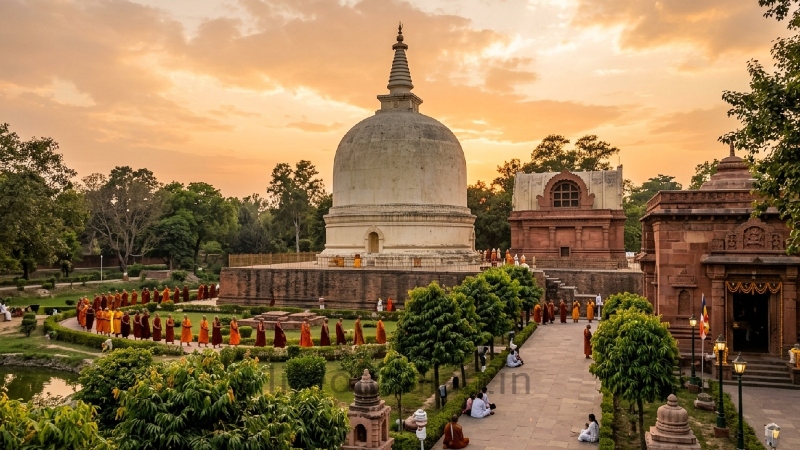
After Buddha’s passing, Kushinagar became a major center for Buddhist worship. Several stupas and monasteries were constructed by followers and rulers who sought to preserve the memory of Buddha’s final moments.
However, like many ancient sites in India, Kushinagar faced decline during medieval invasions. Over time, it was abandoned and forgotten, its monuments buried under layers of earth.
The rediscovery of Kushinagar began in the 19th century, when archaeologists identified the site based on ancient travel accounts of Chinese pilgrims like Xuanzang. Excavations revealed temples, stupas, and inscriptions, restoring Kushinagar to its rightful place in history.
Lumbini: Why Lumbini Is One of the Most Peaceful Places in the World
Kushinagar Today: A Global Pilgrimage Destination
Today, Kushinagar is one of the four major pilgrimage sites in Buddhism, along with Bodh Gaya, Sarnath, and Lumbini. Devotees from countries such as Thailand, Sri Lanka, Japan, and Myanmar visit this sacred town every year.
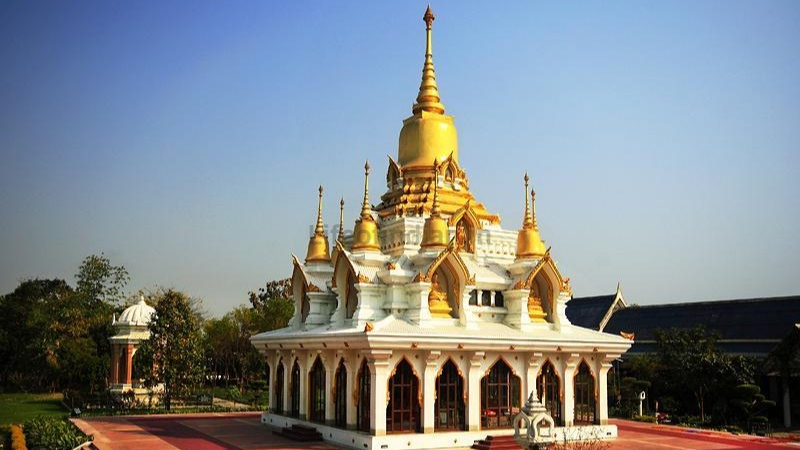
The area now features international monasteries, meditation centers, and beautifully maintained gardens. The peaceful atmosphere makes it an ideal place for reflection and spiritual growth.
The Indian government has also developed Kushinagar as part of the Buddhist tourism circuit, improving infrastructure and accessibility for global visitors.
Sarnath: The Place Where Buddha Changed the World
The Eternal Peace of Kushinagar
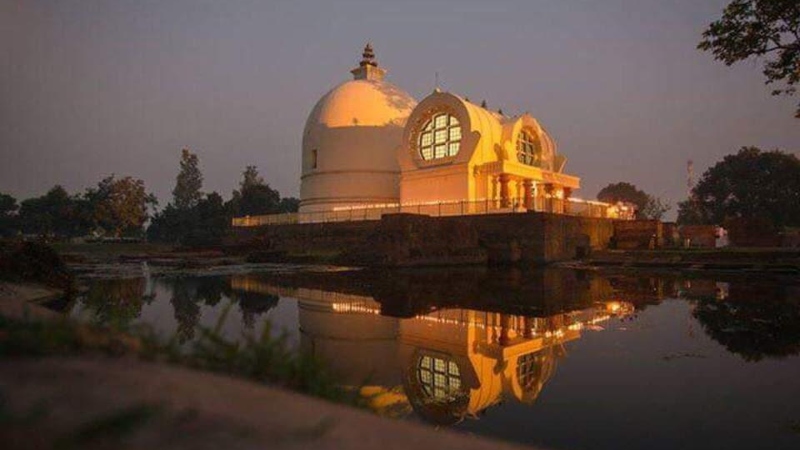
Kushinagar is not merely a historical site—it is a profound symbol of the ultimate truth taught by Gautama Buddha. It reminds us that life is transient, and true peace lies beyond worldly attachments.
The story of Buddha’s Mahaparinirvana continues to inspire millions, offering a message of hope, acceptance, and liberation. In the quiet surroundings of Kushinagar, one can still feel the echo of that final teaching—a call to seek truth within and embrace the impermanence of life.
Bodh Gaya: The Place Where Buddha Found Enlightenment
FAQ
Q1. Why is Kushinagar important in Buddhism?
Kushinagar is the place where Gautama Buddha attained Mahaparinirvana, marking the end of his earthly life and the final liberation from the cycle of rebirth.
Q2. What is Mahaparinirvana?
Mahaparinirvana refers to the final Nirvana achieved after death, when a being is completely freed from the cycle of birth and rebirth.
Q3. Where is Kushinagar located?
Kushinagar is located in the state of Uttar Pradesh in India.
Q4. What are the main attractions in Kushinagar?
Major attractions include the Mahaparinirvana Temple, Ramabhar Stupa, and several international Buddhist monasteries.
Q5. Which historical traveler helped identify Kushinagar?
The Chinese Buddhist monk Xuanzang documented Kushinagar in his travel accounts, which later helped archaeologists rediscover the site.