


There are places you visit—and then there are places that change you. Bodh Gaya belongs to the second kind. It is not just a destination on a map; it is a space where silence feels deeper, where time seems to slow down, and where the story of human awakening still echoes in the air.
For millions across the world, Bodh Gaya is not just sacred—it is transformative. Because this is where a young prince, searching for truth, became the Buddha.
Where the Journey of Enlightenment Reached Its Peak
Located in the state of Bihar, Bodh Gaya is one of the most important spiritual sites in the world. It is here that Gautama Buddha attained enlightenment under the Bodhi Tree, after years of intense meditation and self-discovery. More than 2,500 years ago, Siddhartha Gautama arrived here as a seeker. He had left behind his royal life, his comforts, and his identity, driven by one question—why does suffering exist?
After years of searching, it was in Bodh Gaya that he finally found the answer.
Buddha Purnima: Why This Day Still Matters in Today’s World
The Bodhi Tree: A Silent Witness to Awakening
At the heart of Bodh Gaya stands the sacred Bodhi Tree, under which Buddha meditated. It is believed that Buddha sat here in deep meditation for several days and nights, determined not to rise until he understood the truth of life. His journey was not easy—it involved facing inner struggles, distractions, and doubts.
But in that stillness, something shifted. He attained enlightenment—the realization of truth, the understanding of suffering, and the path to liberation. The Bodhi Tree that exists today is believed to be a direct descendant of the original tree. Even now, devotees from around the world sit beneath its shade, hoping to experience a glimpse of the peace Buddha found.
Mahabodhi Temple: A Symbol of Spiritual Heritage

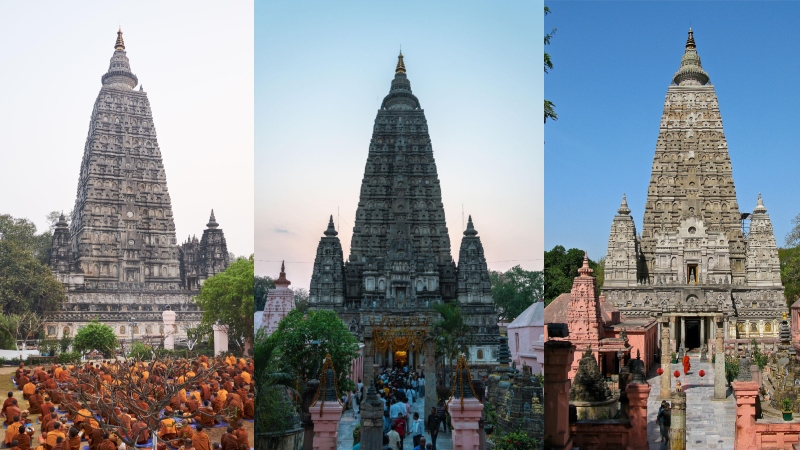
The Mahabodhi Temple, located next to the Bodhi Tree, is one of the most iconic structures in Buddhist history. Recognized as a UNESCO World Heritage Site, this temple stands as a symbol of enlightenment and devotion. Its architecture reflects ancient Indian craftsmanship, with intricate carvings and a towering structure that draws attention without overwhelming the calmness of the place.
Inside the temple, a serene statue of Buddha sits in meditation posture, reminding visitors of the moment that changed history. The temple is not just a place of worship—it is a space where silence becomes meaningful.
The Journey of Buddha: From Prince to Enlightened One
Before Bodh Gaya, Siddhartha Gautama lived a life of luxury as a prince. Protected from suffering, he had everything one could desire. But when he stepped outside the palace, he encountered the realities of life—old age, sickness, and death. These experiences disturbed him deeply and led him to renounce his worldly life.
He spent years practicing extreme austerity, but eventually realized that neither luxury nor extreme deprivation leads to truth. It was in Bodh Gaya that he discovered the Middle Path—a balanced approach to life. This realization became the foundation of his teachings.
Kushinagar: The Place Where Buddha Found Eternal Peace
Why Bodh Gaya Is Sacred for the World
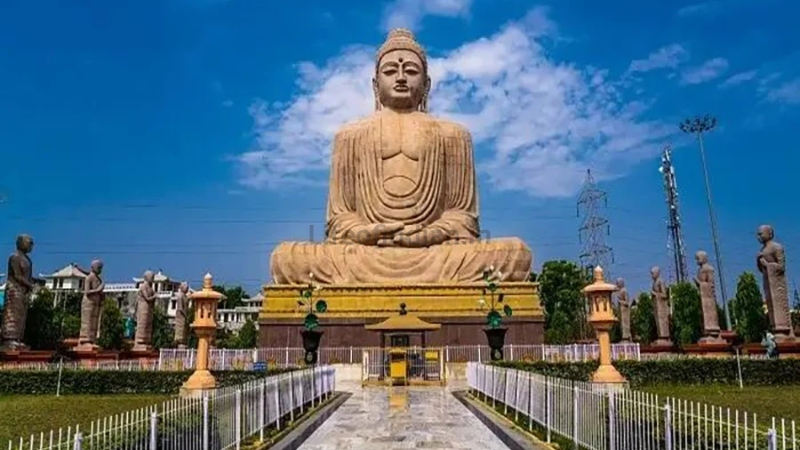
Bodh Gaya is not just important for India—it is a global spiritual center. People from countries like Sri Lanka, Thailand, Japan, Tibet, and Myanmar visit Bodh Gaya to connect with the roots of Buddhism. Many countries have built monasteries here, each reflecting their own cultural interpretation of Buddhist architecture.
Despite the diversity, there is a shared feeling among visitors—a sense of calm, respect, and connection. It is one of the few places in the world where people from different backgrounds come together, united by a common search for peace.
The Experience: What You Feel in Bodh Gaya
There is something unique about Bodh Gaya that cannot be explained—it can only be felt. The moment you enter the temple complex, the noise of the outside world fades. You see monks in deep meditation, devotees walking slowly, and people sitting quietly, doing nothing—and yet feeling everything. There is no pressure to perform rituals. No expectation to follow a specific path. Just presence. And in that presence, you begin to understand why this place matters.
Bodh Gaya Today: Tradition Meets Modern World
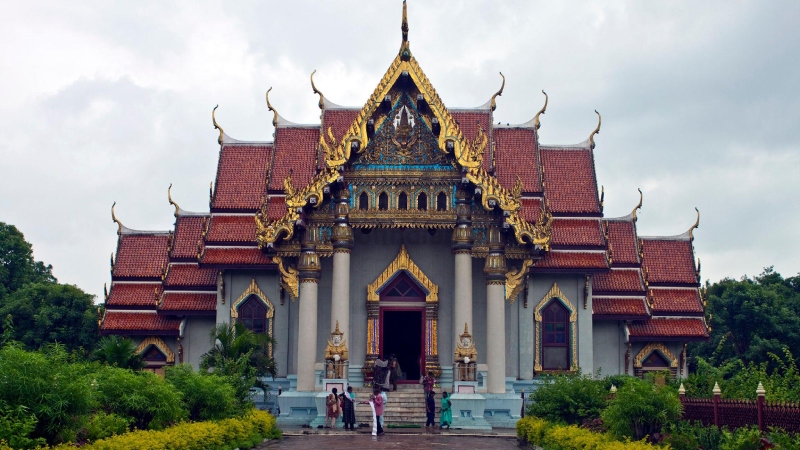
Today, Bodh Gaya is well connected and visited by thousands of pilgrims and travelers every year. While it has modern facilities, the essence of the place remains untouched. Festivals like Buddha Purnima bring special energy to Bodh Gaya, with prayers, teachings, and gatherings that attract global attention. Yet, even on the busiest days, the core experience remains the same—quiet, reflective, and deeply personal.
Buddha Purnima: Why Buddha Purnima Is More Than Just a Festival
Why Bodh Gaya Still Matters
In a world where people are constantly searching for answers outside, Bodh Gaya reminds us to look within.
It tells us that:
- Peace is not found in possessions
- Truth is not given—it is discovered
- Transformation begins from within
This is what makes Bodh Gaya timeless. It is not just a historical site—it is a reminder of what a human being can achieve through awareness, patience, and understanding.
Sarnath: The Place Where Buddha Changed the World
A Place That Changes How You See Life
Bodh Gaya is not about religion—it is about realization. It is about a man who chose to question life instead of accepting it blindly. And in doing so, he discovered a path that continues to guide millions even today. Standing under the Bodhi Tree, you don’t just feel connected to history—you feel connected to something deeper. Because Bodh Gaya is not just where Buddha got enlightenment…
it is where humanity found a path to understanding itself.
FAQ
Q1. Why is Bodh Gaya so important?
Bodh Gaya is the place where Gautama Buddha attained enlightenment under the Bodhi Tree, making it one of the holiest sites in Buddhism.
Q2. Where is Bodh Gaya located?
Bodh Gaya is located in the Gaya district of Bihar, India, and is a major spiritual and tourist destination.
Q3. What is the Mahabodhi Temple?
The Mahabodhi Temple is a UNESCO World Heritage Site built near the Bodhi Tree, marking the exact spot where Buddha attained enlightenment.
Q4. Can tourists visit Bodh Gaya?
Yes, Bodh Gaya is open to both pilgrims and tourists from around the world, offering a peaceful and spiritual experience.
Q5. What is special about the Bodhi Tree?
The Bodhi Tree is believed to be the place where Buddha meditated and achieved enlightenment, making it one of the most sacred symbols in Buddhism.