


Navratri is one of the most sacred festivals in Hinduism, but did you know it is considered incomplete without Ghatasthapana?
Navratri is one of the most sacred and widely celebrated festivals in Hindu tradition, dedicated to the worship of Goddess Durga and the divine feminine energy (Shakti). The festival spans nine days, each devoted to different forms of the Goddess, symbolizing power, purity, and victory over evil.
The very beginning of Navratri is marked by an important ritual known as Ghatasthapana (Kalash Sthapana). This ritual is not just a customary practice but holds deep spiritual, symbolic, and even scientific significance. It represents the invocation of divine energy and sets the tone for the entire nine-day spiritual journey.
Why Navratri Comes Twice a Year: The Spiritual and Scientific Reasons Behind the Festival
What is Ghatasthapana?

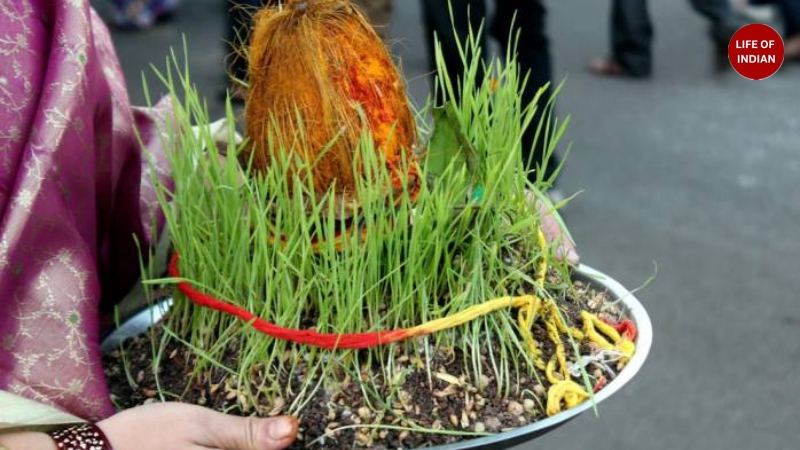
Ghatasthapana literally means “installation of a sacred pot (Kalash)”.
In this ritual, a holy pot filled with water is स्थापित (installed) at the पूजा place, topped with mango leaves and a coconut. This Kalash is worshipped throughout the nine days of Navratri.
It is believed that Goddess Durga resides in this Kalash during Navratri, making it a powerful symbol of divine presence in the home.
Why is Ghatasthapana Performed During Navratri?
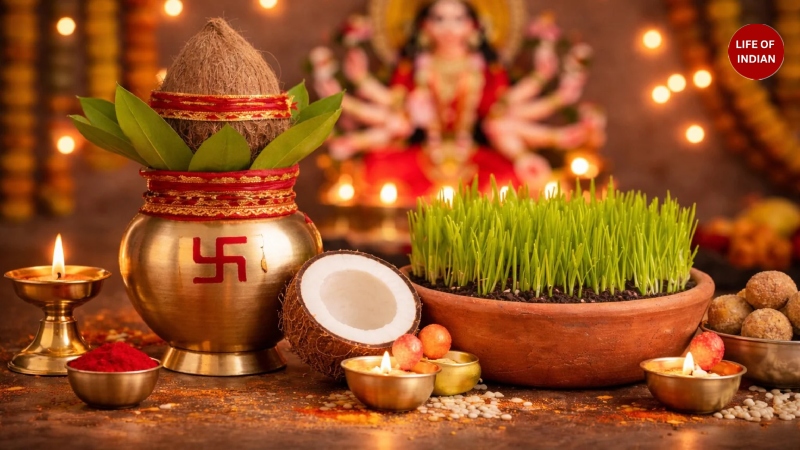
(1) Invocation of Goddess Durga
The primary purpose of Ghatasthapana is to invite Goddess Durga into the home. It marks the formal beginning of the festival and symbolizes welcoming divine energy into one’s life.
(2) Symbol of Creation and Life
The Kalash is considered a representation of the universe and life itself:
- Water inside the pot symbolizes the source of life
- The coconut represents divine consciousness and energy
- Mango leaves signify growth, fertility, and nature
Together, they represent the complete cycle of creation and existence.
(3) Channel of Positive Energy
It is believed that performing Ghatasthapana brings positive vibrations and spiritual energy into the home while removing negativity.
(4) Beginning of Spiritual Discipline
Navratri is a time for fasting, prayer, and self-discipline. Ghatasthapana marks the beginning of this spiritual journey and encourages inner purification and devotion.
Mythological Significance
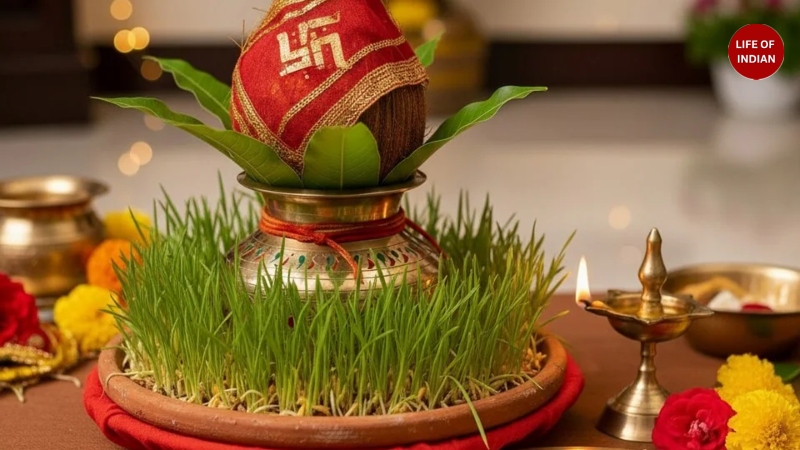
Ghatasthapana is deeply connected with the worship of Goddess Durga and her nine forms (Navdurga).
According to Hindu mythology, when the gods were troubled by the demon Mahishasura, they invoked divine feminine energy. Goddess Durga appeared and defeated the demon, restoring balance and righteousness.
One Festival, Many Names: How India Celebrates Hindu New Year Differently
Thus, during Navratri, devotees perform Ghatasthapana to invite the Goddess, seeking her blessings for protection, strength, and prosperity.
Ritual Procedure (Step-by-Step Method)
(1) Choosing the Auspicious Time
Ghatasthapana is performed on the first day (Pratipada) of Navratri during an auspicious muhurat.
(2) Preparing the Sacred Space
- Clean the पूजा area thoroughly
- Place a wooden platform (chowki) and spread a red cloth
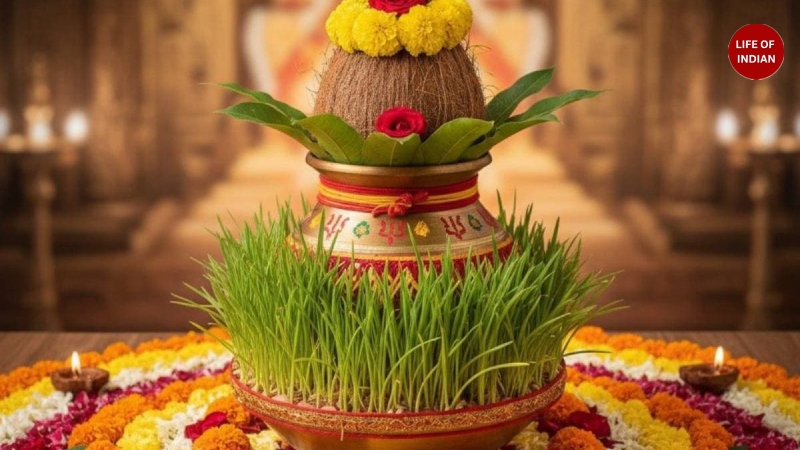
(3) Sowing Barley Seeds (Jau)
Barley seeds are sown in a मिट्टी-filled container. Their growth during Navratri symbolizes prosperity and good fortune.
(4) Kalash Installation
- Fill the Kalash with clean or holy water
- Add betel nut, coins, and rice
- Place mango leaves on top
- Cover with a coconut wrapped in red cloth
(5) Invocation and Worship
The Goddess is invoked with prayers and mantras, requesting her to reside in the Kalash and bless the household.
Materials Required
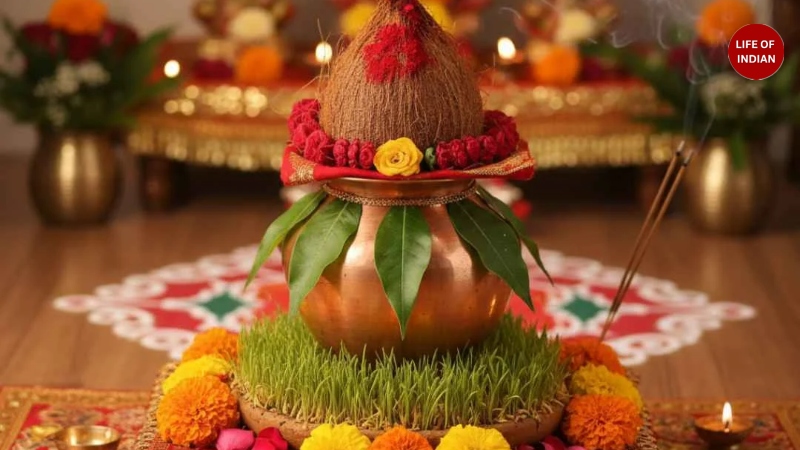
- Kalash (earthen or copper pot)
- Coconut
- Mango leaves
- Barley seeds (Jau)
- Soil
- Red cloth
- Rice, kumkum, flowers
- Holy water (Gangajal)
Spiritual and Scientific Significance
(1) Center of Energy
The Kalash is believed to act as a source of spiritual energy, combining elements like water, metal, and natural materials to create positive vibrations.
(2) Connection with Nature
The use of soil, seeds, and leaves represents harmony with nature and reminds us of the natural cycle of life.
(3) Mental and Emotional Purification
Daily prayers, fasting, and discipline during Navratri help calm the mind and promote inner peace.
Important Things to Keep in Mind
- Perform the ritual at the correct auspicious time
- Keep the puja place clean and sacred
- Do not disturb or move the Kalash once installed
- Light a lamp (diya) daily for nine days
Ghatasthapana in Modern Times
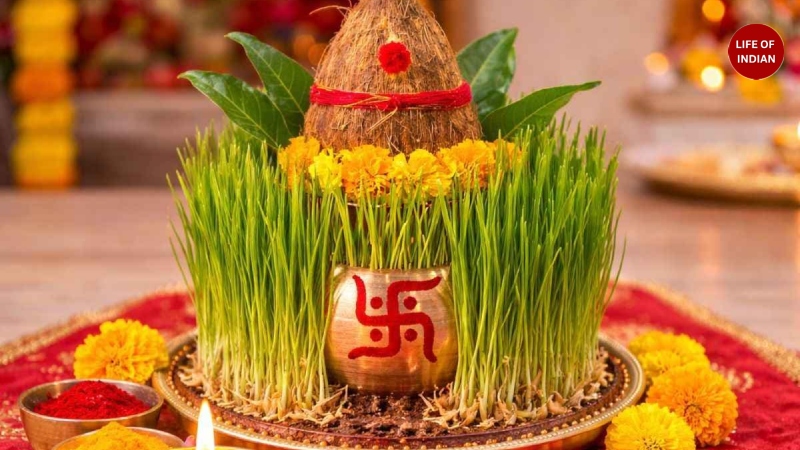
Even in today’s fast-paced lifestyle, people continue to follow this tradition with devotion.
- Small puja setups are created even in limited spaces
- Many people follow rituals with the help of online guidance
- Younger generations are actively reconnecting with traditions
This shows how ancient practices continue to remain relevant in modern life.
Ghatasthapana is not just a ritual—it is a profound spiritual practice that symbolizes the beginning of a journey toward purity, strength, and positivity.
It teaches us the importance of discipline, faith, and welcoming divine energy into our lives.
As Navratri begins, Ghatasthapana reminds us to cleanse our thoughts, set new intentions, and move forward with devotion and confidence.
Through this sacred ritual, we not only invite Goddess Durga into our homes but also awaken a deeper sense of strength and positivity within ourselves.