


Why Navratri Comes Twice a Year: India is a land of festivals, and among the most spiritually significant celebrations is Navratri, a nine-day festival dedicated to the worship of the divine feminine power.
Every year millions of devotees across the country fast, pray, and celebrate with devotion during these sacred days. However, many people often wonder: Why is Navratri celebrated twice a year?
The answer lies in a combination of religious traditions, seasonal changes, and ancient scientific wisdom. The two most important Navratris observed in India are Chaitra Navratri and Sharad Navratri. Both festivals are dedicated to the worship of Durga and her nine divine forms, yet they differ in timing, cultural significance, and the way they are celebrated.
Understanding the meaning behind these two Navratris reveals how Indian traditions beautifully connect spirituality, nature, and human health.
What Is Navratri?

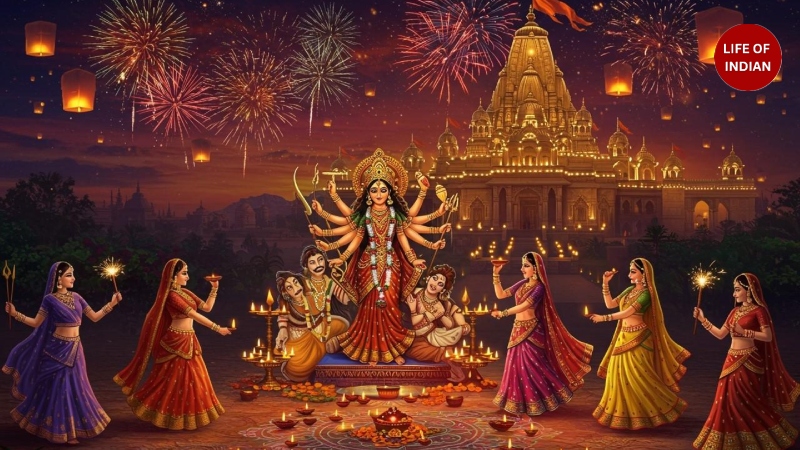
The word “Navratri” comes from two Sanskrit words:
- Nav—meaning nine
- Ratri– meaning nights
Therefore, Navratri literally means “nine nights.”
During these nine days, devotees worship the nine forms of Durga, collectively known as Navdurga. Each day represents a different manifestation of divine power that symbolizes strength, wisdom, protection, and compassion.
Navratri is not just a religious festival; it is also a time for spiritual discipline, self-purification, and renewal of energy.
Why Is Navratri Celebrated Twice a Year?
Although there are four Navratris mentioned in the Hindu calendar, two of them are widely celebrated across India.
These are:
- Chaitra Navratri
- Sharad Navratri
Both occur during important seasonal transitions, which is one of the main reasons they hold special significance.
Ancient Indian traditions were closely connected with nature, and festivals were often aligned with changes in climate and human biological cycles.
Religious Significance of Navratri
One of the most popular legends associated with Navratri is the battle between Durga and the demon Mahishasura.
According to mythology, Mahishasura had become extremely powerful and started terrorizing the universe. The gods created Goddess Durga to defeat him. After a fierce battle that lasted nine days and nights, the goddess finally defeated the demon.
This victory symbolizes the triumph of good over evil and the power of righteousness.
Scientific Reason Behind Navratri
Apart from religious beliefs, Navratri also has a scientific and health-related explanation.
Both Navratris occur during seasonal transitions, when the human body becomes more vulnerable to infections and digestion often weakens.
These seasonal changes include:
- Winter to Summer transition (Chaitra Navratri)
- Monsoon to Winter transition (Sharad Navratri)
During these periods, fasting and consuming light foods such as fruits, milk, and simple grains help the body detoxify and adapt to changing temperatures.
Many experts believe that ancient traditions introduced fasting during Navratri as a way to improve digestion and boost immunity.
Chaitra Navratri: Meaning and Significance
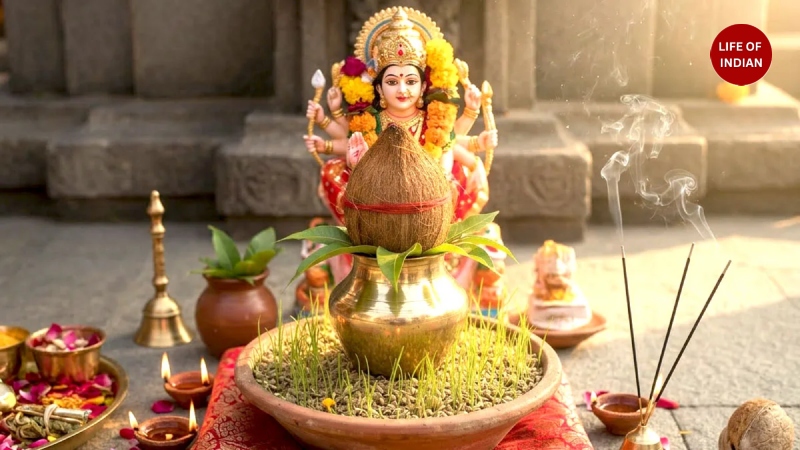
Chaitra Navratri is celebrated during the Hindu month of Chaitra, which usually falls in March or April.
This Navratri marks the beginning of the Hindu New Year in many parts of India.
The festival concludes with Ram Navami, which celebrates the birth of Rama.
Chaitra Navratri is generally observed with:
- Fasting and prayer
- Temple visits
- Recitation of religious texts
- Worship of the nine forms of Goddess Durga
Compared to the autumn Navratri, this celebration is usually simpler and more spiritual in nature.
Sharad Navratri: Meaning and Significance
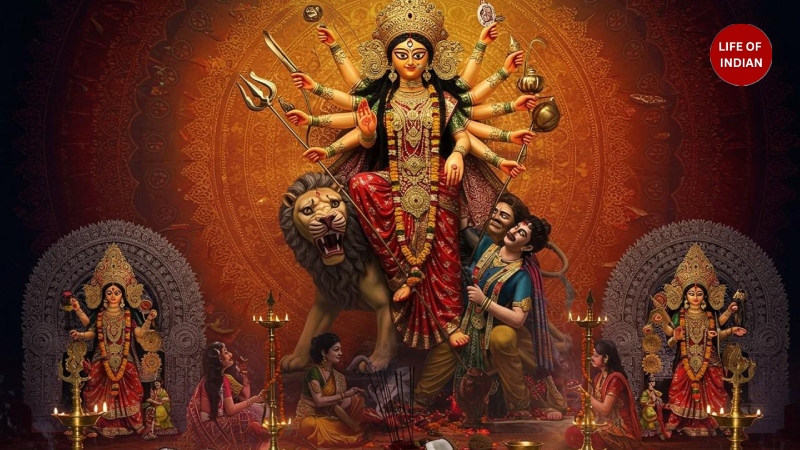
Sharad Navratri takes place during September or October, in the Hindu month of Ashwin.
This is the most widely celebrated Navratri across India.
It ends with Vijayadashami, also known as Dussehra, which symbolizes the victory of good over evil.
Sharad Navratri is famous for its grand cultural celebrations, including:
- Garba and Dandiya dances in Gujarat
- Durga Puja celebrations in West Bengal
- Ramleela performances in North India
- Temple rituals and community events across the country
Difference Between Chaitra Navratri and Sharad Navratri
| Feature | Chaitra Navratri | Sharad Navratri |
|---|---|---|
| Time | March–April | September–October |
| Season | Spring | Autumn |
| Ending Festival | Ram Navami | Vijayadashami |
| Religious Link | Birth of Lord Rama | Victory of Durga over Mahishasura |
| Scale of Celebration | Simpler and spiritual | Grand celebrations across India |
Spiritual and Cultural Importance
Navratri is not only a religious observance but also a time for spiritual growth and cultural celebration.
During these nine days, devotees often practice:
- Fasting and disciplined eating
- Meditation and prayer
- Charity and helping others
- Cultural dances and community gatherings
These practices help people connect with both inner spirituality and social harmony.
Navratri Mata Rani Aarti & Mantra Lyrics in Hindi
Navratri is celebrated twice a year because it marks important seasonal transitions and spiritual milestones in the Hindu calendar. The two major festivals—Chaitra Navratri and Sharad Navratri—reflect the deep connection between religion, nature, and human well-being.
While Chaitra Navratri symbolizes new beginnings and the birth of Lord Rama, Sharad Navratri celebrates the victory of Goddess Durga over evil forces.
Together, these festivals remind people of the importance of faith, discipline, and harmony with nature, making Navratri one of the most meaningful traditions in Indian culture.
FAQ
1. Why is Navratri celebrated twice a year?
Navratri is celebrated twice a year because it coincides with important seasonal transitions in the Hindu calendar. The two major festivals—Chaitra Navratri and Sharad Navratri—occur during climate changes when spiritual practices like fasting and prayer help maintain physical and mental balance.
2. What is the difference between Chaitra Navratri and Sharad Navratri?
Chaitra Navratri occurs in March–April and ends with Ram Navami, celebrating the birth of Rama. Sharad Navratri takes place in September–October and ends with Vijayadashami, marking the victory of Durga over Mahishasura.
3. How many Navratris are celebrated in a year?
According to the Hindu calendar, there are four Navratris in a year—Chaitra, Ashadha, Sharad, and Magha. However, the most widely celebrated ones are Chaitra Navratri and Sharad Navratri.
4. What is the scientific reason behind Navratri fasting?
Navratri occurs during seasonal changes when the body’s immunity may weaken. Fasting and eating light foods help detoxify the body, improve digestion, and help the body adapt to changing weather conditions.
5. Which Navratri is celebrated more widely in India?
Among all Navratris, Sharad Navratri is celebrated on the largest scale across India, with grand events like Garba, Durga Puja, and Dussehra celebrations.