


India is often called the land of festivals—and rightly so. Every celebration here carries deep cultural, spiritual, and emotional meaning. Among these, the Hindu New Year holds a special place.
Unlike January 1st, which marks a calendar change, the Hindu New Year represents something far more profound—it signifies a new cycle of life, nature, and spiritual awakening.
As spring arrives and nature begins to bloom with fresh energy, different parts of India welcome the New Year in their own unique ways. What makes it truly fascinating is that while the essence remains the same, the names and traditions change across regions.
When and Why Is the Hindu New Year Celebrated?
The Hindu New Year is generally celebrated on the first day of the Chaitra month (Chaitra Shukla Pratipada), which marks the beginning of the lunar calendar. This period coincides with the arrival of spring—a season of renewal and growth.
According to Hindu belief, this is the day when Lord Brahma created the universe, making it the symbolic beginning of time itself.
From a scientific perspective, this timing is equally significant:
- It marks a seasonal transition
- Crops are ready for harvest
- Nature rejuvenates itself
In essence, it is a natural and spiritual reset point, aligning human life with the rhythms of nature.
Different Names of Hindu New Year Across India
India’s diversity is beautifully reflected in how the Hindu New Year is celebrated. Each region gives it a different name and follows distinct traditions—yet the core idea of new beginnings and prosperity remains the same.
Ugadi in South India: Embracing Every Flavor of Life

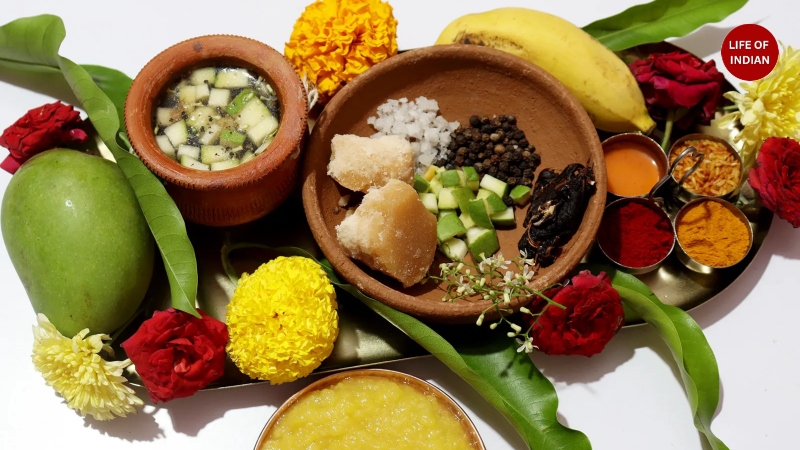
In states like Andhra Pradesh, Telangana, and Karnataka, the festival is known as Ugadi.
A special dish called Ugadi Pachadi is prepared, which contains six different tastes—sweet, sour, bitter, spicy, and more.
This dish symbolizes the philosophy that life is a mix of different experiences, and one must learn to accept all emotions equally.
Gudi Padwa in Maharashtra: A Symbol of Victory and Hope
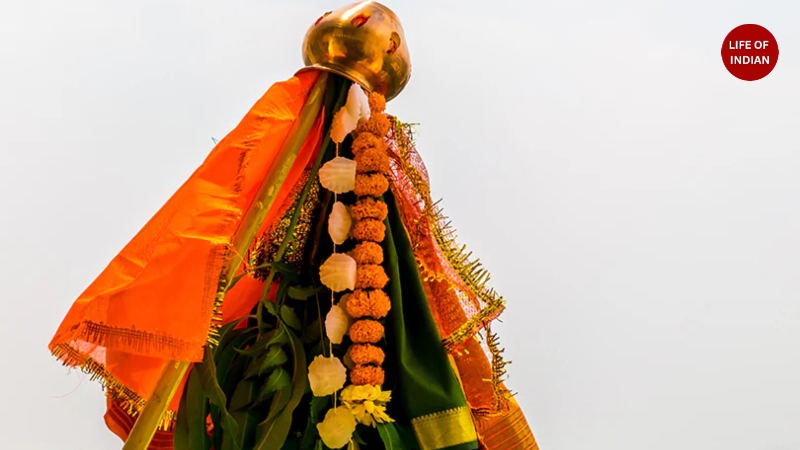
In Maharashtra and Goa, the festival is celebrated as Gudi Padwa.
People hoist a decorated flag called a Gudi outside their homes. It represents:
- Victory of good over evil
- Prosperity and good fortune
This tradition reflects the idea that the New Year should begin with positivity and success.
Navreh in Kashmir: A Glimpse of the Future
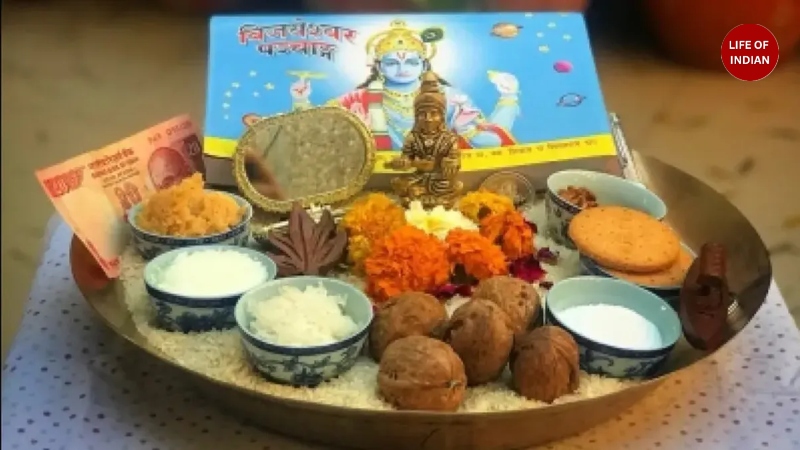
In Kashmir, especially among Kashmiri Pandits, the New Year is celebrated as Navreh.
On this day, a ceremonial plate is prepared with items like:
- Rice
- Curd
- Coins
- Religious texts
This arrangement symbolizes abundance and offers a hopeful vision for the year ahead.
Chaitra Navratri in North India: A Spiritual Beginning
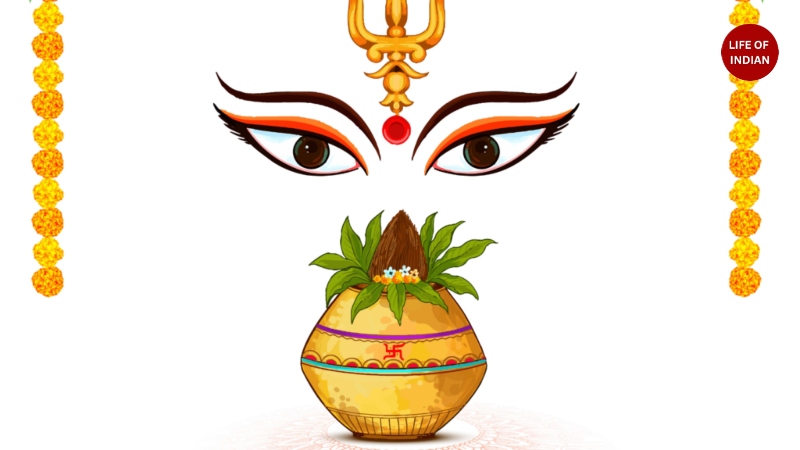
In North India, the Hindu New Year coincides with the beginning of Chaitra Navratri.
This period is dedicated to the worship of Goddess Durga. People observe fasts, perform rituals, and focus on spiritual cleansing.
Here, the New Year becomes more than a celebration—it becomes a journey of inner transformation and devotion.
Why Navratri Comes Twice a Year: The Spiritual and Scientific Reasons Behind the Festival
Hindu New Year Based on the Solar Calendar
In some parts of India, the New Year is celebrated according to the solar calendar, which means it falls on different dates.
Vaisakhi in Punjab: Celebration of Harvest and Gratitude
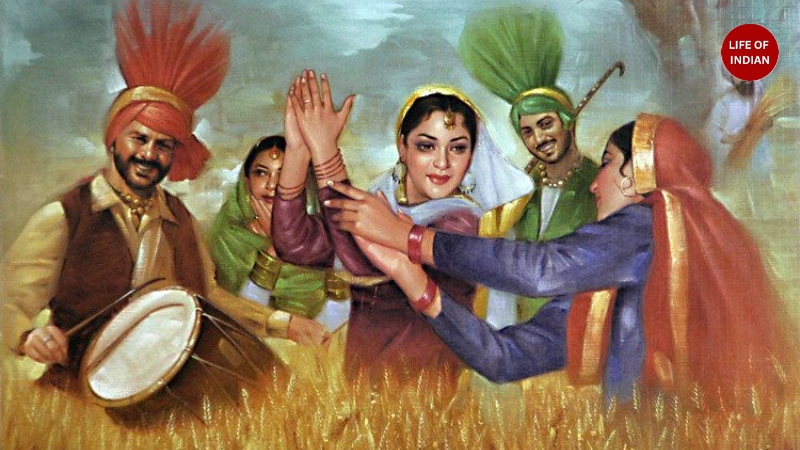
In Punjab, Vaisakhi marks the New Year as well as the harvest festival.
It is a time when farmers celebrate the fruits of their hard work and express gratitude for abundance.
Poila Baisakh in West Bengal: A Fresh Start
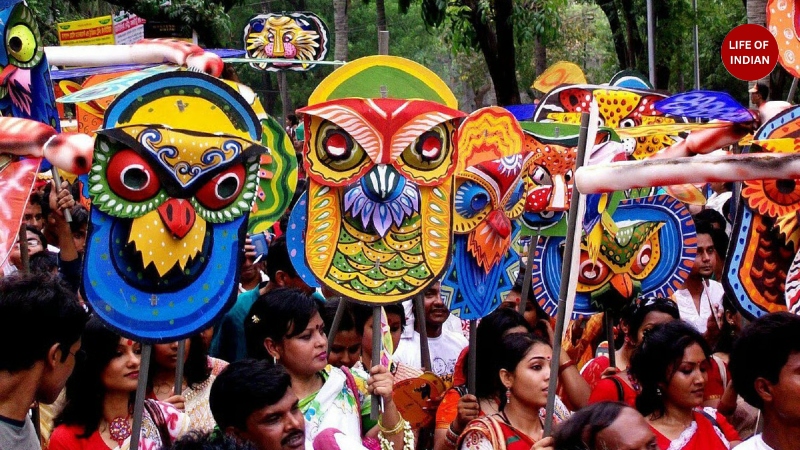
In West Bengal, Poila Baisakh is celebrated with great enthusiasm.
People:
- Wear new clothes
- Open new business accounts
- Participate in cultural events
It symbolizes a fresh beginning in both personal and professional life.
Puthandu and Vishu in South India: Auspicious Beginnings
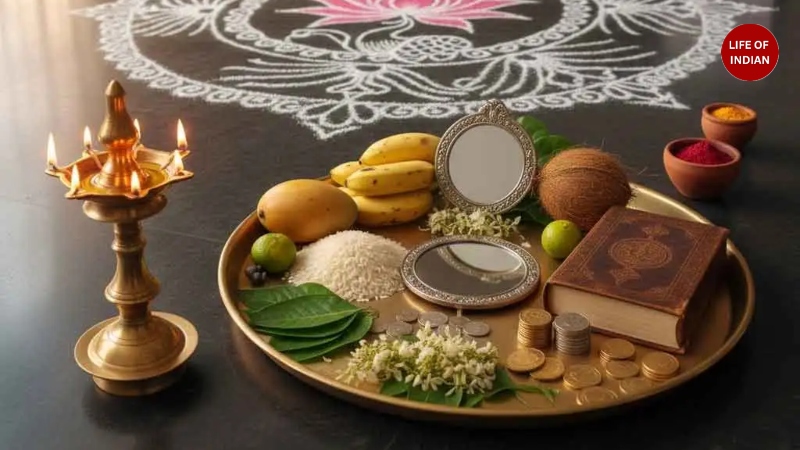
Tamil Nadu celebrates the New Year as Puthandu, while Kerala celebrates Vishu.
A unique tradition here is viewing auspicious items (Vishu Kani) first thing in the morning, believed to bring prosperity throughout the year.
Different Traditions, One Shared Emotion
Despite regional differences, certain elements remain common across India:
- Cleaning and decorating homes
- Wearing new clothes
- Offering prayers
- Spending time with family
- Beginning something new
These practices highlight that the New Year is not just external—it is also about inner renewal and positivity.
Scientific and Cultural Significance
The Hindu New Year is deeply rooted in both tradition and science.
Connection with Nature
This time marks the arrival of spring:
- Trees grow new leaves
- The environment becomes fresh
- Energy levels naturally increase
Psychological Impact
A New Year naturally inspires:
- Fresh goals
- Positive thinking
- Personal growth
Health Benefits
Traditional foods consumed during this period help the body adapt to seasonal changes and improve immunity.
What Does the Hindu New Year Teach Us?
At its core, this festival carries powerful life lessons:
- Every ending is a new beginning
- Change is essential for growth
- Living in harmony with nature brings balance
The Hindu New Year in India is not just a festival—it is a cultural journey and a celebration of life itself.
Though it is known by different names across regions, its soul remains the same:
👉 A new beginning filled with hope, positivity, and renewal.
It reminds us that true change does not come from turning a page on a calendar but from embracing life with a fresh perspective.