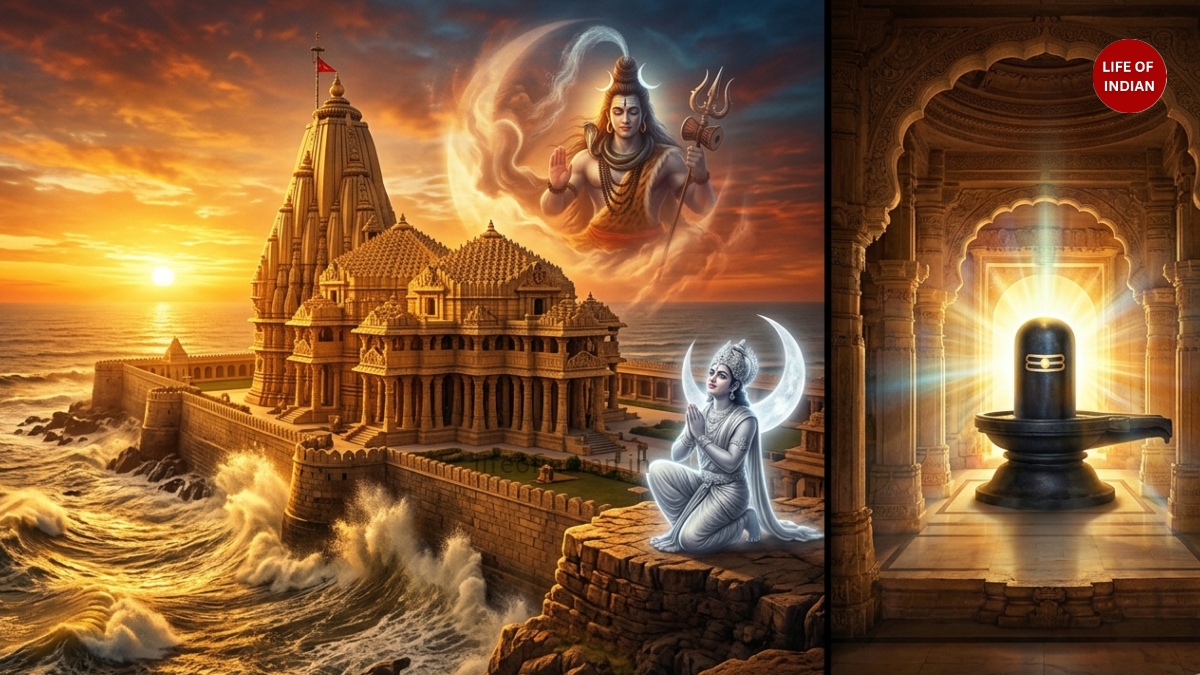
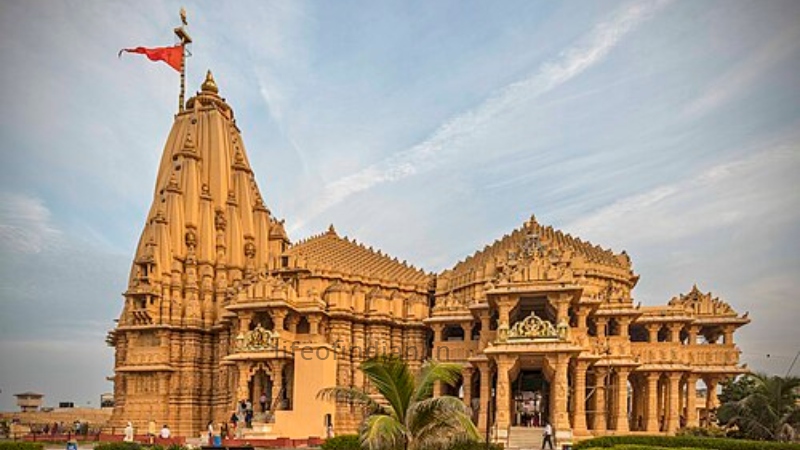
On the western coast of Gujarat, where the waves of the Arabian Sea continuously touch the shores of Saurashtra, stands one of the most spiritually powerful temples of India—Somnath Temple. More than just a religious site, Somnath is considered a living symbol of faith, resilience, mythology, and Indian civilization itself.
For centuries, devotees have believed that visiting Somnath with a pure heart brings peace, removes obstacles from life, and attracts the blessings of Lord Shiva. During the holy month of Shravan, millions of devotees travel to this sacred temple seeking spiritual strength and relief from suffering. The atmosphere during this period becomes deeply emotional and divine, with chants of “Har Har Mahadev” echoing through the temple corridors as the sound of ocean waves fills the air.
What makes Somnath even more special is that it is regarded as the first among the twelve Jyotirlingas of Lord Shiva. According to Hindu mythology, this is the place where Lord Shiva appeared in the form of divine light and freed the Moon God, Chandra Dev, from a terrible curse. This ancient legend gave the temple its name—Somnath, meaning “Lord of Soma,” or Lord of the Moon.
Jyotirlingas of India: The Sacred Shiva Temples Every Devotee Must Visit Once in a Lifetime
But Somnath is not remembered only because of mythology. Its history is equally extraordinary. The temple has faced repeated invasions, destruction, and rebuilding across centuries. Yet every time it was destroyed, it rose again. Because of this, Somnath today is seen not only as a temple but as a symbol of India’s unbreakable faith and cultural survival.
Why Is Somnath Considered the First Jyotirlinga?
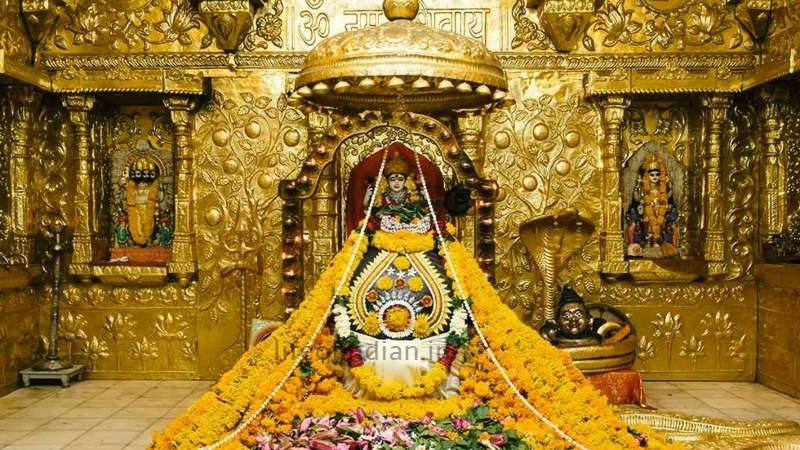
In Hindu tradition, the twelve Jyotirlingas are regarded as the most sacred manifestations of Lord Shiva. These Jyotirlingas are believed to be places where Shiva appeared as an infinite pillar of divine light. Among all twelve, Somnath holds the first position.
According to ancient beliefs, Lord Shiva manifested here in his radiant Jyotirlinga form to bless Chandra Dev, the Moon God. Devotees believe that worshipping at Somnath helps remove suffering, mental stress, emotional instability, and obstacles in life. Many people also believe that prayers offered here reduce the effects of “Chandra Dosha” in astrology, which is associated with emotional imbalance and mental unrest.
This spiritual connection between the Moon and Somnath makes the temple deeply significant for devotees seeking inner peace and emotional healing.
The Mythological Story Behind the Name “Somnath”
How Chandra Dev’s Penance Created the First Jyotirlinga
The story behind Somnath is one of the most fascinating legends found in the Shiva Purana.
According to mythology, King Daksha had twenty-seven daughters, all of whom were married to Chandra Dev, the Moon God. However, Chandra loved one wife, Rohini, far more than the others. The remaining wives felt neglected and complained to their father.
Angered by Chandra’s behavior, Daksha cursed him, declaring that his brilliance and radiance would slowly fade away. As the curse took effect, the Moon began losing its light, causing imbalance and concern throughout the universe. The gods feared that nature itself would suffer if the Moon completely disappeared.
Desperate to save himself, Chandra Dev approached Lord Brahma for guidance. Brahma advised him to travel to Prabhas Kshetra — the sacred region where Somnath stands today — and perform intense penance dedicated to Lord Shiva.
It is believed that Chandra meditated for months beside the Saraswati River, praying with complete devotion and surrender. Finally, Lord Shiva appeared before him and partially relieved him from the curse. Shiva declared that Chandra would not disappear completely but would continue to wax and wane in cycles. This is believed to be the origin of the Moon’s increasing and decreasing phases.
Overwhelmed with gratitude, Chandra requested Lord Shiva to remain at that sacred place forever in the form of a Jyotirlinga. Shiva accepted the request. Since “Som” means Moon, and Shiva became the lord of Chandra, the temple came to be known as Somnath— “The Lord of the Moon.”
This legend is one of the main reasons why Somnath is worshipped as the first Jyotirlinga.
First Time Chardham Yatra? Read This Before You Go
A Temple That Was Destroyed Repeatedly but Never Lost Its Spirit
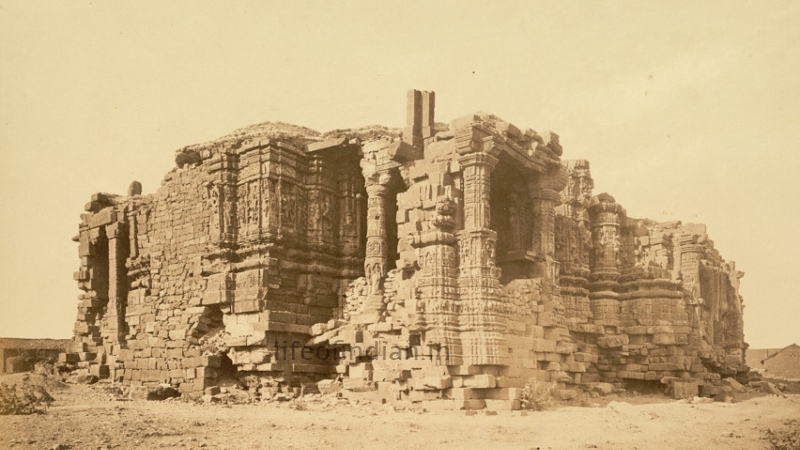
The history of Somnath is as emotional as its mythology.
Over the centuries, the temple became a target for several invaders because of its immense wealth and religious importance. Historical records suggest that the temple was attacked and looted multiple times. Among the most well-known invasions was the attack by Mahmud of Ghazni in the 11th century.
The destruction of the temple shocked the Indian subcontinent. Precious treasures were looted, and the structure was damaged. But what makes Somnath extraordinary is what happened afterward.
Every single time the temple was destroyed, it was rebuilt again.
Kings, devotees, saints, and communities came together repeatedly to restore the sacred shrine. This cycle of destruction and reconstruction transformed Somnath into something much larger than a religious structure. It became a symbol of cultural resilience and spiritual endurance.
Even today, many visitors say that walking inside the temple feels like walking through layers of Indian history itself—a place where pain, faith, struggle, and devotion exist together.
The Spiritual Significance of Somnath During Shravan
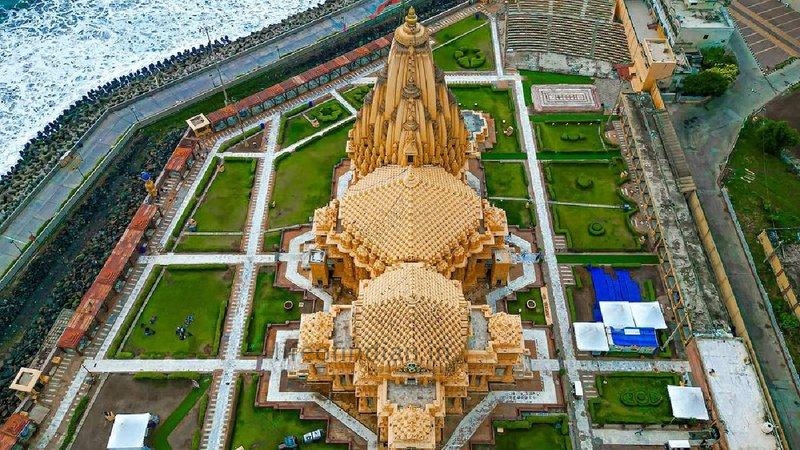
The holy month of Shravan is considered especially sacred for Lord Shiva devotees, and during this period Somnath becomes one of the most visited pilgrimage sites in India.
Devotees believe that offering prayers during Shravan brings special blessings from Shiva and helps reduce difficulties in life. Thousands of pilgrims perform rituals, offer milk and water to the Jyotirlinga, and participate in the grand aartis held inside the temple.
The spiritual atmosphere during Shravan is often described as deeply emotional. The sound of bells, Vedic chants, and ocean waves together creates an experience that many devotees describe as unforgettable. Some visitors say they feel an unusual sense of peace and emotional release upon entering the temple complex.
This is one of the reasons why Somnath is not just considered a tourist destination but a place where people come searching for spiritual calmness and inner healing.
Chardham Yatra: A Spiritual Journey That Changes You Forever
Why the Temple’s Location Beside the Sea Is Considered Special
The Mystery of the Baan Stambh
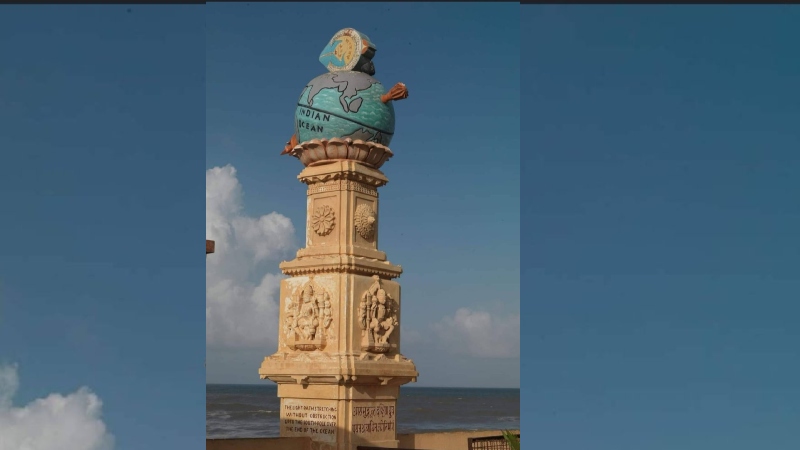
One of the most fascinating aspects of Somnath is its location directly beside the Arabian Sea.
Inside the temple complex stands a pillar known as the “Baan Stambh.” According to inscriptions near the pillar, there is no landmass between Somnath and the South Pole along a straight line across the sea. This fact creates curiosity among visitors and has often been linked by some scholars to the advanced geographical and astronomical understanding of ancient India.
Many believers also feel that the temple’s positioning was not accidental. According to spiritual traditions, the location and direction of ancient temples were carefully selected to align with natural energies and cosmic balance.
Whether viewed spiritually or scientifically, the coastal setting of Somnath gives the temple a uniquely powerful atmosphere. The sight of giant waves crashing beside the sacred shrine creates an unforgettable blend of nature and devotion.
What Devotees Experience at Somnath
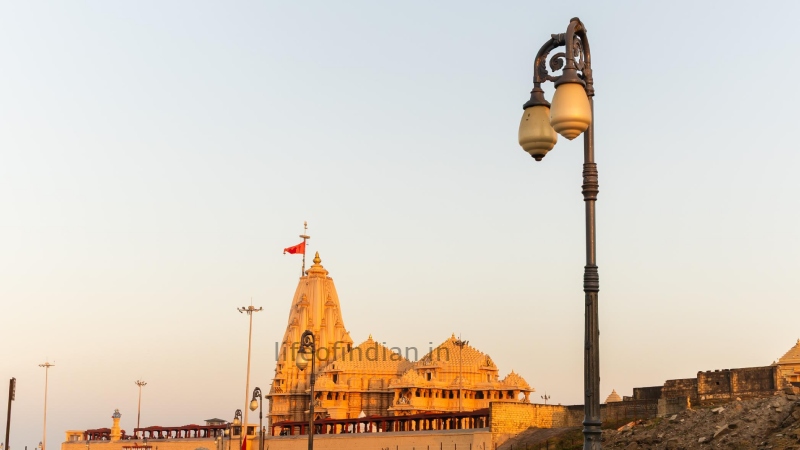
People who have visited Somnath often describe the experience in deeply emotional terms. Many say that the moment they enter the temple premises, they feel an unexpected calmness.
The early morning aarti is especially famous. As the first rays of sunlight touch the temple and the sound of conch shells fills the air, devotees experience a rare sense of spiritual peace. At night, the illuminated temple standing against the dark sea creates a breathtaking sight.
Interestingly, Somnath today attracts not only elderly pilgrims but also young travelers. In the age of social media and travel vlogging, the temple has become increasingly popular among youth seeking spiritual experiences beyond ordinary tourism. For some, Somnath is a place of worship. For others, it is a place of healing. And for many, it is a reminder that faith can survive even the harshest storms.
Somnath: A Timeless Symbol of Faith and Indian Civilization
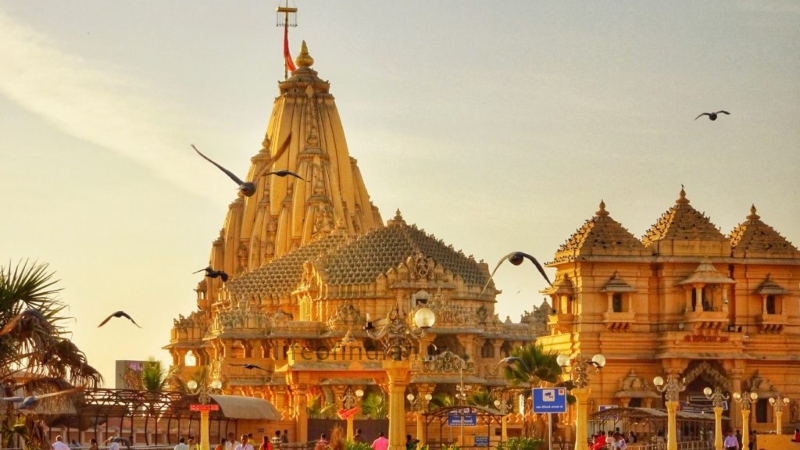
Somnath Temple is not merely one of the twelve Jyotirlingas. It is a living symbol of India’s spiritual continuity, cultural strength, and historical resilience.
Its mythology connects it to divine cosmic legends. Its history reflects centuries of struggle and rebuilding. Its location beside the sea adds natural beauty and mystery. And its spiritual atmosphere continues to attract millions of people searching for faith, peace, and emotional comfort.
Perhaps that is why Somnath has survived for so many centuries. Because while temples can be broken, faith cannot.
FAQ
1. Why is Somnath called the first Jyotirlinga?
Somnath is considered the first Jyotirlinga because Hindu mythology states that Lord Shiva appeared here in the form of divine light to bless Chandra Dev and free him from a curse.
2. Where is Somnath Temple located?
Somnath Temple is located in Prabhas Patan near Veraval on the Saurashtra coast of Gujarat, India.
3. What is the story behind the name Somnath?
The name “Somnath” comes from “Som,” another name for the Moon God Chandra Dev, who worshipped Lord Shiva here after being cursed by King Daksha.
4. Who destroyed Somnath Temple?
According to historical records, Somnath Temple was attacked and looted multiple times by invaders, including Mahmud of Ghazni in the 11th century.
5. What is special about Somnath Temple?
Somnath is famous for being the first Jyotirlinga, its deep mythological significance, repeated reconstruction throughout history, and its stunning location beside the Arabian Sea.
6. Why do devotees visit Somnath during Shravan?
Devotees believe that worshipping Lord Shiva at Somnath during the holy month of Shravan brings blessings, peace, and relief from life’s difficulties.