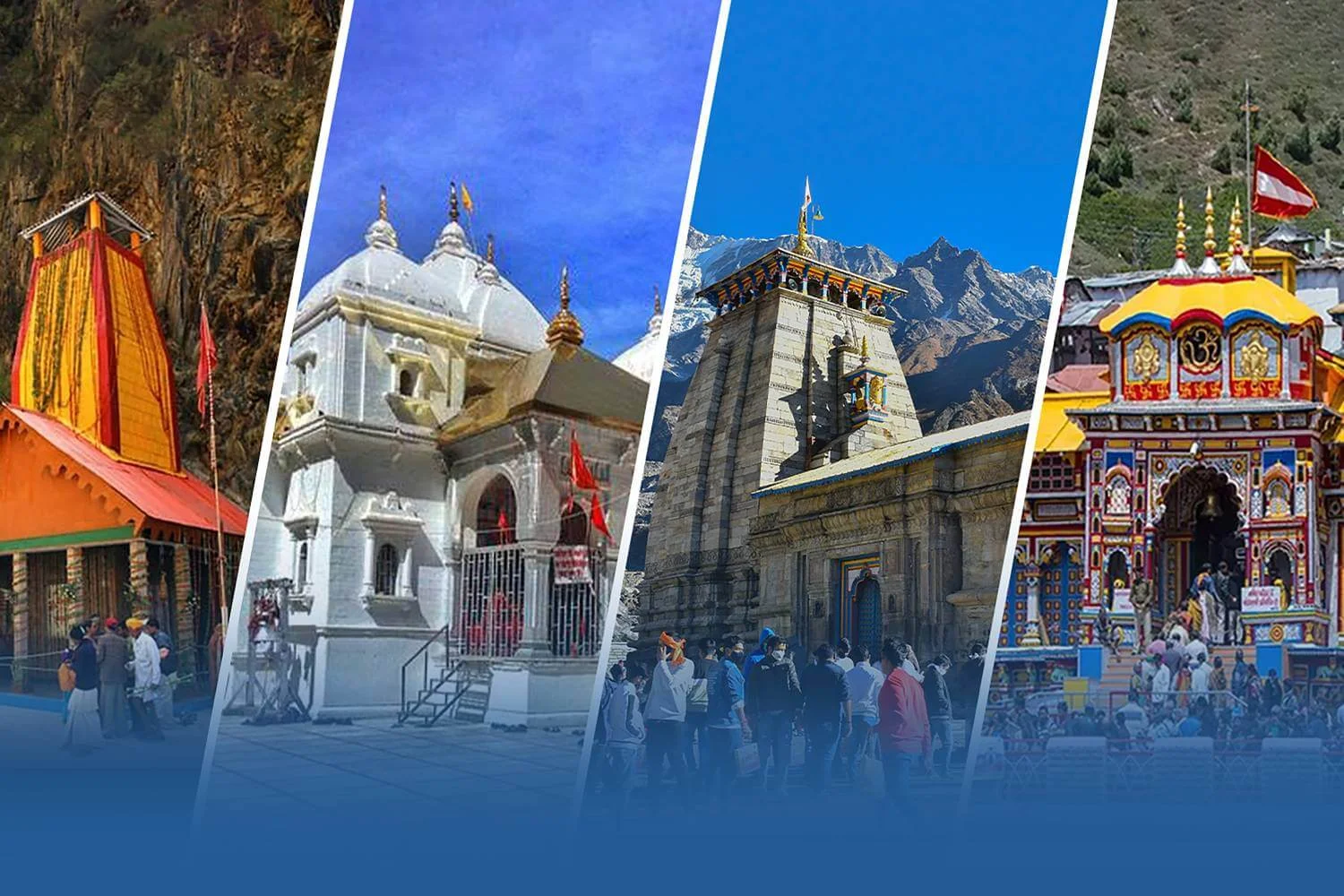
Chardham Yatra: There are journeys that take you across places, and then there are journeys that take you within. The Chardham Yatra belongs to the latter. Set in the majestic Himalayas of Uttarakhand, this pilgrimage is not just about visiting temples—it is about surrendering to something greater than yourself. Every year, thousands of people, young and old, begin this journey carrying hopes, prayers, and sometimes silent pain. By the time they return, many say they are not the same person anymore.
Jyotirlingas of India: The Sacred Shiva Temples Every Devotee Must Visit Once in a Lifetime
What the Chardham Yatra Truly Means
The Chardham Yatra refers to a sacred circuit of four holy shrines—Yamunotri, Gangotri, Kedarnath, and Badrinath. Nestled in the Garhwal region, these four destinations are collectively believed to open the path to spiritual liberation.
But to understand this yatra, one must look beyond definitions. For many, it is not a checklist of temples—it is a journey of faith, endurance, and emotional healing. It is where devotion meets determination, and where the silence of the mountains allows people to hear their inner voice.
The Ancient Roots and Spiritual Legacy
The significance of the Chardham Yatra goes back centuries. It is widely believed that Adi Shankaracharya in the 8th century revived and popularized this pilgrimage to strengthen spiritual unity across India. His vision was not limited to rituals but extended to connecting people with a deeper understanding of life and existence.
In Hindu belief, completing the Chardham Yatra helps cleanse past sins and leads one closer to moksha, or liberation. But even beyond religious belief, the journey carries a universal message—the idea that human life is a continuous path of learning, letting go, and evolving.
The Journey Begins: From Faith to Surrender
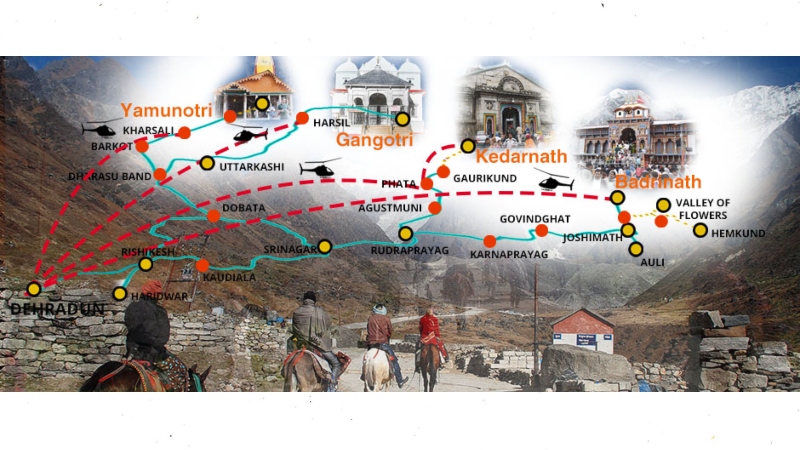
The yatra traditionally follows a specific sequence—starting from Yamunotri, moving to Gangotri, then Kedarnath, and finally ending at Badrinath. This order is not random; it reflects a spiritual progression.
Pilgrims usually begin their journey from places like Haridwar or Rishikesh, where the holy Ganga flows gently, as if inviting them to begin their path. As the journey moves deeper into the mountains, the roads become steeper, the air thinner, and the challenges greater. Yet, something within keeps pushing them forward.
It is often said that the Chardham Yatra does not test your body as much as it tests your faith.
Yamunotri: Where the Journey of Purity Begins
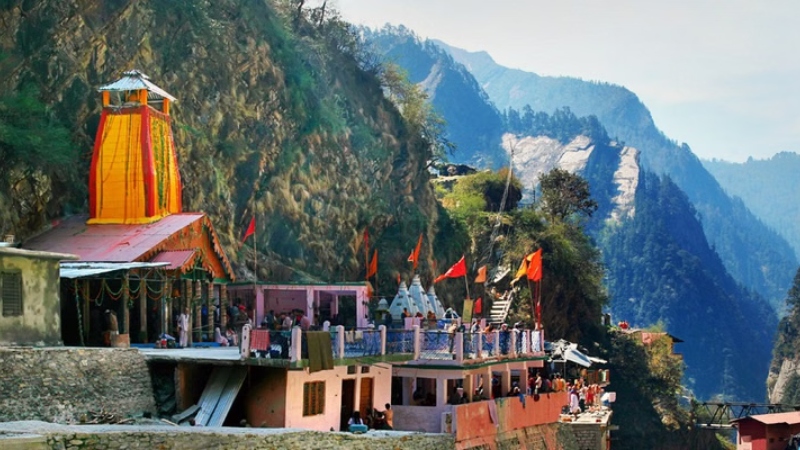
The first stop, Yamunotri, is dedicated to Goddess Yamuna and marks the origin of the Yamuna River. Reaching this temple requires a trek through narrow mountain paths, surrounded by cold winds and breathtaking views.
As pilgrims walk step by step, often with tired legs but determined hearts, they begin to feel a quiet transformation. The noise of everyday life slowly fades, replaced by the sound of flowing water and rustling leaves. It is here that many realize that the journey is not about rushing—it is about slowing down and reconnecting with oneself.
Gangotri: The Flow of Faith and Devotion
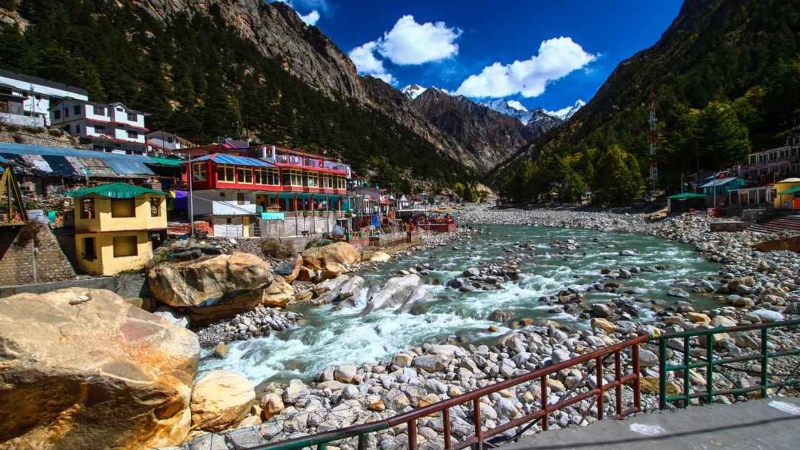
From Yamunotri, the journey continues to Gangotri, the sacred origin of the River Ganga. According to legend, Goddess Ganga descended to Earth here to cleanse humanity of its sins.
Standing on the banks of the river, watching its powerful current, one cannot help but feel humbled. The water flows endlessly, carrying with it centuries of faith, prayers, and stories. For many pilgrims, this is the moment when emotions surface—tears of relief, gratitude, or even unspoken pain.
Gangotri teaches a simple yet profound lesson: just like the river, life must keep flowing, no matter what comes in its way.
Kedarnath: The Ultimate Test of Devotion
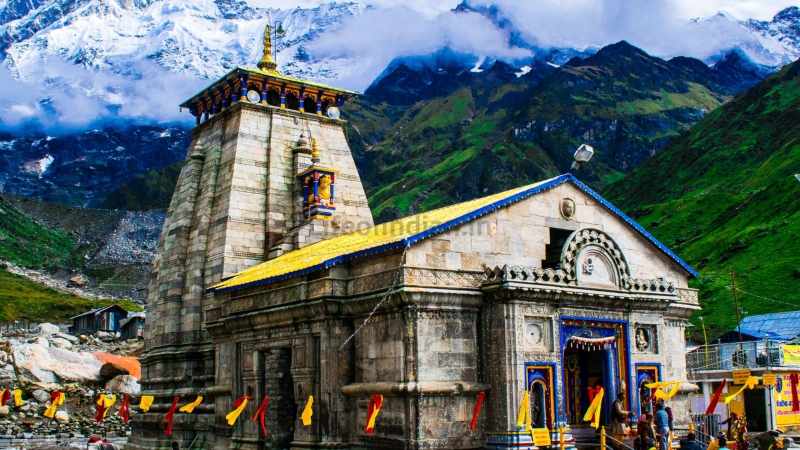
If there is one place in the Chardham Yatra that truly tests a person’s strength and belief, it is Kedarnath. Located at a high altitude and surrounded by snow-covered peaks, this temple dedicated to Lord Shiva demands effort, patience, and courage.
The journey to Kedarnath is not easy. Pilgrims walk for hours, sometimes through rain, cold, and steep climbs. Yet, very few complain. There is something about the place that silences discomfort and replaces it with determination.
When they finally reach the temple and stand before the sacred shrine, the experience is overwhelming. Many describe it as a moment of complete surrender—where ego dissolves, and only faith remains.
Badrinath: The Peace That Completes the Journey
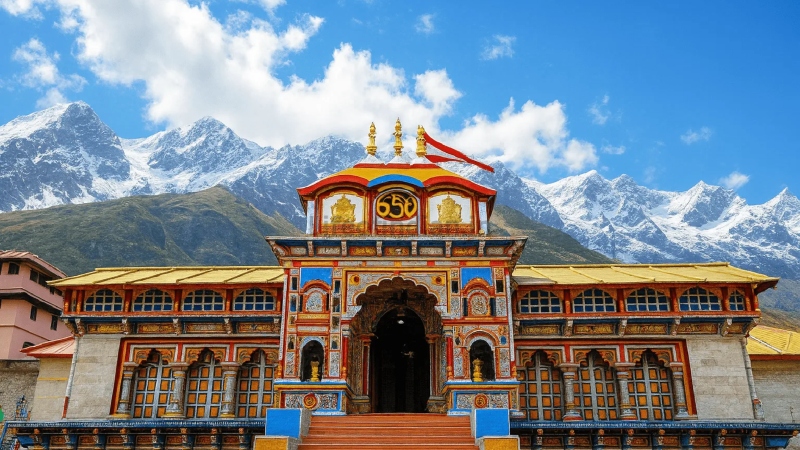
The final destination, Badrinath, is dedicated to Lord Vishnu and represents peace, wisdom, and salvation. By the time pilgrims reach here, they have already faced physical challenges and emotional reflections.
Unlike the earlier parts of the journey, Badrinath feels calm and welcoming. It is as if the journey itself has prepared the mind to experience stillness. The rush is gone, the struggles are behind, and what remains is a deep sense of contentment.
For many, this is not just the end of the yatra—it is the beginning of a new perspective on life.
The Human Experience Behind the Yatra
What makes the Chardham Yatra truly special is not just its spiritual importance but the human stories it carries.
You will find elderly people walking slowly but steadily, young travelers helping strangers, families sharing food, and individuals silently praying for strength. In those moments, differences of language, background, and status disappear. Everyone becomes equal in their devotion.
This shared experience creates a bond that is rare in everyday life—a connection built on faith, empathy, and mutual respect.
Challenges That Make the Journey Meaningful
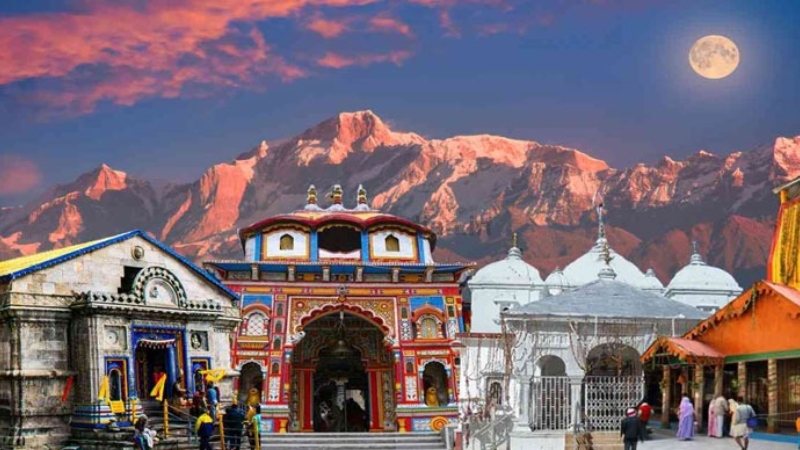
The Chardham Yatra is not a comfortable trip. The high altitude can make breathing difficult, the weather can change suddenly, and the terrain can be unpredictable. Yet, these very challenges are what give the journey its depth.
When people step out of their comfort zones and face these difficulties, they discover their inner strength. They learn patience, resilience, and the importance of letting go of control.
In many ways, the hardships are not obstacles—they are part of the transformation.
Why This Journey Changes People
People often return from the Chardham Yatra with a sense of calm and clarity. It is not because they visited temples, but because they experienced something deeper.
In the silence of the mountains, away from the noise of daily life, they begin to understand themselves better. They realize what truly matters and what can be left behind. The journey becomes a mirror, reflecting their thoughts, fears, and hopes.
And somewhere along the way, they change—not dramatically, but quietly, in ways that last.
A Journey Beyond Destinations
The Chardham Yatra is not just a religious pilgrimage—it is a journey of the soul. It teaches that life is not always about reaching somewhere quickly, but about experiencing every step with awareness and faith.
From the purity of Yamunotri to the peace of Badrinath, each destination adds a layer to the journey. But the real transformation happens within.
And when the journey ends, what remains is not just memories of mountains and temples—but a deeper connection with oneself, and a sense of peace that stays long after the footsteps have stopped.
FAQ
Q1. What is the Chardham Yatra, and why is it important?
The Chardham Yatra is a sacred pilgrimage covering Yamunotri, Gangotri, Kedarnath, and Badrinath. It is considered highly important in Hinduism, as it is believed to cleanse sins and lead to spiritual growth and moksha (liberation).
Q2. What is the correct route for the Chardham Yatra?
The traditional route of the Chardham Yatra follows a clockwise sequence: Yamunotri → Gangotri → Kedarnath → Badrinath, starting usually from Haridwar or Rishikesh.
Q3. When is the best time to visit Chardham Yatra?
The best time to undertake the Chardham Yatra is from April/May to October/November, when the temples are open and weather conditions are relatively suitable for travel.
Q4. How many days are required to complete Chardham Yatra?
A full Chardham Yatra generally takes around 10–12 days by road, while helicopter packages can complete the journey in about 3–5 days.
Q5. Is Chardham Yatra difficult for travelers?
Yes, the yatra can be physically challenging due to high altitude, trekking routes, and changing weather. However, with proper preparation, medical care, and planning, it can be completed safely.