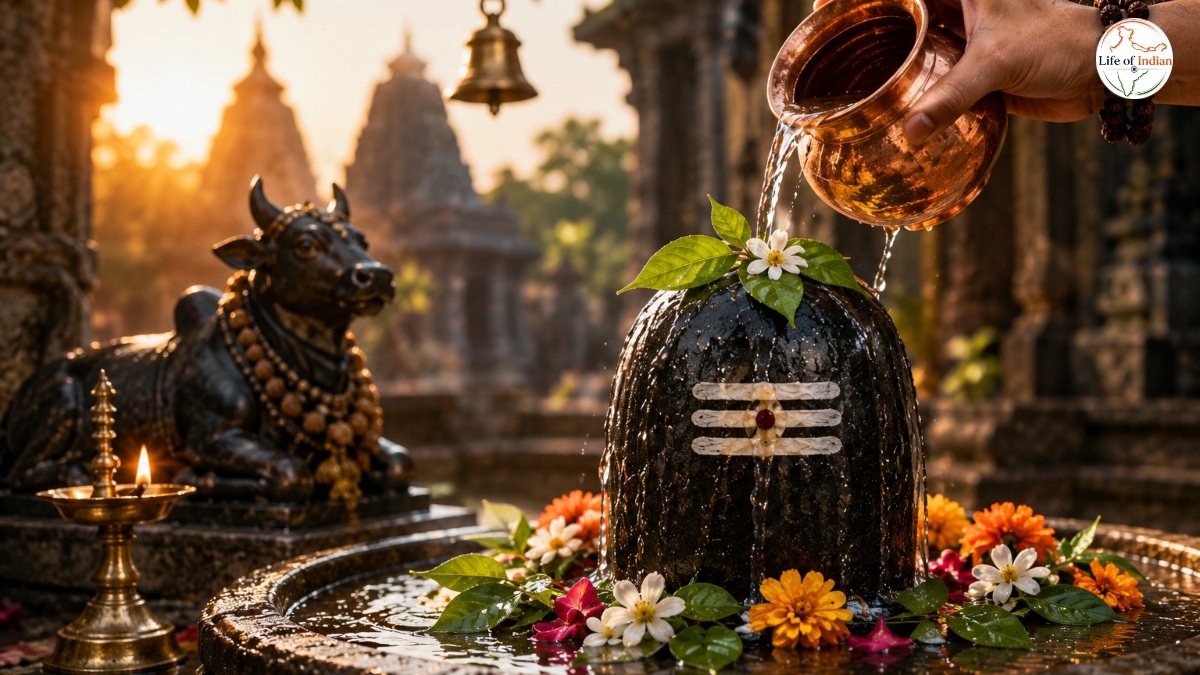
Sawan, also known as Shravan, is considered one of the most sacred months for devotees of Lord Shiva. Every Monday during this month, Shiva temples across India witness a large number of devotees who come to offer water, milk, belpatra and flowers to the Shivalinga and seek the blessings of Mahadev. But visiting a Shiva temple during Sawan is not only about offering religious items. Understanding the spirit behind the worship is equally important. Devotees sometimes perform rituals in haste or follow practices they have seen elsewhere without knowing that temple traditions can differ from one region to another.
August 10, 2026, will be the second Sawan Somwar in North India and will also coincide with Som Pradosh Vrat. Because of this, Shiva temples are expected to remain particularly crowded throughout the day. The exact timing of Pradosh Puja depends on the location. In Delhi, the Pradosh period on August 10 is approximately 7:05 PM to 9:14 PM. Devotees planning an evening puja should verify the timings according to their local Panchang.
Before visiting a Shiva temple on Sawan Somwar, it is useful to know some common mistakes that devotees should avoid. These practices are based on customary Hindu worship traditions, but they may vary between temples and regions.
1. Pouring Water on the Shivalinga in a Strong or Fast Stream
One of the most common practices during Sawan is Jalabhishek, or offering water to the Shivalinga. However, some devotees pour water from a considerable height or in a very forceful stream, believing that a larger quantity of water makes the worship more effective. The essence of Jalabhishek is not the amount or speed of the water. Devotees can offer water calmly and respectfully while chanting “Om Namah Shivaya.”
The ritual is traditionally understood as a symbolic act of surrender, purity and inner calm. The gentle offering of water can also serve as a reminder to control anger, ego and restlessness. If the temple is crowded, avoid standing in front of the Shivalinga for a long time. Offer a small amount of water, pray sincerely and allow other devotees to have darshan.
The intention behind the worship is more important than the quantity of water used.
2. Offering Milk or Other Liquids Without Following Temple Rules
During Sawan, devotees commonly perform Abhishek with milk, curd, honey and other traditional offerings. However, this should always be done according to the rules of the particular temple. If a temple permits milk or other offerings, devotees should follow the prescribed method. Where the temple accepts only water for Abhishek, there is no need to insist on offering milk.
Milk, curd and sweet substances left around the Shivalinga or temple premises for long periods can create hygiene problems, unpleasant smells and attract insects. For this reason, many temples have specific arrangements for Abhishek materials. After offering such substances where permitted, clean water may traditionally be offered afterward. However, devotees should follow the instructions of the temple priests and management. If a temple does not permit milk Abhishek, the milk brought for worship can instead be donated to someone who needs it. Shiva worship is not measured by how much milk or other material is poured over the Shivalinga.
3. Offering Dirty, Rotten or Damaged Belpatra
Belpatra, or bilva leaves, have a special place in Shiva worship. A belpatra generally consists of three leaflets joined together, and these are traditionally associated with several aspects of Lord Shiva, including his three eyes and the three gunas—sattva, rajas and tamas. The significance of bilva leaves is also celebrated in traditional devotional literature such as the Bilvashtakam. While devotees often focus on collecting a particular number of leaves, the condition of the leaves is equally important from the perspective of respectful worship.
Avoid offering belpatra that are:
- Rotten or dried beyond use
- Heavily damaged or torn
- Infested with insects
- Covered in dirt
- Otherwise unsuitable for offering
Clean the leaves gently before offering them and follow the practice prescribed by the temple. At the same time, devotees should not feel anxious if belpatra are unavailable. A sincere Shiva puja can be performed with clean water and devotion. There is also no need to excessively pluck leaves from a bilva tree simply to collect a large quantity for worship. Respect for nature is itself consistent with the spirit of Shiva worship.
4. Assuming Every Flower or Leaf Can Be Offered to Shiva
Different deities have different traditional offerings, and not every item used in a general puja is automatically offered to the Shivalinga. Belpatra, certain flowers and other traditional offerings have long been associated with Shiva worship. However, practices concerning particular flowers and leaves can differ across scriptures, regions and temple traditions.
For example, there are differing traditional views regarding offerings such as tulsi and ketaki. Some traditions prohibit them in Shiva worship, while interpretations and practices may differ elsewhere. Therefore, devotees should not blindly follow a random list circulating online. If you are visiting a particular temple, the best approach is to follow the temple’s established tradition or ask the priest about the appropriate offerings. Temple-specific customs should always be respected.
5. Completing a Full Circumambulation Around the Shivalinga Without Noticing the Jalhari
Circumambulation, or pradakshina, is an important part of Hindu worship. However, Shiva temples have a particular feature that devotees should be aware of—the Jalhari, the outlet through which Abhishek water flows from the Shivalinga. In many traditional Shiva temples, devotees avoid crossing the Jalhari during circumambulation. A customary practice is therefore to perform a partial or semi-circumambulation and return without crossing the outlet.
The reason is connected with the traditional understanding that the water flowing from the Shivalinga after Abhishek is sacred. However, temple architecture and worship practices are not identical everywhere. Some temples have different layouts, and in some places, devotees may circumambulate the outer temple complex. Therefore, observe the temple’s layout, instructions and local tradition rather than assuming that every Shiva temple follows exactly the same practice.
6. Standing Between Nandi and the Shivalinga
Almost every traditional Shiva temple has an image of Nandi, Lord Shiva’s sacred bull and devoted companion, positioned facing the Shivalinga. Nandi is revered as Shiva’s vehicle and an important figure in Shiva worship. Because of this, many temple traditions discourage devotees from casually standing or walking between Nandi and the Shivalinga.
When entering the temple, devotees can first offer their respects to Nandi and then move to a suitable position for darshan of the Shivalinga. There is also a popular tradition of whispering one’s wishes into Nandi’s ear. If you follow this practice, do so quietly and respectfully. During Sawan Mondays, temples can become extremely crowded. Stopping near Nandi for photographs, videos or long conversations can block the movement of other devotees. Maintaining discipline and allowing others to have darshan is also a form of respect.
7. Leaving Plastic, Flower Packets and Puja Waste Inside the Temple
One of the most overlooked aspects of temple etiquette is cleanliness. During Sawan, temples can receive thousands of devotees. As a result, plastic bags, milk packets, water bottles, flower packaging, incense wrappers and other waste can quickly accumulate.
Leaving such material behind after worship defeats the spirit of cleanliness and respect associated with a sacred place. Place flowers and other organic offerings only in the containers designated by the temple. Carry plastic and other non-biodegradable waste with you if appropriate disposal facilities are unavailable. Do not leave puja materials beside trees, rivers, drains or temple walls. A clean temple is not merely a civic responsibility; for many devotees, it is also an expression of devotion.
8. Allowing Abhishek Water From the Jalhari to Be Stepped On
The water that flows from the Shivalinga after Abhishek passes through the Jalhari. It is traditionally regarded as sacred by devotees. For this reason, devotees generally avoid deliberately stepping on or crossing the channel through which this water flows.
This becomes particularly important during Sawan, when temples are crowded and the floor may become wet or slippery. Walk carefully, especially around children and elderly devotees. If the temple has an open drainage channel or a designated path, follow the instructions provided by the temple authorities. The purpose is both religious respect and physical safety.
How to Worship Lord Shiva on Sawan Somwar, August 10, 2026
Devotees observing Sawan Somwar can begin the day by taking a bath and wearing clean clothes. Those observing a fast can follow the fasting tradition according to their health, family practice and local customs. After reaching the temple, offer your respects to Nandi before proceeding toward the Shivalinga. If permitted by the temple, offer clean water to the Shivalinga while chanting:
“Om Namah Shivaya.”
You may then offer clean belpatra and appropriate flowers according to the temple’s tradition. Instead of focusing only on material offerings, spend a few moments in quiet prayer and meditation. Devotees may pray to Lord Shiva, Goddess Parvati and Lord Ganesha and seek blessings for wisdom, patience, good health, self-control and the ability to make the right decisions. Since August 10, 2026, also falls on Som Pradosh, devotees observing the Pradosh fast can perform Shiva worship during the evening Pradosh period as well. The exact Pradosh Puja timing varies according to the city and Panchang, so devotees should check their local calendar before planning their evening worship.
Can Shiva Puja Be Completed With Only Water?
Yes, Devotees do not need an elaborate collection of expensive materials to express their devotion to Lord Shiva. Clean water, sincere prayers and the chanting of Om Namah Shivaya can form the basis of a simple Shiva puja.
Belpatra may be offered where available and permitted, but devotees should not feel that their worship is incomplete simply because they cannot arrange every traditional item. The broader spiritual message of worship is devotion, humility, compassion and self-discipline. If someone is unable to perform an elaborate Abhishek, helping a person in need, feeding someone hungry or protecting nature can also become meaningful expressions of the values associated with devotion.
What If You Make a Mistake During Shiva Puja?
Devotees should not panic if they unknowingly make a minor mistake during worship. Hindu devotional traditions often describe Lord Shiva as Ashutosh, one who is easily pleased by sincere devotion. If you realize that you have unknowingly made a mistake, you can simply offer a sincere mental apology and continue your worship respectfully. The purpose of religious worship is not to create unnecessary fear.
Instead, it is meant to encourage a calmer mind, humility, self-control and better conduct. If you leave the temple after offering water and belpatra but continue to behave with anger, arrogance or cruelty, the deeper purpose of worship has been missed.
The Real Meaning of Sawan Somwar Worship
Sawan Somwar is not simply about standing in a long queue, pouring water over a Shivalinga or carrying a large puja thali. The deeper spirit of Shiva worship lies in simplicity, devotion, restraint, compassion and respect for nature.
On August 10, 2026, when you visit a Shiva temple, offer water with faith—but also make a personal resolution to leave behind one negative habit. It could be controlling anger, speaking harshly, wasting food, hurting nature, behaving arrogantly or ignoring someone who needs help. Because sometimes, the most meaningful offering to Mahadev is not something we place before the Shivalinga—it is a positive change we bring into our own life.
Sawan is a time when millions of devotees turn toward Lord Shiva with faith and devotion. But true worship is not only about rituals and offerings. When you offer water, offer it with humility. When you offer belpatra, respect nature. When you enter a temple, respect other devotees. When you leave, keep the sacred space clean. And when you pray to Shiva for blessings, also ask for the strength to become a better human being. That may be the most beautiful way to celebrate Sawan Somwar.
FAQ
Is August 10, 2026, a Sawan Somwar?
Yes. In the North Indian lunar calendar tradition, August 10, 2026, falls on the second Monday of Sawan and also coincides with Som Pradosh.
What is the Pradosh Puja time in Delhi on August 10, 2026?
The Pradosh period in Delhi is approximately from 7:05 PM to 9:14 PM. Timings can vary according to location and Panchang calculations, so devotees should verify the local timing.
Can I offer only water to Lord Shiva?
Yes. A simple offering of clean water accompanied by sincere devotion and the chanting of Om Namah Shivaya is sufficient for a simple Shiva worship.
Can milk be offered on the Shivalinga during Sawan?
Milk Abhishek is a traditional practice in many places, but devotees should follow the rules of the particular temple. If milk Abhishek is not permitted, it can be donated instead.
Should devotees cross the Jalhari during pradakshina?
In many traditional Shiva temples, devotees avoid crossing the Jalhari through which Abhishek water flows. However, temple layouts and customs differ, so always follow the instructions and traditions of the temple you are visiting.