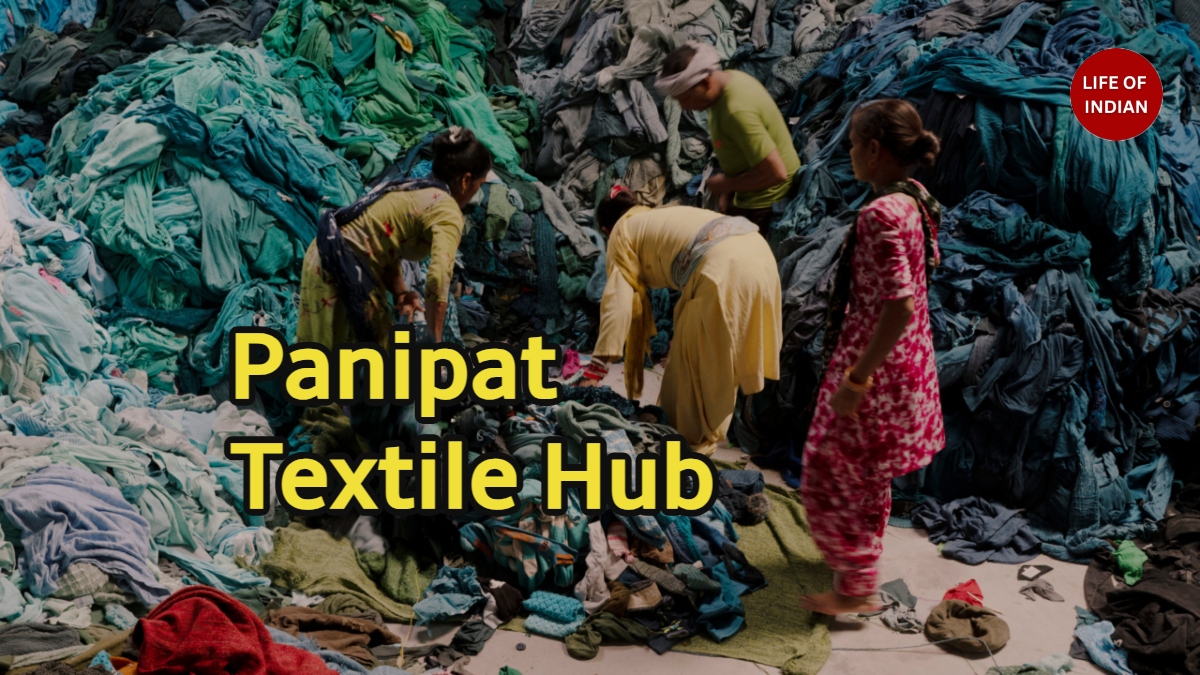
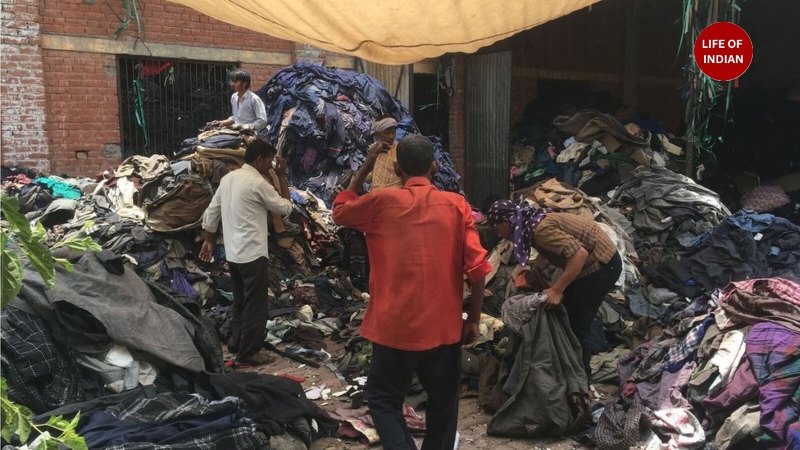
Panipat Textile Hub: In the narrow industrial lanes of Panipat, huge mountains of discarded clothes lie stacked in warehouses, stretching as far as the eye can see. Trucks loaded with used garments arrive every day; workers manually sort them by colour and fibre, machines shred them into tiny threads, and within hours, what was once waste becomes yarn, blankets, carpets, and home furnishing products.
This is not just a textile industry—it is a massive recycling ecosystem that has quietly turned Panipat into the Cloth Recycling Capital of the World.
Lakhs of people depend on this industry for survival. Global fashion waste finds a second life here. India earns export revenue from it. But behind this success story lies another reality — pollution, low wages, health risks, and environmental challenges that raise serious questions about sustainability.
Panipat’s textile recycling industry is a story of opportunity, survival, and struggle—all at the same time.
How Panipat Became the Cloth Recycling Capital of the World
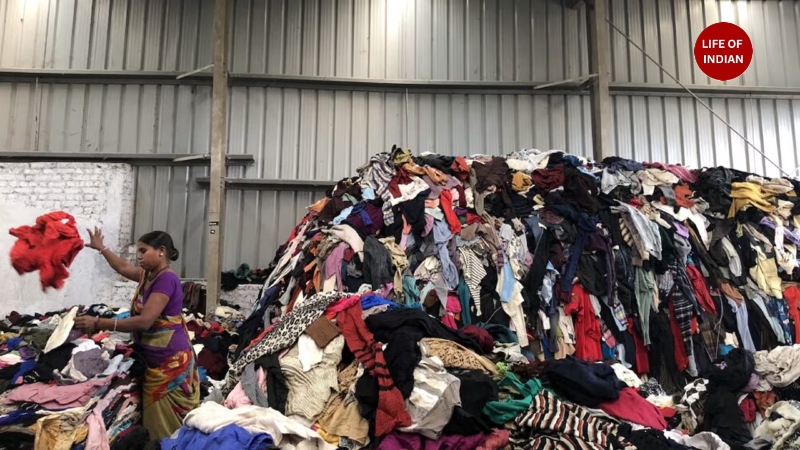
Panipat, located in Haryana, is widely known as the Textile City of India and one of the world’s largest textile recycling hubs.
Every day, discarded clothes from countries like the United States, the United Kingdom, Germany, Spain, Belgium, France, and other European nations arrive in India and are transported to Panipat through ports like Kandla in Gujarat. These clothes are then processed and converted into recycled yarn and textile products.
The scale of this industry is massive:
- Around 250–300 tonnes of textile waste is processed daily
- Thousands of industrial units operate in the city
- Products are exported to USA, Europe, Japan, Australia, and Gulf countries
- Annual industry turnover reaches ₹50,000–₹60,000 crore
- Export business alone contributes around ₹12,000 crore
This has turned Panipat into a global hub for textile recycling and home furnishing production.
In simple words, Panipat converts global fashion waste into economic value and employment.
The Journey of Discarded Clothes: From Waste to Yarn
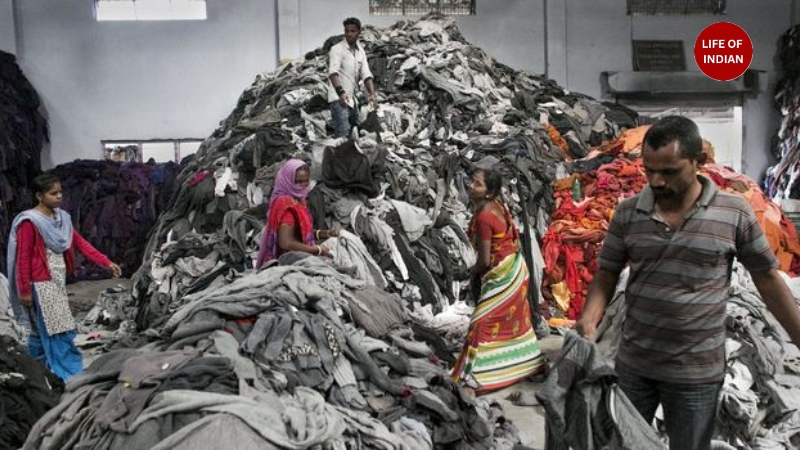
The journey of recycled cloth in Panipat is both fascinating and complex.
Step 1: Import of Used Clothes
Containers filled with second-hand garments arrive from different parts of the world and are transported to Panipat’s warehouses.
Step 2: Manual Sorting
Workers manually separate clothes based on:
- Colour
- Fabric type
- Quality
- Reusability
White fabrics are separated because they can be dyed into any colour, making them more valuable in the recycling process.
Step 3: Shredding and Yarn Production
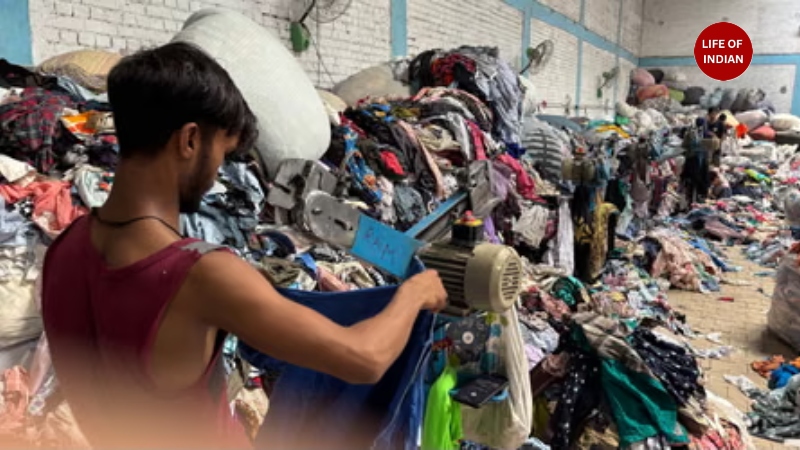
Machines shred garments into fibres and convert them into shoddy yarn and open-end yarn.
Step 4: Manufacturing
The yarn is used to make:
- Blankets
- Carpets
- Curtains
- Bed sheets
- Towels
- Bath mats
- Floor coverings
Even leftover dust is used for mattress filling and sofa stuffing, ensuring almost zero waste.
This circular economy model is what makes Panipat unique in the global textile industry.
Employment and Economic Backbone
Panipat’s recycling industry is not just about cloth — it is about people.
Lakhs of workers depend on this sector for their livelihood. Many estimates suggest that 3 lakh or more people work directly or indirectly in Panipat’s textile and recycling industry, while broader industry estimates indicate employment of several lakh workers across thousands of units.
The industry supports:
- Migrant workers from Bihar and Uttar Pradesh
- Local families
- Small traders
- Transporters
- Warehouse operators
- Export companies
For many families, textile recycling is the only source of income.
This industry has transformed Panipat from a small historical town into a major industrial and export hub.
India’s Role in Global Textile Waste Recycling
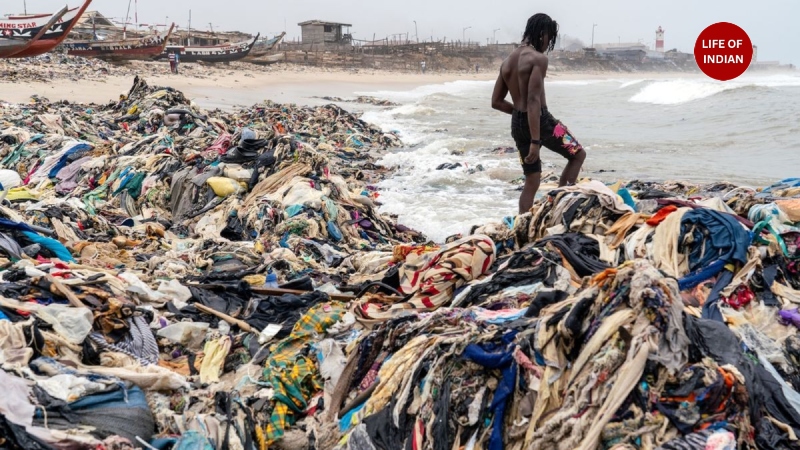
The global textile industry produces enormous waste every year.
- Around 92 million tonnes of textile waste is generated globally each year
- Only about 12% is recycled
- Textile waste is expected to increase significantly by 2030
- India generates nearly 8 million tonnes of textile waste annually
Panipat plays a crucial role in managing this waste by recycling discarded garments into useful products.
This makes the city an important part of the global sustainability ecosystem.
Instead of letting clothes end up in landfills, Panipat gives them a second life.
The Dark Side: Pollution and Environmental Crisis
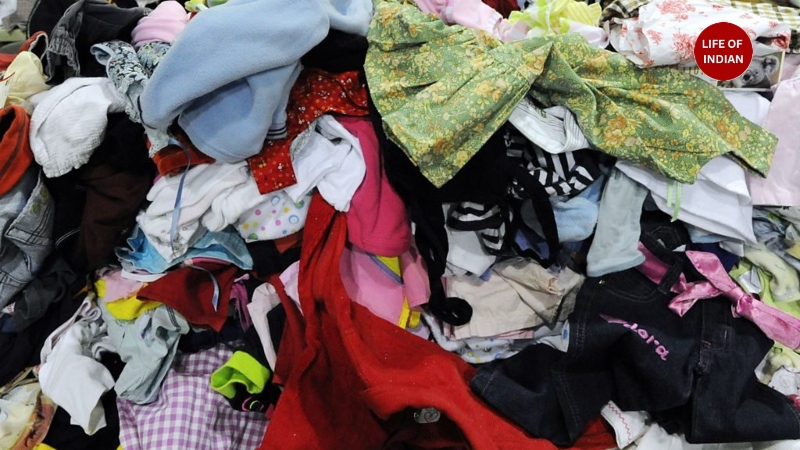
While Panipat’s recycling industry supports the economy, it has also created serious environmental concerns.
Many bleaching and dyeing units release chemically contaminated wastewater into drains and land, which eventually flows into the Yamuna River.
Investigations have found:
- Illegal bleaching units operating without permission
- Chemical wastewater discharged into open drains
- Groundwater contamination
- Pollution of agricultural land
- Environmental violations
The Haryana State Pollution Control Board has identified illegal bleaching units and taken action against several of them, recommending closure due to pollution risks.
This highlights the environmental cost of fast-fashion recycling.
Health Risks for Workers and Residents
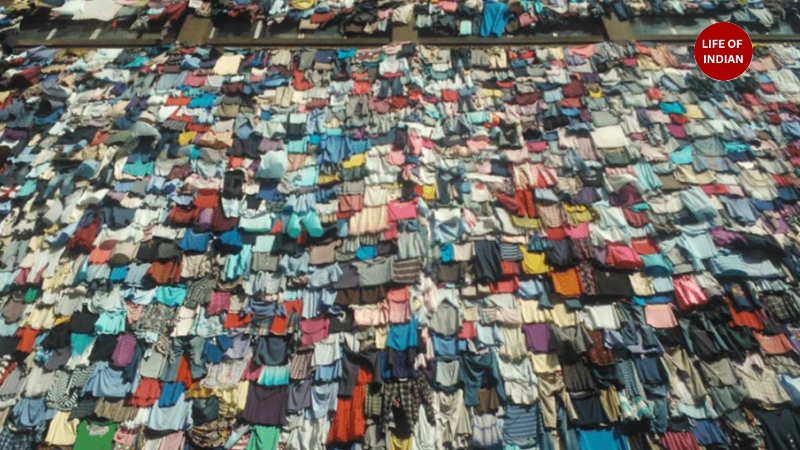
The textile recycling industry also poses serious health risks.
Workers in recycling units are exposed to:
- Microfibres
- Dust particles
- Chemical fumes
- Lint-filled air
Many reports highlight respiratory diseases, skin problems, and other health issues among workers and nearby residents.
Air pollution and toxic water contamination have become a major concern in the region.
Long-term exposure to such conditions can lead to serious health complications.
This raises an important question:
Is global fashion waste being managed at the cost of local health?
Bleaching and Dyeing: The Hidden Environmental Cost
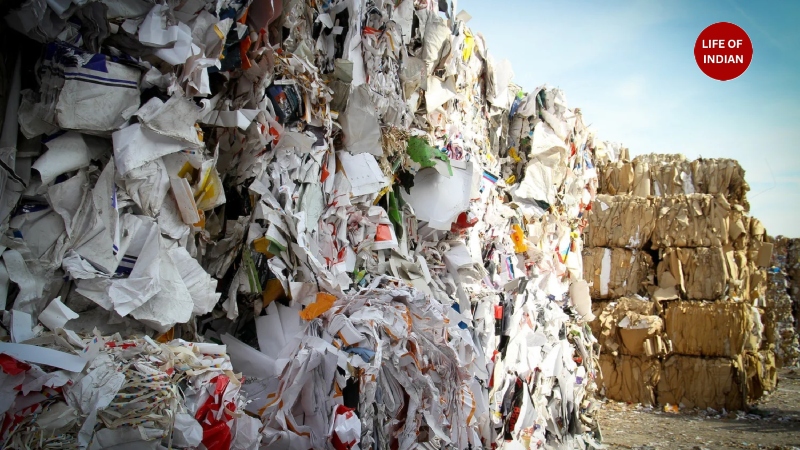
Bleaching and dyeing are among the most resource-intensive processes in textile recycling.
These processes require:
- Large amounts of water
- Chemicals
- Energy
- Effluent treatment systems
Without proper treatment, chemical wastewater contaminates soil and water.
Environmental regulations such as Zero Liquid Discharge (ZLD) are meant to control pollution, but enforcement remains a challenge in many small units.
This creates a gap between industrial growth and environmental protection.
Export Industry and Indian Railways Blankets
Panipat’s recycled textile products are used across India and globally.
One interesting fact is that many manufacturers produce recycled woollen blankets supplied to institutional buyers such as Indian Railways and government organizations.
These blankets are affordable and widely used.
This shows how recycled textiles contribute to large-scale supply chains and public services.
Sustainability vs Reality: A Global Ethical Debate
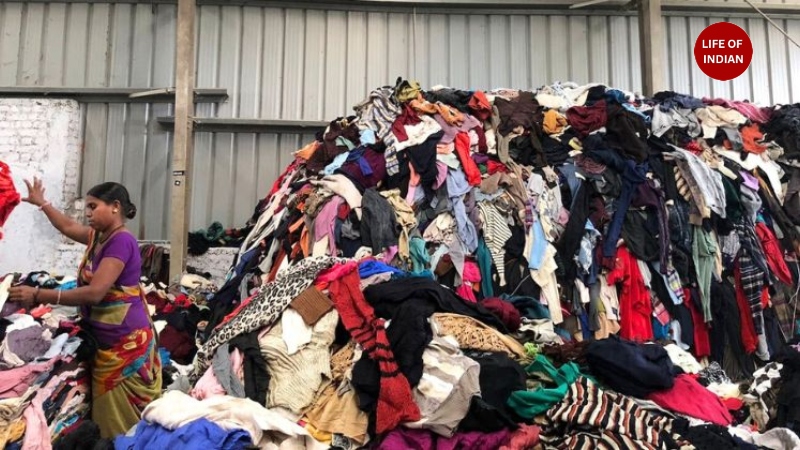
Panipat represents both hope and concern.
On one hand:
- Textile waste is recycled
- Employment is generated
- Exports increase
- Economy grows
On the other hand:
- Pollution increases
- Workers face health risks
- Environmental damage occurs
- Regulations are sometimes ignored
This creates a global ethical debate around fast fashion and recycling.
Developed countries export their textile waste, and developing regions process it — often bearing environmental and health costs.
Panipat stands at the center of this debate.
The Future of Panipat’s Textile Recycling Industry
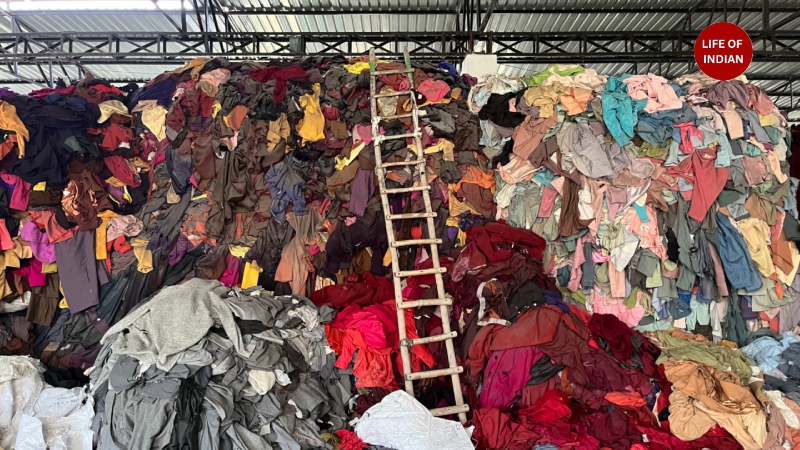
The future of Panipat depends on sustainable transformation.
Experts suggest:
- Cleaner recycling technologies
- Proper effluent treatment plants
- Strict pollution control
- Worker safety measures
- Government regulation
- Sustainable textile policies
If these steps are implemented, Panipat can become not just the Cloth Recycling Capital of the World, but also a sustainable textile model for the future.
Panipat is a city of contrasts.
It converts global waste into economic opportunity, provides livelihood to lakhs of workers, and contributes significantly to India’s textile exports.
At the same time, it faces serious environmental and health challenges.
The story of Panipat is not just about clothes — it is about people, survival, industry, and sustainability.
It shows how global consumption patterns affect local communities and how economic growth must be balanced with environmental responsibility.
Panipat is truly the Cloth Recycling Capital of the World, but its future depends on whether development and sustainability can move forward together.
FAQ
1. Why is Panipat called the cloth recycling capital of the world?
Panipat is called the cloth recycling capital because large quantities of discarded garments from countries like the US, UK, and Europe are recycled here into yarn, blankets, carpets, and home textile products.
2. How many people work in Panipat’s textile industry?
Around 3 lakh people are estimated to work directly or indirectly in Panipat’s textile and recycling sector, making it one of the largest employment hubs in Haryana.
3. Where do the discarded clothes in Panipat come from?
Used clothes are imported mainly from Europe, the United States, and other developed countries and arrive through ports like Kandla before reaching Panipat for recycling.
4. What products are made in Panipat’s textile recycling industry?
Panipat produces blankets, carpets, curtains, bed sheets, yarn, towels, bath mats, and other home furnishing products from recycled textile waste.
5. What are the environmental concerns in Panipat’s textile industry?
Major concerns include illegal bleaching units, chemical wastewater discharge, air pollution, and health risks for workers due to exposure to dust and chemicals.
6. How does Panipat contribute to global textile waste management?
Panipat helps recycle global textile waste by converting discarded garments into reusable products, reducing landfill waste and supporting the circular textile economy.