


Ram Navami is not just a religious festival; it is a living expression of India’s deep spiritual and cultural diversity. From the sacred ghats of Ayodhya to the temples of South India and the community celebrations in eastern and western regions, the festival is celebrated in unique and meaningful ways across the country. Each state, city, and temple adds its own traditions, rituals, and devotional practices, making Ram Navami a truly nationwide spiritual celebration.
What makes this festival even more special is the combination of regional customs and common religious traditions that unite millions of devotees under one spiritual belief — devotion to Lord Rama and the values he represents. While some regions focus on grand processions and temple rituals, others emphasize fasting, charity, Ramayana recitation, and cultural programs. These celebrations not only reflect religious faith but also highlight India’s rich cultural heritage and unity in diversity.
Understanding how Ram Navami is celebrated in different parts of India and what rituals devotees follow helps us see the deeper spiritual meaning behind the festival. It shows how faith, tradition, and devotion come together to create a powerful and emotional connection between people and their spiritual beliefs.
Ram Navami: The Divine Birth of Lord Rama and the Spiritual Meaning Behind This Sacred Festival
Celebrations Across India

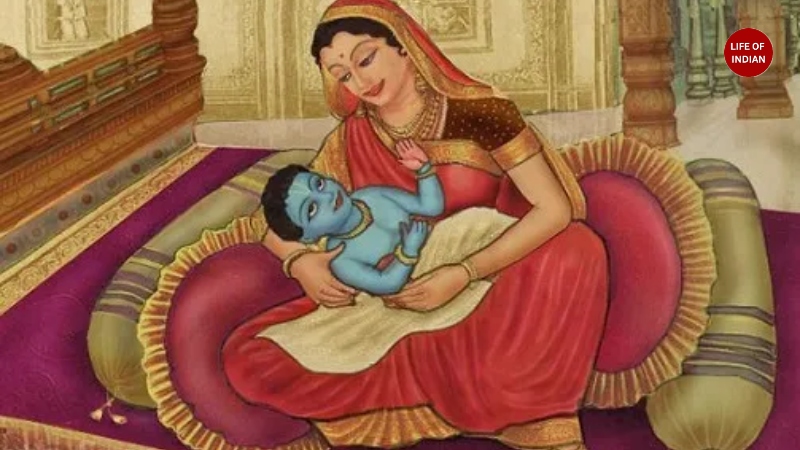
The celebration of Ram Navami reflects the cultural and spiritual diversity of India. While the core belief remains the same—the birth celebration of Lord Rama—different regions observe the festival in their own unique and traditional ways. From temple prayers and devotional music in North India to sacred offerings and rituals in South India, Ram Navami unites millions of devotees under a common spiritual belief while allowing regional traditions to flourish. These diverse celebrations highlight how deeply Lord Rama’s teachings are rooted in Indian culture and society.
North India – Devotional Bhajans and Ramayana Recitations
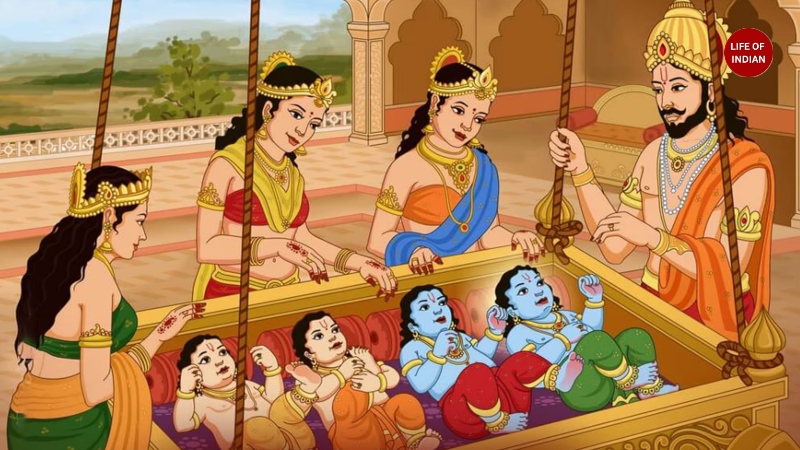
In North India, Ram Navami is celebrated with deep religious devotion and spiritual enthusiasm. Temples and homes are beautifully decorated with flowers, lights, and sacred symbols, creating a peaceful and divine atmosphere. Devotees gather in temples to sing bhajans and kirtans dedicated to Lord Rama, filling the surroundings with devotional music and spiritual energy. The sound of conch shells and temple bells adds to the sacred environment, making the day emotionally and spiritually uplifting.
One of the most important traditions in North India is the recitation of the Ramayana. Religious scholars and priests narrate the life and teachings of Lord Rama, and devotees listen with deep faith and devotion. These recitations help people understand the moral values and spiritual lessons of the Ramayana, inspiring them to follow the path of truth, discipline, and righteousness in their daily lives.
South India – Temple Rituals and Sacred Offerings
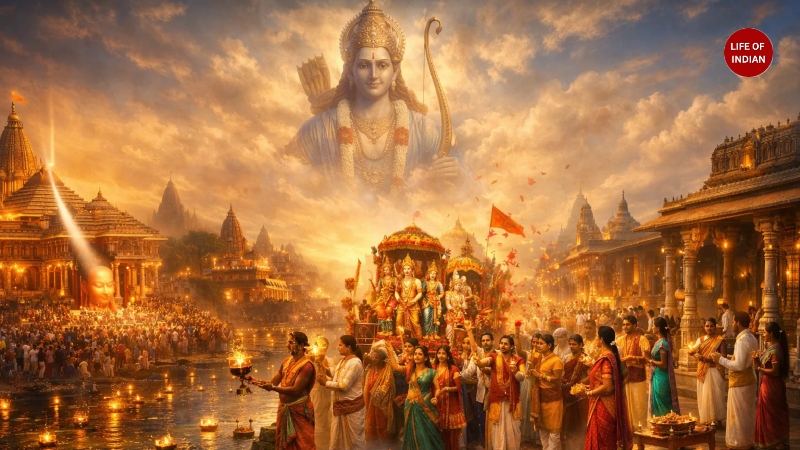
In South India, Ram Navami is celebrated with elaborate temple rituals and traditional offerings that reflect deep spiritual devotion. Devotees visit temples early in the morning to participate in special prayers and puja ceremonies dedicated to Lord Rama and Goddess Sita. Priests perform sacred rituals, chant Vedic mantras, and offer flowers, fruits, and holy water to the deity.
One of the unique traditions followed in South India is the preparation and offering of Panakam, a sweet drink made from jaggery, water, and spices. This sacred offering is distributed among devotees as prasad and is believed to bring blessings and spiritual purification. The celebration in South India emphasizes simplicity, devotion, and discipline, creating a peaceful and sacred environment in temples and homes.
Maharashtra – Community Celebrations and Processions
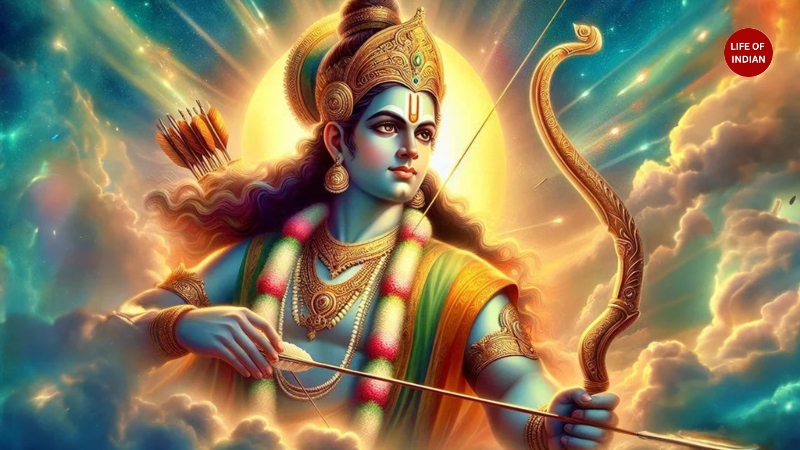
In Maharashtra, Ram Navami is celebrated with strong community participation and religious enthusiasm. Devotees organize processions, temple gatherings, and devotional programs that bring people together in a spirit of unity and faith. Bhajans, kirtans, and spiritual discourses are held in temples and community centers, where people gather to celebrate the divine birth of Lord Rama.
Community celebrations play a significant role in Maharashtra, as people come together to organize charity events, distribute food to the needy, and participate in religious activities. The atmosphere is filled with devotion and cultural pride, reflecting the strong spiritual connection people have with Lord Rama and his teachings.
Eastern India – Cultural Programs and Devotional Gatherings
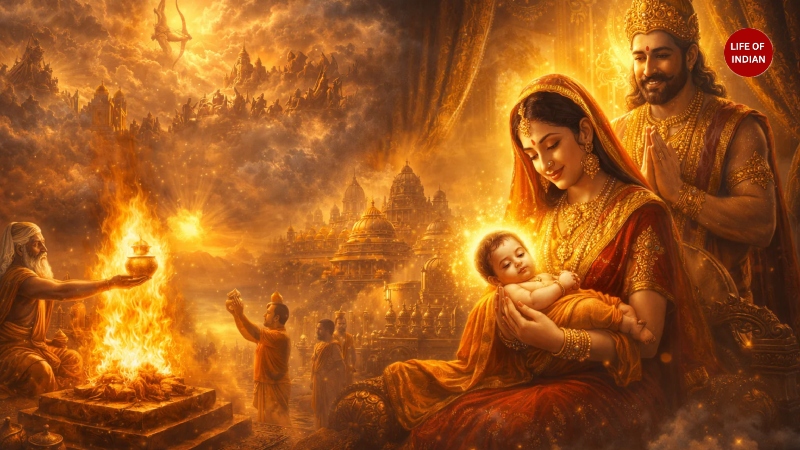
In the eastern regions of India, especially in states like West Bengal and Odisha, Ram Navami is celebrated with cultural programs, devotional songs, and community gatherings. Temples and religious organizations organize spiritual discourses, Ramayana recitations, and devotional music events that attract large numbers of devotees.
The festival in Eastern India combines religious devotion with cultural expression, as communities come together to celebrate through music, storytelling, and traditional rituals. Processions and temple prayers create a vibrant and spiritual atmosphere, highlighting the cultural richness of the region.
Regional and Key Celebrations of Ram Navami Across India
Ayodhya, Uttar Pradesh – The Spiritual Heart of Ram Navami
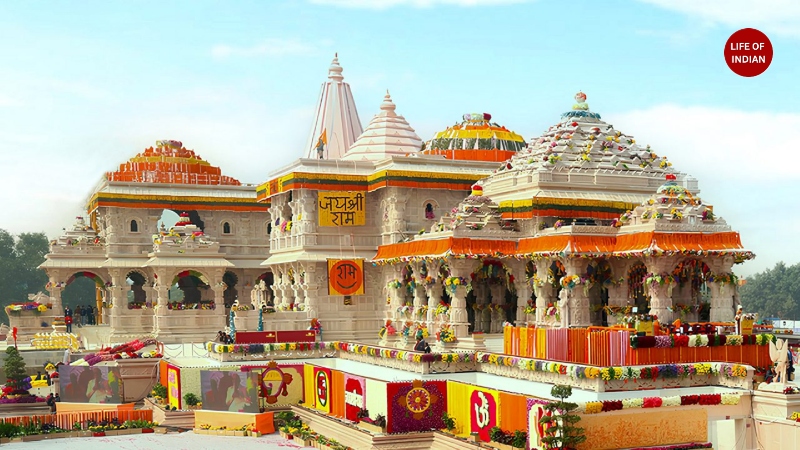
Ayodhya, believed to be the birthplace of Lord Rama, becomes the center of devotion and celebration during Ram Navami. The entire city transforms into a spiritual hub where thousands of devotees gather to celebrate the divine birth of Lord Rama with deep faith and enthusiasm. Pilgrims from different parts of India visit Ayodhya to take a holy dip in the sacred Saryu River, which is considered purifying and spiritually uplifting. The temples are decorated with flowers and lights, and continuous chanting of Ramayana verses fills the atmosphere with devotion.
Grand processions known as Ratha Yatras are organized across the city, where beautifully decorated idols of Lord Rama are placed in cradles to symbolize his divine birth. Devotees participate in bhajans, kirtans, and temple rituals throughout the day. The Ram Mandir becomes the focal point of spiritual activities, attracting a massive crowd of worshippers. The celebration in Ayodhya reflects the deep emotional and religious connection that people have with Lord Rama and his birthplace.
Bhadrachalam, Telangana – The Sacred Kalyanotsavam Tradition
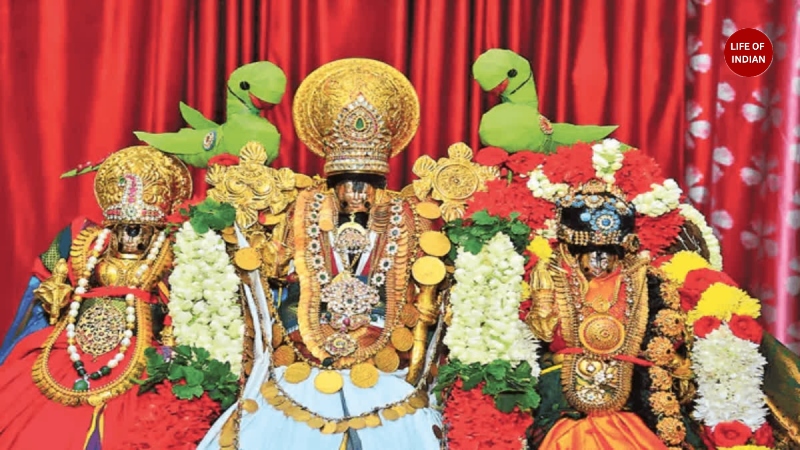
Bhadrachalam in Telangana is another important place where Ram Navami is celebrated with unique religious traditions. The famous Sri Sita Ramachandra Swamy Temple organizes the Kalyanotsavam ceremony, which represents the divine wedding of Lord Rama and Goddess Sita. This sacred ritual holds great importance and attracts thousands of devotees every year who come to witness and participate in the ceremony.
The Kalyanotsavam symbolizes the spiritual union of Rama and Sita and reflects the values of love, devotion, and marital harmony in Hindu tradition. The temple becomes a center of grand celebrations, with special pujas, devotional songs, and religious rituals conducted throughout the day. The atmosphere in Bhadrachalam during Ram Navami is filled with devotion and cultural pride, making it one of the most important Ram Navami destinations in South India.
Rameswaram, Tamil Nadu – Pilgrimage and Sacred Temple Rituals
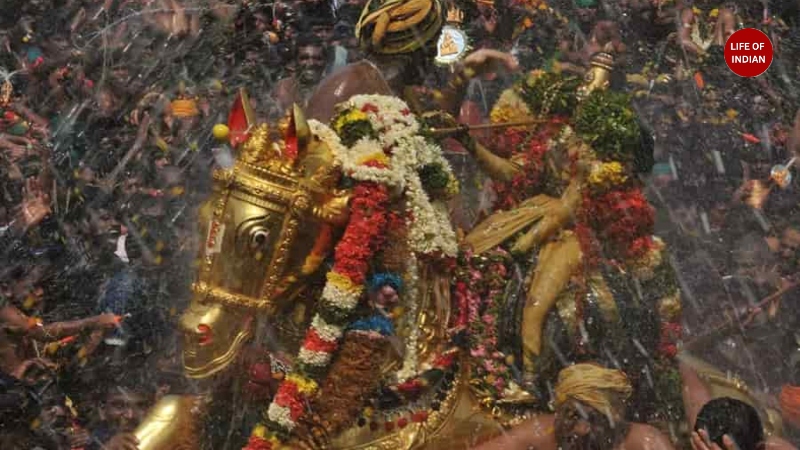
In Rameswaram, Ram Navami is celebrated with deep religious devotion, especially at the historic Ramanathaswamy Temple. This sacred place is closely associated with Lord Rama and his journey during the Ramayana period. During Ram Navami, thousands of pilgrims visit the temple to perform special rituals and offer prayers, seeking blessings and spiritual peace.
The temple is beautifully decorated, and religious ceremonies are conducted throughout the day. Devotees participate in sacred baths, prayers, and chanting of Ramayana verses. The coastal town becomes a center of spiritual activity, and the festival reflects the deep-rooted faith of South Indian devotees in Lord Rama. The peaceful and devotional environment of Rameswaram makes Ram Navami celebrations spiritually enriching for pilgrims.
One Festival, Many Names: How India Celebrates Hindu New Year Differently
Bengaluru, Karnataka – Classical Music and Cultural Devotion
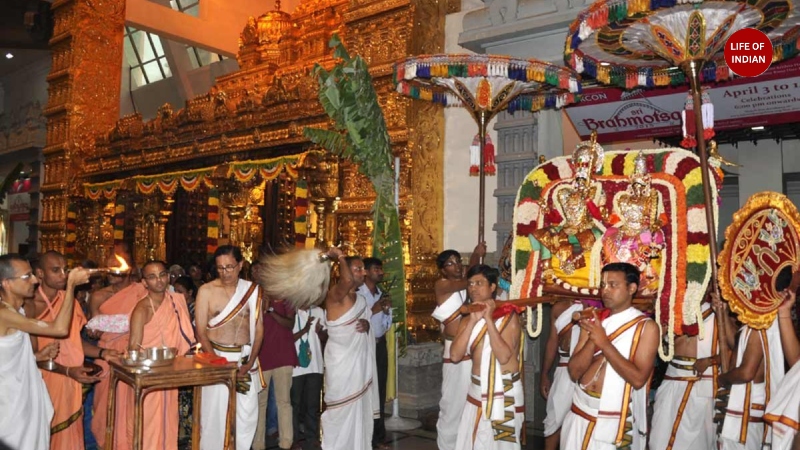
Bengaluru celebrates Ram Navami with a unique blend of spirituality and cultural heritage. The Sree Ramaseva Mandali in Chamrajpet organizes a prestigious month-long classical music festival during the Ram Navami period. This festival attracts renowned classical musicians and spiritual followers from across India, making it one of the most respected cultural events in the country.
The celebrations combine devotional music, spiritual discourses, and religious programs, creating a peaceful and inspiring atmosphere. The focus here is not only on rituals but also on preserving Indian classical music and cultural traditions. This unique style of celebration shows how Ram Navami connects spirituality with art and cultural expression.
Maharashtra – Ram Navami as Part of Chaitra Navratri
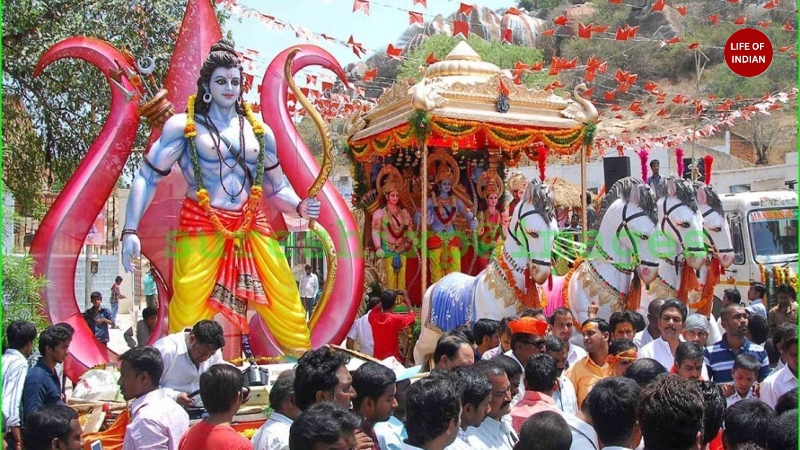
In Maharashtra, Ram Navami is celebrated as an important part of the nine-day Chaitra Navratri festival. Devotees observe fasting, perform daily prayers, and participate in temple rituals throughout the Navratri period. The final day of Ram Navami marks the divine birth of Lord Rama and is celebrated with special pujas, bhajans, and community gatherings.
Temples are decorated with flowers, and religious programs are organized to honor Lord Rama. Devotees gather in large numbers to listen to Ramayana recitations and participate in spiritual activities. The celebration reflects deep devotion and cultural unity, making Ram Navami an important spiritual occasion in Maharashtra.
Bihar – Sitamarhi and Cultural Devotion
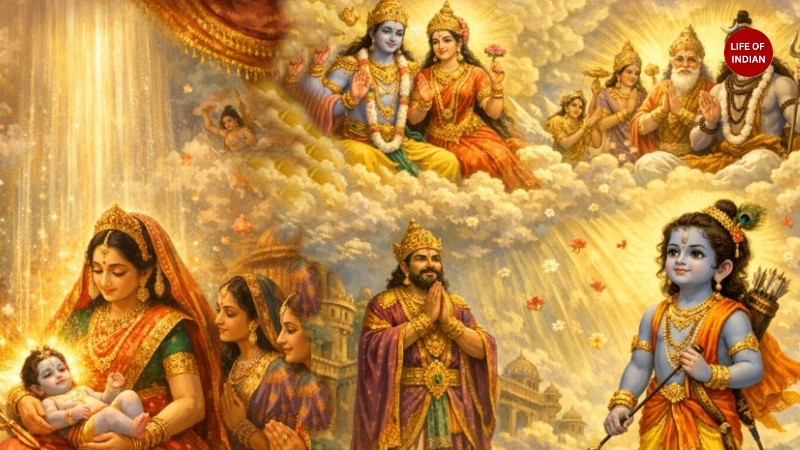
In Bihar, especially in Sitamarhi, Ram Navami holds special significance because the region is believed to be the birthplace of Goddess Sita. Devotees celebrate the festival with grand temple rituals, processions, and community prayers, honoring both Lord Rama and Goddess Sita.
The celebrations include devotional songs, Ramayana recitations, and religious gatherings that bring communities together. The spiritual atmosphere reflects the deep-rooted cultural and religious traditions of Bihar, where faith in Lord Rama and Sita remains strong even today.
West Bengal – Community Processions and Devotional Gatherings
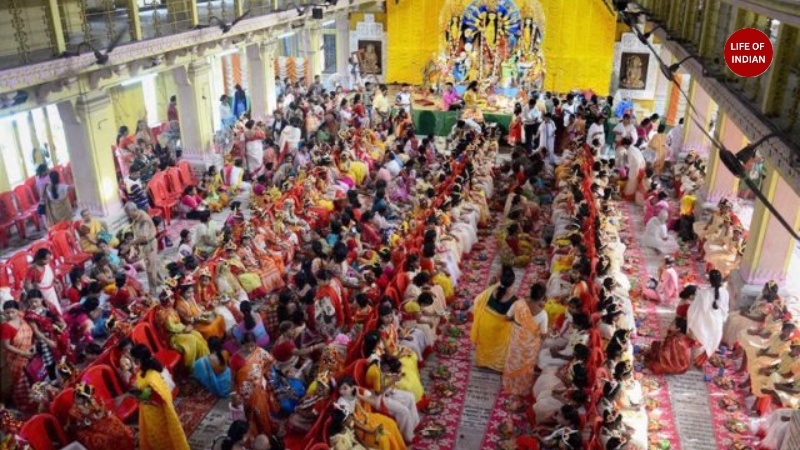
In West Bengal, Ram Navami has become an important religious and cultural celebration in recent years. Large community processions, temple pujas, and devotional gatherings are organized across various cities and towns. Thousands of devotees participate in processions carrying religious flags and chanting devotional slogans, creating a vibrant and energetic atmosphere.
Temples organize special prayers and cultural programs, and communities come together to celebrate the festival with devotion and unity. The growing popularity of Ram Navami in West Bengal reflects the expanding cultural influence of the festival across different regions of India.
FAQ
1. When is Ram Navami in 2026?
Ram Navami in 2026 will be celebrated on March 27, 2026, marking the birth anniversary of Lord Rama.
2. Why is Ram Navami celebrated?
Ram Navami is celebrated to honor the birth of Lord Rama, the seventh incarnation of Lord Vishnu, who symbolizes truth, righteousness, and dharma.
3. How is Ram Navami celebrated in India?
Ram Navami is celebrated with fasting, temple pujas, Ramayana recitation, charity, processions, and special celebrations in places like Ayodhya and other religious cities.
4. Is fasting compulsory on Ram Navami?
Fasting is not compulsory, but many devotees observe a day-long fast to seek blessings and spiritual purification.
5. What is the significance of Ram Navami?
Ram Navami represents the victory of good over evil and reminds people to follow the values of truth, discipline, and righteousness taught by Lord Rama.
6. Where is Ram Navami celebrated in the grandest way?
The grandest celebrations take place in Ayodhya, the birthplace of Lord Rama, where thousands of devotees gather for prayers and processions.