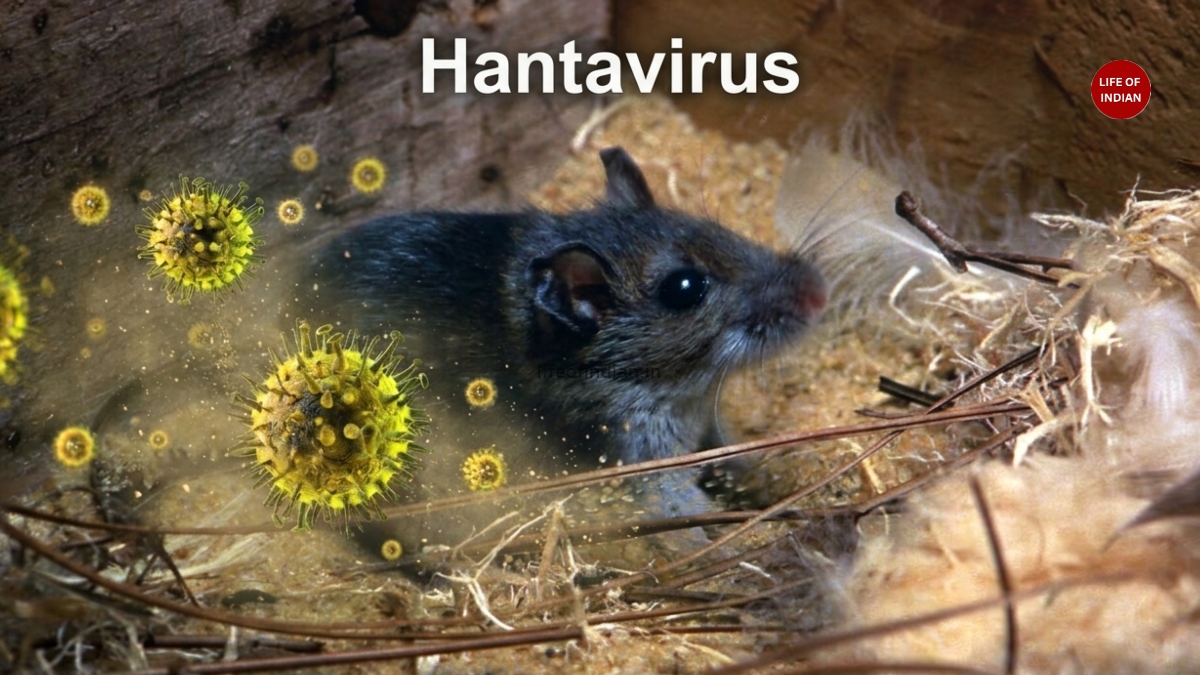
In a world that has only recently begun to recover from global pandemics, news of another virus naturally creates concern. Recently, reports of deaths linked to Hantavirus infection on a cruise ship have once again brought this lesser-known but dangerous virus into the spotlight.
While it is not a new virus, its high fatality rate and unusual transmission method make it important to understand. Unlike many viral infections, Hantavirus does not spread easily from person to person—but when it does infect humans, it can be severe and sometimes life-threatening. This is not a virus to panic about—but it is definitely one to understand.
What Exactly Is Hantavirus?
Hantavirus is not a single virus, but a group (family) of viruses that are primarily carried by rodents such as mice and rats. These viruses can cause serious diseases in humans, mainly affecting:
- The lungs (Hantavirus Pulmonary Syndrome – HPS)
- The kidneys (Hemorrhagic Fever with Renal Syndrome – HFRS)
The most concerning form is HPS, which directly impacts the lungs and can make breathing extremely difficult. Although rare, the severity of the infection is what makes Hantavirus dangerous.
How Does Hantavirus Spread to Humans?
One of the most unique aspects of Hantavirus is its method of transmission. It spreads through a process called aerosolization, which means:
When infected rodents leave behind urine, droppings, or saliva, these substances can dry out and mix with dust particles. When this dust becomes airborne and is inhaled by humans, the virus can enter the lungs.
Other ways of transmission include:
- Touching contaminated surfaces and then touching your face
- Direct contact with infected rodents
- Rarely, rodent bites
This means that the virus is more likely to spread in places where:
- Cleanliness is poor
- Rodent infestation is common
- Old or closed spaces are being cleaned
Can It Spread From Person to Person?
Unlike COVID-19, Hantavirus is not generally contagious between humans. This is an important relief. However, in very rare cases—particularly with the Andes strain in South America—limited human-to-human transmission has been observed. But these cases are extremely uncommon. In most situations, rodent exposure remains the primary cause.
Early Symptoms: Why It Can Be Misleading
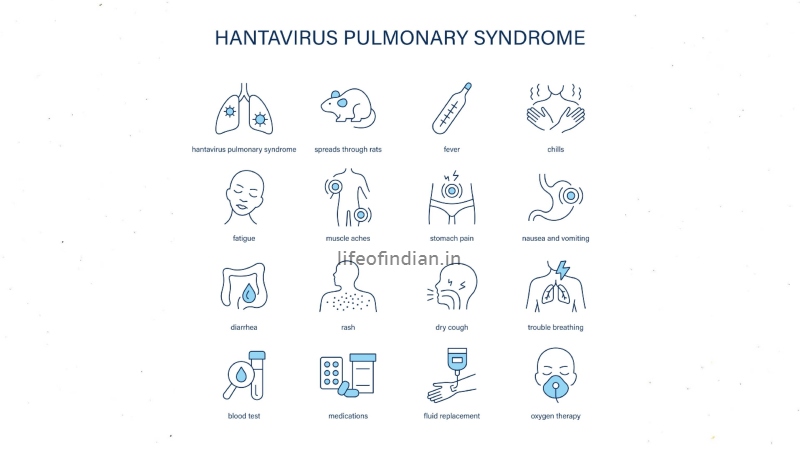
One of the biggest challenges with Hantavirus is that its early symptoms look very similar to common illnesses like flu or food poisoning.
Initial symptoms may include:
- Fever and chills
- Muscle aches (especially back and legs)
- Headache and fatigue
- Dizziness
- Nausea, vomiting, or diarrhea
Because these symptoms are common, many people may ignore them in the early stages.
When the Infection Becomes Serious
After 4 to 10 days, the condition can suddenly worsen, especially in cases of HPS.
At this stage, symptoms may include:
- Fluid accumulation in the lungs
- Severe difficulty in breathing
- Persistent cough
- Low blood pressure
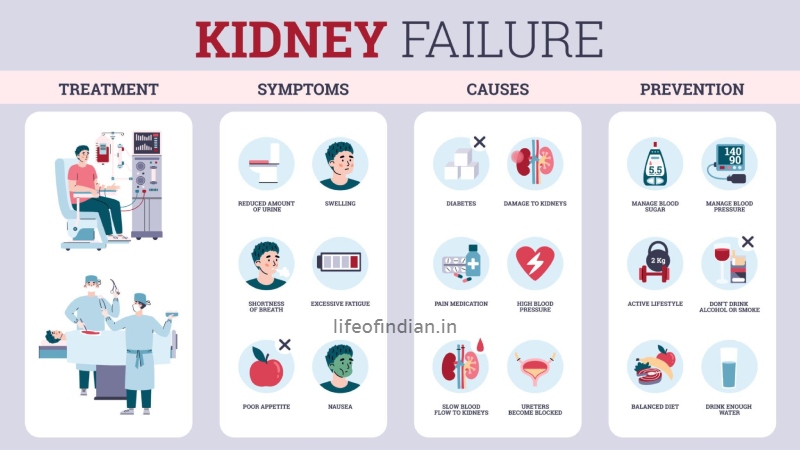
- Organ failure (especially kidneys in HFRS cases)
Patients often describe the breathing difficulty as feeling like something heavy is pressing on their chest. This stage is critical and requires immediate medical attention.
How Dangerous Is Hantavirus?
Hantavirus is considered highly dangerous due to its fatality rate.
According to global health data:
- The death rate for Hantavirus Pulmonary Syndrome (HPS) is approximately 38% to 40%
This means that in severe cases, nearly 4 out of 10 infected individuals may not survive. However, early medical care significantly improves survival chances.
Is There Any Treatment or Vaccine?
Currently, there are:
- No specific antiviral drug
- No approved vaccine
Treatment is mainly supportive care, which includes:
- Oxygen therapy
- Ventilator support
- Intensive care monitoring
- ECMO (in severe lung failure cases)
The earlier the patient receives medical attention, the better the outcome.
Prevention: The Most Important Protection
Since there is no cure, prevention becomes the only effective defense.
Key precautions include:
- Keep your home clean and free from rodents
- Seal holes and gaps in walls, doors, and floors
- Store food in airtight containers
- Avoid sweeping dry rodent droppings (this spreads virus particles)
- Use disinfectants or bleach solution before cleaning
If cleaning old or closed spaces:
- Wear an N95 mask
- Use gloves
- Ensure proper ventilation
Are Masks and Sanitizers Effective?
Yes, they can help significantly. Hantavirus has a fragile outer layer (lipid envelope), which means:
- Soap and detergent can easily destroy it
- Alcohol-based sanitizers are effective
- Masks reduce inhalation of contaminated particles
These simple measures can greatly reduce risk.
When Should You See a Doctor?
You should seek medical help immediately if:
- You were in a rodent-infested area
- You develop fever and body pain
- You begin to experience breathing difficulty
Always inform the doctor about possible rodent exposure, as it helps in early diagnosis.
Can Pets Spread Hantavirus?
There is some relief here. Domestic animals like:
- Dogs
- Cats
- Cattle
do not spread Hantavirus directly to humans. However, pets may bring infected rodents into the home, which can increase indirect exposure risk.
Is It Just Food Poisoning?
In many cases, early symptoms like vomiting and stomach pain can be confused with food poisoning. But there is a key difference:
- Food poisoning usually improves within 1–2 days
- Hantavirus symptoms persist and worsen, especially with breathing issues
If symptoms continue and breathing becomes difficult, it should not be ignored.
Should You Be Worried?
Hantavirus is serious but not highly contagious like pandemic viruses. It does not spread easily between people, and outbreaks are usually limited to specific environments where rodent exposure is high.
The real risk lies in:
- Lack of awareness
- Poor hygiene
- Ignoring early symptoms
With proper knowledge and basic precautions, the risk can be greatly minimized.
Awareness Is the Best Protection
Hantavirus reminds us of an important truth—
not all dangerous diseases spread fast, but some can be deadly if ignored.
It is not a reason to panic, but a reason to stay informed. Simple habits like cleanliness, awareness, and early action can make all the difference. Because when it comes to health, prevention is always stronger than a cure.
FAQ
Q1. What is Hantavirus?
Hantavirus is a group of viruses that spread through infected rodents and can cause serious diseases affecting the lungs (HPS) or kidneys (HFRS).
Q2. How does Hantavirus spread?
It spreads mainly through inhaling air contaminated with rodent urine, droppings, or saliva. It can also spread through direct contact with infected surfaces.
Q3. What are the early symptoms of Hantavirus?
Early symptoms include fever, muscle pain, headache, fatigue, nausea, and vomiting, which often resemble flu.
Q4. How dangerous is Hantavirus?
Hantavirus can be very dangerous. In severe cases like HPS, the death rate is around 38–40%.
Q5. Is there any treatment or vaccine for Hantavirus?
There is no specific cure or vaccine available. Treatment mainly includes supportive care like oxygen therapy and hospitalization.