
Neck pain has become one of the most common health issues today, especially due to long hours spent on mobile phones and laptops. Many people immediately assume that any neck discomfort is cervical spondylosis, but that is not always true.
Understanding the difference between simple muscle strain and cervical spondylosis is important, as early identification can help prevent long-term complications. With the right knowledge, posture correction, and simple exercises, this condition can be effectively managed.
Just 150 Minutes of Exercise a Week Can Boost Health and Longevity, Study Finds
What is Cervical Spondylosis?

Cervical spondylosis is a condition related to the wear and tear of the cervical spine, which is the upper part of the backbone located in the neck.
The cervical spine consists of seven vertebrae, discs, and joints that support the head and allow movement. As a person ages or due to prolonged strain, these structures may weaken or degenerate, leading to pain and stiffness.
While aging is a natural cause, modern lifestyle habits—especially poor posture—have made this condition common even among younger individuals.
How to Identify Cervical Spondylosis

Not every neck pain is cervical spondylosis. However, certain symptoms can help you identify it more accurately.
The most common symptom is persistent neck pain, but it is often accompanied by stiffness, making it difficult to move the neck freely. Many people also experience headaches, especially starting from the back of the head.
In more noticeable cases, the pain may radiate to the shoulders and arms, sometimes with tingling, numbness, or a pins-and-needles sensation. These symptoms indicate nerve involvement and should not be ignored.
Recognizing these signs early can help you avoid confusion and take timely action.
The Role of Posture in Cervical Pain

One of the biggest reasons behind cervical issues today is poor posture.
Spending long hours bending over screens puts continuous pressure on the cervical spine. Over time, this strain leads to stiffness, discomfort, and eventually chronic pain.
Correcting posture is the first and most important step toward relief. Keeping your screen at eye level, sitting with a straight back, and avoiding prolonged neck bending can significantly reduce symptoms.
Making small adjustments in your daily routine can lead to noticeable improvement within days.
Exercises That Help Relieve Cervical Pain
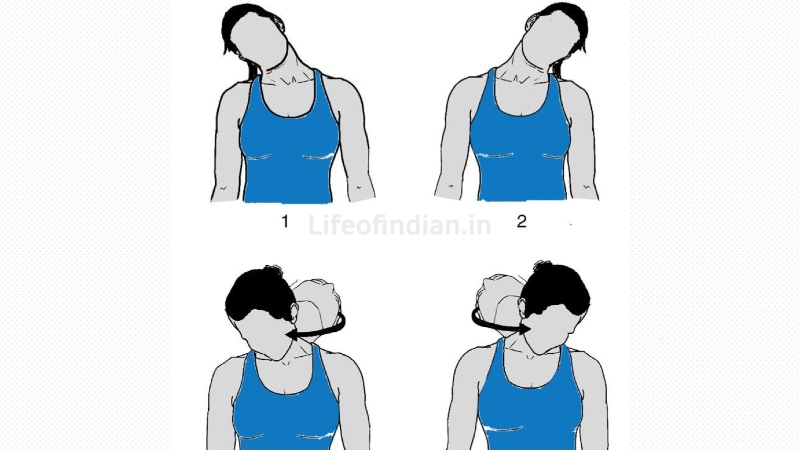
Regular movement and targeted exercises play a crucial role in managing cervical spondylosis. These exercises improve flexibility, reduce stiffness, and strengthen the neck muscles.
Simple movements like neck rotation, where you gently turn your head from side to side, can ease stiffness. The chin tuck exercise helps align the spine and reduce forward neck posture, while shoulder rolls release tension in the upper body.
These exercises should be performed slowly and under proper guidance, especially if the pain is severe. Consistency is key—regular practice can bring long-term relief.
Medications and Therapy

In cases where pain becomes intense, doctors may recommend medications such as anti-inflammatory drugs or muscle relaxants to reduce discomfort.
Topical gels or heat patches can also provide temporary relief. However, it is important to understand that medications address symptoms, not the root cause.
For long-term improvement, physiotherapy and lifestyle changes remain essential.
Hot and Cold Therapy for Quick Relief

Applying hot and cold compresses is a simple yet effective way to manage cervical pain.
Heat therapy helps relax tight muscles and improves blood circulation, reducing stiffness. On the other hand, cold therapy helps reduce inflammation and swelling.
Alternating between hot and cold compresses during the day can provide quick and noticeable relief.
Lifestyle Changes That Make a Difference

Managing cervical spondylosis is not just about treatment—it is about changing daily habits.
Avoid carrying heavy weight on one shoulder, use a supportive pillow while sleeping, and choose a mattress that supports your spine. Taking regular breaks during work and staying physically active are equally important.
Maintaining a healthy body weight and avoiding sudden jerky neck movements can further prevent worsening of the condition.
When is Advanced Treatment Needed?

In most cases, cervical spondylosis can be managed with simple methods. However, if the pain persists or worsens, advanced treatments may be required.
These may include pain-relief injections, nerve-related procedures, or minimally invasive techniques. Surgery is usually considered only in severe cases involving neurological complications.
Timely diagnosis plays a crucial role in avoiding such situations.
When Should You See a Doctor?

Mild neck pain can often be managed at home, but certain symptoms require medical attention.
If the pain becomes severe, spreads to the arms, or is accompanied by numbness or weakness, it is important to consult a doctor immediately. Ignoring these signs may lead to serious complications.
Early intervention ensures better recovery and prevents long-term damage.
Cervical spondylosis is a common yet manageable condition. The key lies in early identification, correct posture, regular exercise, and a healthy lifestyle.
Not every neck pain is cervical, but understanding the difference can help you take the right steps at the right time.
With simple changes and proper care, you can not only reduce pain but also improve your overall quality of life.
FAQ
1. How do I know if my neck pain is cervical spondylosis?
If your neck pain is accompanied by stiffness, headaches, or tingling in arms, it may indicate cervical spondylosis.
2. What are the main causes of cervical spondylosis?
Aging, poor posture, long screen time, and lack of physical activity are the most common causes.
3. Can cervical spondylosis be cured permanently?
It cannot be completely reversed, but it can be effectively managed with exercises, posture correction, and lifestyle changes.
4. Which exercises help in cervical pain relief?
Neck rotation, chin tuck, and shoulder roll exercises are highly effective when done regularly.
5. When should I consult a doctor for neck pain?
If pain is severe, persistent, or causes numbness and weakness in arms, medical consultation is necessary.