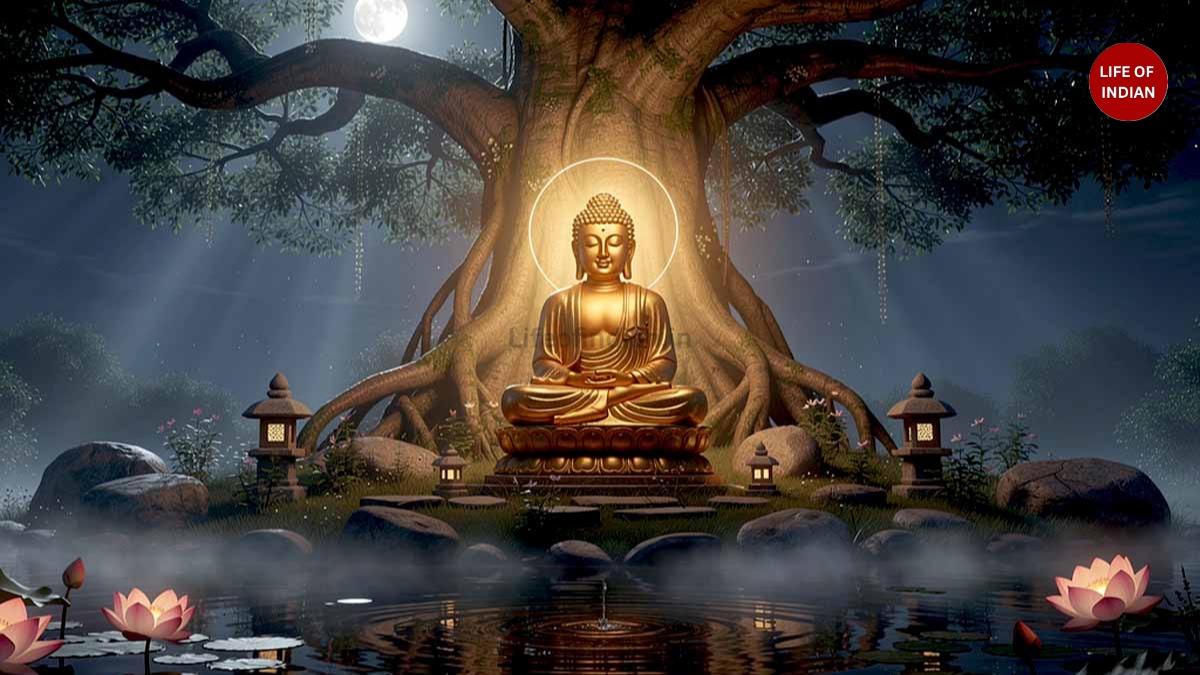
Buddha Purnima: Buddha Purnima is not just a festival—it is a quiet reminder of truth, peace, and inner awakening. Celebrated on the full moon day of the Vaishakha month, this sacred occasion marks three of the most important events in the life of Gautama Buddha—his birth, enlightenment, and Mahaparinirvana.
What makes this day unique is not only its spiritual importance but also the timeless relevance of Buddha’s teachings in today’s fast-paced, restless world. In a time when people are searching for peace, meaning, and clarity, Buddha Purnima offers something deeper—a path to understanding life itself.
Buddha Purnima: Why Buddha Purnima Is More Than Just a Festival
The Historical Roots of Buddha Purnima
The story of Buddha Purnima begins more than 2,500 years ago. Gautama Buddha was born as Prince Siddhartha in Lumbini (present-day Nepal) around the 6th century BCE. He was raised in luxury, protected from the harsh realities of life. But everything changed when he stepped outside the palace and witnessed suffering—old age, sickness, and death.
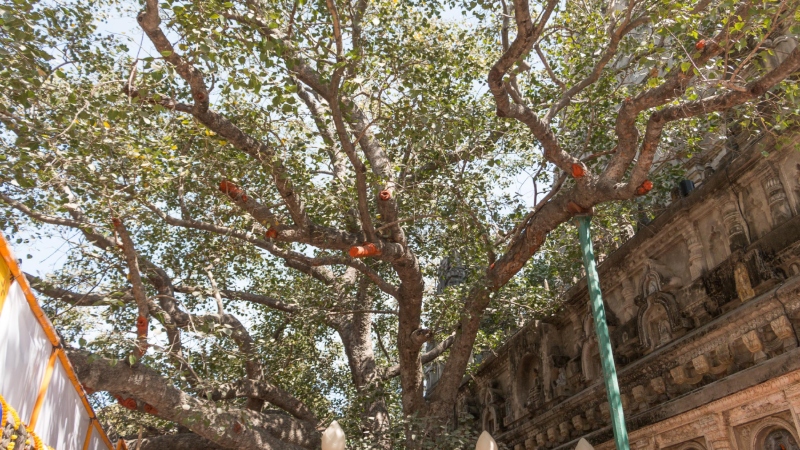
These experiences shook him deeply and led him to renounce his royal life in search of truth. After years of meditation and self-discovery, he attained enlightenment under the Bodhi tree at Bodh Gaya.
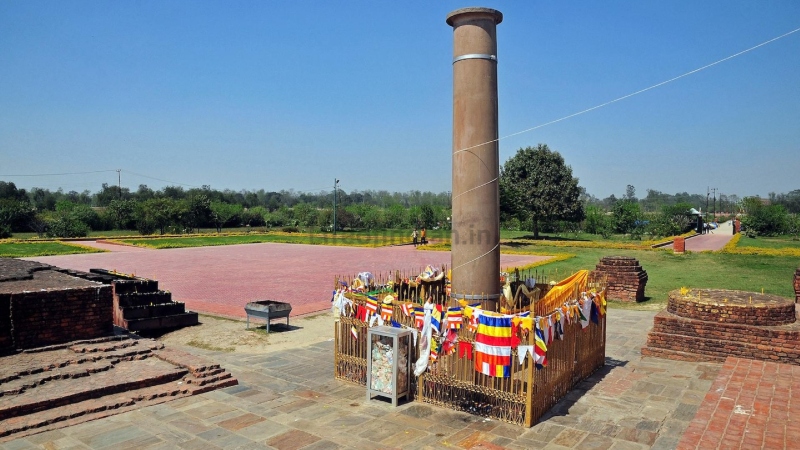
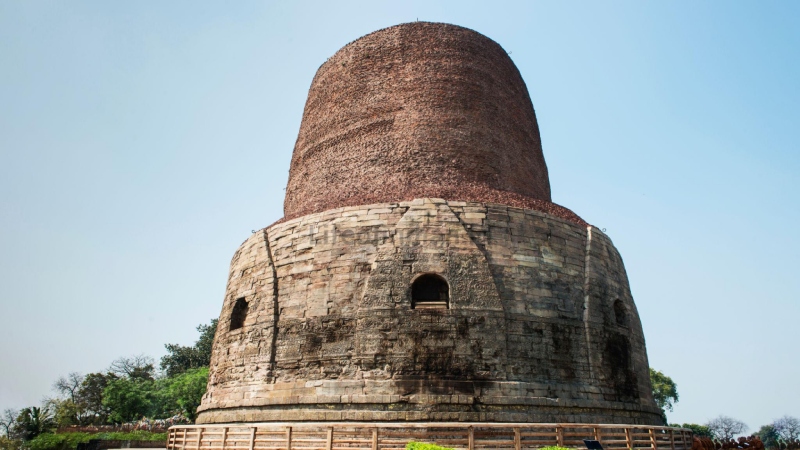
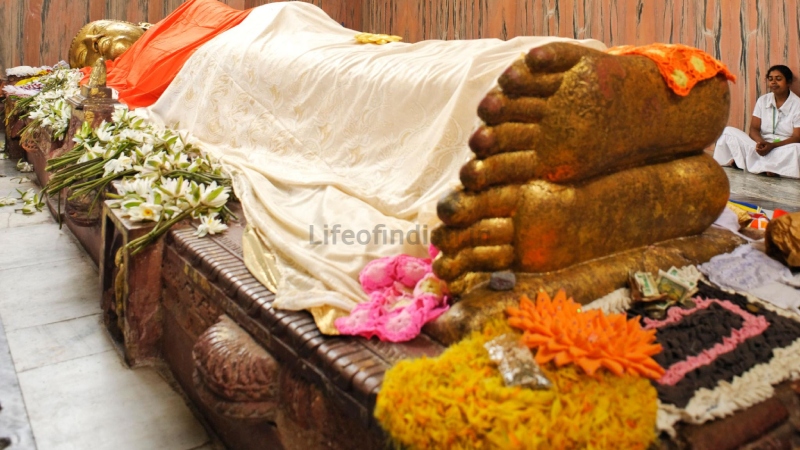
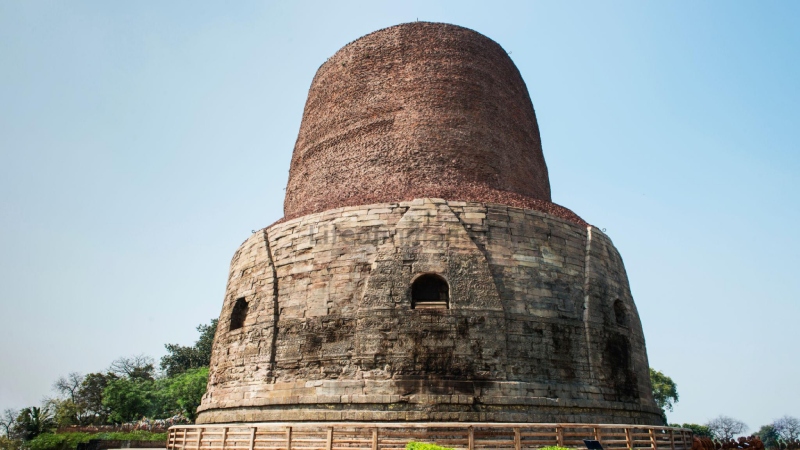
After enlightenment, Buddha spent his life teaching others the path to liberation. His first sermon was delivered at Sarnath, where he shared the foundation of his philosophy. Finally, he attained Mahaparinirvana at Kushinagar.
Remarkably, all these key events are believed to have occurred on the same full moon day, which is why Buddha Purnima holds such deep spiritual significance.
The Deeper Meaning of Buddha Purnima
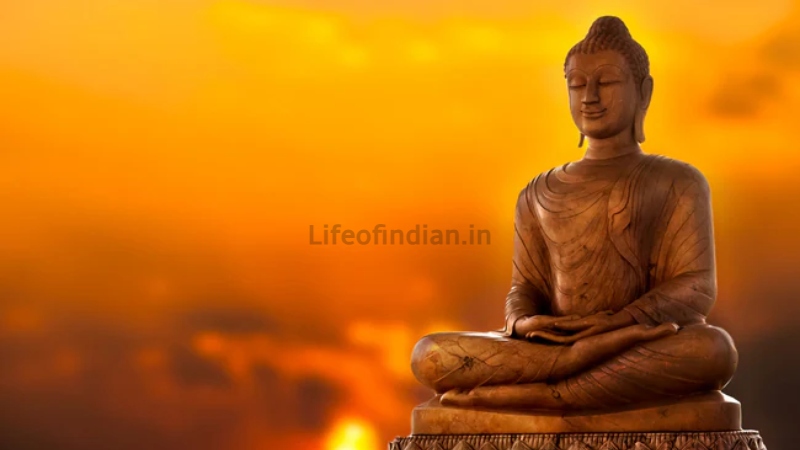
Buddha Purnima is not celebrated with loud festivities or grand celebrations. Instead, it is observed with calmness, reflection, and devotion.
For millions of followers, this day is about:
- Understanding life beyond material desires
- Reflecting on one’s actions and thoughts
- Practicing compassion and kindness
Temples are decorated, prayers are offered, and people engage in acts of charity. Many choose to meditate, read Buddhist scriptures, and practice silence.
Unlike many festivals, Buddha Purnima is less about celebration and more about inner transformation.
The Teachings of Buddha: A Path to Understanding Life
One of the most powerful reasons why Buddha Purnima remains relevant today is because of Buddha’s teachings. His philosophy was simple, yet profound.
At the heart of his teachings are the Four Noble Truths, which explain the nature of human suffering:
- Life involves suffering
- Suffering is caused by desire
- It is possible to end suffering
- There is a path to end suffering
To follow this path, Buddha introduced the Eightfold Path, which includes right thinking, right action, right speech, and right mindfulness. These teachings are not bound to any religion—they are universal principles that guide individuals towards peace and clarity.
Why Buddha’s Teachings Still Matter Today
In today’s world, people are constantly busy, stressed, and distracted. Despite technological progress, mental peace often feels out of reach. This is where Buddha’s teachings become incredibly relevant.
He taught the importance of:
- Living in the present moment
- Letting go of unnecessary desires
- Practicing compassion and empathy
- Understanding the nature of the mind
Modern concepts like mindfulness, meditation, and mental well-being are deeply rooted in Buddhist philosophy. In many ways, the world is slowly returning to what Buddha taught thousands of years ago.
How Buddha Purnima Is Celebrated in India
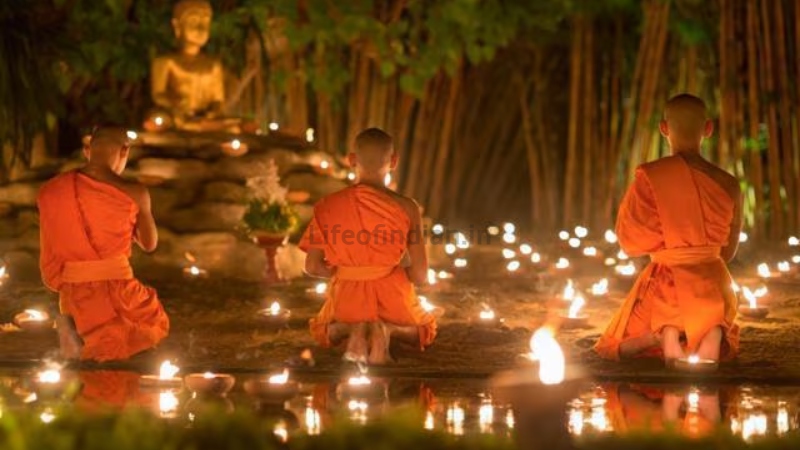
Across India, Buddha Purnima is observed with devotion and simplicity. In places like Bodh Gaya, Sarnath, and Kushinagar, thousands of devotees gather to offer prayers and participate in rituals.
Monasteries organize meditation sessions and teachings. People wear white clothes, symbolizing purity and peace. Many distribute food, water, and essentials to those in need. It is a day that encourages people to give, reflect, and grow spiritually.
A Message Beyond Religion
Buddha Purnima is not just for Buddhists—it is for anyone seeking peace, understanding, and balance. Buddha did not ask people to blindly follow him. Instead, he encouraged questioning, awareness, and self-realization.
His message was clear:
- Truth is found within
- Peace comes from understanding
- Happiness is not in possessions, but in perspective
This universal message is what makes Buddha Purnima meaningful for people across cultures and beliefs.
A Timeless Reminder of Peace
Buddha Purnima is more than a historical or religious event—it is a timeless reminder of how to live.
In a world filled with noise, Buddha’s teachings offer silence.
In a world full of desire, they offer contentment.
In a world of confusion, they offer clarity.
Perhaps that is why, even after thousands of years, his words still resonate. Because Buddha did not just teach religion— he taught life.
FAQ
Q1. What is Buddha Purnima and why is it celebrated?
Buddha Purnima is a sacred day that marks the birth, enlightenment, and Mahaparinirvana of Gautama Buddha. It is celebrated to honor his teachings and spiritual legacy.
Q2. When is Buddha Purnima celebrated?
Buddha Purnima is observed on the full moon day of the Vaishakha month, usually falling in April or May.
Q3. Why are all major events of Buddha’s life linked to this day?
According to tradition, Buddha’s birth, enlightenment, and death all occurred on the same full moon day, making it highly significant.
Q4. How is Buddha Purnima celebrated in India?
People visit temples, meditate, offer prayers, read scriptures, and perform acts of charity such as donating food and helping the needy.
Q5. What are the main teachings of Gautama Buddha?
Buddha’s teachings focus on the Four Noble Truths, the Eightfold Path, mindfulness, compassion, and understanding the causes of suffering.