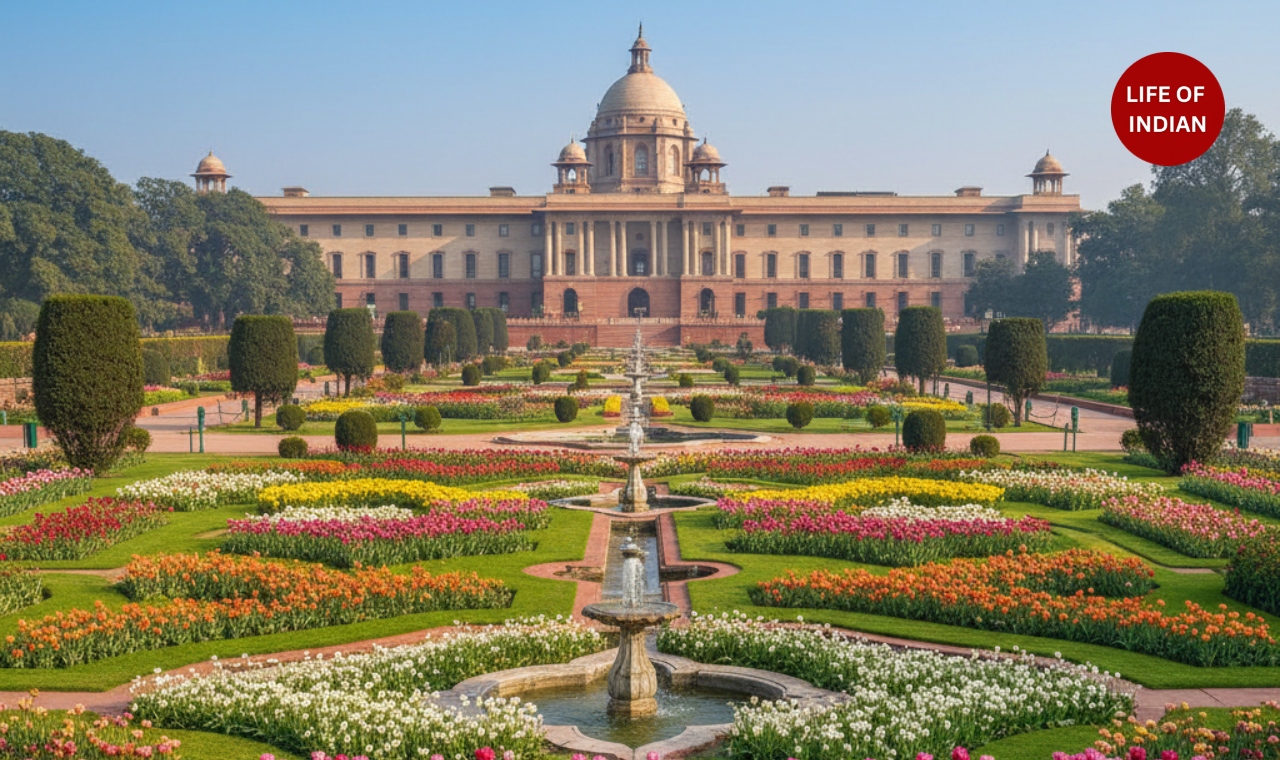
Amrit Udyan, located inside the Rashtrapati Bhavan complex in New Delhi, is one of India’s most famous gardens and a major seasonal attraction for visitors. Every year, thousands of people visit this beautifully landscaped space to witness its colorful flowers, fountains, and Mughal-style design.
However, many people still remember it by its old name and often ask: What was Amrit Udyan called earlier, and why was the name changed?
The answer is connected to India’s history, colonial legacy, and a broader effort to promote Indian identity. Here’s everything you need to know.
What Was Amrit Udyan Earlier Called?
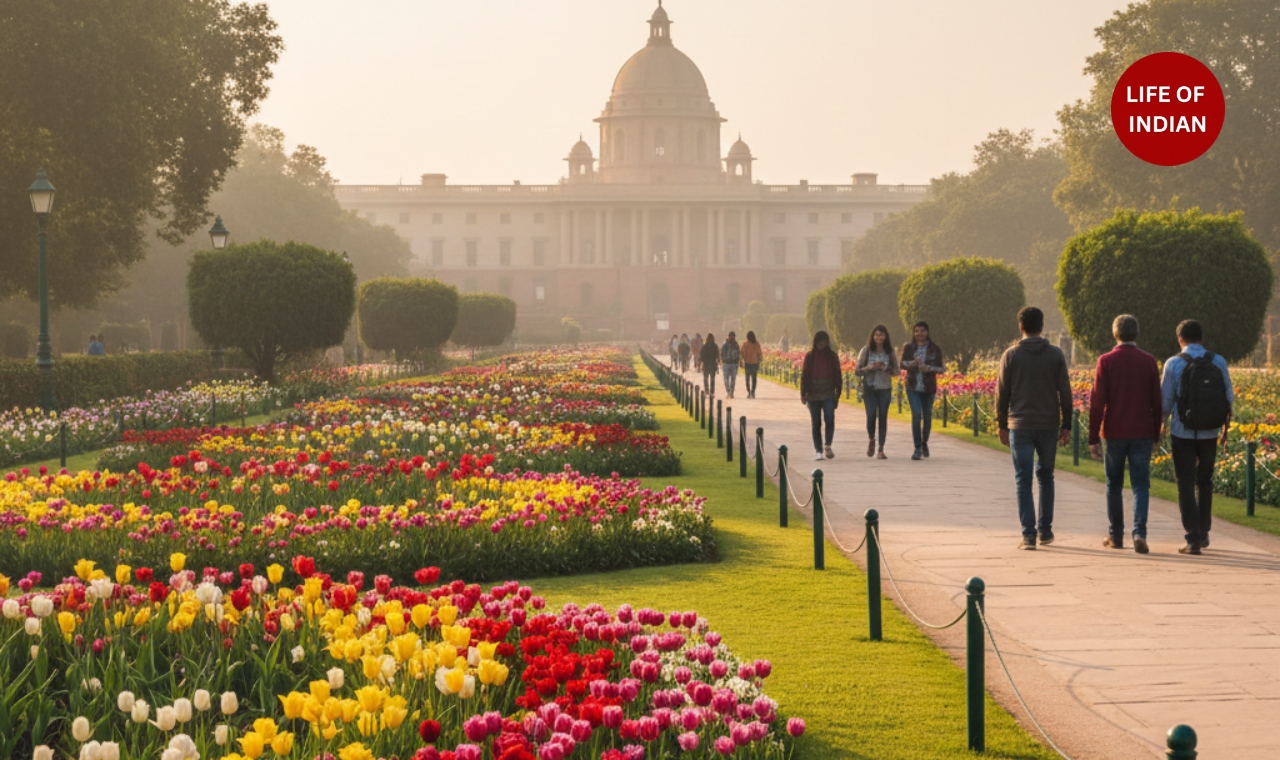
Before being renamed, Amrit Udyan was known as the “Mughal Gardens.”
The garden carried this name for decades because:
- Its design was inspired by Mughal-style gardens
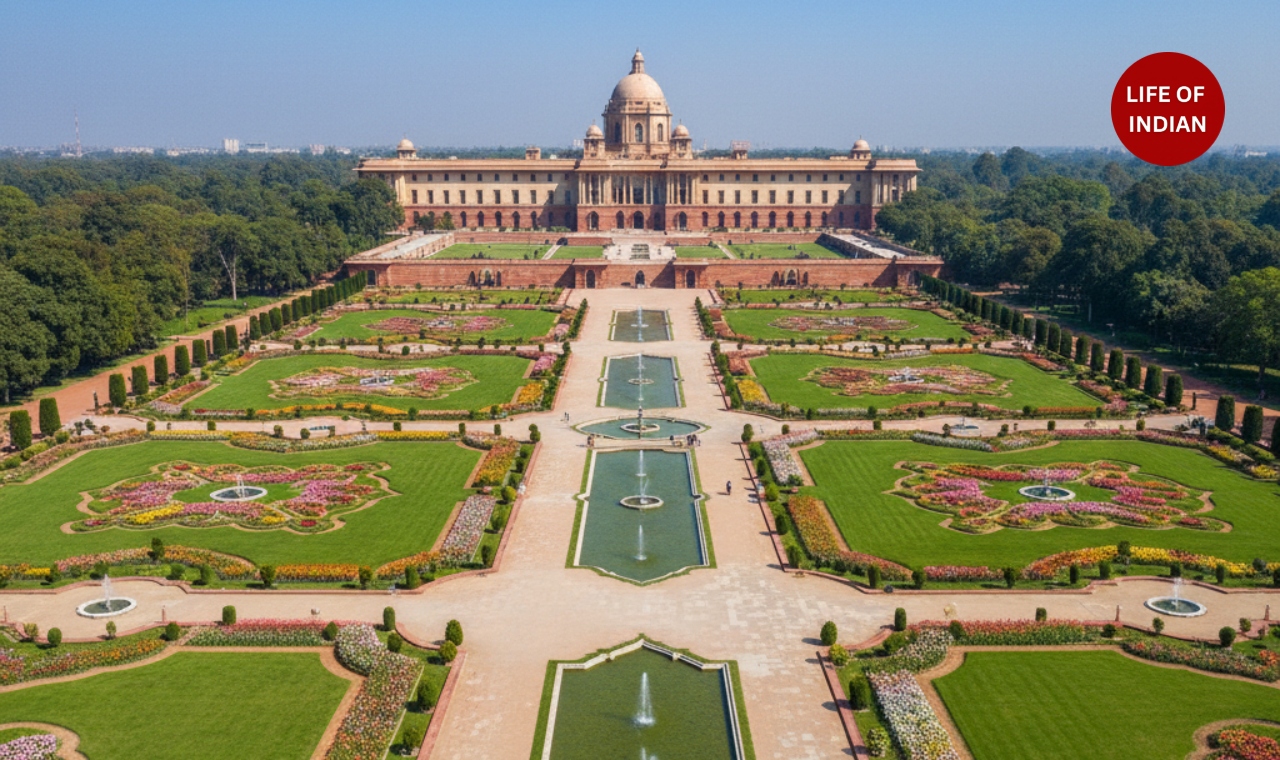
- It featured symmetrical layouts, water channels, terraces, and fountains
- The architecture reflected the classic Persian-Mughal Charbagh pattern
The Mughal Gardens were developed during the British era when Sir Edwin Lutyens, the architect of Rashtrapati Bhavan (earlier Viceroy’s House), designed the landscape by blending Mughal and British garden styles.
For years, “Mughal Gardens” became a popular tourist identity associated with the President’s residence.
When Was the Name Changed?
The name was officially changed in January 2023 by the Government of India and the President’s Secretariat.
The Mughal Gardens were renamed “Amrit Udyan.”
The new name was first used during the annual opening of the gardens to the public.
Why Was the Name Changed to Amrit Udyan?
The renaming was part of a larger national initiative to:
1. Remove Colonial and Mughal-Era Symbolism
Authorities aimed to reduce names associated with:
- Colonial rule
- Foreign dynasties
- Non-Indian historical references
The goal was to promote names reflecting Indian culture and heritage rather than imperial influences.
2. Align With “Azadi Ka Amrit Mahotsav”
The new name was inspired by the Government’s campaign “Azadi Ka Amrit Mahotsav,” celebrating:
- 75 years of India’s Independence
- National pride
- Cultural identity
- Freedom and progress
The word “Amrit” symbolizes:
- Purity
- Positivity
- New beginnings
- Prosperity
And “Udyan” simply means garden in Hindi/Sanskrit.
So, Amrit Udyan means “Garden of Nectar” or “Garden of Eternal Blessings.”
3. Promote Indian Language and Cultural Roots
The shift from an English-Persian name to a purely Indian-language name reflects:
- Respect for Indian traditions
- Use of Sanskrit/Hindi terminology
- Cultural rebranding of national landmarks
This aligns with similar renaming efforts across India to emphasize indigenous identity.
Did the Garden’s Design Change?
No. Only the name changed, not the garden itself.
Visitors still enjoy:
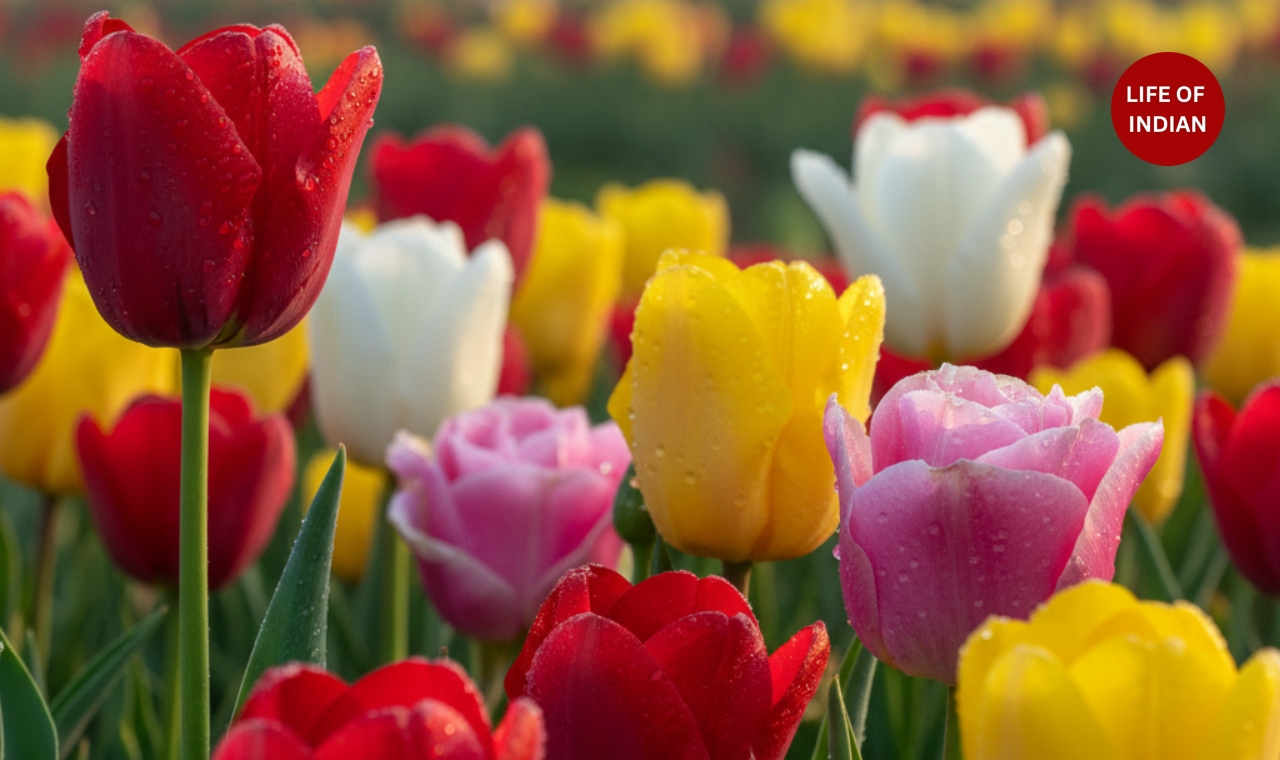
- Tulips and roses
- Herbal and spiritual gardens
- Water channels and fountains
- Mughal-style landscaping
- Reflexology paths
- Annual flower displays
The beauty and layout remain exactly the same.
Public Reaction to the Name Change
The renaming received mixed responses:
- Some welcomed it as a step toward Indianization and national pride
- Others felt the old name had historical value
However, officially and administratively, the garden is now known as Amrit Udyan, and all tickets, announcements, and government documents use the new name.
Historical Significance of Amrit Udyan
Today, Amrit Udyan stands as:
- A symbol of India’s heritage
- A blend of Mughal, Persian, and British architecture
- A seasonal public attraction at Rashtrapati Bhavan
- A representation of India’s evolving identity
The name may have changed, but its importance as one of Delhi’s most iconic gardens remains unchanged.
Amrit Udyan was earlier called the Mughal Gardens, named after its Mughal-inspired design. In 2023, it was renamed to reflect Indian cultural identity and the spirit of Azadi Ka Amrit Mahotsav.
The new name symbolizes positivity, renewal, and national pride, while the garden continues to offer the same breathtaking beauty to visitors every year.
So, whether you call it Mughal Gardens or Amrit Udyan, the experience of walking through its vibrant flowers and peaceful lawns remains timeless.