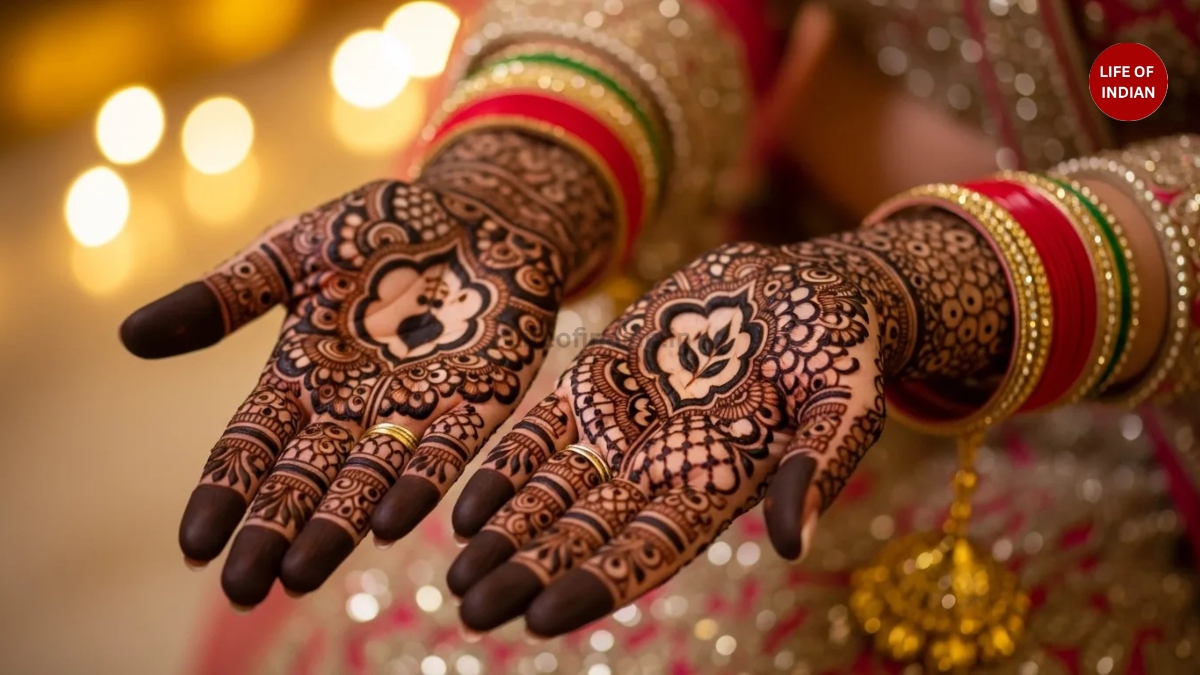
There are some traditions that we follow without ever questioning their origin—because they feel as natural as breathing. Mehndi is one of them. The moment its fragrance fills the air, something changes. Homes feel warmer, celebrations feel closer, and hearts feel lighter. It is not just a color on the skin—it is an emotion that quietly speaks of joy, love, and belonging.
From a bride nervously smiling as her hands are covered in intricate designs, to young girls waiting eagerly for their mehndi to darken—this tradition is deeply woven into Indian life. But have you ever wondered…
Was mehndi always a part of Indian culture?
Where did it come from?
And how did it become such an important symbol of celebration?
The story of mehndi is not just Indian—it is a journey across civilizations, time, and human emotions.
The Origins of Mehndi: A Tradition Born Beyond India
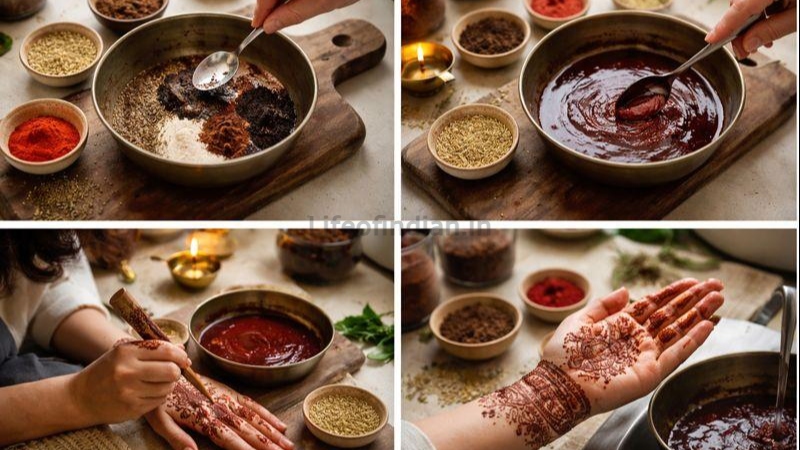
Long before mehndi became an essential part of Indian weddings and festivals, it existed in ancient lands far away. Its roots can be traced back to North Africa, the Middle East, and ancient Egypt, where it was used thousands of years ago.
In ancient Egypt, henna was not just a beauty product—it held deep cultural and spiritual significance. It was used to decorate the hands and nails of people, and even applied to mummies as part of burial rituals. The belief was that henna carried protective and sacred properties.
But beyond symbolism, henna had a practical purpose as well. In the harsh heat of desert climates, it was applied to the body to cool the skin. This simple plant slowly became a part of daily life, blending beauty, science, and belief into one.
From these ancient civilizations, mehndi began its quiet journey across regions, carried through trade, migration, and cultural exchange—eventually reaching the Indian subcontinent.
The Arrival of Mehndi in India: A Cultural Exchange
Mehndi did not originate in India, but when it arrived, it found a place where it could truly flourish.
It is believed that henna reached India through trade routes and cultural interactions with the Middle East and Central Asia. However, its widespread acceptance and popularity came much later, especially during the Mughal era.
The Mughals brought with them a refined sense of art, design, and aesthetics. Under their influence, mehndi transformed from a simple application of dye into a sophisticated art form. Designs became more intricate, patterns became more expressive, and the purpose of mehndi shifted from utility to beauty and celebration.
India did not just adopt mehndi—it reimagined it.
Was Mehndi Always Part of Ancient Indian Culture?
This is where history becomes even more fascinating.
In ancient India, the idea of decorating the body was already deeply rooted in culture. People used natural substances to enhance beauty and express identity. However, the specific use of henna as we know it today was not widely practiced in early Vedic or epic times.
Instead, Indians used other natural dyes and materials for body decoration. The tradition of beautifying hands and feet existed—but mehndi was not yet at its center.
This shows that Indian culture was always open to absorbing and transforming influences, rather than simply adopting them.
Before Mehndi: What Did Indians Use?
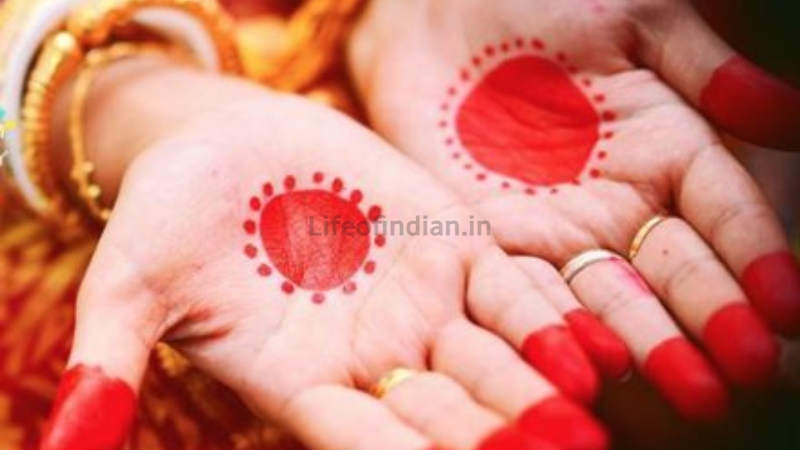
Before mehndi became popular, India had its own unique traditions of body decoration.
One of the most well-known was Alta, a bright red liquid dye traditionally used in eastern India. Women applied it to their hands and feet during weddings and festivals, and it is still used by classical dancers today. Alta carried its own cultural significance, symbolizing beauty, energy, and celebration.
In some regions, natural colors made from plants, flowers, and minerals were also used. These substances may not have had the lasting stain of mehndi, but they fulfilled the same purpose—bringing beauty and meaning to the human body.
This clearly shows that while mehndi was new to India, the spirit of decoration and expression was already deeply present.
The Mughal Influence: When Mehndi Became Art
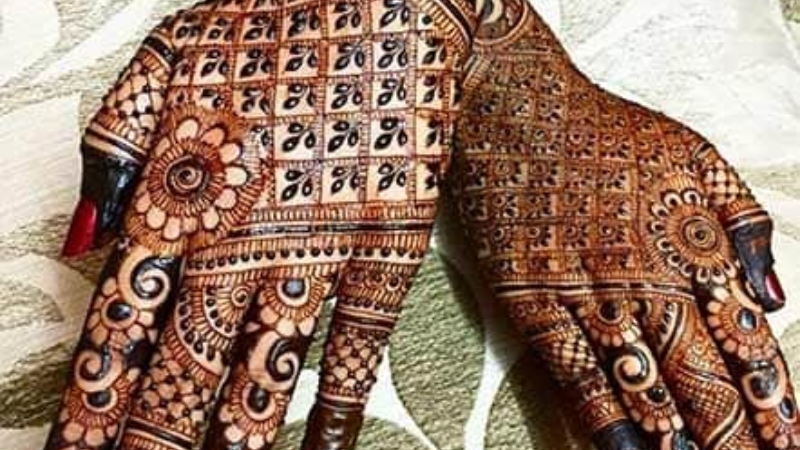
The real transformation of mehndi in India happened during the Mughal period.
The Mughal courts were centers of art, culture, and luxury. Under their influence, mehndi evolved into something much more than a simple dye. It became a form of artistic expression.
Designs began to include:
- Detailed floral patterns
- Symmetrical motifs
- Intricate storytelling elements
Mehndi was no longer just applied—it was crafted.
This period also strengthened its connection with weddings and celebrations. Applying mehndi became a ritual, a moment of joy shared among women, filled with laughter, music, and anticipation.
It was during this time that mehndi truly became a part of Indian cultural identity.
How Mehndi Became the Heart of Indian Celebrations
Over time, mehndi blended so seamlessly into Indian traditions that it became impossible to imagine celebrations without it.
Today, mehndi is not just decoration—it is a symbol.
In weddings, it represents love, happiness, and the beginning of a new journey. The deeper the color, the stronger the belief in love and bonding.
During festivals like Karva Chauth, Teej, and Diwali, mehndi becomes a way of expressing devotion, joy, and cultural pride.
In states like Rajasthan, especially in Sojat, mehndi reached global recognition. Known for producing some of the finest quality henna, Sojat’s mehndi has even received a GI tag, making it an important part of India’s cultural heritage.
From villages to cities, from simple designs to elaborate bridal patterns—mehndi has become a shared emotion across generations.
More Than Beauty: The Emotional and Cultural Meaning
What makes mehndi truly special is not its design—but its meaning.
It is a tradition that brings people together. Women sitting in groups, applying mehndi, sharing stories, laughing, and waiting for the color to deepen—these moments create memories that last longer than the design itself.
Mehndi is also deeply symbolic. It represents:
- Joy and celebration
- Emotional connection
- Spiritual positivity
- A sense of belonging
Even scientifically, its cooling properties make it beneficial for the body. But emotionally, it offers something even more valuable—a feeling of togetherness.
Mehndi Today: A Tradition That Keeps Evolving
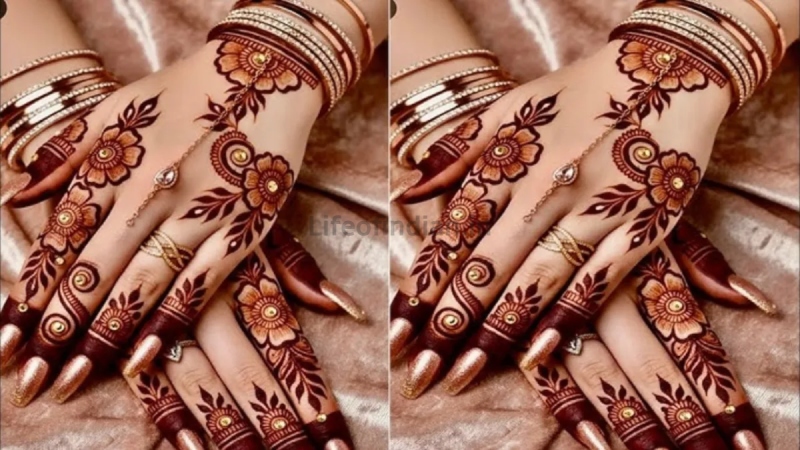
In today’s world, mehndi has gone beyond tradition and become a global art form.
It is seen in fashion, festivals, and even modern self-expression. Arabic designs, fusion patterns, and minimalist styles have added new dimensions to this ancient practice.
Yet, despite all the changes, its essence remains the same.
Because no matter how modern it becomes, mehndi still carries the warmth of tradition, the beauty of culture, and the emotion of celebration.
A Story Written in Color
The story of mehndi is not just about a plant or a design—it is about how traditions travel, evolve, and become a part of people’s lives.
From the deserts of Egypt to the vibrant celebrations of India, mehndi has crossed centuries to become what it is today.
And perhaps that is why it feels so special.
Because when someone applies mehndi, they are not just decorating their hands—
they are carrying a story that began thousands of years ago…
and continues to live, beautifully, in every line and pattern.
FAQ
Q1. Where did mehndi originate from?
Mehndi originated in ancient Egypt, North Africa, and the Middle East, where it was used for beauty, cooling the body, and religious purposes.
Q2. Which mehndi in India has a GI Tag and why is it famous?
Sojat Mehndi from Rajasthan has received a Geographical Indication (GI) tag. It is famous worldwide for its high-quality henna leaves, natural color, and long-lasting stain, making it a key part of India’s cultural and agricultural identity.
Q3. When did mehndi come to India?
Mehndi reached India through trade and cultural exchange and became popular during the Mughal period, when it developed into an art form.
Q4. Was mehndi used in ancient India?
Early India used natural dyes and decorative traditions, but mehndi became widely popular later, especially during medieval times.
Q5. What did Indians use before mehndi?
Before mehndi, Indians used substances like alta, lac dyes, and natural plant-based colors to decorate hands and feet.
Q6. Why is mehndi important in Indian culture?
Mehndi symbolizes love, happiness, celebration, and good fortune, especially in weddings and festivals.