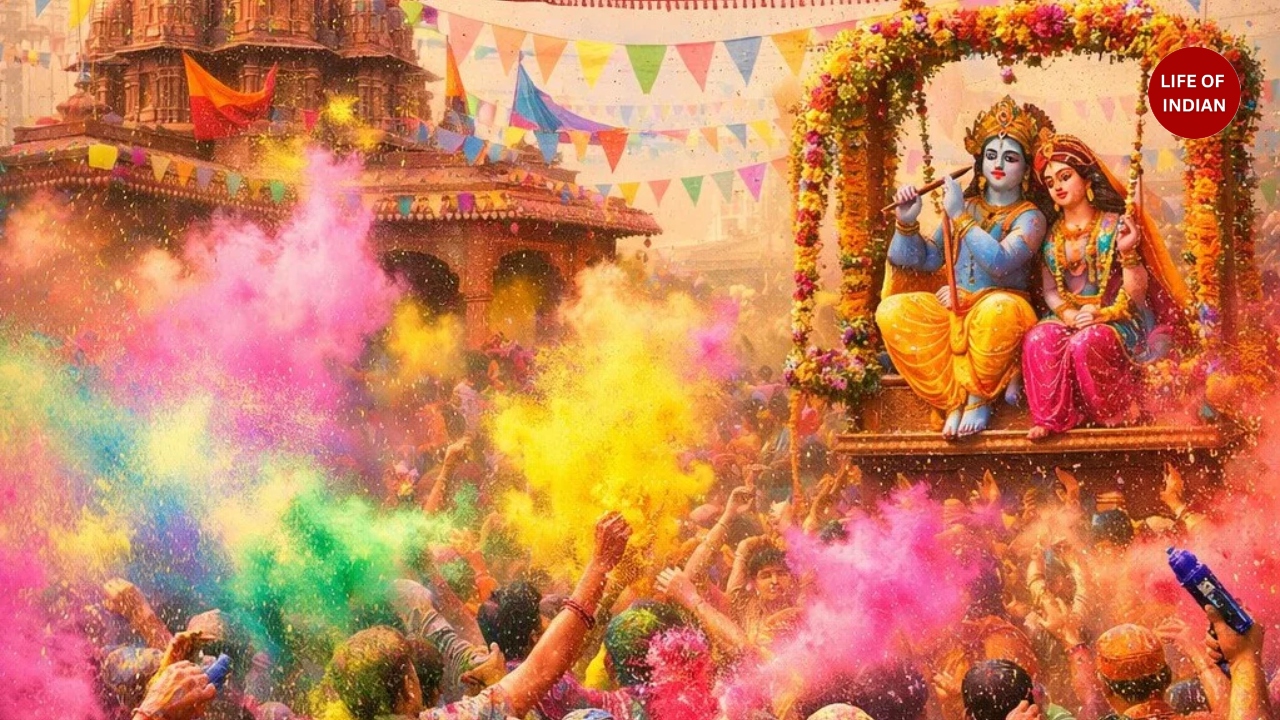
Why Rang Panchami Is Celebrated: Spring in India is a season filled with colours, joy and togetherness. Just when the excitement of Holi begins to fade, another vibrant celebration arrives a few days later—Rang Panchami.
For many people, Rang Panchami is not just another festival of colours; it is a day that continues the spirit of happiness, forgiveness and unity that Holi brings. Streets come alive with clouds of colourful gulal, people laugh freely, and communities gather to celebrate life itself.
Beyond the joy and festivities, Rang Panchami also carries deep historical roots, mythological beliefs and cultural traditions. In many parts of India, especially in Maharashtra and the Malwa region of Madhya Pradesh, this festival holds great religious and social significance.
Is Holi Celebrated Everywhere in India? The Surprising Regional Differences You Should Know
Let’s explore the history, mythology, traditions and beliefs behind Rang Panchami and understand why it continues to be celebrated with such enthusiasm even today.
Historical Background of Rang Panchami
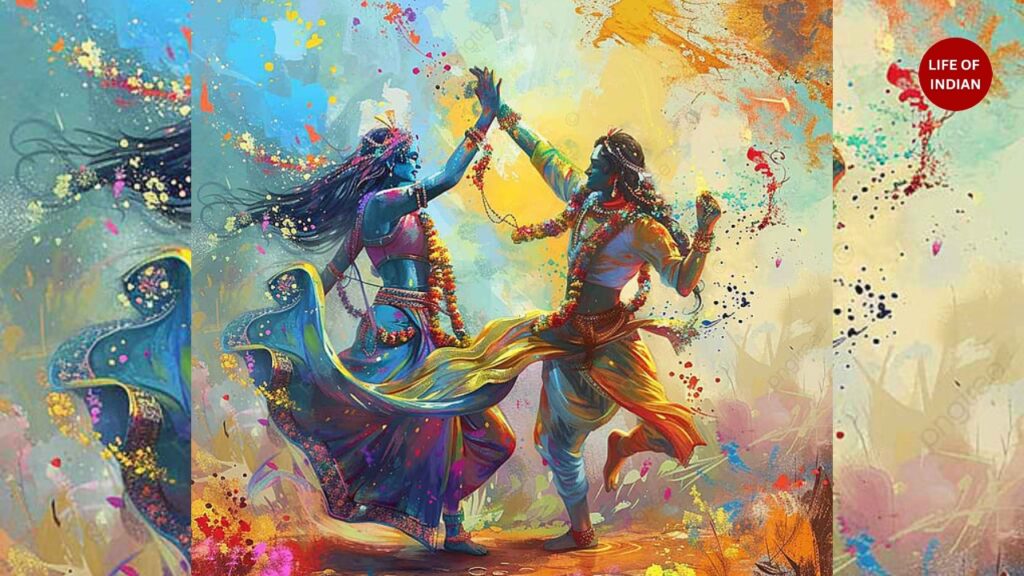
Rang Panchami is celebrated on the fifth day (Panchami) of the Krishna Paksha in the Hindu month of Phalguna, which falls five days after Holi.
Historically, this festival became popular in regions like Madhya Pradesh, Maharashtra and Rajasthan, where communities began celebrating the colours of Holi in a grand public manner a few days after the main Holi festival.
Over time, Rang Panchami evolved into a community celebration that symbolises the spreading of joy, positivity and social harmony.
In several parts of India, especially in the Malwa region, the festival became famous for its large public processions, music, dancing and the throwing of dry colours known as gulal.
Mythological Significance of Rang Panchami
Connection with Holika Dahan and the Victory of Good Over Evil
The festival of Rang Panchami is closely linked to the mythology of Holi. According to Hindu beliefs, before Holi is celebrated, the ritual of Holika Dahan takes place.
This ritual symbolises the victory of good over evil, based on the story of Prahlada, whose devotion protected him from the evil intentions of his aunt Holika.
After the burning of Holika and the celebration of Holi, Rang Panchami is believed to mark the completion of the festive cycle, when joy and positivity spread fully among people.
Lord Krishna and the Tradition of Playing with Colours
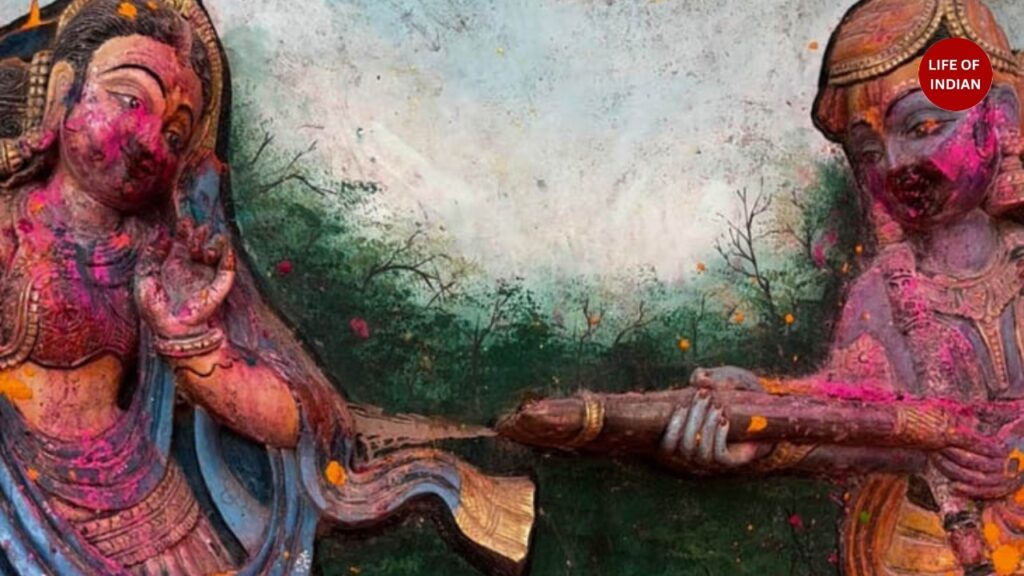
Another popular belief connects the celebration of colours with the playful traditions of Krishna and Radha.
According to legends, Lord Krishna loved playing with colours with Radha and the Gopis in the village of Vrindavan. These playful celebrations gradually became a part of Indian culture and inspired festivals where people express joy through colours.
Rang Panchami is often considered an extension of this tradition, celebrating love, friendship and the playful spirit of life.
Why Rang Panchami Is Celebrated
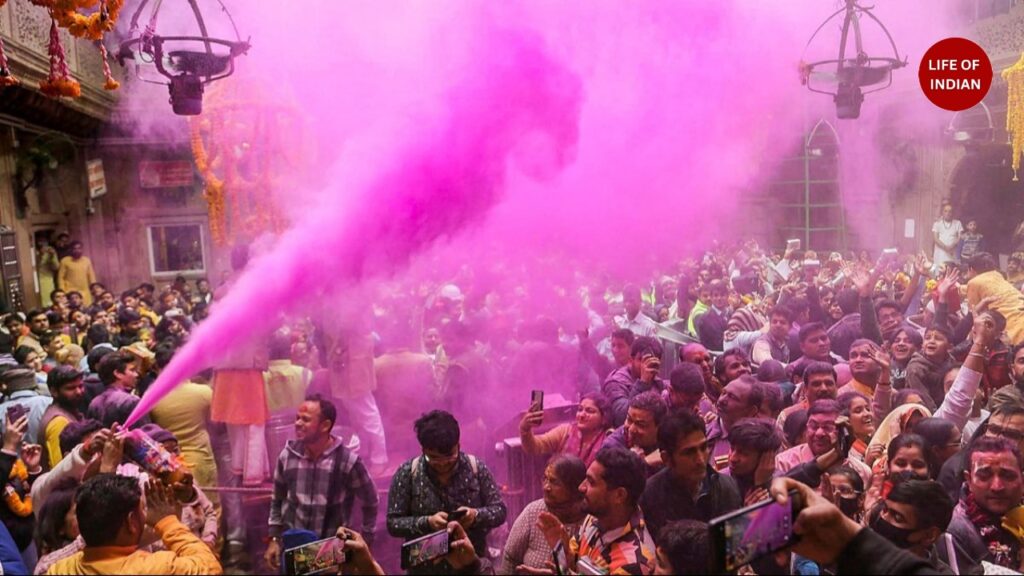
Several religious and cultural beliefs explain the importance of Rang Panchami.
1. Spreading Positive Energy
In traditional belief, the festival helps remove negative energies from the environment. Throwing colours into the air is said to symbolically purify the atmosphere and invite positive vibrations.
2. Honouring Divine Energies
Some traditions believe that playing with colours on this day pleases divine energies and deities, bringing blessings of happiness, prosperity and harmony.
3. Strengthening Social Bonds
Like Holi, Rang Panchami is also a festival that promotes unity and togetherness. People forget past conflicts and celebrate together, strengthening social relationships.
How Rang Panchami Is Celebrated
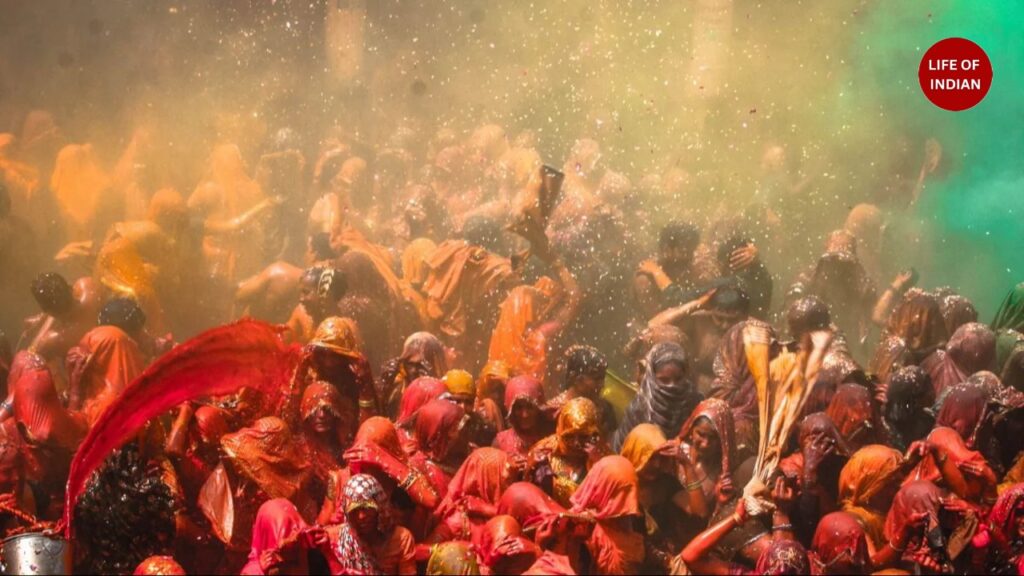
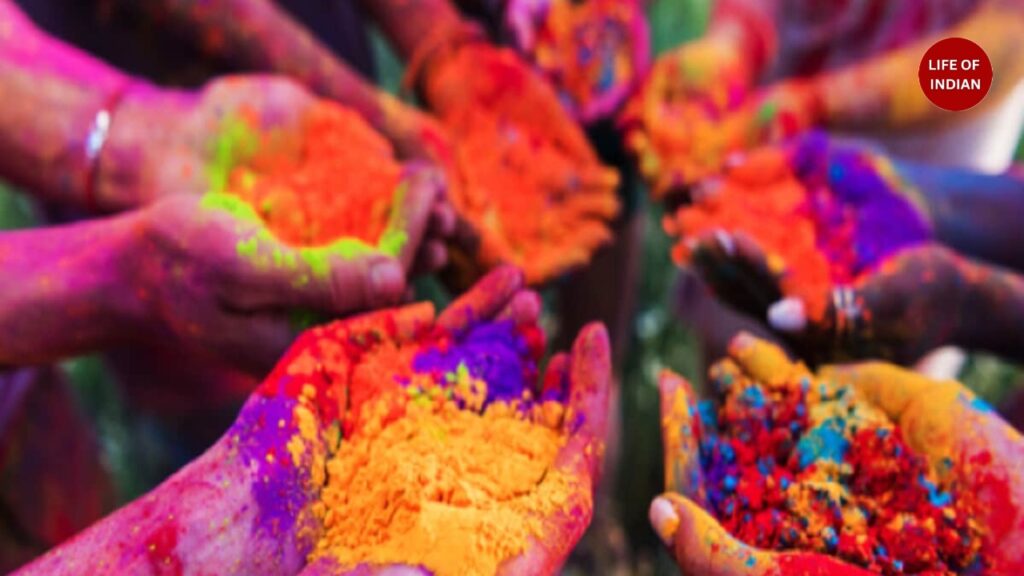
The most exciting part of Rang Panchami is the celebration with dry colours and gulal.
On this day people:
- Throw colourful gulal in the air
- Dance to traditional music and drums
- Take part in street processions and cultural celebrations
- Visit friends and relatives to share sweets and happiness
Unlike Holi, which often includes water colours, Rang Panchami is mainly celebrated with dry colours, making the atmosphere look like clouds of vibrant powder floating in the air.
Rang Panchami Celebrations in Different Parts of India
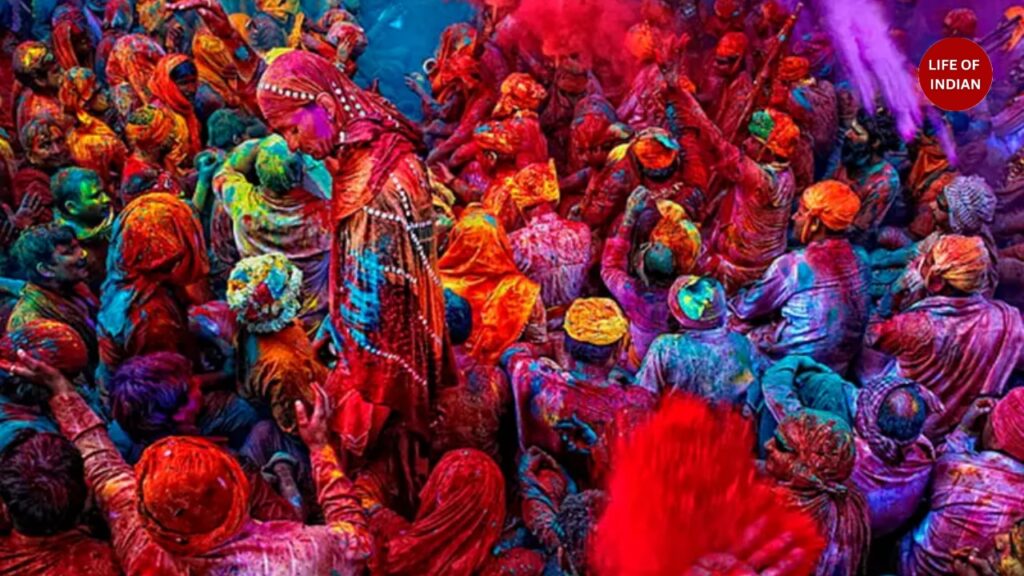
Madhya Pradesh
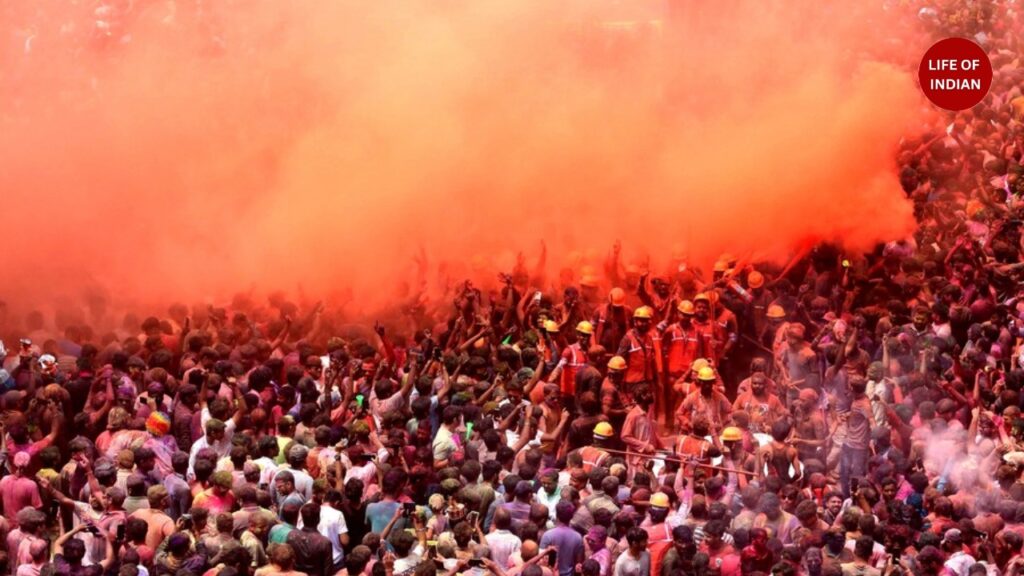
The city of Indore hosts one of the most famous Rang Panchami celebrations. A grand procession known as “Ger” takes place, where thousands of people gather on the streets, dance and throw gulal in massive quantities.
Maharashtra
In Maharashtra, communities celebrate the festival with music, colours and social gatherings, often focusing on traditional cultural activities.
Rajasthan and Gujarat
In several towns across these states, Rang Panchami is celebrated as a joyful continuation of Holi, with local fairs, cultural performances and colourful festivities.
Religious Beliefs Associated with Rang Panchami
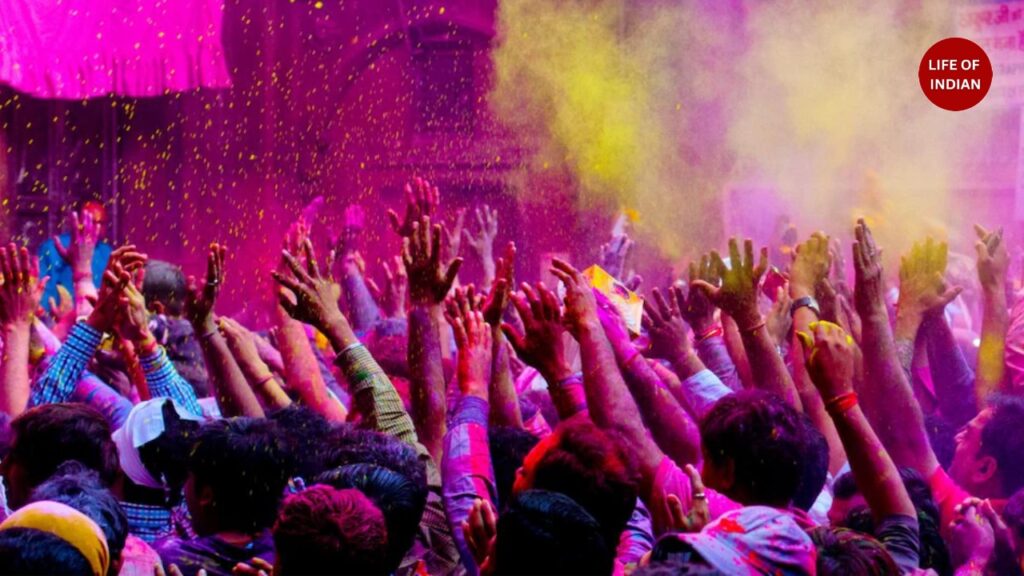
Many spiritual beliefs are connected with this festival. According to traditional views:
- Playing with colours removes negative influences and bad luck
- Offering gulal to deities brings prosperity and happiness
- Celebrating together strengthens love, harmony and friendship
Because of these beliefs, some temples also organise special prayers and devotional music on this day.
Cultural Importance of Rang Panchami Today
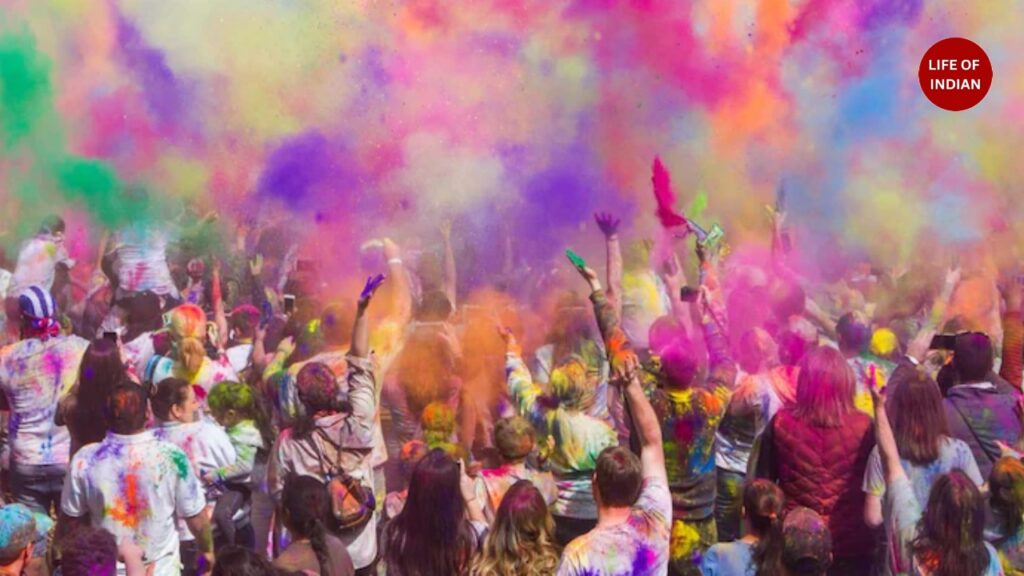
In modern times, Rang Panchami is not only a religious celebration but also a cultural festival of joy and positivity.
It reminds people to embrace happiness, celebrate diversity and strengthen relationships within society. In cities where the festival is celebrated publicly, it also attracts tourists and promotes local cultural traditions.
Rang Panchami is a beautiful extension of the spirit of Holi—a festival that celebrates colour, joy, positivity and unity. Rooted in mythology, tradition and cultural heritage, it continues to bring communities together in a vibrant celebration of life.
Why Varanasi Plays Holi With Ashes: The Powerful Story Behind Masan Holi 2026
Whether through the playful traditions inspired by Lord Krishna, the spiritual beliefs connected with Holi, or the grand street celebrations seen in places like Indore, Rang Panchami remains one of India’s most lively and meaningful festivals.
FAQ Section
What is Rang Panchami?
Rang Panchami is a Hindu festival celebrated five days after Holi, mainly in Maharashtra, Madhya Pradesh and the Malwa region. The festival is known for playing with dry colours and spreading positivity and joy.
Why is Rang Panchami celebrated?
Rang Panchami is celebrated to mark the continuation of Holi festivities and to symbolise the spread of positive energy, happiness and social harmony. It is also associated with mythological traditions related to Lord Krishna and the victory of good over evil.
When is Rang Panchami celebrated?
Rang Panchami is observed on the fifth day (Panchami) of Krishna Paksha in the Hindu month of Phalguna, which falls five days after Holi.
How is Rang Panchami celebrated?
People celebrate Rang Panchami by throwing dry colours (gulal), dancing to music, organising community gatherings and participating in colourful street processions.
Where is Rang Panchami most famous in India?
Rang Panchami is especially famous in Indore and the Malwa region of Madhya Pradesh, where large public processions known as “Ger” take place.