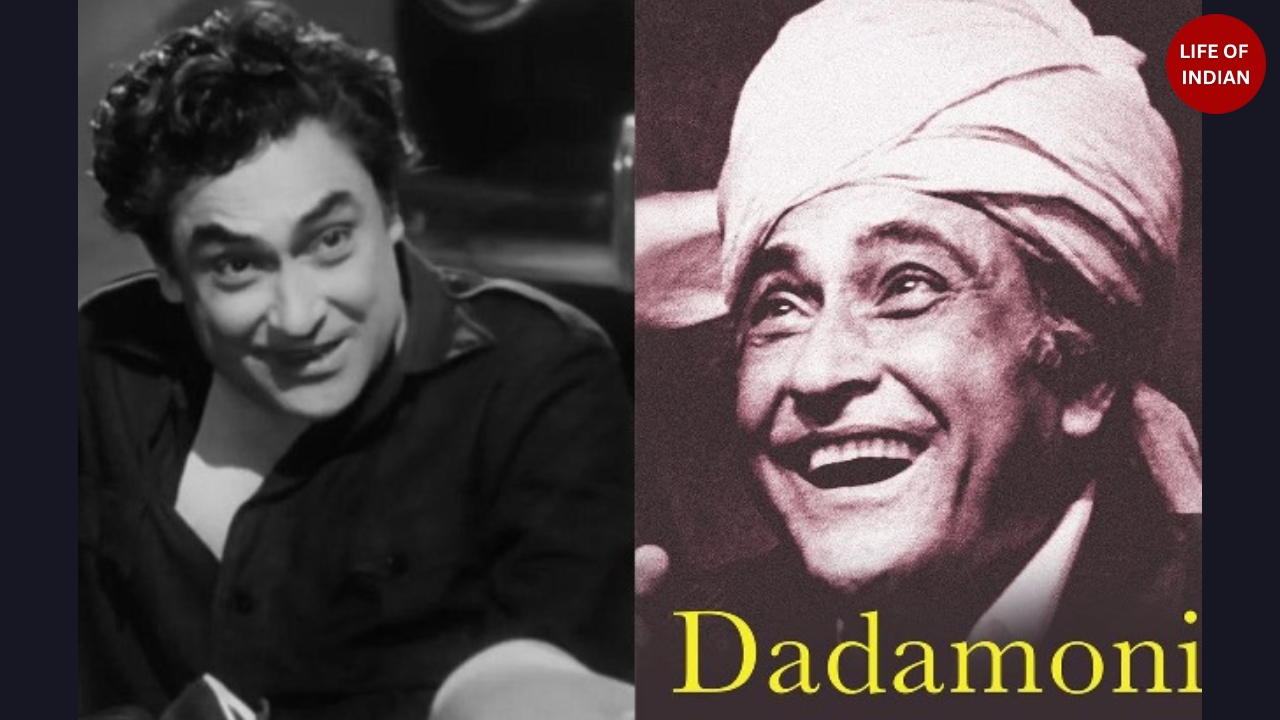
Ashok Kumar Biography: Born Kumudlal Kunjilal Ganguly on 13 October 1911 in Bhagalpur, in the Bengal Presidency of British India (now Bihar), Ashok Kumar rose from humble beginnings to become one of Hindi cinema’s most iconic actors.
Early Life & Family
Ashok Kumar hailed from a respectable Bengali family. His father, Kunjilal Ganguly, was a lawyer, and his mother, Gouri Devi, a homemaker. He had two famous brothers: Kishore Kumar and Anoop Kumar, who also became well-known in Indian cinema. He completed his early education in Calcutta and initially aspired to pursue law.
Entry into Cinema
Ashok Kumar’s entry into films was quite accidental. He moved to Bombay (now Mumbai) and took a job as a lab assistant at Bombay Talkies, one of the major studios of the time. The turning point came in 1936 during the making of Jeevan Naiya when the lead actor had to drop out. Studio founder Himanshu Rai decided to cast Ashok Kumar in the lead role, despite objections about his screen appearance. The gamble paid off. Jeevan Naiya became his debut film.
Rise to Stardom
-
Kismet (1943) was the film that marked his genuine breakthrough. The movie was a runaway hit, became perhaps Bollywood’s first blockbuster, and elevated Kumar to superstar status.
-
Over his career, he acted in a wide variety of genres — as hero, villain, character roles — showcasing natural acting skills that set him apart. He also helped launch and mentor many talents, and groomed filmmakers (like Hrishikesh Mukherjee) during his time at Bombay Talkies.
Notable Films & Achievements
Some of his most memorable & critically acclaimed films include Mahal, Howrah Bridge, Sangram, Aashirwad, Bandini, Kismet, Gumrah, Pakeezah, Chalti Ka Naam Gaadi. His performance in Aashirwad is often considered one of his very best.
Over decades, he also produced films that helped launch the careers of big names like Raj Kapoor, Dev Anand, and Madhubala. He is credited with introducing or supporting many in the film industry.
Personal Life & Later Years
Ashok Kumar married Shobha Ashok Kumar in 1936. They had two children. He was affectionately called Dadamoni by colleagues and fans.
As he aged, his roles shifted more toward character and supporting parts, but his presence on screen remained powerful. He continued working into later years. Ashok Kumar passed away due to heart-related illness on 10 December 2001 in Mumbai, aged 90.
Legacy
-
Ashok Kumar is remembered for bringing naturalism to acting in Hindi cinema. His mannerisms, timing, and expression influenced generations.
-
He won many honours: Filmfare Awards, later the Padma Bhushan (1999), and ultimately the Dadasaheb Phalke Award (1988) — India’s highest cinema honour.
-
He is often cited as one of the highest-paid actors during the 1940s-50s.