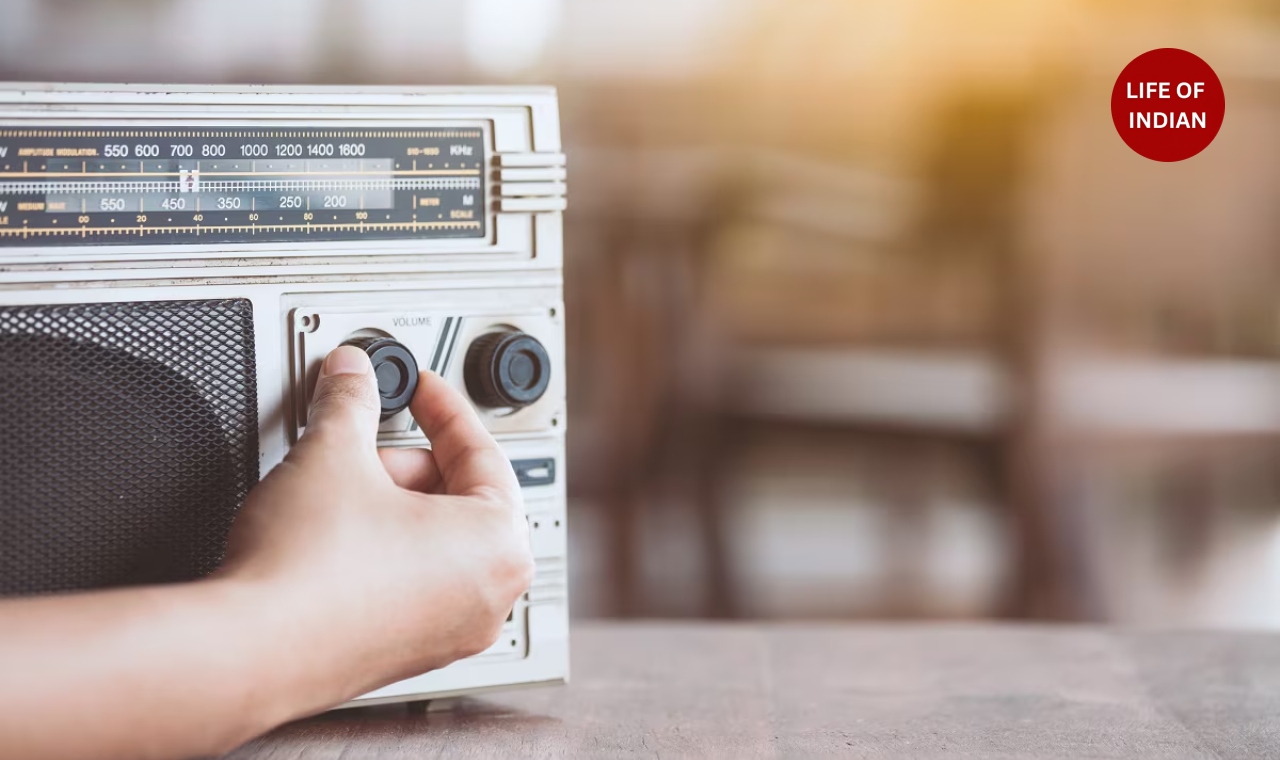
World Radio Day 2026: On 13 February every year, the world celebrates World Radio Day, a day dedicated to honoring one of the most powerful and trustworthy communication mediums in human history — radio.
In today’s digital era of smartphones, social media, and instant internet updates, it is easy to forget that there was once a time when radio was the lifeline of information. Before television screens lit up homes and before mobile phones connected the world, radio was the voice that united nations, families, and communities.
For millions of Indians, radio was not just a device — it was newsroom, classroom, theatre, and companion, all rolled into one.
Radio: The First Voice That Connected India
Long before the internet age, radio served as the primary source of news, entertainment, and national announcements. Historical moments were experienced together through radio broadcasts.
One of the most iconic examples came on the night of 14–15 August 1947, when India gained independence.
As the clock struck midnight, radios across the country crackled with the historic voice of Pandit Jawaharlal Nehru, delivering his famous “Tryst with Destiny” speech.
That broadcast did not simply inform people — it emotionally united an entire nation in a shared moment of freedom.
For many families, that was the first time they truly felt connected to the country’s destiny.
When Owning a Radio Required a Government License
It may sound surprising today, but there was a time when owning a radio in India required an official government license.
During the 1960s and 1970s, having a radio set was considered a luxury and a symbol of status. Only well-off households could afford one, and those who owned it were often seen as modern and influential.
To legally operate a radio, people had to:
Visit the post office
Apply for a Broadcasting Receiver License (BRL)
Pay an annual fee
Renew the license regularly
If the license was not renewed on time, a fine or surcharge was imposed.
This system continued until 1991, when the government finally abolished the radio license requirement.
How Much Was the Radio License Fee?
Back then, the fee might seem small today but was significant at the time.
In the 1960s, citizens paid ₹10 per year for the radio license.
In the 1970s, the fee increased to ₹15 annually.
Considering the value of money during those decades, even this amount mattered for middle-class families.
Yet people happily paid because radio was their only window to the world.
From Six Stations to Nationwide Coverage
At the time of independence in 1947, All India Radio (Akashvani) had only six stations, reaching barely 11% of India’s population.
But over the decades, radio expanded tremendously.
Today:
India has hundreds of AIR stations
Coverage reaches more than 99% of the population
Broadcasts happen in multiple languages and dialects
From remote villages to busy cities, radio still reaches places where internet signals fail.
Now people listen through:
Car stereos
Smartphones
FM apps
Online streaming
The medium has evolved, but its essence remains the same.
Why Radio Still Matters in the Digital Age
Even with modern technology, radio continues to hold importance.
During natural disasters, cyclones, floods, or network failures, radio often becomes the most reliable source of information. It requires no internet, low power, and works even in remote regions.
Farmers listen for weather forecasts.
Fishermen depend on sea alerts.
Students use educational broadcasts.
Commuters enjoy music and news on FM channels.
Radio asks for little but gives a lot — companionship, awareness, and connection.
How World Radio Day Began
Recognizing radio’s global importance, Spain’s Radio Academy proposed celebrating World Radio Day in 2010.
Later:
UNESCO officially proclaimed it in 2011
The United Nations adopted it in 2012
The date 13 February was chosen because United Nations Radio was established on this day in 1946.
Since then, the world observes this day to:
Promote freedom of expression
Encourage access to information
Strengthen international broadcasting cooperation
Highlight radio’s role in development and peace
World Radio Day 2026 Theme
Every year, World Radio Day follows a specific theme.
The theme for 2026 is:
“Radio and Artificial Intelligence: AI is a tool, not a voice.”
This theme emphasizes that while AI can help improve content creation and accessibility, the human voice, trust, and authenticity must remain at the heart of radio broadcasting.
Technology may assist, but radio’s soul will always be human.
The Timeless Charm of Radio
There is something uniquely intimate about radio. Unlike screens that demand attention, radio quietly blends into life — playing in the background while we work, travel, or relax.
It feels personal, warm, and trustworthy.
Perhaps that is why, even after decades, radio hasn’t disappeared. It has simply adapted.
From bulky wooden sets to pocket transistors to smartphone apps — the journey continues.
Radio is more than an old technology — it is a cultural memory, a national connector, and a reliable friend.
From announcing India’s independence to guiding people during emergencies, from licensing rules of the past to AI-powered broadcasting of the future, radio has traveled a remarkable journey.
On this World Radio Day, we are reminded that while devices may change, the power of the human voice will always matter.
And maybe that’s why radio still lives — not just in machines, but in hearts.