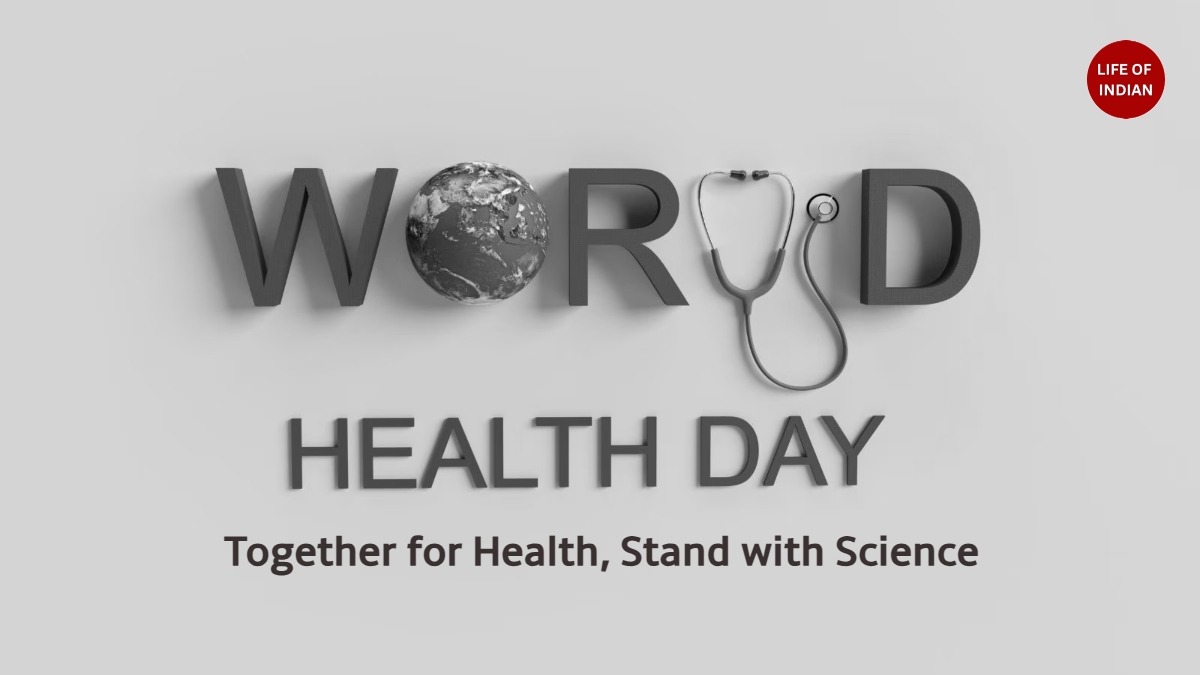
World Health Day, observed every year on April 7, is one of the most significant global health awareness events aimed at highlighting major health issues affecting people worldwide. The day marks the anniversary of the founding of the World Health Organization (WHO) in 1948 and serves as a reminder of the importance of accessible, affordable, and quality healthcare for all. In 2026, the theme “Together for Health. Stand with Science” emphasizes the importance of scientific collaboration, innovation, and global unity in protecting the health of humans, animals, and the planet.
As the world continues to face emerging diseases, climate-related health threats, pandemics, and inequalities in healthcare access, World Health Day 2026 calls for stronger partnerships among governments, scientists, healthcare professionals, and communities to build a healthier and safer future for everyone.
The History and Significance of World Health Day
World Health Day was first celebrated in 1950 after the establishment of the World Health Organization in 1948. The purpose of this day was to create awareness about global health issues and encourage governments and individuals to take collective action for better healthcare systems.
Since its inception, World Health Day has addressed various critical health concerns such as mental health, maternal and child health, infectious diseases, climate change, food safety, universal health coverage, and pandemic preparedness. Each year, WHO selects a specific theme to highlight urgent health challenges and promote global cooperation.
The significance of World Health Day lies in its ability to bring attention to health issues that affect millions of people and encourage policy changes, research funding, and community participation. It reminds the world that health is not just a medical issue but a fundamental human right that should be accessible to all.
World Health Day 2026 Theme: Together for Health, Stand with Science
The theme of World Health Day 2026, “Together for Health. Stand with Science,” focuses on the power of scientific collaboration and evidence-based decision-making in addressing global health challenges. The campaign highlights the importance of unity among nations, scientists, and healthcare systems to protect the health of people, animals, and the environment.
This theme reflects the growing need for science-driven solutions in tackling pandemics, antimicrobial resistance, climate-related diseases, and public health emergencies. It encourages governments and institutions to invest in scientific research, strengthen healthcare infrastructure, and ensure that scientific knowledge is used responsibly to improve public health outcomes.
The campaign also promotes trust in science and encourages communities to rely on verified medical information, vaccination programs, and preventive healthcare measures to combat misinformation and health risks.
The Role of Science in Global Health Protection
Science plays a crucial role in protecting human health and improving healthcare systems worldwide. Medical research, technological innovation, and data-driven policies help in developing vaccines, treatments, and preventive strategies for various diseases.
The COVID-19 pandemic demonstrated the importance of scientific collaboration and international cooperation in responding to global health crises. Scientists, researchers, and healthcare organizations worked together to develop vaccines, diagnostic tools, and treatment protocols in record time, saving millions of lives.
In 2026, the focus on standing with science highlights the need for continuous research and innovation in areas such as infectious diseases, mental health, environmental health, and digital healthcare. Scientific advancements in artificial intelligence, biotechnology, and telemedicine are transforming healthcare delivery and making medical services more accessible to remote and underserved populations.
Universal Health Coverage as a Global Priority
One of the key focuses of World Health Day 2026 is promoting universal health coverage, which ensures that all individuals and communities receive the healthcare services they need without financial hardship.
Universal health coverage includes access to essential medical services such as disease prevention, treatment, rehabilitation, and palliative care. It also emphasizes the importance of affordable medicines, skilled healthcare workers, and strong healthcare infrastructure.
Many developing countries still struggle with limited healthcare resources, high medical costs, and unequal access to services. World Health Day 2026 aims to encourage governments to strengthen public health systems, increase healthcare funding, and ensure that no one is left behind in the journey toward better health.
The campaign also highlights the importance of primary healthcare, community-based services, and preventive care in achieving universal health coverage.
Addressing Global Health Challenges in 2026
The world is currently facing several major health challenges that require immediate attention and global cooperation. Climate change is increasing the risk of heat-related illnesses, vector-borne diseases, and respiratory problems. Rising pollution levels are affecting millions of people and contributing to chronic diseases.
Antimicrobial resistance is another serious concern, as bacteria and viruses are becoming resistant to existing medicines, making infections harder to treat. Emerging infectious diseases continue to threaten global health security, while mental health issues are becoming more widespread due to social and economic pressures.
World Health Day 2026 encourages countries to work together to address these challenges through scientific research, policy reforms, and community awareness programs.
The Connection Between Human, Animal, and Planetary Health
The 2026 campaign also highlights the interconnected nature of human, animal, and environmental health, often referred to as the “One Health” approach. This concept recognizes that the health of people is closely linked to the health of animals and the environment.
Deforestation, wildlife trade, and climate change increase the risk of zoonotic diseases, which spread from animals to humans. Protecting ecosystems, improving animal health, and promoting environmental sustainability are essential for preventing future pandemics and ensuring global health security.
World Health Day 2026 emphasizes the need for collaborative efforts among environmental scientists, veterinarians, public health experts, and policymakers to protect the planet and human health simultaneously.
The Role of Governments and Communities
Governments play a crucial role in achieving the goals of World Health Day by investing in healthcare systems, supporting scientific research, and implementing effective health policies. Strong healthcare infrastructure, trained medical professionals, and accessible medical facilities are essential for improving public health.
Communities and individuals also have an important role to play by adopting healthy lifestyles, supporting vaccination programs, maintaining hygiene, and spreading awareness about health issues. Public participation and awareness can significantly reduce the burden of diseases and improve overall health outcomes.
World Health Day 2026 encourages everyone to take responsibility for their health and contribute to building a healthier society.
Global Celebrations and Awareness Campaigns
World Health Day is celebrated worldwide through seminars, health camps, awareness campaigns, and educational programs. Governments, healthcare organizations, and NGOs organize events to promote health awareness and encourage preventive healthcare practices.
Hospitals and medical institutions conduct free health check-ups, vaccination drives, and awareness workshops. Schools and universities organize discussions and campaigns to educate young people about health and hygiene.
Social media platforms also play a significant role in spreading awareness and encouraging people to participate in health-related initiatives.
Moving Toward a Healthier Future
World Health Day 2026 serves as a reminder that global health challenges require collective action and scientific collaboration. The theme “Together for Health. Stand with Science” highlights the importance of unity, innovation, and evidence-based decision-making in building strong healthcare systems.
As the world moves forward, investing in science, promoting universal health coverage, and protecting the environment will be essential for ensuring a healthier and safer future for all.
World Health Day is not just a symbolic observance but a global movement that encourages individuals, communities, and governments to work together to achieve better health outcomes and create a world where quality healthcare is accessible to everyone.
FAQ
1. What is World Health Day?
World Health Day is an international health awareness day observed every year on April 7 to mark the founding of the World Health Organization in 1948 and promote global health awareness.
2. What is the theme of World Health Day 2026?
The theme of World Health Day 2026 is “Together for Health. Stand with Science,” which highlights scientific collaboration and universal healthcare to address global health challenges.
3. Why is World Health Day celebrated on April 7?
World Health Day is celebrated on April 7 because the World Health Organization was established on this date in 1948 to promote global health and improve healthcare systems worldwide.
4. What is the main goal of World Health Day 2026?
The main goal is to promote universal health coverage, encourage scientific collaboration, and address global health challenges such as pandemics, climate change, and healthcare inequality.
5. Who organizes World Health Day?
World Health Day is organized by the World Health Organization (WHO) along with governments, healthcare institutions, and global organizations.
6. Why is standing with science important in healthcare?
Standing with science helps in developing vaccines, treatments, and policies based on research and evidence, which improves healthcare systems and protects people from diseases and health emergencies.