
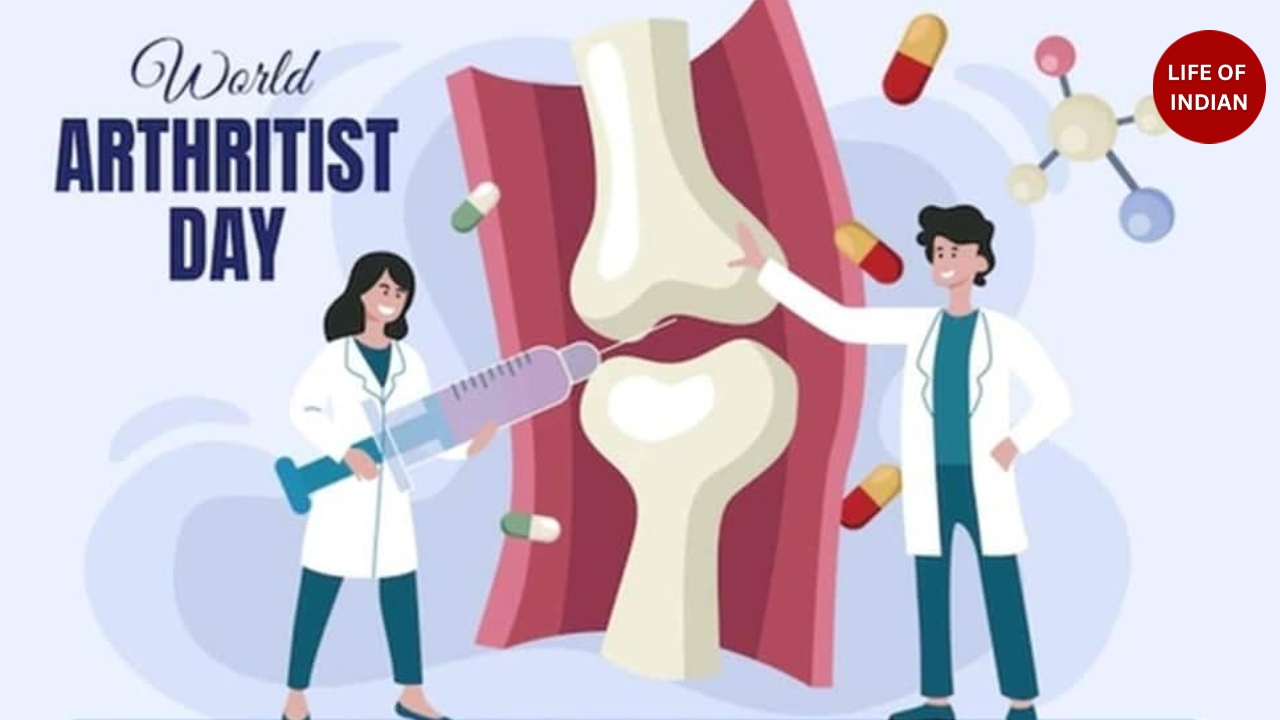
World Arthritis Day 2025: World Arthritis Day, observed every year on October 12 since 1996, aims to raise awareness about arthritis — a progressive condition that causes pain, stiffness, and inflammation in the joints. It affects millions globally and often worsens with age.
Understanding Arthritis: Types and Impact
Osteoarthritis (OA) is the most common type of arthritis, caused by the gradual wear and tear of cartilage in the joints. It results in pain, stiffness, and decreased mobility, often affecting the knees, hips, hands, and spine.
Rheumatoid arthritis (RA), on the other hand, is an autoimmune disorder where the immune system attacks the joint lining, causing inflammation, pain, swelling, and even joint deformity over time. In severe cases, RA can also affect internal organs.
According to the World Health Organisation (WHO), around 73% of osteoarthritis patients are over 55 years old, and 60% are women. Similarly, nearly 70% of those with rheumatoid arthritis are women — showing a clear gender gap in arthritis prevalence.
Why Arthritis Affects Women More Than Men
Experts suggest that hormonal changes, genetics, and biological structure make women more susceptible to arthritis.
Orthopaedic specialist Dr. Ashwani Maichand, Director at CK Birla Hospital, Delhi, explains five key reasons behind this difference:
-
Hormonal Fluctuations:
Estrogen helps protect bones and cartilage. When estrogen levels drop — such as after childbirth or during menopause — inflammation and joint degeneration can increase. -
Pregnancy-Related Changes:
Hormonal changes during pregnancy can temporarily ease or worsen arthritis symptoms. After delivery, reduced hormone levels may trigger a flare-up. -
Immune System Differences:
Women are more prone to autoimmune diseases like rheumatoid arthritis and lupus, which directly damage joints. -
Menopause and Aging:
The decline in estrogen during menopause can lead to inflammation, stiffness, and a higher risk of osteoarthritis and osteoporosis. -
Genetic and Structural Factors:
Women typically have more flexible joints and different joint alignments, which can lead to greater wear and tear over time.
Managing Arthritis Through Life Stages
Arthritis treatment focuses on relieving pain and improving joint function. Common management strategies include:
-
Engaging in regular low-impact exercises like swimming or yoga
-
Maintaining a healthy weight to reduce joint stress
-
Following a balanced diet rich in omega-3 fatty acids and antioxidants
-
Considering Hormone Replacement Therapy (HRT) post-menopause — under strict medical advice
Early diagnosis and timely intervention can make a major difference. Personalized treatment, lifestyle changes, and awareness about hormonal influences empower women to manage arthritis effectively through every stage of life.
As we mark World Arthritis Day 2025, it’s vital to recognize that arthritis isn’t just a disease of aging — it’s a condition influenced by multiple factors including hormones, genetics, and lifestyle. Understanding these aspects helps individuals, especially women, take preventive measures to protect their joint health and improve quality of life.
Disclaimer: This article is for informational purposes only. It is not a substitute for professional medical advice. Always consult a qualified healthcare provider for diagnosis and treatment.