
Every year, as February begins, something changes in the air. Markets turn red with roses, gift shops fill with teddy bears and chocolates, and social media overflows with messages of love. From 7 February to 14 February, the world celebrates what is popularly known as Valentine’s Week—seven days dedicated to expressing love, emotions, and relationships.
But have you ever wondered:
- Where did this tradition start?
- Is it only a modern commercial trend?
- Or does it have a deeper historical meaning?
The story of Valentine’s Week is actually centuries old, rooted in sacrifice, romance, and human connection.
The Ancient Origin: The Story of Saint Valentine
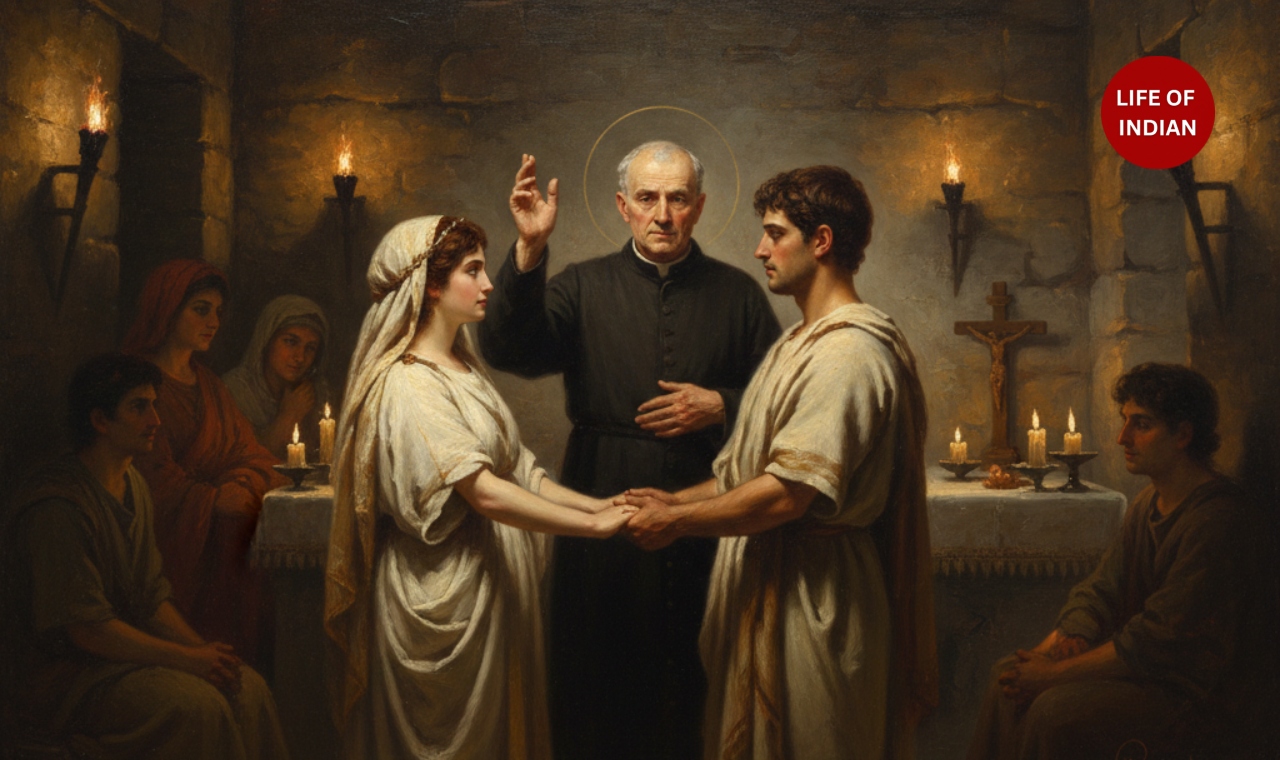
The history of Valentine’s Day takes us back to Ancient Rome, nearly 1700 years ago.
According to popular legend, during the rule of Emperor Claudius II, young men were banned from marrying. The emperor believed that single men made better soldiers because they had fewer emotional attachments. But a kind-hearted priest named Saint Valentine disagreed.
He secretly performed marriages for young couples in love, helping them unite despite the emperor’s cruel order. When Claudius discovered this, Valentine was arrested and sentenced to death. While imprisoned, it is believed that Valentine healed the jailer’s blind daughter and even wrote her a letter signed:
“From your Valentine.”
On 14 February, he was executed.
His sacrifice turned him into a symbol of:
- love
- loyalty
- courage
- and devotion
Years later, the Church declared him Saint Valentine, and his death day became Valentine’s Day.
How Valentine’s Day Became Valentine’s Week

Originally, only 14 February was celebrated.
But over time, especially during the 20th and 21st centuries, Western culture expanded the celebration into a full week, allowing people to express different forms of love step by step.
Gradually, Valentine’s Day turned into Valentine’s Week, with each day having its own special meaning.
This idea became extremely popular among young people, couples, and friends and later spread globally through:
- movies
- greeting cards
- social media
- and gift industries
Today, Valentine’s Week is celebrated not only in Europe and America but also widely in India, Japan, Korea, and many Asian countries.
What Happens During Valentine’s Week?

Valentine’s Week begins on 7 February and ends on 14 February. Each day symbolizes a different emotion.
It starts gently with Rose Day, when people gift flowers to express feelings. Then comes Propose Day, a time to confess love. Chocolate Day and Teddy Day add sweetness and comfort to relationships. As the week progresses, days like Hug Day and Kiss Day celebrate closeness and affection, finally leading to Valentine’s Day, the grand celebration of love.
Rather than just romantic relationships, many people now celebrate the week with
- friends
- family
- spouses
- or even self-love
Because love is not limited to couples alone.
When Did Valentine’s Week Start in India?

In India, Valentine’s celebrations became popular in the 1990s, especially after:
- satellite television
- Bollywood influence
- greeting card brands
- shopping malls
Urban youth quickly adopted the concept. Over time, it became a cultural trend among college students and young professionals.
Today, restaurants, cafes, online stores, and brands run special offers during this week. Though some people criticize it as “Western culture,” many see it simply as a day to express emotions openly.
And honestly, expressing love is never foreign to Indian culture—our festivals, poetry, and films have always celebrated emotions deeply.
Why Valentine’s Week Still Matters Today

In our fast-moving digital lives, we often forget to say simple words like:
“I care about you.”
“I appreciate you.”
“I love you.”
Valentine’s Week reminds us to pause and express what we feel.
It is not really about gifts or expensive dinners.
It is about:
- reconnecting
- forgiving
- expressing gratitude
- strengthening bonds
Sometimes, even a small rose or a heartfelt message can mean more than grand gestures.
The Emotional and Inspirational Side of Valentine’s Week

At its heart, Valentine’s Week teaches us something very simple yet powerful:
Love should not be assumed—it should be expressed.
Saint Valentine sacrificed his life for love. Today, we only need courage to express it.
Whether it is
- parents
- friends
- partners
- or ourselves
Love is what makes life meaningful.
And perhaps that is why this week continues to grow every year—because no matter how modern the world becomes, human hearts still crave connection.
More Than Just a Celebration

Valentine’s Week is not just a commercial event or a social media trend.
It is a tradition born from history, sacrifice, and emotion.
From ancient Rome to modern India, its meaning remains the same: to celebrate love in all its forms. Because in the end, love is the one language that every heart understands.