
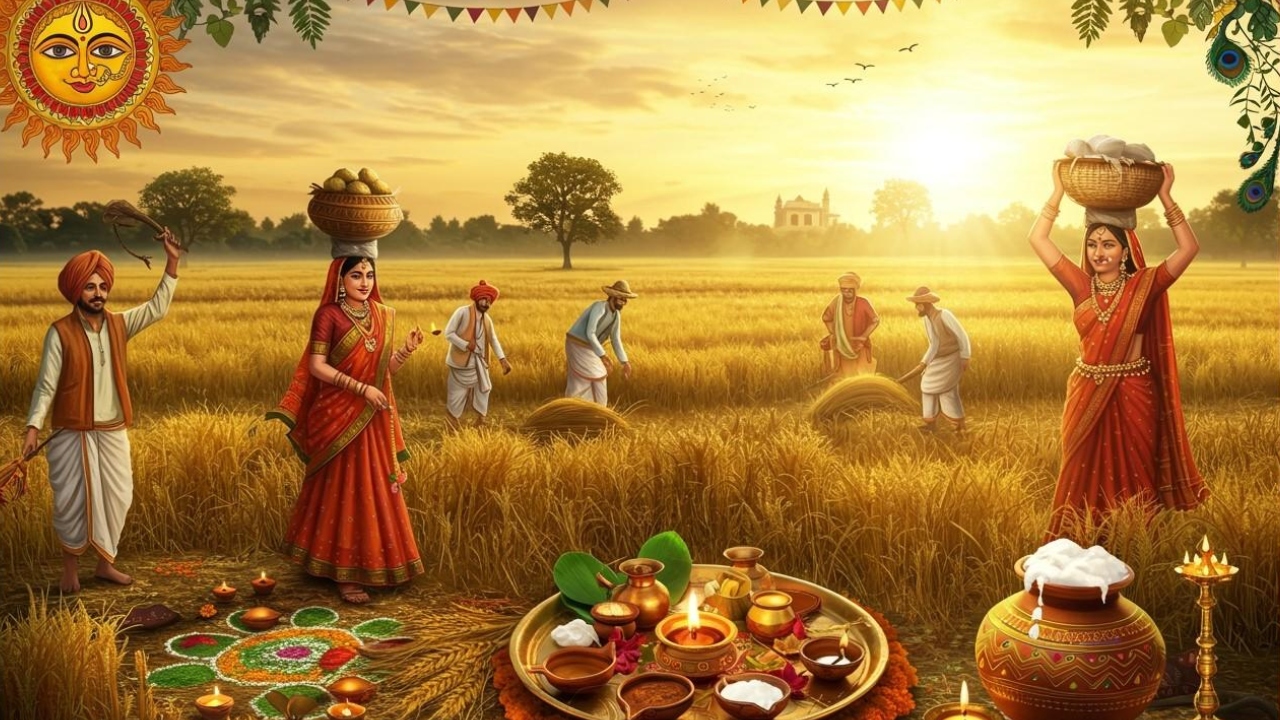
Why Makar Sankranti in Bihar Is Unique: Makar Sankranti is one of the most cherished harvest festivals in India, marking the Sun’s transition into the zodiac sign of Capricorn (Makar Rashi) and the beginning of Uttarayan — the northward journey of the Sun. While this festival is celebrated all over the country in various ways, Bihar has its own distinctive traditions and cultural customs that make the celebration deeply meaningful and unique.
1. Cultural and Spiritual Significance
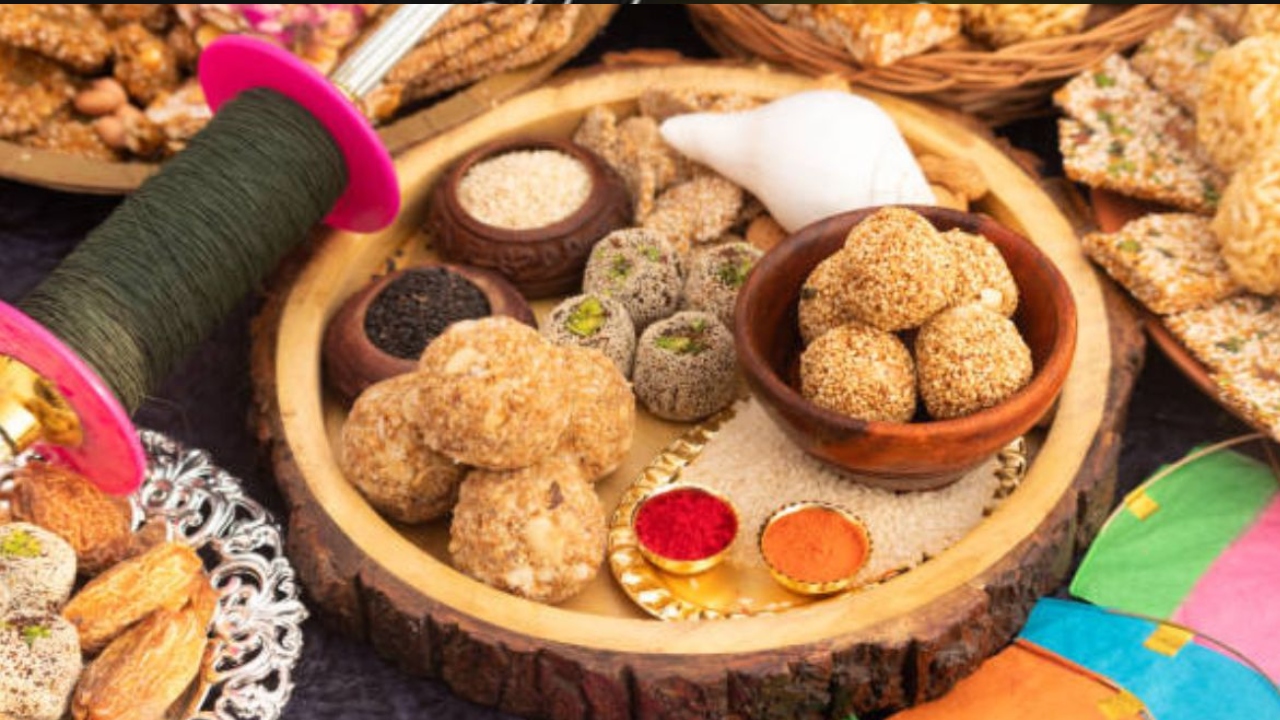
In Bihar, Makar Sankranti is more than just a harvest festival — it is a symbol of spiritual renewal, community bonding, and cultural identity. Traditionally known locally as Sakraat, Til Sankranti, or Khichdi, the festival marks the end of the long winter months and the beginning of longer, sunnier days. This shift of the Sun is believed to bring positivity, prosperity, and auspiciousness to households.
On this day people engage in ritual bathing, prayers to the Sun God (Surya Dev), charity, and special food preparations that hold deep symbolic meaning in local culture.
2. Morning Rituals: Holy Dip & Surya Puja
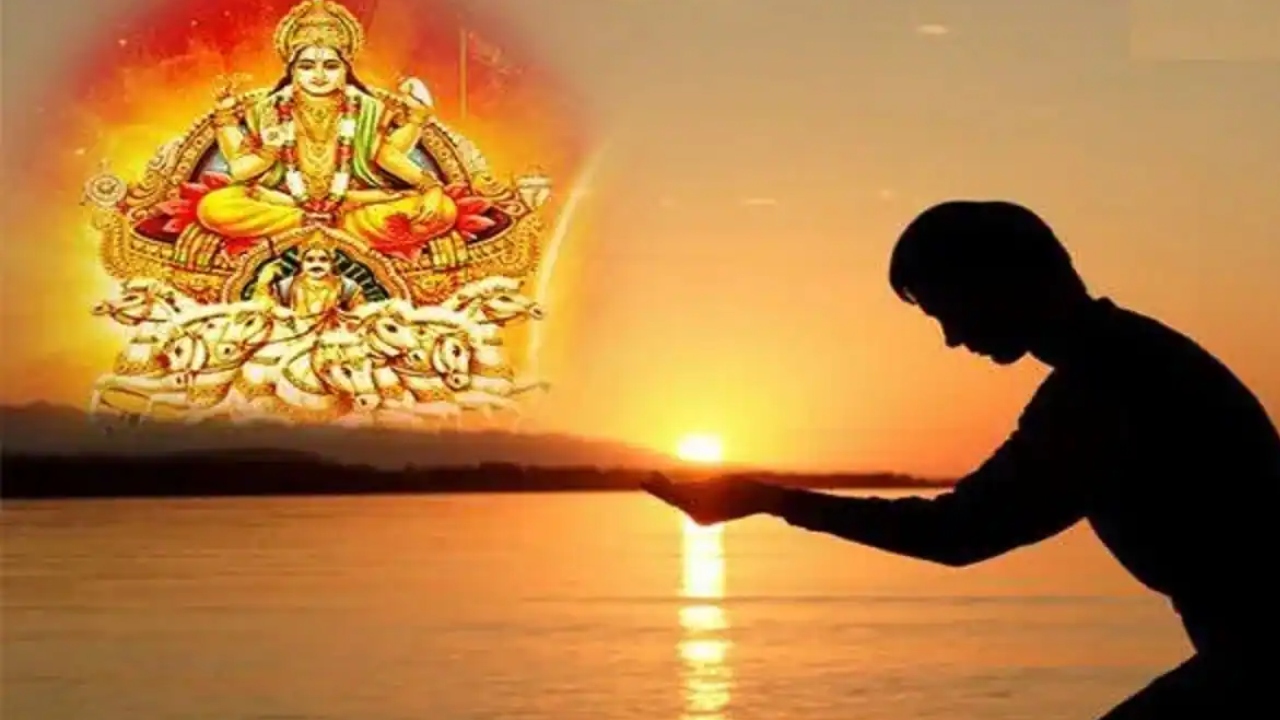
In Bihar, devotees often begin the day by taking a holy bath in sacred rivers such as the Ganga or local ponds. It is believed that bathing in holy water on Makar Sankranti cleanses one’s sins and renews one’s spirit for the year ahead.
After the holy dip, people perform Surya Puja — worship of the Sun God — offering water (Arghya) and prayers. This practice reflects gratitude for sunlight, life, and energy that nurtures crops and sustains life.
3. Traditional Foods & Festive Meals
Food forms a central part of Makar Sankranti celebrations in Bihar. The rich food culture during the festival is deeply rooted in local agrarian life and seasonal produce:
a) Dahi-Chura (Curd & Flattened Rice)
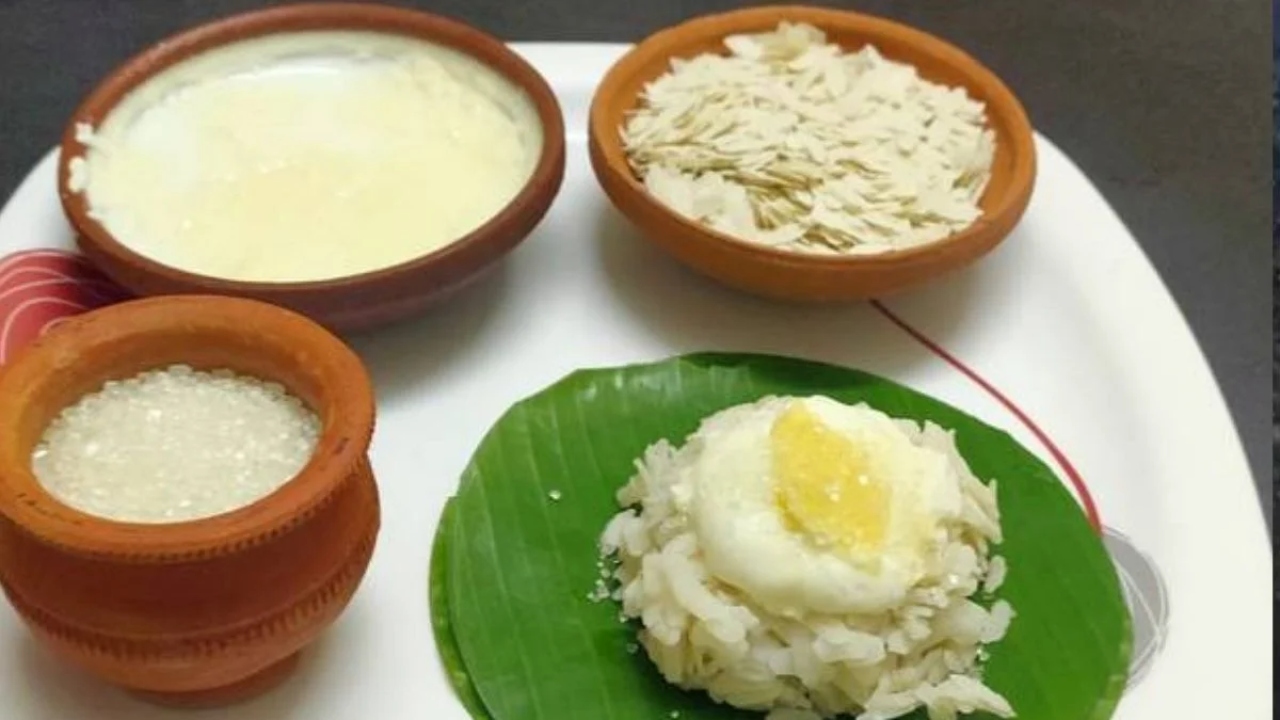
Dahi-chura made with freshly prepared curd (yogurt) and flattened rice (chura), often mixed with jaggery (gur), is a classic festive breakfast. It’s not only delicious but also believed to ward off winter ailments and provide strength after the morning bath.
b) Tilkut & Sesame Sweets
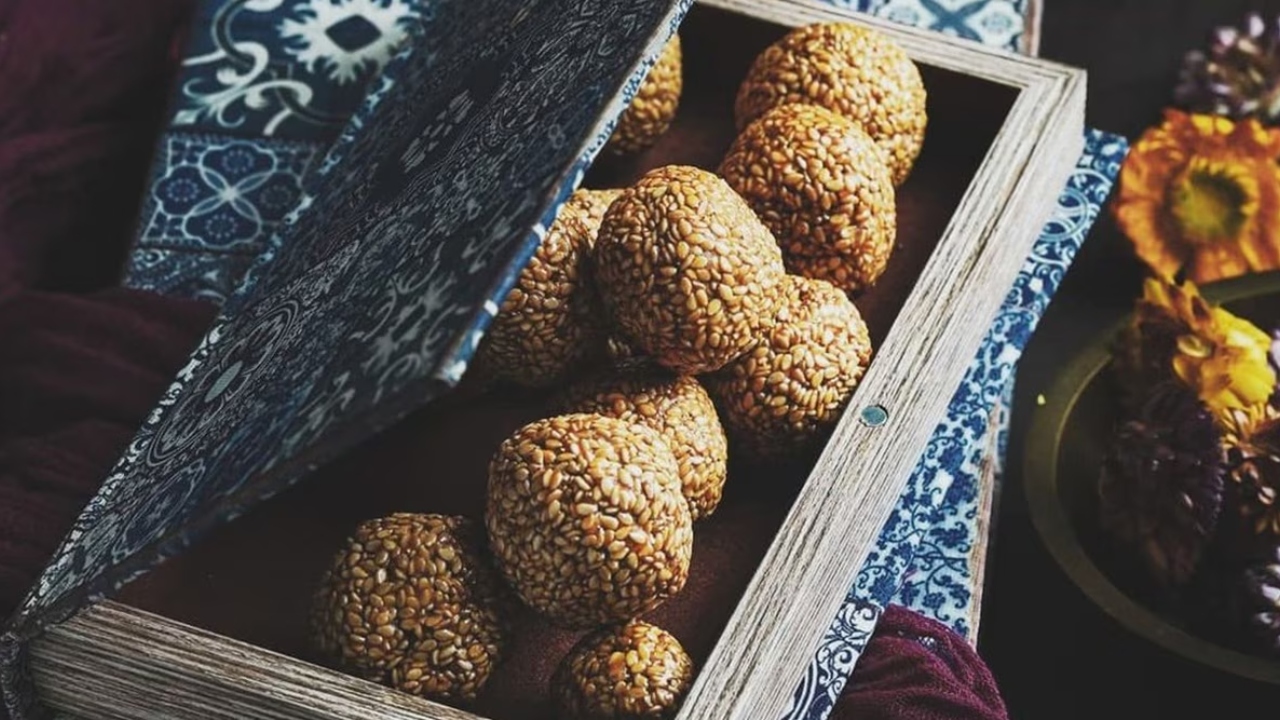
Sesame (til) and jaggery (gur) sweets like tilkut and til laddoos are iconic Bihar treats during Makar Sankranti. These sweets are nutritious and symbolic — sesame seeds represent warmth, and jaggery represents sweetness and togetherness. Gaya in Bihar is especially famous for making high-quality tilkut.
c) Khichdi and “Chaar Yaar”
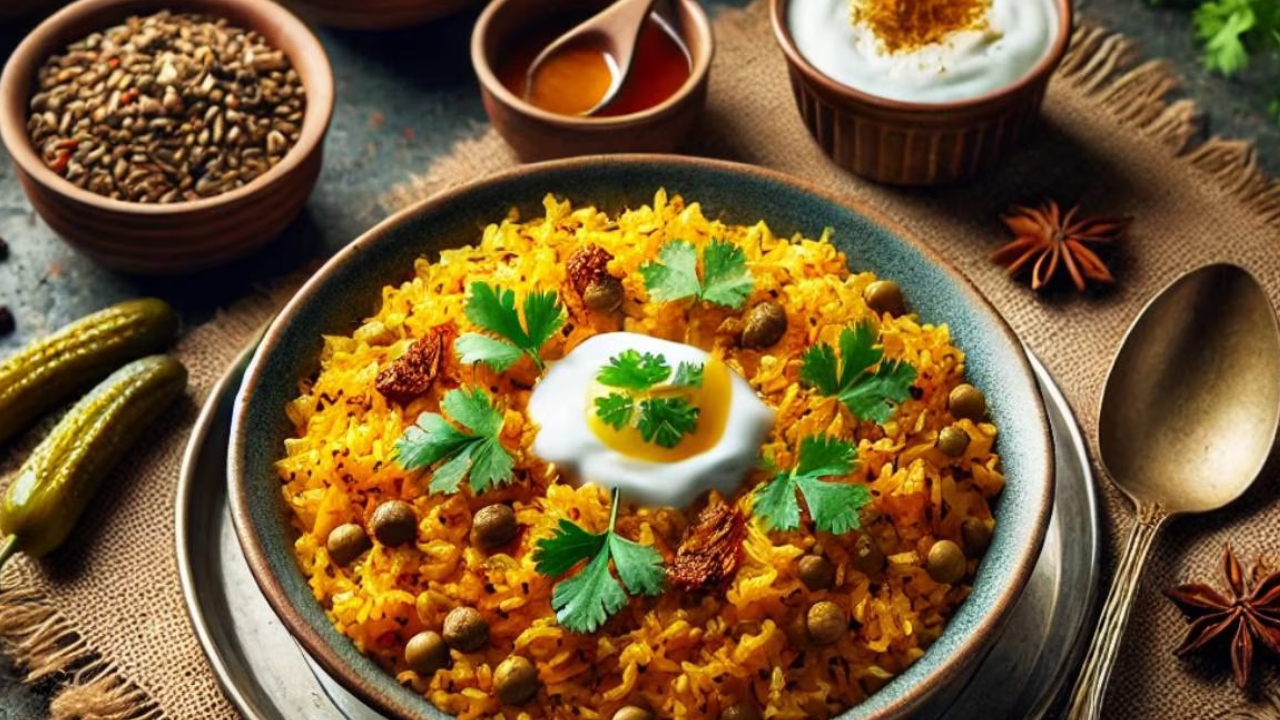
While khichdi (a wholesome dish of rice and lentils with vegetables) is widely associated with Makar Sankranti across North India, in Bihar it is often served late in the day as a main meal. It is typically accompanied by its four classic companion items — ghee, papad, achar (pickle), and chokha (roasted vegetables), collectively called “Chaar Yaar.”
4. Rituals of Giving & Social Traditions
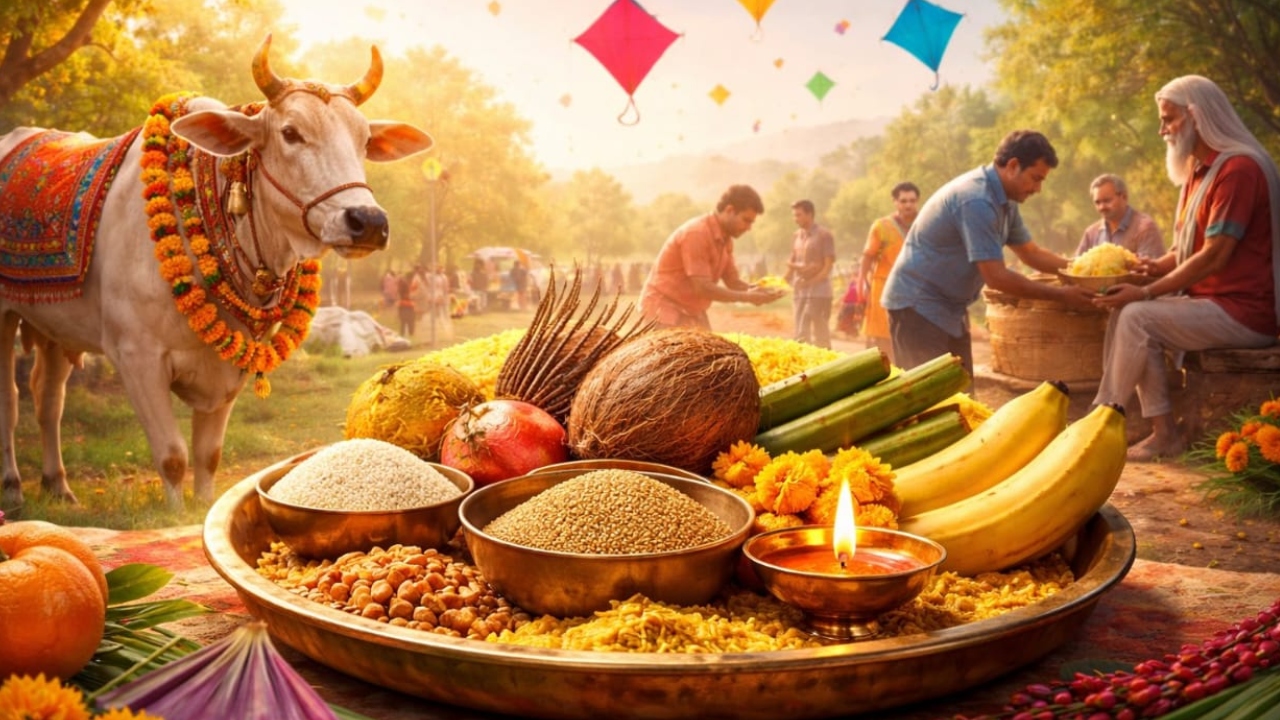
Charity holds great importance in the folk customs of Bihar during Makar Sankranti. People believe that donating food items, blankets, clothes, sesame sweets, and necessities to the needy on this day brings divine blessings and prosperity.
Mothers often give tilkut to their children as an affectionate gesture and a promise of care and familial bonds. In some communities, giving gifts and kitchen ware to younger family members also strengthens social ties.
5. Kite Flying & Outdoor Festivities
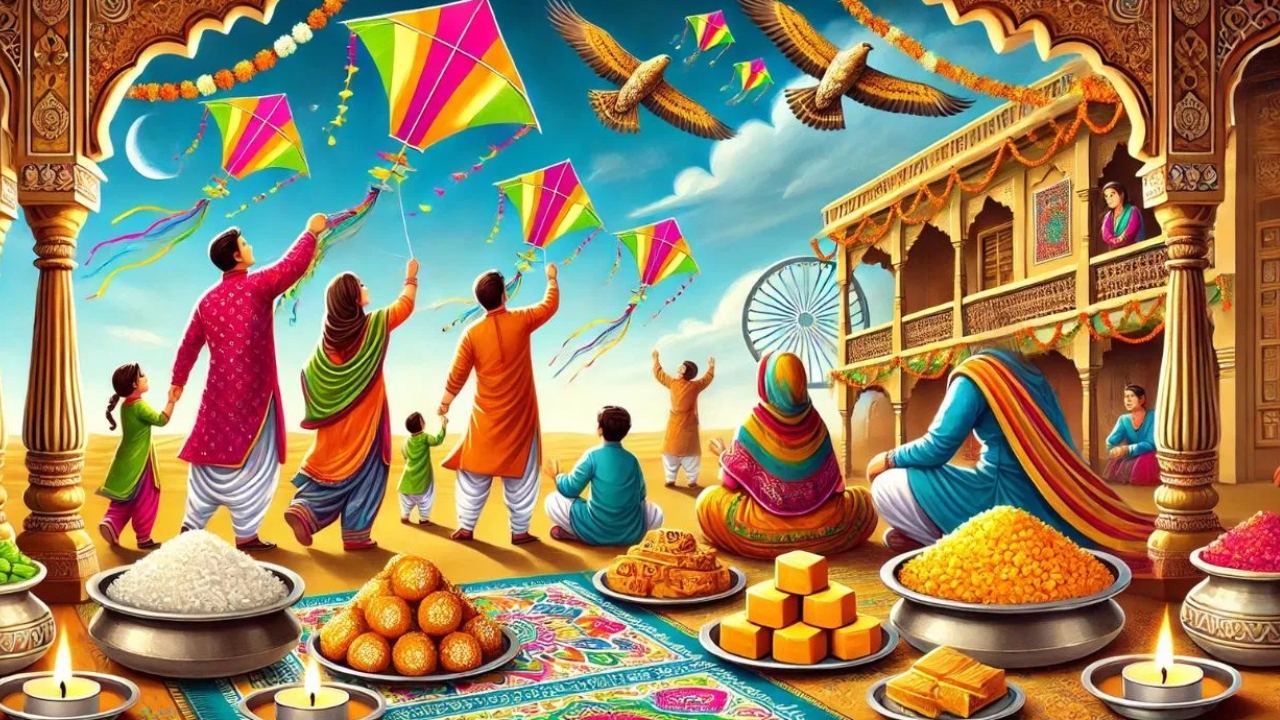
Although Bihar’s kite flying is not as massive as in Gujarat or Rajasthan, many families and children head to terraces and open spaces to fly kites, celebrating the sunny weather and communal spirit. The sky filled with colorful kites adds a festive charm and symbolizes joy, freedom, and good fortune for the season ahead.
6. Local Fairs and Community Events
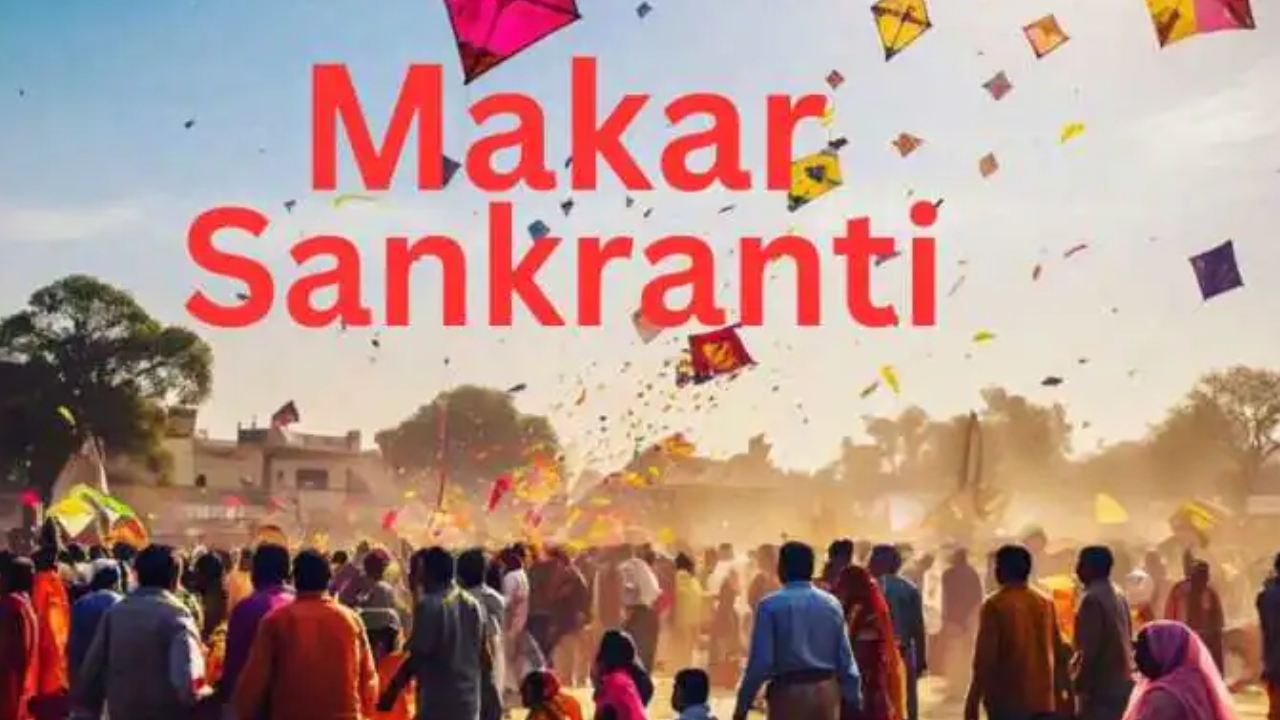
Across towns and villages in Bihar, Makar Sankranti often coincides with local fairs (melas) where people gather for cultural programs, traditional music, and market stalls selling seasonal foods and sweets. These gatherings strengthen community bonds and preserve local art and culture.
7. Significance for Farmers and Harvest
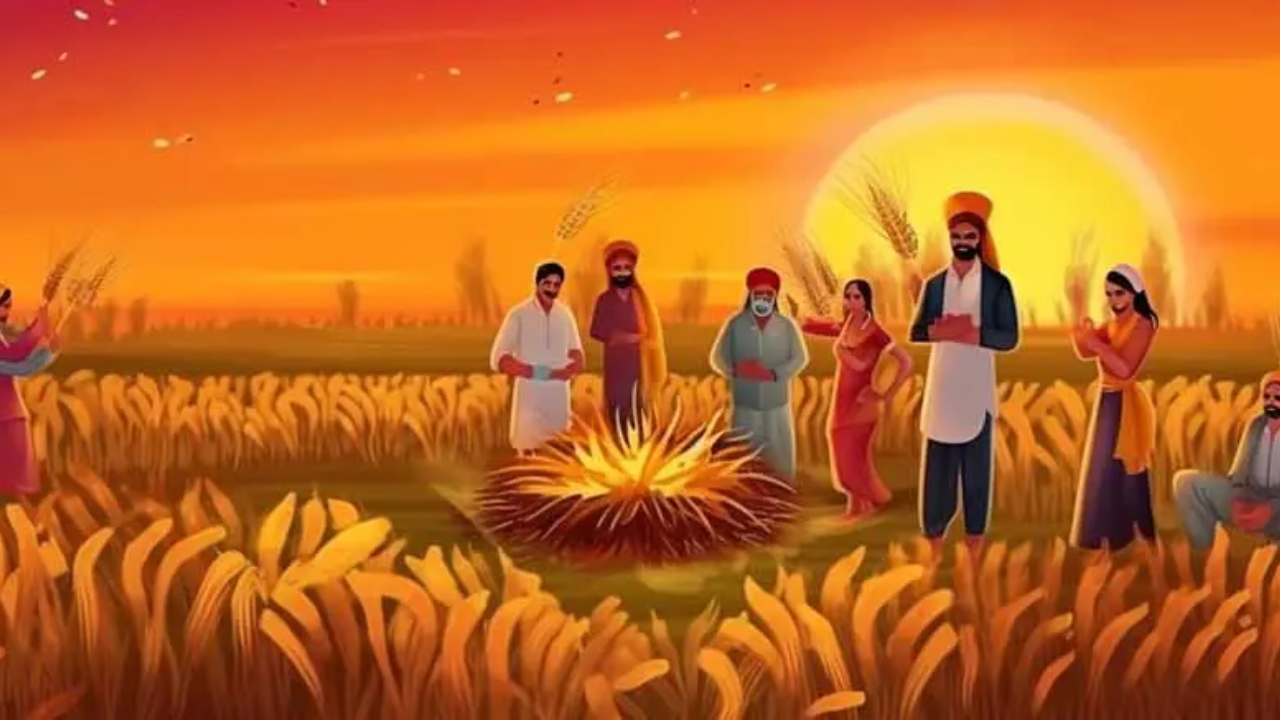
For agrarian communities in Bihar, Makar Sankranti also marks an important agricultural milestone. It signifies the end of winter farming chores and the beginning of the Rabi crop season. Traditionally, it was a day for farmers to share their first harvest, express gratitude to the Sun, and pray for a good crop season ahead.
Makar Sankranti in Bihar is a vibrant blend of religious devotion, cultural traditions, culinary delights, and social bonding. From holy river baths and Surya worship to Dahi-Chura, tilkut, khichdi feasts, kite flying, and community charity — the celebration reflects the rich tapestry of Bihar’s cultural heritage. It is not only a harvest festival but also a reminder of gratitude, unity, health, and hope as communities welcome longer days and the promise of prosperity.
About the Author


