Shab-e-Barat is one of the most spiritually significant nights in Islam, observed by Muslims across the world, especially in South Asia, the Middle East, and parts of Africa. The night holds deep religious importance as it is believed to be a time of divine mercy, forgiveness, and destiny. But why exactly is Shab-e-Barat known as the Night of Forgiveness? To understand this, we must explore its meaning, religious background, and Islamic beliefs associated with this sacred night.
Meaning of Shab-e-Barat
The term Shab-e-Barat is derived from two Persian and Arabic words:
- “Shab” means “night.”
- Barat means forgiveness, freedom, or deliverance
Together, Shab-e-Barat literally translates to “The Night of Freedom” or “The Night of Forgiveness.” It signifies a night when believers seek liberation from sins and divine punishment through repentance and prayer.
When Is Shab-e-Barat Observed?
Shab-e-Barat is observed on the 15th night of the Islamic month of Shaban, which comes just before the holy month of Ramadan. According to the Islamic lunar calendar, the day begins at sunset, so the observance starts on the evening of the 14th of Shaban and continues through the night.
This timing is significant because Shaban is considered a preparatory month for Ramadan, making Shab-e-Barat an opportunity for spiritual cleansing before the month of fasting.
Religious Significance in Islam
Shab-e-Barat is believed to be the night when Allah’s mercy descends upon the world and sins are forgiven for those who sincerely repent. Various Islamic traditions describe this night as a time when Allah looks upon His creation and grants forgiveness to countless souls.
Many Islamic scholars refer to narrations that suggest on this night:
- The deeds of people are reviewed
- The destinies of individuals for the coming year are written
- Life, death, and sustenance are decided by Allah’s will
Because of these beliefs, Muslims consider it a powerful night for prayer, repentance, and seeking forgiveness.
Why Is It Called the Night of Forgiveness?
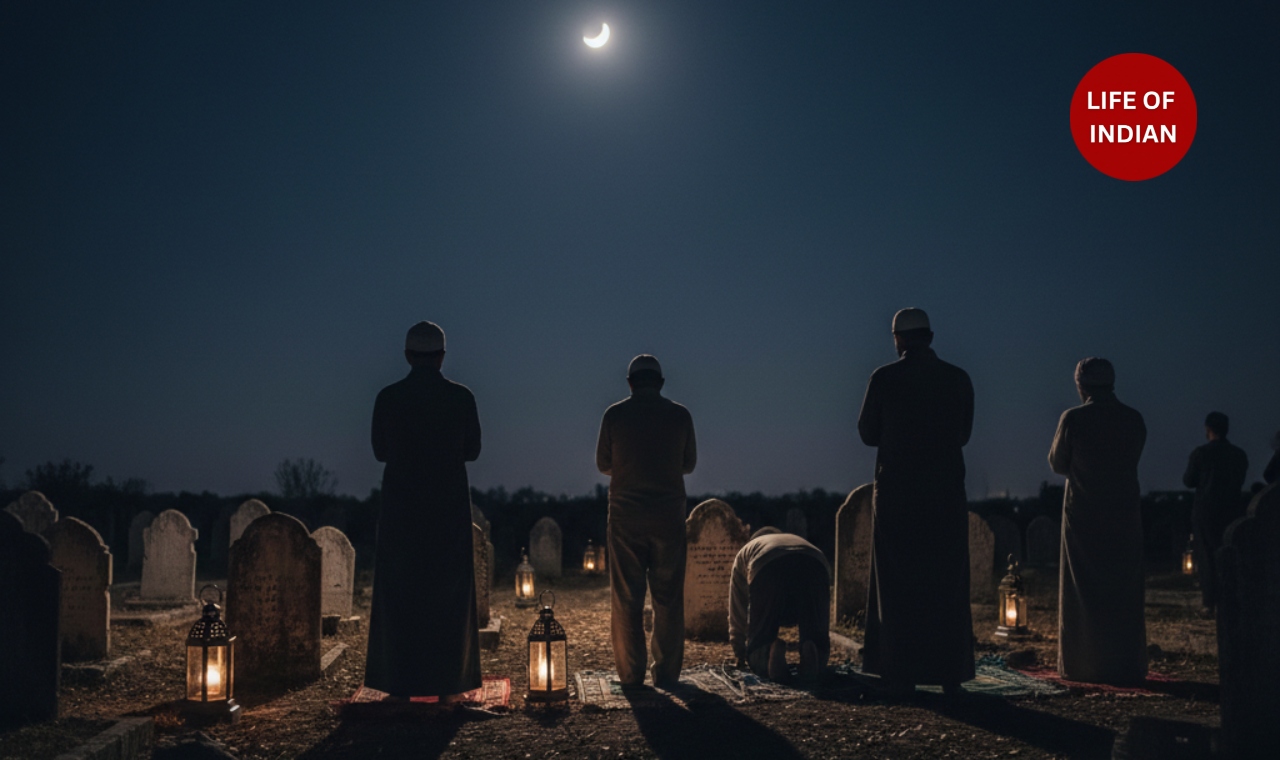
Shab-e-Barat is called the Night of Forgiveness due to the strong emphasis on seeking Allah’s mercy and pardon. Islamic teachings encourage believers to turn to Allah with sincere repentance (Tawbah) on this night.
According to widely cited Islamic narrations, Allah forgives the sins of those who:
- Seek forgiveness with sincerity
- Pray with humility
- Avoid hatred, jealousy, and enmity
- Mend broken relationships
However, it is also believed that forgiveness may be withheld from those who persist in severe wrongdoing or refuse to reconcile with others.
Cultural Practices and Regional Traditions
While Shab-e-Barat has strong religious roots, its observance also includes cultural traditions in different regions:
- In India, Pakistan, and Bangladesh, people prepare sweets and distribute them among neighbors.
- Mosques remain open throughout the night for prayers.
- Graveyard visits are common, where people pray for deceased family members.
Islamic scholars emphasize that while cultural practices are widespread, the core essence of Shab-e-Barat lies in sincere worship and self-reflection.
Shab-e-Barat and the Concept of Destiny
One of the key beliefs associated with Shab-e-Barat is that human destiny for the coming year is decreed on this night. This belief reinforces the importance of prayer, as Muslims ask Allah to write their fate with goodness, health, and faith.
The night serves as a reminder that life is temporary and entirely dependent on divine will, encouraging believers to live with righteousness and humility.
Spiritual Message of Shab-e-Barat
At its heart, Shab-e-Barat conveys a universal spiritual message:
- Forgiveness is always accessible
- Repentance can transform lives
- Mercy outweighs punishment
The night urges believers to cleanse their hearts, forgive others, and renew their relationship with Allah before Ramadan begins.
Shab-e-Barat is called the Night of Forgiveness because it symbolizes Allah’s infinite mercy and the opportunity for believers to seek pardon for their sins. Rooted in Islamic tradition, the night encourages repentance, prayer, and moral renewal. Beyond rituals, Shab-e-Barat reminds Muslims of accountability, compassion, and the power of forgiveness—both divine and human.
For millions of believers, this sacred night is not just a date on the calendar but a profound spiritual turning point toward a better and more conscious life.