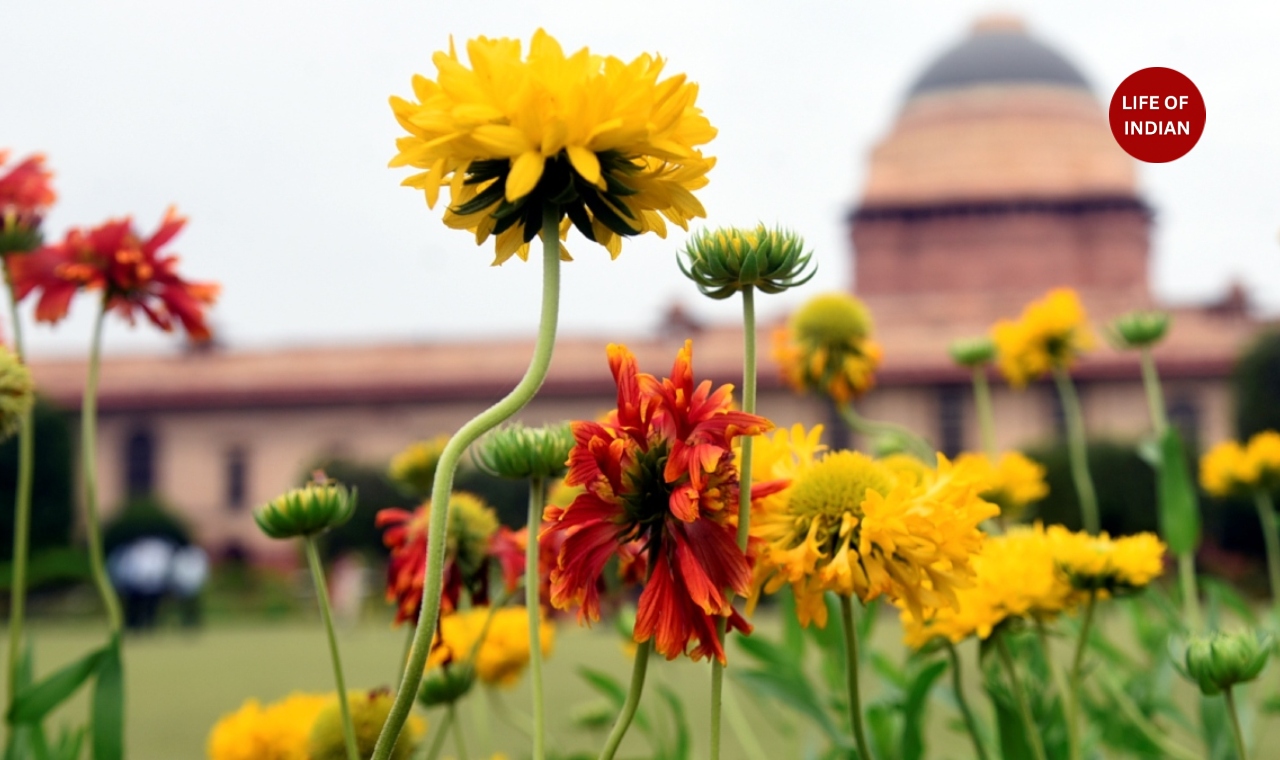
Amrit Udyan, located inside the Rashtrapati Bhavan complex in New Delhi, is one of India’s most iconic and carefully curated gardens. Every year, lakhs of visitors eagerly wait for its opening—but one question is often asked: Why does Amrit Udyan open only in February and not at any other time of the year?
The answer lies in a combination of climate conditions, flowering cycles, horticultural planning, and administrative factors. This article explains the real reasons behind the February opening of Amrit Udyan in a simple and informative way.
Ideal Climate Conditions in February
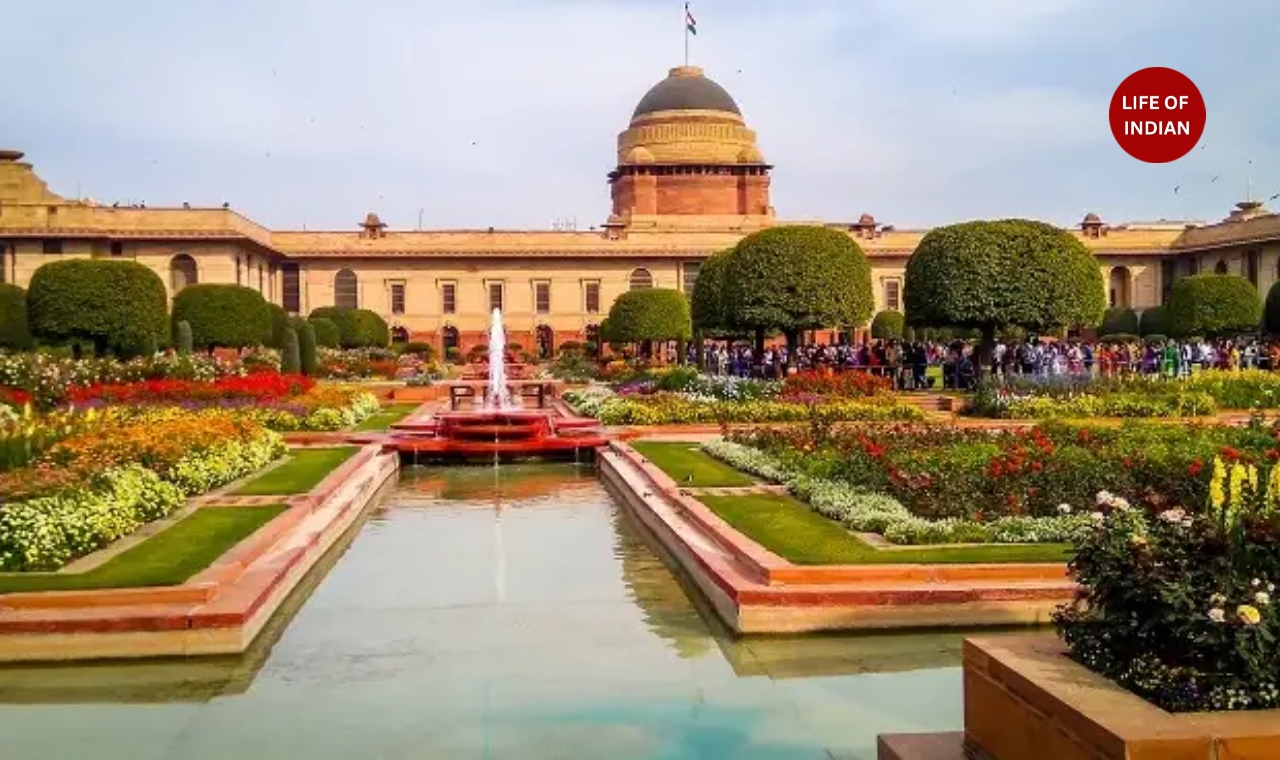
February marks the transition from winter to early spring in Delhi. During this period:
- Temperatures remain moderate (neither too cold nor too hot)
- Days are pleasant and sunny
- Humidity is low
- There is minimal risk of heatwaves or monsoon damage
These conditions are ideal for both flower blooming and visitor comfort. Opening the garden in peak summer or monsoon would not only damage plants but also make public visits uncomfortable and unsafe.
Peak Blooming Season of Flowers
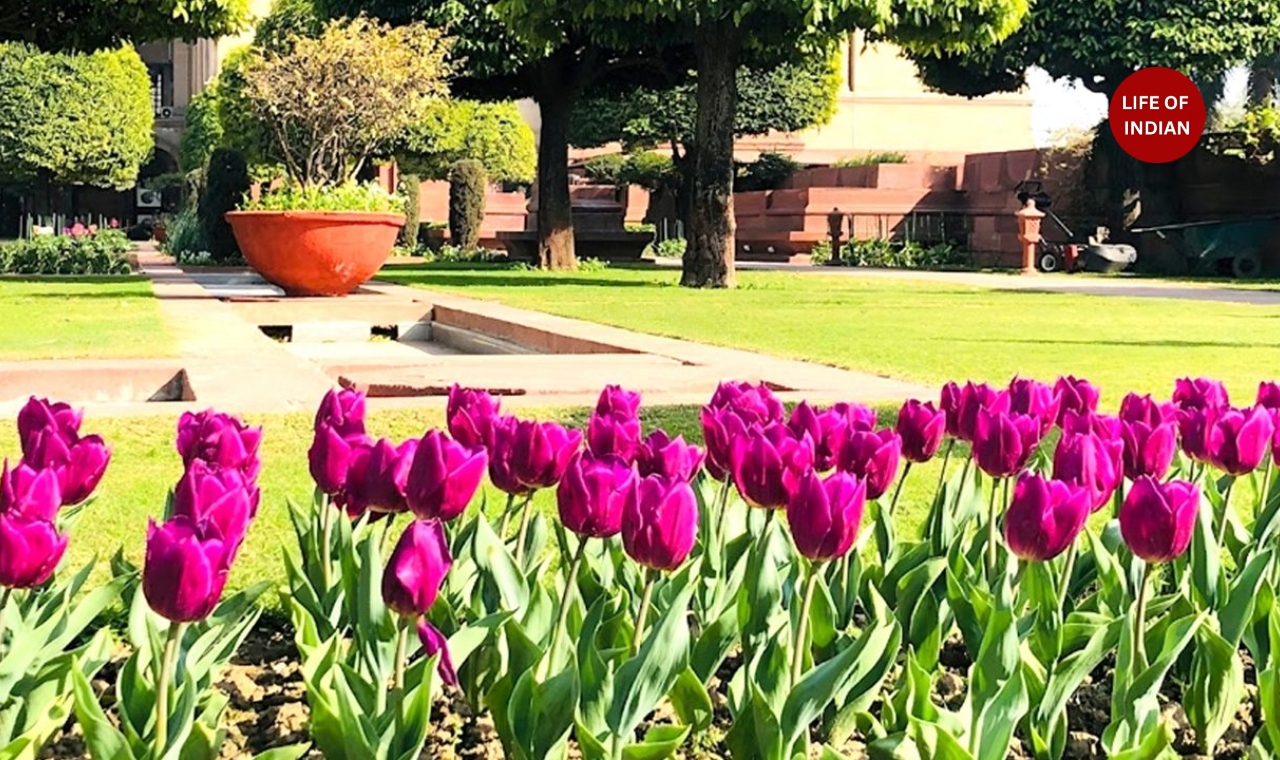
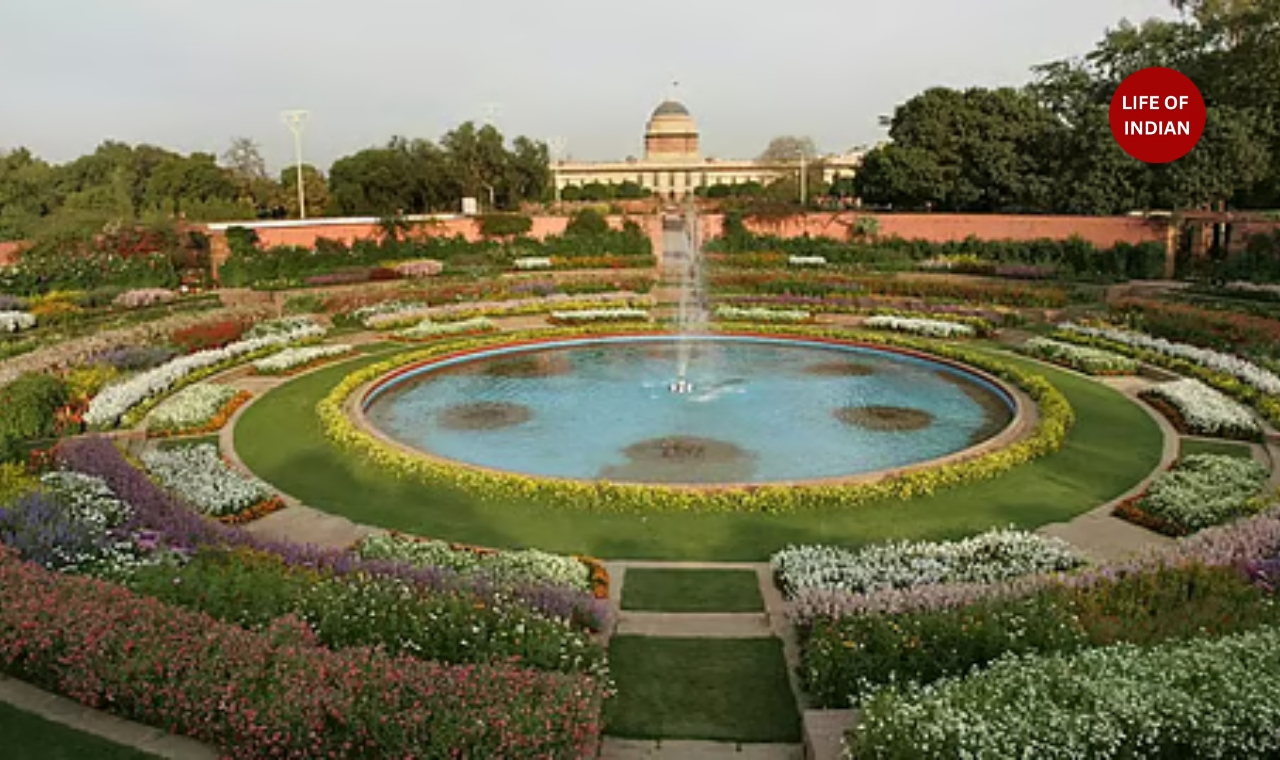
Amrit Udyan is famous for its seasonal flowers, including:
- Tulips
- Roses
- Petunias
- Pansies
- Calendulas
- Sweet peas
Most of these flowers are winter-sown plants that reach full bloom between February and March. If the garden were opened earlier, many flowers would still be in the growing stage. Opening later would mean flowers start wilting due to rising temperatures.
February ensures visitors see the garden at its most colorful and vibrant stage.
Long Preparation and Maintenance Cycle

Amrit Udyan is not a regular public park—it is a high-security heritage garden maintained by expert horticulturists.
- Flower beds are prepared months in advance (October–November)
- Soil conditioning, pruning, and fertilization are done carefully
- Plants are nurtured under strict supervision
- Lawns and water channels are aligned for aesthetic symmetry
By February, the garden reaches visual perfection, making it suitable for public viewing.
Protection of Heritage Landscape
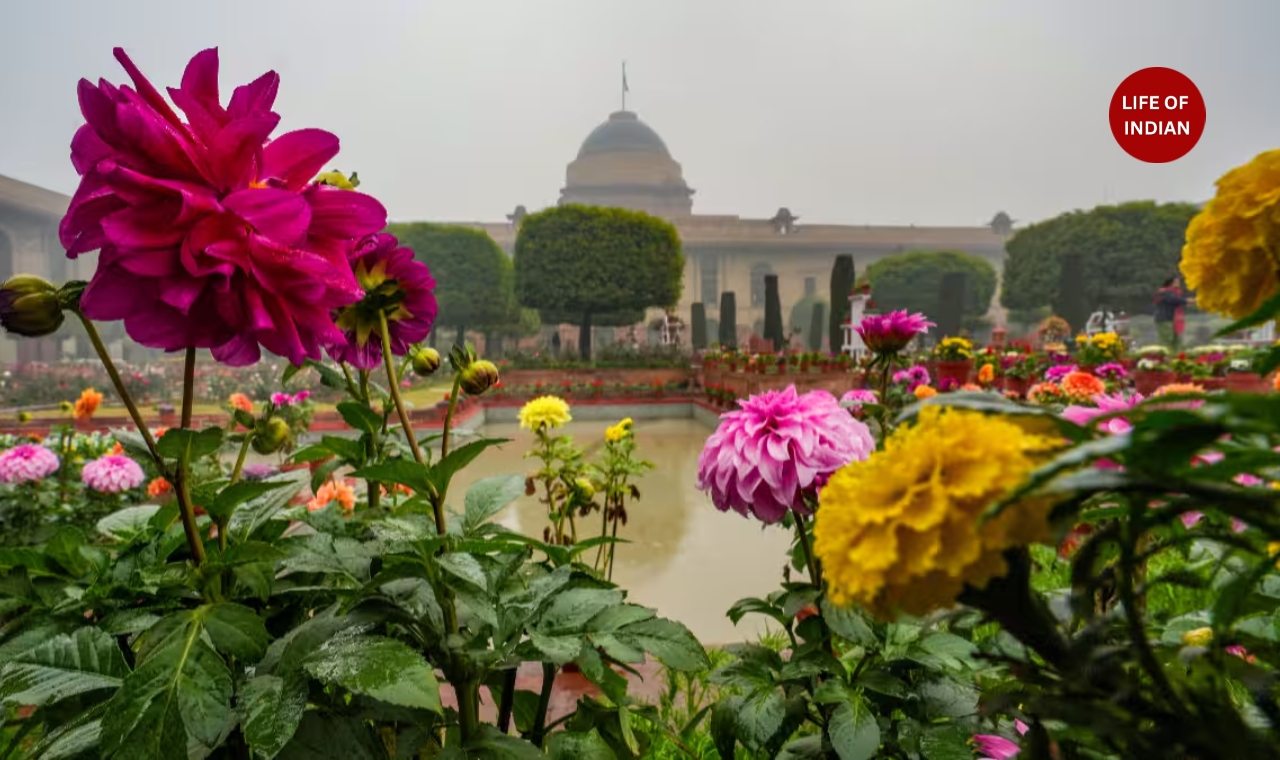
The garden is part of the President’s official residence, and preserving its structure is a top priority.
Opening it only once a year:
- Prevents excessive footfall damage
- Protects rare and delicate plant species
- Maintains long-term ecological balance
Limited-time access ensures sustainability without compromising the garden’s heritage value.
Visitor Safety and Crowd Management

February offers a safer environment for large crowds:
- No extreme heat
- No heavy rains
- Better air quality compared to winter fog months
This allows authorities to manage:
- Security checks smoothly
- Elderly and child visitors comfortably
- Long walking routes without health risks
Alignment With National & Cultural Calendar

February–March is also strategically suitable because:
- Major exams and peak summer vacations haven’t started
- The period comes just before Holi
- It aligns with Delhi’s tourism season
This helps attract both local visitors and tourists without overwhelming the city infrastructure.
Why Not Open It Year-Round?
Many people wonder why Amrit Udyan isn’t open throughout the year. The reasons include:
- Seasonal nature of flowering plants
- High maintenance costs
- Security protocols of Rashtrapati Bhavan
- Need to restore the garden after public access
Opening it year-round would compromise both beauty and preservation.
Historical Practice and Tradition

Earlier known as the Mughal Gardens, this tradition of opening in late winter has existed for decades. Over time, horticulture experts found that February is the most visually rewarding and environmentally suitable month for public access.
The name may have changed to Amrit Udyan, but the scientific and practical reasoning behind its opening schedule remains the same.
Amrit Udyan opens in February because it is the perfect balance point between nature, climate, and conservation. From ideal weather and peak flower bloom to visitor safety and heritage protection, every factor supports this carefully chosen timing.
So when you walk through Amrit Udyan in February, you’re not just enjoying a garden—you’re witnessing months of planning, science, and tradition coming together at the right moment.