
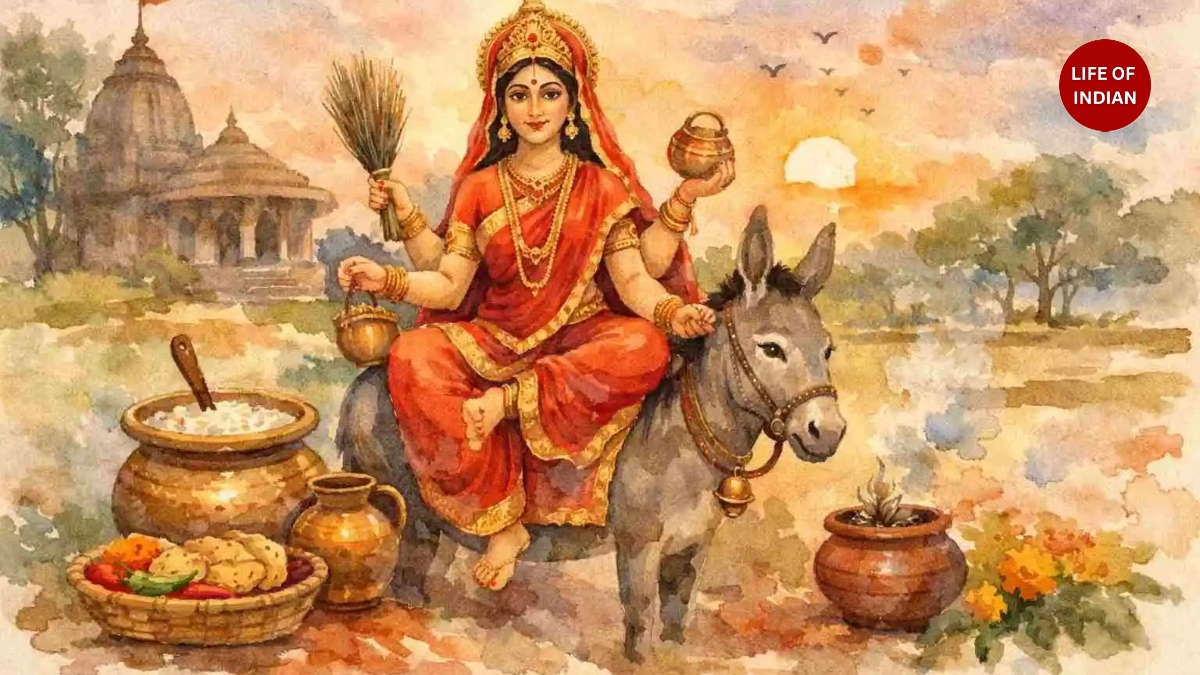
In India, festivals are not just celebrations — they are deeply connected to faith, culture, and the wisdom passed down through generations. Among these sacred traditions is Sheetala Ashtami, a festival dedicated to Goddess Sheetala, who is believed to protect devotees from diseases and bring health and well-being to families.
Across many parts of India, especially in North and Western regions, people wake up early on this day, visit temples, and offer prayers with deep devotion. One of the most unique traditions of this festival is that no fresh food is cooked on the day of Sheetala Ashtami. Instead, families eat food prepared a day earlier and offer the same as prasad to the goddess.
In 2026, Sheetala Ashtami will be observed on March 11, and devotees across the country will worship Goddess Sheetala for protection, good health, and peace in their homes.
What is Sheetala Ashtami?

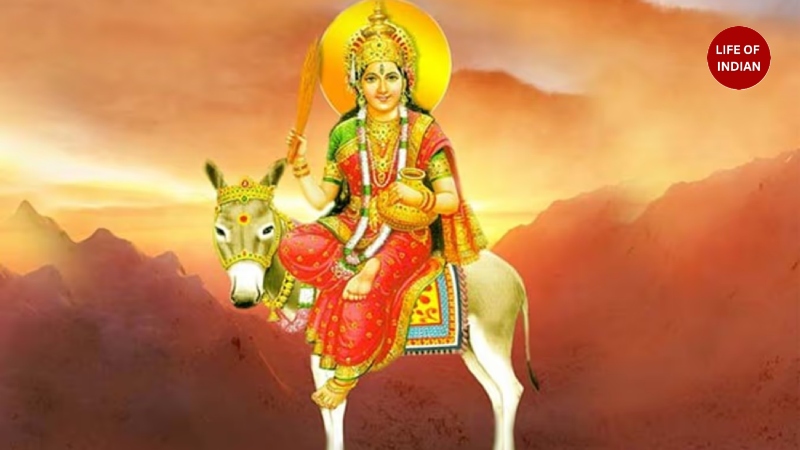
Sheetala Ashtami is an important Hindu festival observed on the eighth day (Ashtami) of the Krishna Paksha in the month of Chaitra, according to the Hindu calendar. The festival is dedicated to Goddess Sheetala, who is regarded as the divine protector against infectious diseases.
The word “Sheetala” means cooling or soothing, symbolizing calmness and healing. Traditionally, people pray to the goddess to protect their families from illnesses and to maintain good health.
Because of this belief, devotees follow rituals that emphasize purity, simplicity, and respect for nature.
Mythological Background of Goddess Sheetala
In Hindu mythology, Goddess Sheetala is known as the goddess who controls and cures diseases. In ancient times, when outbreaks of illnesses like smallpox were common, people worshipped Goddess Sheetala and prayed for protection.
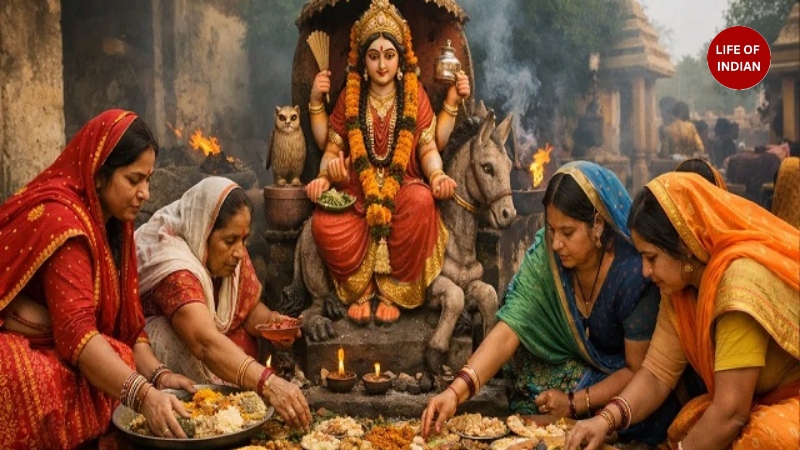
She is often depicted riding a donkey and holding several symbolic items in her hands:
- A broom, symbolizing cleanliness and the removal of diseases
- A water pot, representing healing and purification
- Neem leaves, known for their medicinal properties
- A winnowing fan, used to spread cooling air
These symbols reflect the ancient understanding that cleanliness, natural remedies, and balance in life are essential for good health.
Why is Sheetala Ashtami Celebrated?
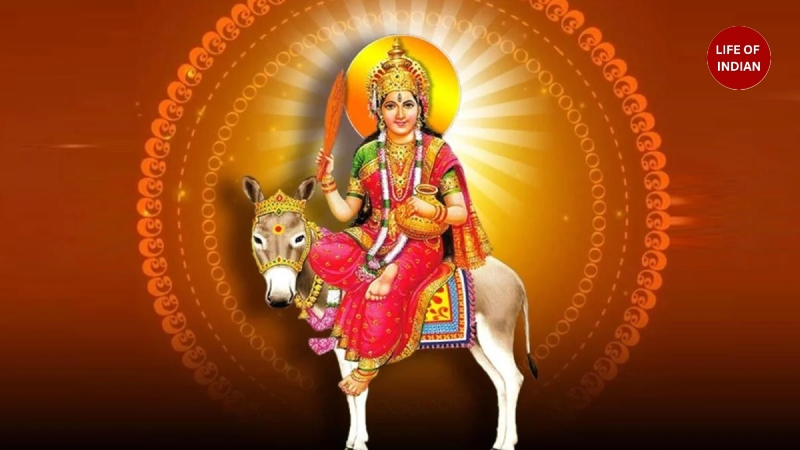
The festival carries both religious and cultural importance.
Protection from diseases
Devotees believe that worshipping Goddess Sheetala protects families from infections and illnesses.
Blessings for children
Many families perform special prayers for the health and well-being of children, as the goddess is believed to protect them from diseases.
Message of hygiene and balance
The rituals associated with Sheetala Ashtami also promote cleanliness, discipline, and a balanced lifestyle.
Unique Tradition: Eating Cold Food
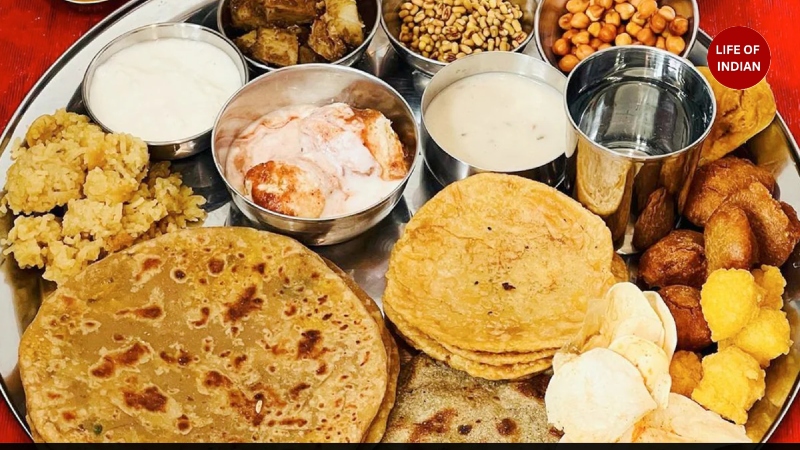
One of the most interesting traditions of Sheetala Ashtami is that no cooking is done on the day of the festival.
Food is prepared on the previous day, known as Saptami, and stored overnight. On the day of the festival, this food is offered to the goddess and then eaten by family members.
In many regions, this tradition is known as “Basoda” or “Basora”.
Foods commonly offered as prasad include:
- Poori
- Sweet dishes such as halwa
- Jaggery
- Gram or chickpeas
- Curd and other traditional items
This practice symbolizes coolness, simplicity, and devotion to the goddess.
How Sheetala Ashtami is Celebrated
The celebration of Sheetala Ashtami follows several traditional rituals.
Early morning prayers
Devotees wake up early in the morning, take a bath, and visit Sheetala Mata temples to offer prayers.
Worship of the goddess
Special offerings are made to the goddess, including cold food, flowers, neem leaves, and water.
Family prayers
Families pray together for health, protection, and happiness.
Temple visits and community gatherings
In many villages and towns, devotees gather at temples, and the festival becomes a community celebration of faith and tradition.
Importance of Neem in the Festival
Neem leaves play an important role in the worship of Goddess Sheetala. Neem has been known in traditional medicine for its antibacterial and healing properties.
In many homes, neem leaves are placed near the place of worship or used in rituals as a symbol of purification and protection from diseases.
Where is Sheetala Ashtami Celebrated?
Sheetala Ashtami is widely celebrated in several Indian states, including:
- Rajasthan
- Gujarat
- Uttar Pradesh
- Madhya Pradesh
- Haryana
In Rajasthan and Gujarat, the festival is popularly known as Basoda festival, and it is celebrated with great devotion and traditional rituals.
Sheetala Ashtami 2026 Date
- Festival: Sheetala Ashtami
- Date: March 11, 2026
- Day: Wednesday
On this day, devotees across India will worship Goddess Sheetala and pray for good health, peace, and protection from diseases.
Sheetala Ashtami is more than just a religious festival — it is a beautiful reminder of the connection between faith, health, and traditional wisdom.
Through simple rituals like offering cold food, using neem leaves, and maintaining cleanliness, the festival reflects the knowledge and cultural practices that have been followed in Indian society for centuries.
By worshipping Goddess Sheetala with devotion, people express their gratitude and seek blessings for a healthy, peaceful, and prosperous life.
FAQ Section
1. When is Sheetala Ashtami in 2026?
Sheetala Ashtami will be celebrated on March 11, 2026, according to the Hindu calendar during the Krishna Paksha Ashtami of Chaitra month.
2. Why is Sheetala Ashtami celebrated?
Sheetala Ashtami is dedicated to Goddess Sheetala, who is believed to protect devotees from diseases and bring health and prosperity to families.
3. Why is cold food eaten on Sheetala Ashtami?
According to tradition, food is prepared a day earlier and eaten cold on the day of the festival. This practice symbolizes calmness and devotion toward Goddess Sheetala, whose name itself means “cooling”.
4. What foods are offered to Goddess Sheetala?
Devotees usually offer poori, halwa, curd, jaggery, sweet dishes, and gram as prasad during the worship.
5. In which states is Sheetala Ashtami celebrated?
Sheetala Ashtami is widely celebrated in Rajasthan, Gujarat, Uttar Pradesh, Madhya Pradesh, and Haryana, where it is also known as Basoda festival.