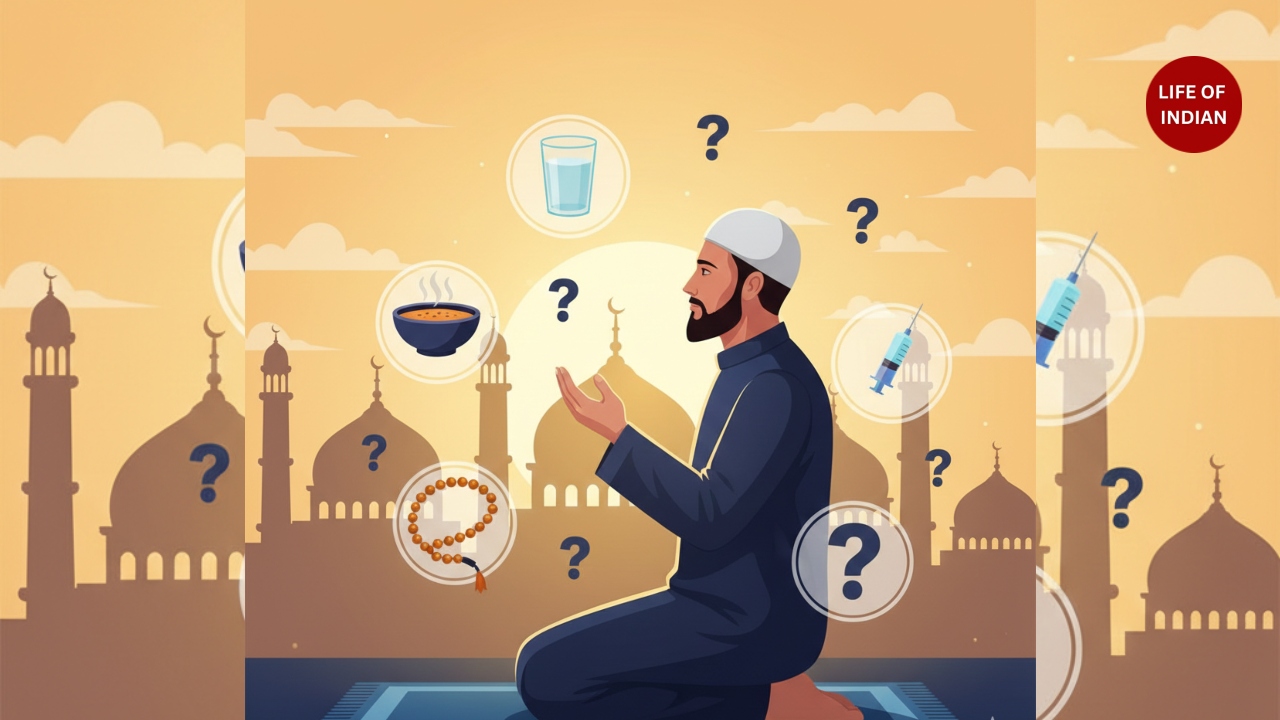
Ramadan is the holiest month in Islam, observed by millions of Muslims worldwide through fasting, prayer, and spiritual reflection. Fasting (Sawm) is one of the Five Pillars of Islam and requires Muslims to abstain from food, drink, and certain actions from dawn (Fajr) until sunset (Maghrib).
However, many people—especially beginners—often wonder: What breaks a fast in Ramadan?
In this complete guide, we will explain what invalidates a fast, what does not break a fast, and important rules every Muslim should know.
What Does It Mean to Break a Fast?
To “break” a fast means to invalidate it before sunset. If a fast is broken intentionally without a valid Islamic reason, the person may need to make up the fast (Qadha) and in some cases offer Kaffarah (compensation).
Islam clearly defines certain actions that invalidate fasting.
What Is Ramadan? Meaning, Fasting Rules, History & Spiritual Significance
What Breaks a Fast in Ramadan?
Below are the main actions that break a fast according to Islamic teachings.
Eating or Drinking Intentionally
If a person eats or drinks deliberately during fasting hours, the fast is immediately broken.
This includes:
- Water
- Tea or coffee
- Juice
- Snacks or meals
- Chewing gum (if swallowed)
⚠ However, if someone eats or drinks forgetfully, their fast is still valid. The Prophet Muhammad (peace be upon him) said that if someone forgets and eats, it is Allah who fed them.
Sexual Intercourse During Fasting Hours
Engaging in sexual relations between Fajr and Maghrib breaks the fast.
This is considered a serious violation. In such cases:
- The fast must be made up (Qadha).
- Kaffarah may be required (fasting for 60 consecutive days or feeding 60 poor people).
Intentional Vomiting
If someone deliberately induces vomiting, their fast becomes invalid.
However:
- If vomiting happens unintentionally, the fast remains valid.
Menstruation (Hayd) or Postpartum Bleeding (Nifas)
If a woman begins menstruation during fasting hours—even just before sunset—the fast becomes invalid.
She must:
- Stop fasting.
- Make up the missed fast after Ramadan.
Ejaculation Caused by Deliberate Stimulation
If ejaculation occurs due to intentional physical stimulation, the fast breaks.
However:
Unintentional nocturnal emission (wet dream) does NOT break the fast.
Receiving Nutritional Injections or IV Drips
If a person receives injections that provide nutrition (like glucose drips), it breaks the fast.
Non-nutritional injections (like vaccines or pain relief injections) generally do NOT break the fast.
Apostasy (Leaving Islam)
If a person leaves Islam during fasting hours, the fast becomes invalid.
Ramadan 2026 Begins in India: Check Full Sehri & Iftar Timings
What Does NOT Break a Fast?
Many people are confused about small everyday actions. Here are things that do NOT break the fast:
- Brushing teeth (without swallowing toothpaste)
- Using miswak
- Taking a shower
- Applying perfume
- Using eye drops
- Accidental swallowing of water
- Blood test
- Forgetting and eating
- Inhaling dust unintentionally
Does Drinking Water Break a Fast?
Yes. Drinking water intentionally during fasting hours breaks the fast.
Fasting means complete abstinence from food and drink from dawn to sunset.
What If Someone Breaks the Fast by Mistake?
If a person:
- Eats or drinks forgetfully → Fast is valid.
- Swallows water accidentally → Fast is valid.
- Makes an honest mistake → Fast is valid in most cases.
Islam is a religion of mercy and does not punish honest mistakes.
What Is Kaffarah for Breaking a Fast?
If someone intentionally breaks a fast without a valid reason, they may have to:
-
Fast for 60 consecutive days
OR -
Feed 60 poor people
This applies mainly in cases of sexual intercourse during fasting hours.
Ramadan 2026: Significance, Fasting Rules & Spiritual Importance
Who Is Exempt from Fasting?
Islam gives relaxation to certain people:
- Sick individuals
- Elderly people
- Pregnant women
- Breastfeeding mothers
- Travelers
They can make up the fast later or offer compensation if unable.
Spiritual Importance of Protecting Your Fast
Ramadan is not just about avoiding food and drink. It also requires avoiding:
- Lying
- Backbiting
- Fighting
- Using abusive language
Even if these actions do not technically break the fast, they reduce its spiritual reward.
Frequently Asked Questions (FAQs)
Does brushing teeth break the fast?
No, as long as you do not swallow toothpaste or water.
Does kissing break the fast?
If it does not lead to ejaculation, the fast remains valid. However, it is discouraged.
Does blood donation break the fast?
Scholars differ. It may weaken the body, so it is better to avoid during fasting hours.
Can you use inhalers while fasting?
Some scholars say it breaks the fast; others allow it. If medically necessary, consult a scholar and doctor.
Does swallowing saliva break the fast?
No, swallowing normal saliva does not break the fast.
Understanding what breaks a fast in Ramadan helps Muslims observe this sacred month correctly. The main things that invalidate fasting are intentional eating, drinking, sexual relations, and certain physical conditions like menstruation.
If you are unsure about any specific situation, it is always best to consult a knowledgeable Islamic scholar.
Ramadan is a time of mercy, forgiveness, and spiritual growth. Protect your fast not only from food and drink but also from negative actions and thoughts.
About the Author