
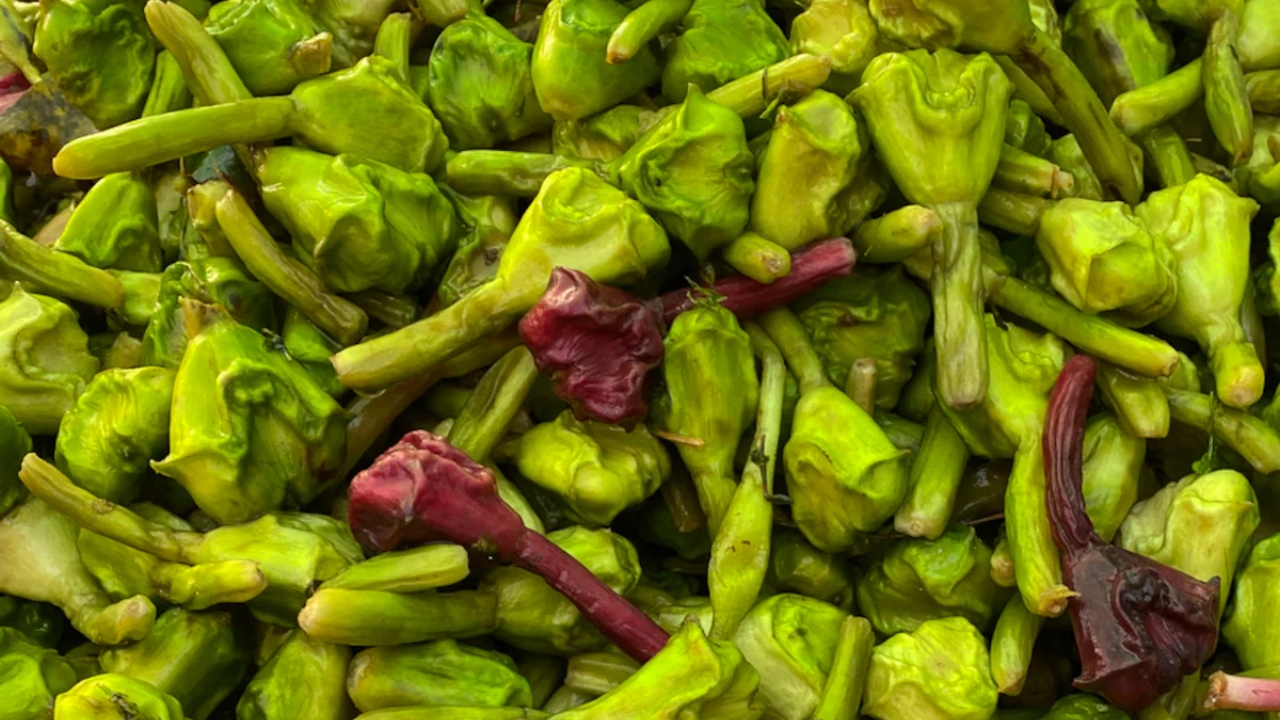
Water Chestnut (Singhada) Benefits: Water chestnut, commonly known in India as Singhada, is one of the most popular and nutritious winter-season foods. Grown in freshwater ponds and lakes, this crunchy aquatic vegetable is loved not only for its refreshing taste but also for its powerful nutritional value.
In Ayurveda, Singhada is described as a cooling, energy-boosting and digestion-friendly tuber. Modern nutrition science also classifies it as a high-fiber, antioxidant-rich superfood, beneficial for heart health, digestion, energy and hydration.
A study published in The Journal of Phytopharmacology (TJP) highlights that Singhada is rich in minerals like manganese, copper and vitamin B6, which support gut health, digestion, cholesterol, and blood sugar balance.
In this detailed guide, explore the nutritional profile, health benefits, ideal daily intake, side effects and expert-recommended ways to consume Singhada.
What Nutrients Does Singhada Contain?
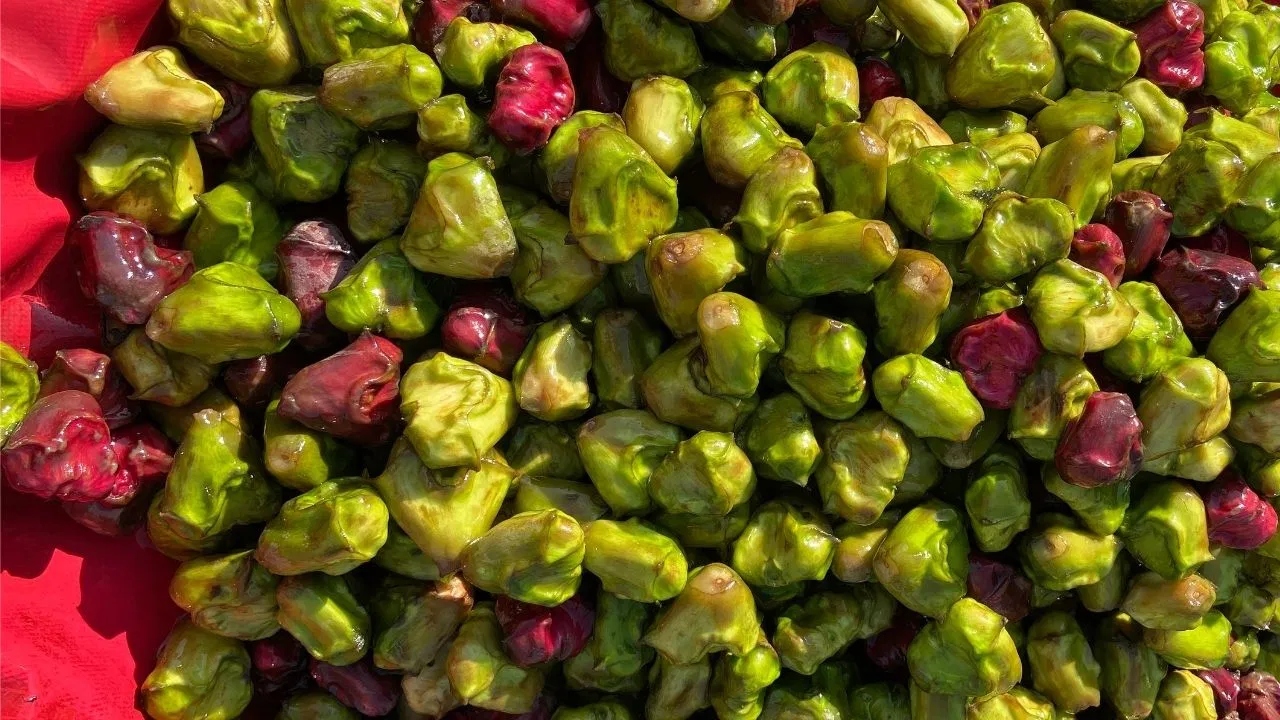
According to the United States Department of Agriculture (USDA), water chestnuts contain several essential nutrients including:
-
Fiber
-
Potassium
-
Magnesium
-
Manganese
-
Phosphorus
-
Copper
-
Vitamin B6
-
Vitamin C
-
Vitamin E
They are low in fat, low in calories, and provide quick natural energy, making Singhada one of winter’s most wholesome foods.
Overall, it offers a perfect combination of vitamins, minerals, antioxidants and fiber.
Health Benefits of Eating Singhada
1. Improves Digestion
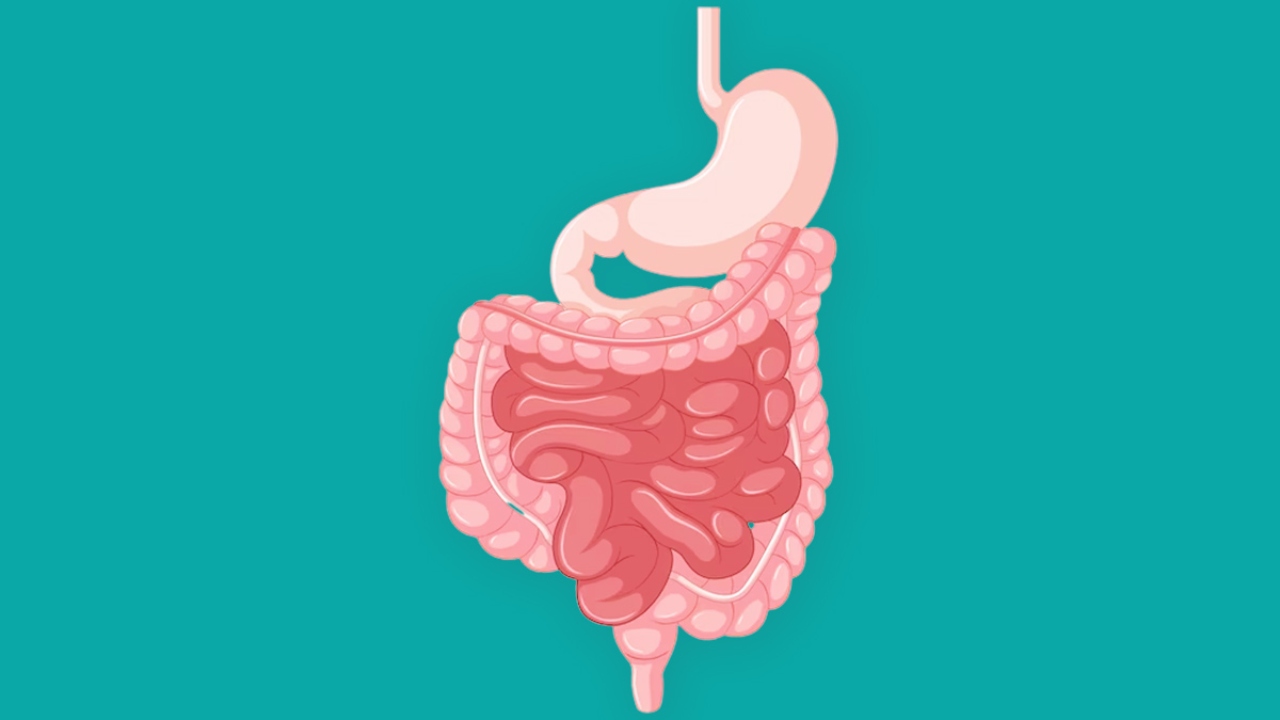
High fiber content supports smoother bowel movements, prevents constipation, and nourishes gut-friendly bacteria.
2. Helps Control Blood Sugar

With a low glycemic index (GI), Singhada releases carbohydrates slowly, preventing sudden sugar spikes.
3. Boosts Heart Health

Potassium helps regulate blood pressure, while antioxidants reduce inflammation and oxidative stress—key factors in heart disease.
4. Hydrates the Body

Its high-water content keeps the body hydrated, especially beneficial during dry winter weather.
5. Supports Weight Loss

Low in calories and naturally gluten-free, Singhada helps control hunger and supports weight loss goals.
6. Enhances Skin Health

Antioxidants and vitamin E protect skin cells from free radical damage, promoting youthful, glowing skin.
7. Helps Reduce Inflammation

Studies published in the International Journal of Plant & Soil Science (IJPSS) show that Singhada contains multiple phytochemicals that help reduce inflammation and protect body tissues.
Which Is Better: Raw or Boiled Singhada?

Both forms are nutritious, but each has its advantages:
Raw Singhada
-
Retains maximum vitamins and antioxidants
-
Tastes naturally sweet and crunchy
-
More nutrient-dense
Boiled Singhada
-
Easier to digest
-
Better for people with gas, acidity or weak digestion
-
More hygienic because boiling removes bacteria and impurities
Important: Always wash Singhada thoroughly and choose fresh ones.
How to Include Singhada in Your Diet
You can consume water chestnuts in many delicious and healthy ways:
-
Raw (peeled)
-
Boiled or lightly roasted
-
Added to salads and fruit chaat
-
Cooked in vegetable curries or stir-fry
-
Used in smoothies, kheer and desserts
-
Singhada flour for rotis, cheela, pakora
-
Ideal for fasting (vrat) meals
Side Effects of Eating Too Much Singhada
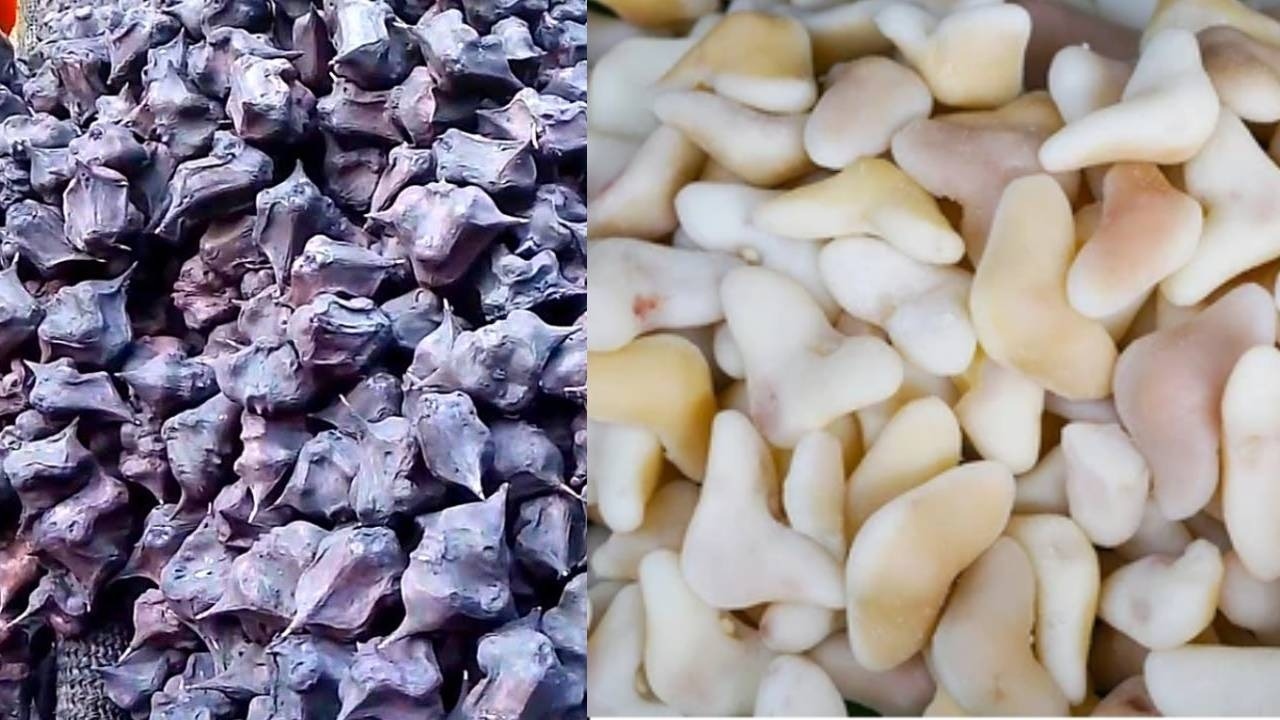
Although Singhada is generally safe, excessive consumption may cause:
-
Digestive issues (gas, bloating, heaviness)
-
Slight rise in blood sugar if eaten in large amounts
-
Allergic reactions in sensitive individuals
-
Stomach infection if unwashed Singhada is eaten
-
High potassium levels can be harmful for people with kidney disease
How Much Singhada is Safe to Eat Per Day?
Senior Dietitian Dr. Poonam Tiwari (Dr. Ram Manohar Lohia Institute of Medical Sciences, Lucknow) recommends:
-
8–10 Singhadas per day for a healthy adult
-
During fasting, 2 Singhada rotis or 1 bowl of Singhada halwa is enough
-
Do not overconsume, especially for people under medication
Can Diabetics Eat Singhada?
Yes, diabetics can safely eat Singhada because:
-
It has a low GI
-
Sugar is released slowly
-
Helps prevent sudden glucose spikes
However, moderation is essential. Excessive intake can still affect blood sugar.
Can Children Eat Singhada?
Yes, but with precautions:
-
Give boiled Singhada to avoid choking
-
Suitable for older children
-
2–3 boiled Singhadas are enough
Avoid giving raw Singhada to very small children.
Who Should Avoid Singhada?
Some people should avoid or limit Singhada intake:
-
Individuals with kidney disease (high potassium may be harmful)
-
People with food allergies
-
Those with chronic digestive issues
-
Small children should not eat raw Singhada
-
Anyone on long-term medication should consult a doctor first
Tips for Choosing Fresh and Safe Singhada
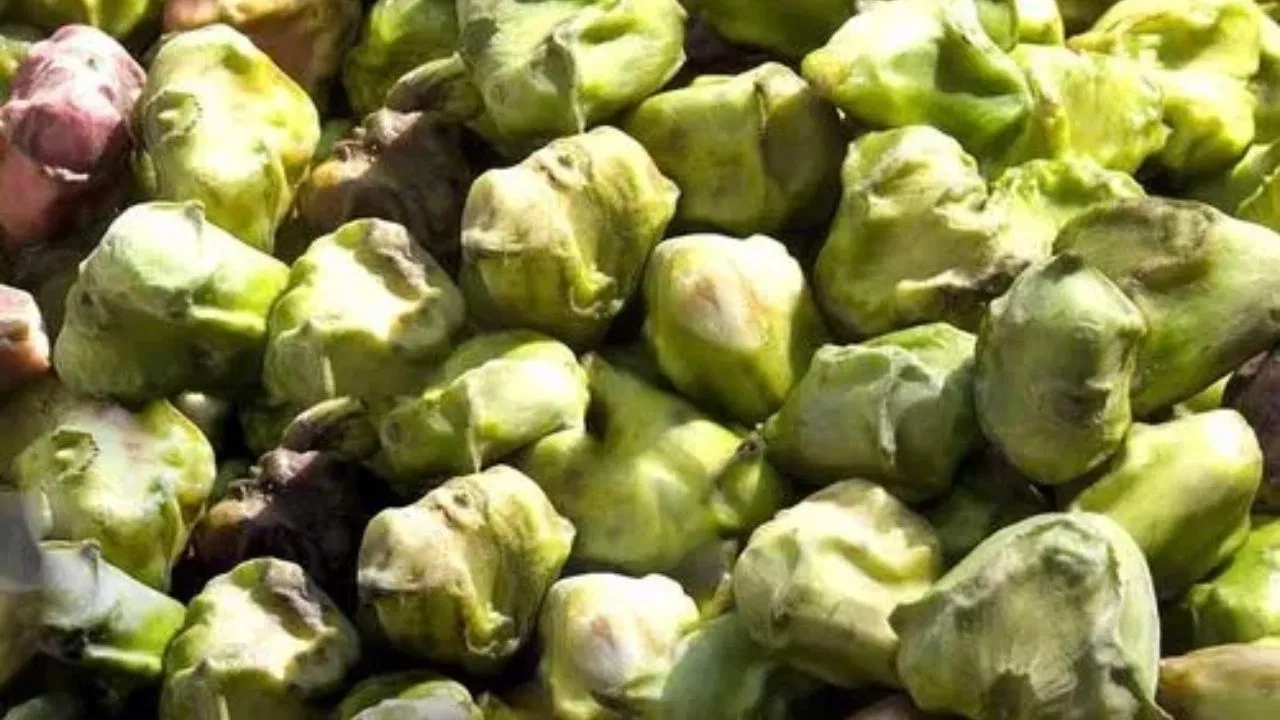
When buying Singhada, keep these tips in mind:
-
Choose firm and solid ones
-
Avoid soft, watery, cracked or discolored pieces
-
Do not buy Singhada with black spots or fungus
-
Prefer ones with dry, clean outer shells
-
Avoid Singhada kept in dirty water
-
When buying Singhada flour, check:
-
Manufacturing date
-
Packing quality
-
Brand reputation
-
Water chestnut (Singhada) is one of the most nutritious and versatile winter foods. Rich in fiber, antioxidants, minerals and vitamins, it supports digestion, heart health, blood sugar balance, hydration and immunity. Whether eaten raw, boiled or in flour form, it offers numerous benefits when consumed in moderation.
A simple, traditional winter fruit — but truly a powerful natural superfood.