
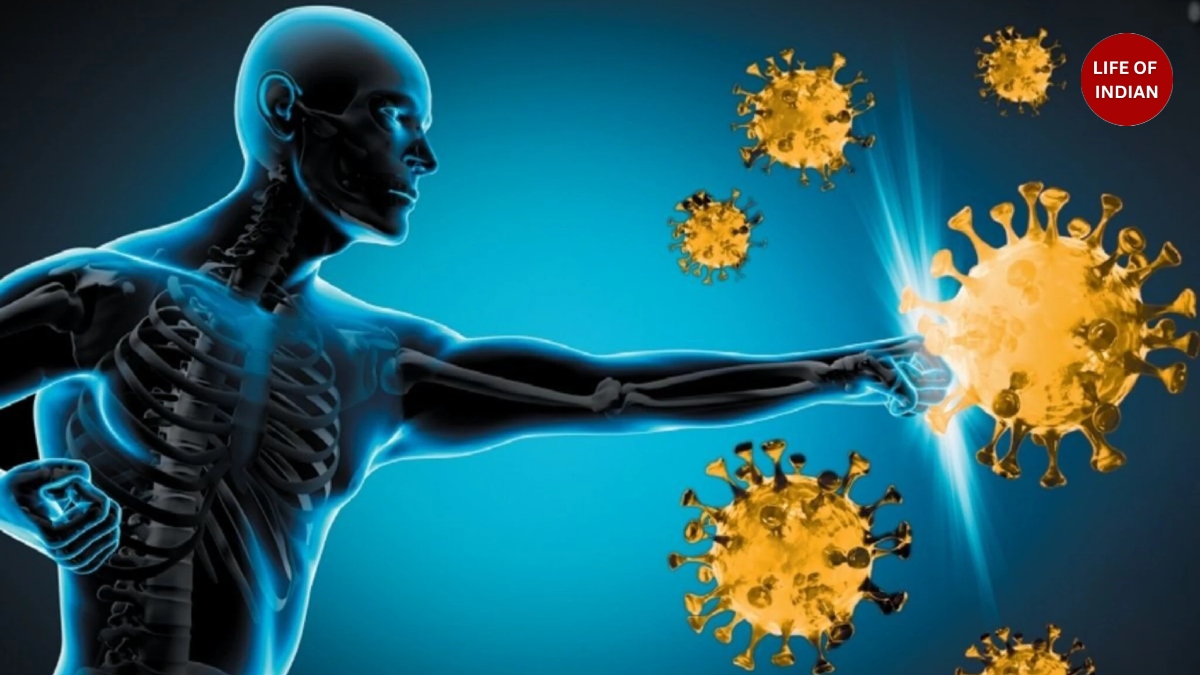
Vitamin D, often called the “sunshine vitamin,” plays a crucial role in maintaining overall health. It helps the body absorb calcium, supports bone strength, boosts immunity, and contributes to healthy muscles and mood regulation. However, vitamin D deficiency has become a common health issue worldwide.
According to research, around 40% of people do not get enough vitamin D, and nearly 25% suffer from a deficiency that may affect bone health and increase the risk of various diseases. Low levels of this essential micronutrient have been linked to conditions such as heart disease, weakened immunity, osteoporosis, and even frequent infections.
Recognizing the early symptoms of vitamin D deficiency is important so you can take timely steps to correct it. If you experience several of these symptoms, it may be a good idea to consult a healthcare professional and check your vitamin D levels.
Below are some of the most common signs that your body may not be getting enough vitamin D.
1. Stress Fractures or Weak Bones

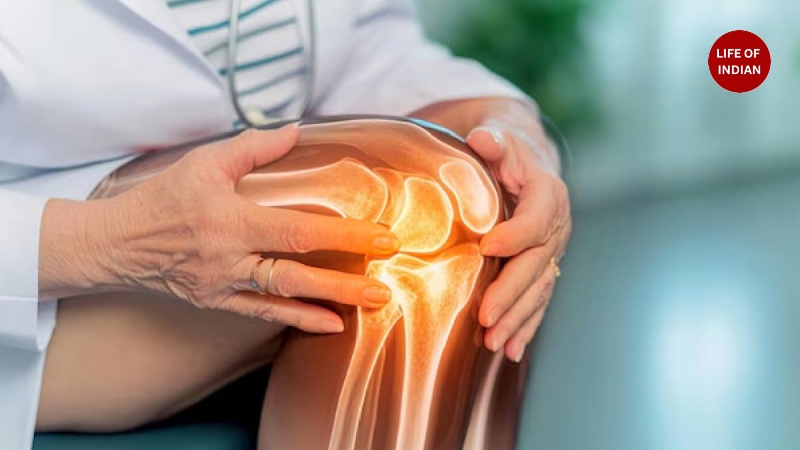
One of the most direct symptoms of vitamin D deficiency is frequent stress fractures or weakened bones. Vitamin D helps the body absorb calcium from the food you eat. Calcium is essential for building and maintaining strong bones.
When vitamin D levels fall below normal, the body cannot properly transport calcium into the bones. This can result in reduced bone density, increasing the risk of fractures, particularly during physical activity.
People with low vitamin D levels may notice bone pain or frequent injuries, especially in the legs and feet.
2. Frequent Illness or Infections

If you find yourself getting sick often, your vitamin D levels might be low. Vitamin D supports the immune system and helps the body fight viruses and bacteria.
Studies have shown that individuals with vitamin D deficiency are more likely to develop respiratory infections, including colds, flu, and pneumonia. Low levels of vitamin D may also increase the severity and duration of these infections.
Maintaining adequate vitamin D levels can help strengthen your immune defenses.
3. Hair Thinning or Hair Loss

Hair loss can have many causes, including genetics, hormonal changes, and stress. However, research also suggests a link between vitamin D deficiency and hair loss.
Vitamin D plays a role in the hair growth cycle and supports the cells responsible for producing new hair follicles. Low levels may disrupt this cycle, leading to excessive hair shedding or thinning hair.
If you notice sudden hair loss without a clear reason, checking your vitamin D levels could be helpful.
4. Mood Changes or Depression

Low vitamin D levels are also associated with mood disorders such as depression and anxiety.
Vitamin D helps regulate the production of serotonin, a neurotransmitter responsible for controlling mood, emotions, and feelings of well-being. When vitamin D levels drop, serotonin levels may also be affected.
People with vitamin D deficiency may experience persistent sadness, mood swings, or low motivation.
5. Muscle Pain or Weakness

Vitamin D plays an important role in muscle development and strength. A deficiency may lead to muscle weakness, soreness, or difficulty during workouts.
If you notice that your exercise routines feel more exhausting than usual, or you experience unexplained muscle pain, low vitamin D could be a contributing factor.
Athletes and physically active individuals may particularly notice these changes.
6. Persistent Fatigue and Low Energy

Feeling tired all the time is another possible sign of vitamin D deficiency. Many people who experience chronic fatigue or low energy levels may have insufficient vitamin D.
Research suggests that vitamin D supplementation may improve fatigue symptoms in individuals with low levels.
If you constantly feel exhausted even after proper rest, it may be worth checking your vitamin D status.
7. Living in Low-Sunlight Areas

People who live in cities with limited sunlight or colder climates are at greater risk of vitamin D deficiency.
Sunlight exposure is the body’s primary source of vitamin D production. If you spend most of your time indoors or live in areas with long winters, your body may not produce enough vitamin D naturally.
Urban lifestyles, office jobs, and indoor activities can further reduce sun exposure.
8. Difficulty Making Decisions

Vitamin D also influences brain function and cognitive processes, including decision-making and impulse control.
Low vitamin D levels may affect neurotransmitters in the brain, potentially leading to difficulty concentrating, confusion, or trouble making decisions.
Although this symptom is less commonly recognized, research suggests vitamin D plays a role in overall brain health.
9. Lack of Sun Exposure

One of the most common causes of vitamin D deficiency is not getting enough sunlight.
While sunscreen is essential for protecting your skin from harmful UV rays, it can reduce the skin’s ability to produce vitamin D from sunlight. People who consistently use sunscreen, wear full-coverage clothing, or spend little time outdoors may have lower vitamin D levels.
This does not mean you should avoid sun protection. Instead, consider balanced sun exposure or vitamin D supplements after consulting a healthcare professional.
How to Maintain Healthy Vitamin D Levels

To prevent vitamin D deficiency, consider these simple steps:
- Spend 10–20 minutes in sunlight daily if possible
- Include vitamin D-rich foods in your diet, such as fatty fish, egg yolks, and fortified dairy products
- Maintain a balanced diet and active lifestyle
- Consider vitamin D supplements if recommended by your doctor
Vitamin D is essential for maintaining strong bones, a healthy immune system, and proper muscle and brain function. Unfortunately, many people are unaware they have low vitamin D levels until symptoms appear.
If you notice signs such as frequent illness, fatigue, hair loss, muscle weakness, or mood changes, it may be worth discussing vitamin D testing with your healthcare provider.
Maintaining adequate vitamin D levels can significantly improve your overall health, energy, and well-being.
FAQ
What are the most common symptoms of vitamin D deficiency?
Common symptoms include fatigue, weak bones, muscle pain, frequent illness, hair loss, and mood changes such as depression.
How do you know if your vitamin D is low?
A blood test called 25-hydroxyvitamin D test is the most accurate way to determine your vitamin D levels.
What causes vitamin D deficiency?
Vitamin D deficiency can occur due to lack of sunlight exposure, poor diet, limited outdoor activity, certain medical conditions, or aging.
How can you increase vitamin D levels naturally?
You can boost vitamin D by getting moderate sunlight exposure, eating vitamin D-rich foods like fatty fish and eggs, and taking supplements if recommended by a doctor.
How much vitamin D do adults need daily?
Most adults require 600–800 IU of vitamin D per day, although requirements may vary depending on age and health conditions.