Vitamin B12: Being vegetarian is a healthy and ethical lifestyle choice, but it can sometimes come with hidden nutritional challenges. One of the most common concerns among vegetarians is Vitamin B12 deficiency. If you often feel tired, weak, forgetful, or experience tingling in your hands and feet, low Vitamin B12 levels could be the reason.
The good news? Vitamin B12 deficiency is preventable and treatable, even if you are vegetarian. Understanding the problem is the first step toward protecting your health.
What Is Vitamin B12 and Why Is It Important?
Vitamin B12, also called cobalamin, is an essential water-soluble vitamin that plays a vital role in:
-
Formation of healthy red blood cells
-
Proper functioning of the brain and nervous system
-
DNA synthesis
-
Energy production and metabolism
-
Prevention of anemia
Without enough Vitamin B12, the body cannot produce red blood cells efficiently, leading to fatigue and neurological problems.
Why Are Vegetarians More Prone to Vitamin B12 Deficiency?
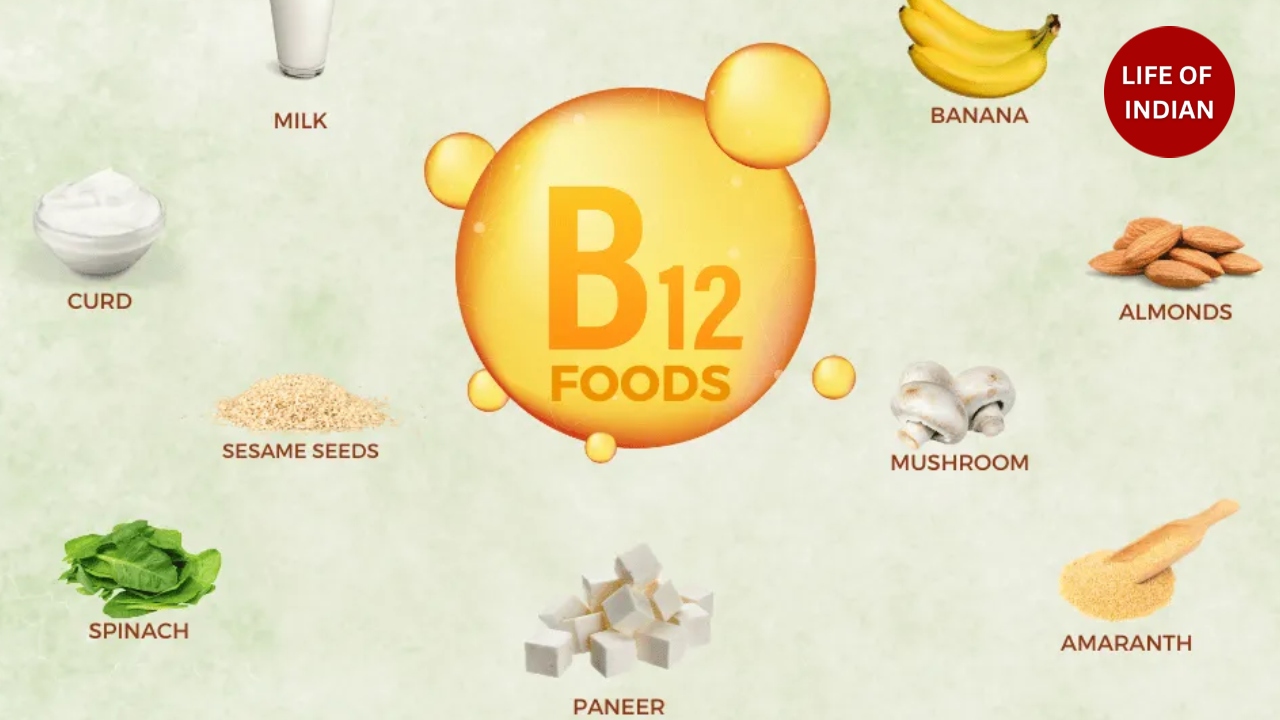
Vitamin B12 is naturally found almost exclusively in animal-based foods, such as:
-
Meat and fish
-
Eggs
-
Milk and dairy products
Strict vegetarians and vegans avoid these foods, which increases the risk of deficiency. Even lacto-vegetarians may develop B12 deficiency if their dairy intake is low or if the body cannot absorb the vitamin properly.
Additionally, modern hygiene practices and food processing have reduced the presence of natural bacteria that once provided trace amounts of B12 in traditional diets.
Common Causes of Vitamin B12 Deficiency
1. Low Dietary Intake
Vegetarian or vegan diets without fortified foods or supplements are the most common cause.
2. Poor Absorption
Even with sufficient intake, Vitamin B12 may not be absorbed due to:
-
Low stomach acid
-
Pernicious anemia
-
Digestive disorders such as IBS or Crohn’s disease
-
Long-term use of antacids or metformin
3. Age-Related Factors
As people age, the body’s ability to absorb Vitamin B12 from food decreases.
Symptoms of Vitamin B12 Deficiency
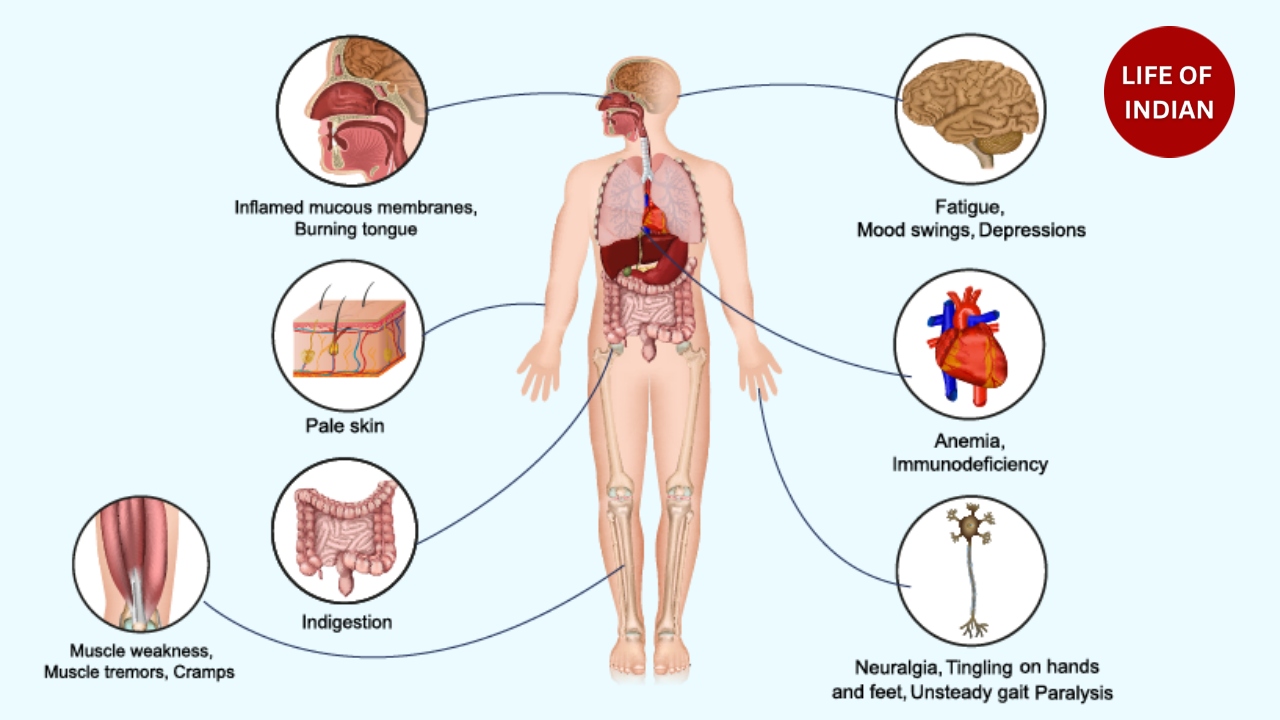
Vitamin B12 deficiency develops slowly, and symptoms may appear gradually:
-
Persistent fatigue and weakness
-
Dizziness or shortness of breath
-
Pale or yellowish skin
-
Tingling or numbness in hands and feet
-
Memory problems and difficulty concentrating
-
Mood changes, anxiety, or depression
-
Inflamed tongue (glossitis)
-
Anemia
If left untreated, long-term deficiency can lead to irreversible nerve damage.
How Much Vitamin B12 Do You Need Daily?
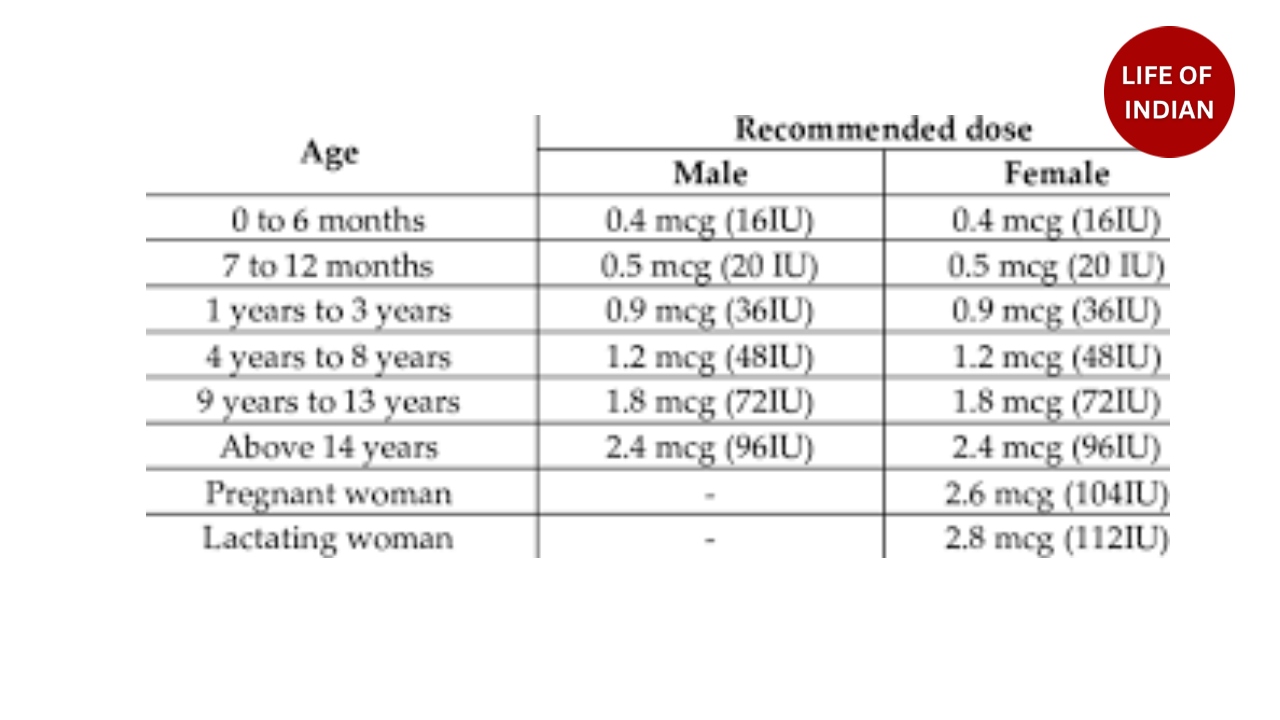
Recommended Daily Intake (RDA):
-
Adults: 2.4 mcg per day
-
Pregnant women: 2.6 mcg per day
-
Breastfeeding women: 2.8 mcg per day
Don’t Worry: Effective Remedies for Vegetarians
1. Include Dairy and Eggs (If Allowed)
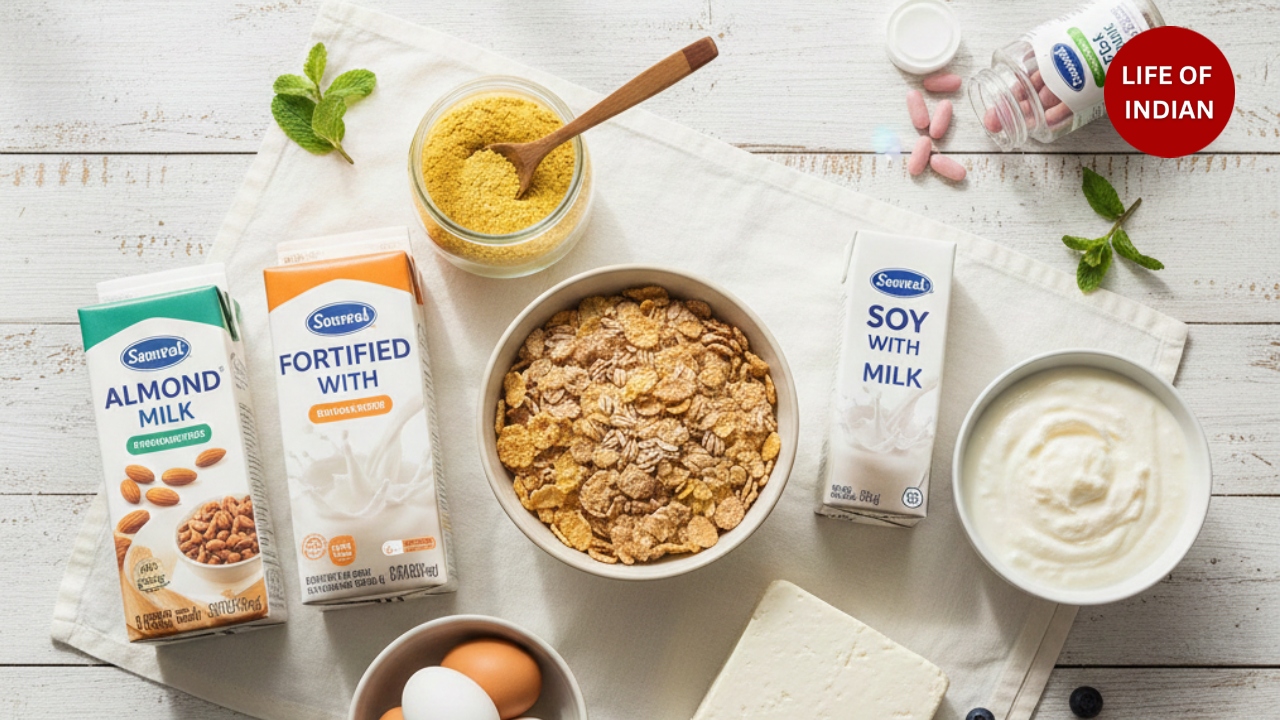
For lacto-ovo vegetarians, the following can help:
-
Milk
-
Curd (yogurt)
-
Paneer and cheese
-
Eggs
While these provide small amounts of Vitamin B12, regular intake can support daily needs.
2. Consume Vitamin B12–Fortified Foods
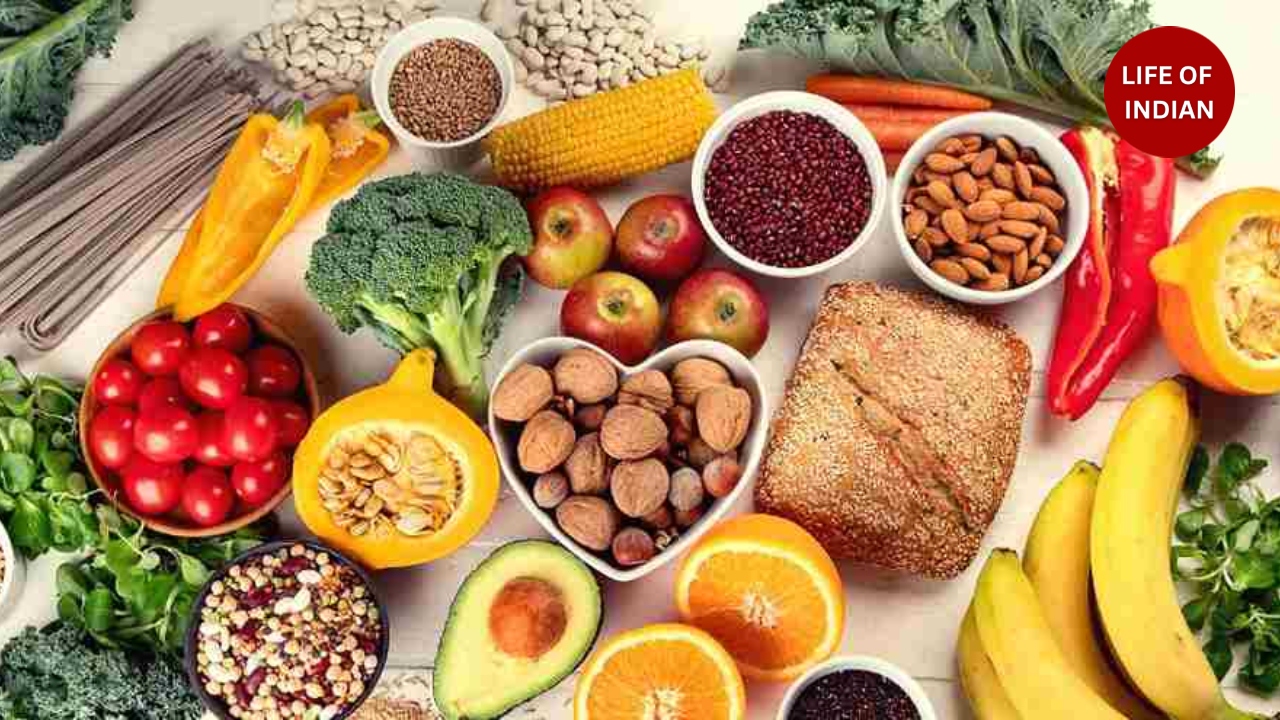
Many vegetarian-friendly foods are fortified with Vitamin B12, such as:
-
Fortified breakfast cereals
-
Fortified plant-based milk (soy, almond, oat)
-
Nutritional yeast (fortified varieties)
Always check nutrition labels to ensure B12 content.
3. Vitamin B12 Supplements: The Most Reliable Solution

For most vegetarians, supplements are the safest and most effective option.
Available forms include:
-
Oral tablets
-
Sublingual tablets
-
Sprays
-
Injections (for severe deficiency, under medical supervision)
Common forms of B12 supplements:
-
Cyanocobalamin
-
Methylcobalamin
A healthcare professional can guide you on the correct dosage.
4. Improve Vitamin B12 Absorption
-
Take supplements as advised, preferably on an empty stomach
-
Avoid unnecessary long-term use of antacids
-
Maintain good gut health with a balanced diet
Can Curd or Fermented Foods Cure B12 Deficiency?
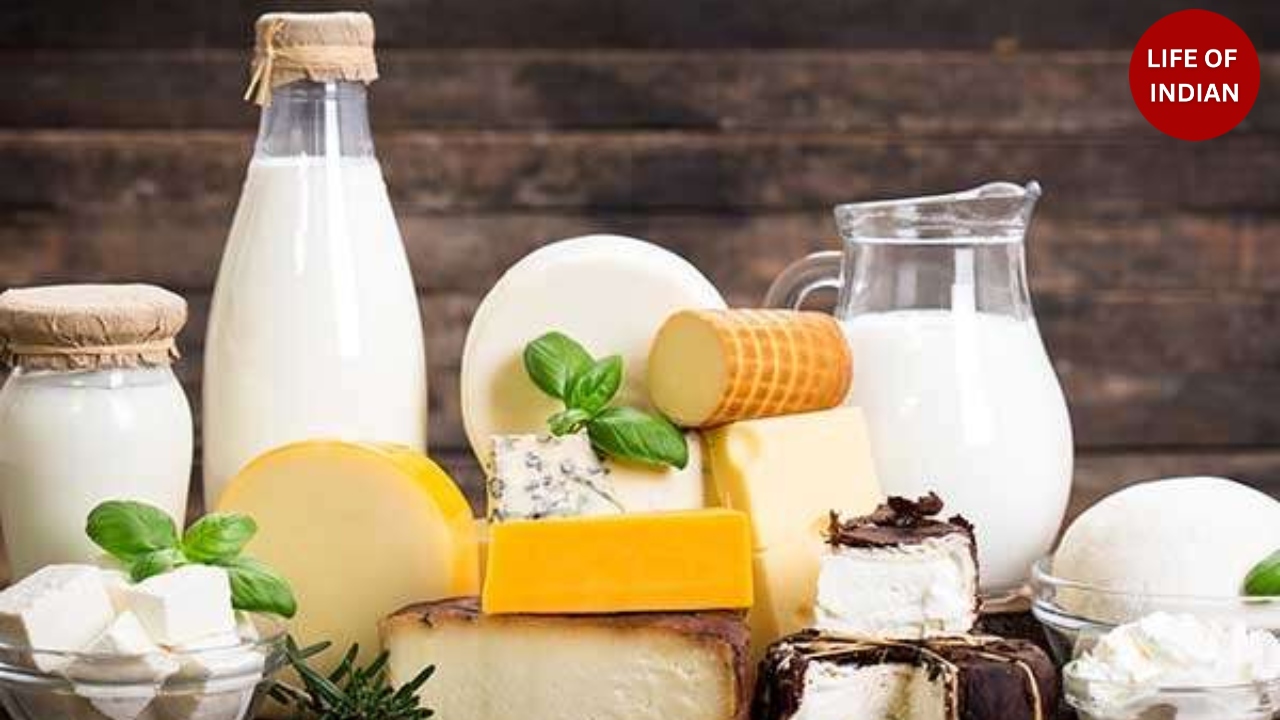
Some fermented foods are believed to contain trace amounts of Vitamin B12, but the quantity is inconsistent and unreliable. These foods should not be considered a primary source for meeting daily B12 requirements.
Should Vegetarians Get Tested?
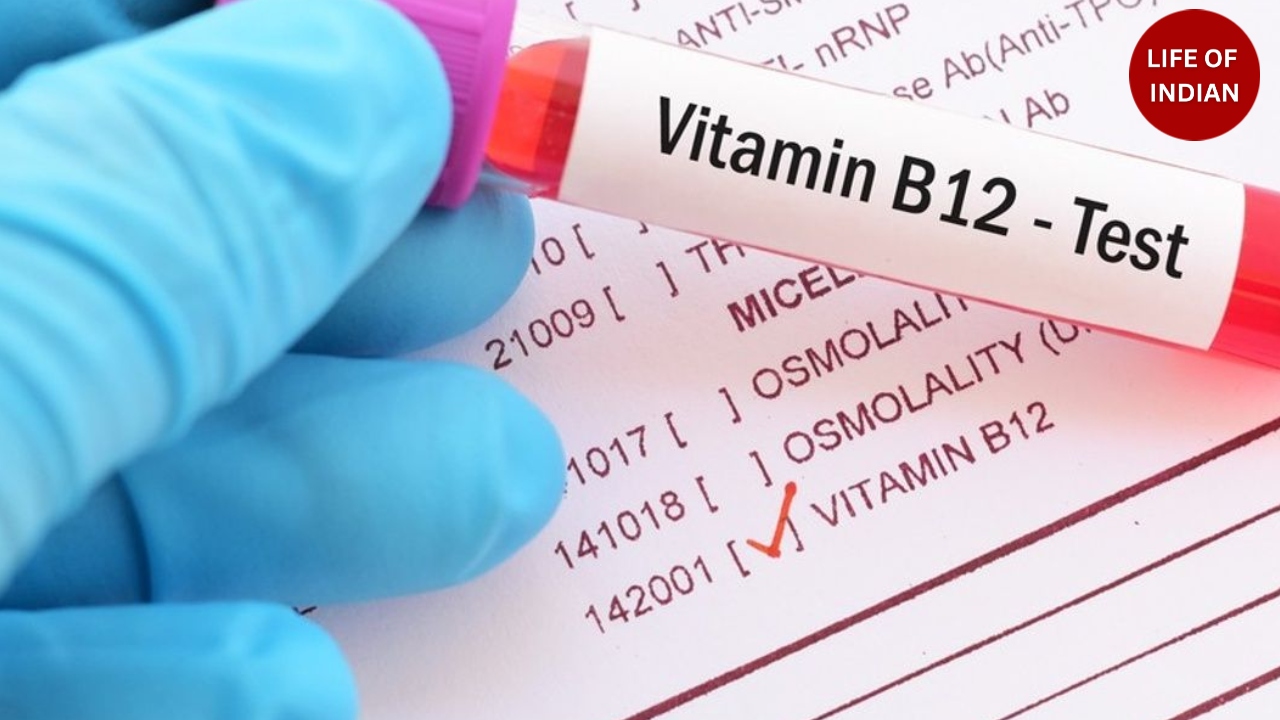
Yes. If you are vegetarian and experience symptoms like fatigue, numbness, or memory problems, a blood test for Vitamin B12 levels is highly recommended. Early diagnosis can prevent serious long-term complications.
Vitamin B12 is essential for energy, brain function, and overall well-being. Vegetarians are at a higher risk of deficiency, but with the right awareness, fortified foods, and supplements, Vitamin B12 deficiency is completely manageable.
Being vegetarian does not mean compromising your health—it simply means being informed, proactive, and mindful of your nutritional needs.
Disclaimer
This article is intended for general informational purposes only and does not substitute professional medical advice, diagnosis, or treatment. Always consult a qualified healthcare provider or doctor before starting any supplements, making dietary changes, or if you suspect a Vitamin B12 deficiency. Individual health needs may vary.
About the Author