


Among the many traditional Hindu fasts observed by married women in India, Vat Savitri Vrat holds a deeply emotional and spiritual place. More than just a religious ritual, this vrat represents devotion, sacrifice, faith, and the unbreakable bond between husband and wife. Every year, thousands of married Hindu women observe this sacred fast with prayers for the long life, health, prosperity, and protection of their husbands.
The vrat is especially famous because of the legendary story of Savitri and Satyavan — a story that has been passed down through generations as one of the greatest examples of love, intelligence, determination, and spiritual strength in Hindu tradition. According to mythology, Savitri’s devotion was so powerful that she confronted Yama, the God of Death himself, and brought her husband back to life.
This is why Vat Savitri Vrat is not seen merely as a ritual. For many women, it is a symbol of dedication, emotional strength, and family well-being. The vrat is mainly observed in several northern, western, and eastern states of India, where married women dress in traditional attire, worship the sacred banyan tree, listen to the story of Savitri, and pray for marital happiness and protection from misfortune.
What Is Vat Savitri Vrat?
Meaning of “Vat” and “Savitri”

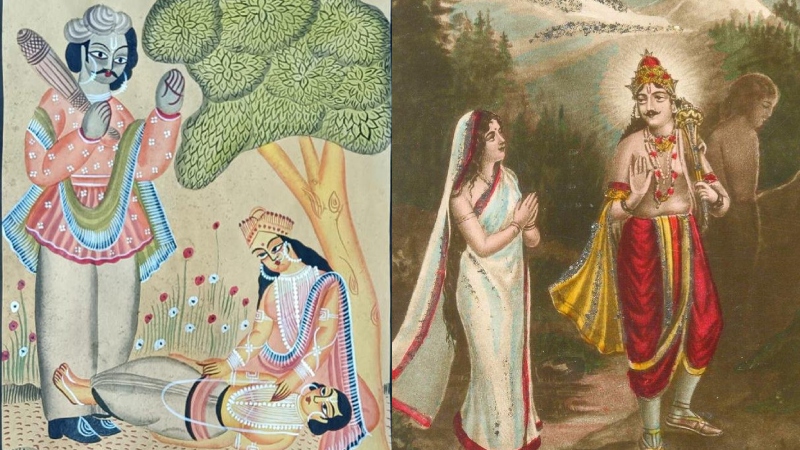
Vat Savitri Vrat is a traditional Hindu fast observed primarily by married women.
The word “Vat” refers to the banyan tree, which is considered sacred in Hinduism and symbolizes long life, stability, wisdom, and immortality. The banyan tree is believed to represent the Trimurti:
- Brahma in the roots
- Vishnu in the trunk
- Shiva in the branches
The word “Savitri” comes from the legendary woman Savitri, whose devotion and courage became immortal in Hindu mythology.
Together, “Vat Savitri” symbolizes the sacred worship of the banyan tree inspired by Savitri’s story and her unwavering dedication toward her husband.
Why Is Vat Savitri Vrat Celebrated?
The Spiritual and Emotional Significance of the Vrat
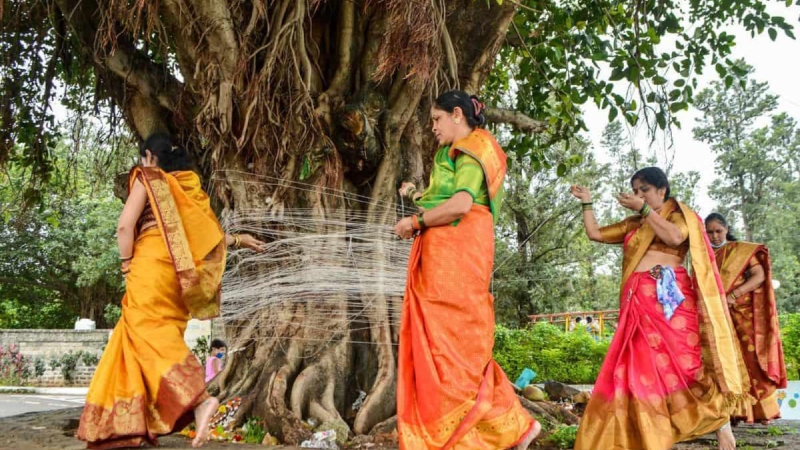
Vat Savitri Vrat is celebrated for the long life, good health, prosperity, and safety of husbands. Married women observe this fast believing that their sincere prayers can protect their families from difficulties and bring happiness into married life.
Spiritually, the vrat symbolizes:
- Loyalty and devotion in marriage
- The power of faith and prayer
- The strength of a woman’s determination
- Victory of love over death
Many women also believe that observing the vrat brings peace, family stability, and blessings from Lord Vishnu, Goddess Savitri, and the sacred banyan tree.
In Hindu culture, the banyan tree itself is considered eternal because it survives for centuries and continuously expands. This symbolism is connected to the wish for a husband’s long life and a stable marriage.
The Legendary Story Behind Vat Savitri Vrat
The Story of Savitri and Satyavan
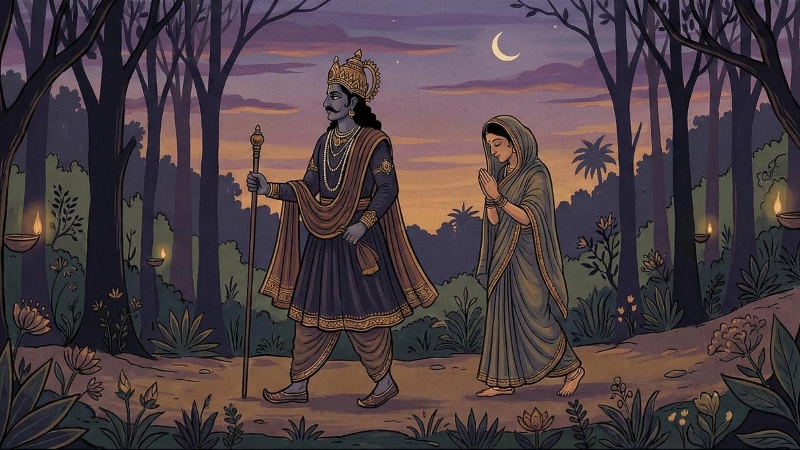
The story of Savitri and Satyavan comes from the Mahabharata and is considered one of the most emotional and inspiring legends in Hindu mythology.
Princess Savitri was known for her intelligence, beauty, and spiritual strength. When the time came for her marriage, she chose a prince named Satyavan as her husband. However, the sage Narada warned her father that Satyavan was destined to die within one year.
Despite knowing this painful truth, Savitri refused to change her decision. She believed that true love and commitment were stronger than fear.
After marriage, Savitri began living a simple life with Satyavan in the forest. As the predicted day of his death approached, she started intense prayers and fasting.
One day, while cutting wood in the forest, Satyavan suddenly collapsed and died. Soon after, Yama, the God of Death, appeared to take his soul away.
But Savitri did something extraordinary.
She followed Yama fearlessly and engaged him in deep conversation filled with wisdom, devotion, and righteousness. Impressed by her intelligence and dedication, Yama granted her several boons.
Savitri cleverly asked for:
- The restoration of her father-in-law’s kingdom
- Blessings for her family
- Sons for herself and Satyavan
Yama granted the wishes. But then he realized that Savitri’s final wish — having sons with Satyavan — could only become possible if Satyavan returned to life.
Bound by his own words, Yama restored Satyavan’s life.
This legendary victory over death became the foundation of Vat Savitri Vrat.
Who Observed Vat Savitri Vrat for the First Time?
According to Hindu mythology, Savitri herself was the first woman to observe this vrat. Her prayers, fasting, wisdom, and devotion became the ideal example for married women across generations.
Because of this, Savitri is often seen as the symbol of dedication, inner strength, intelligence, and marital loyalty in Hindu tradition.
Even today, during the vrat, women listen to or recite the story of Savitri and Satyavan as an important part of the ritual.
Where Is Vat Savitri Vrat Celebrated in India?
States Where the Festival Is Most Popular
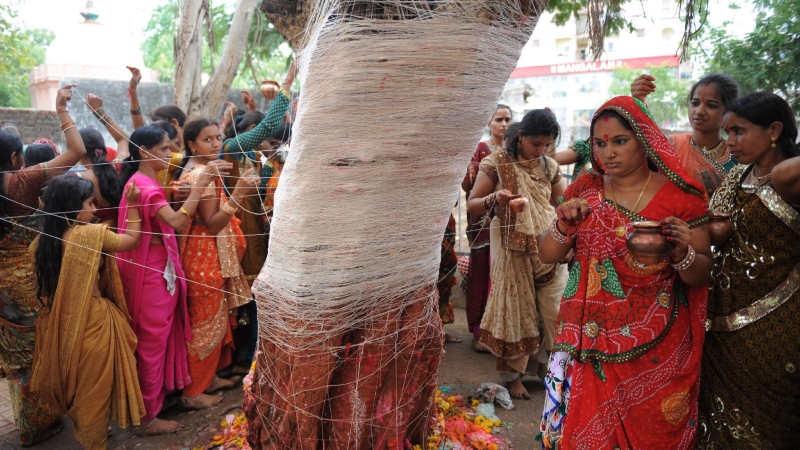
Vat Savitri Vrat is mainly observed in:
- Bihar
- Uttar Pradesh
- Madhya Pradesh
- Rajasthan
- Gujarat
- Maharashtra
- Jharkhand
- Chhattisgarh
- Odisha
In Maharashtra and some western regions, the festival is often called “Vat Purnima.”
The rituals may vary slightly from region to region, but the central purpose remains the same — praying for the husband’s long life and family happiness.
When Is Vat Savitri Vrat Observed?
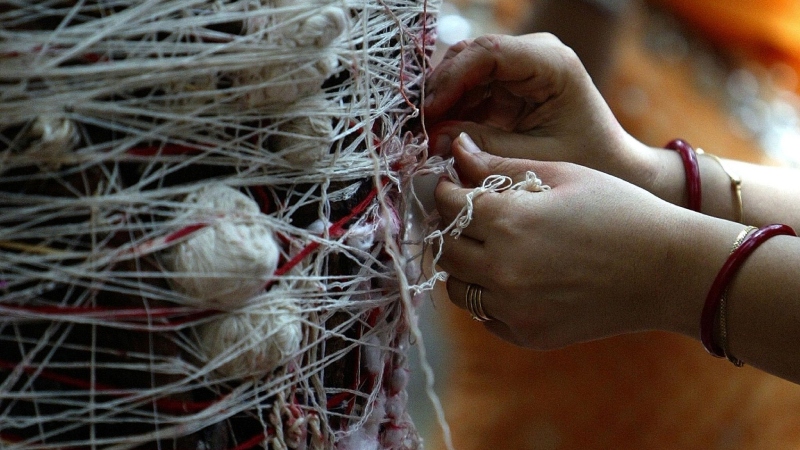
The vrat is usually observed during the Hindu month of Jyeshtha.
However, the exact date differs in different parts of India:
- In North India, it is generally observed on the Amavasya (new moon day) of Jyeshtha month.
- In Maharashtra, Gujarat, and some western regions, it is celebrated on Purnima (full moon day), which is why it is called Vat Purnima.
This difference occurs because different Hindu calendars are followed in different regions.
What Do Women Wear During Vat Savitri Vrat?
Traditional Clothing and Solah Shringar
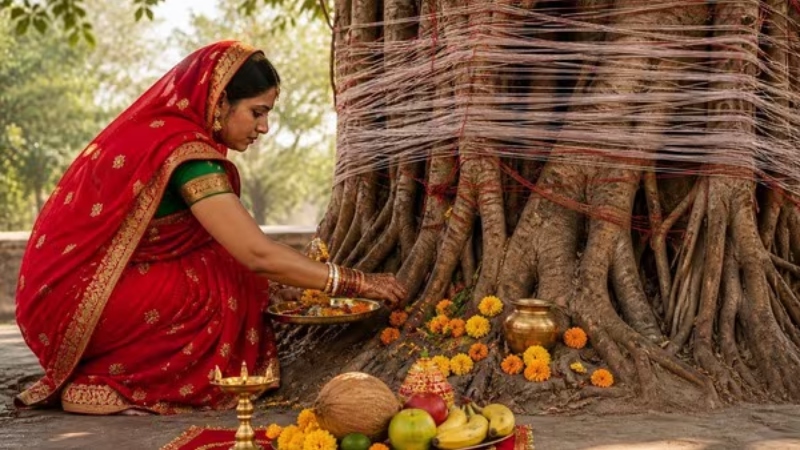
Since Vat Savitri Vrat is connected to marital blessings and auspiciousness, women usually wear traditional and festive clothing.
Common attire includes:
- Sarees, especially red, yellow, green, or orange
- Traditional jewelry
- Bangles
- Sindoor
- Bindi
- Mangalsutra
- Anklets and toe rings
Many women also perform “Solah Shringar,” the sixteen traditional adornments associated with married Hindu women.
The dressing is considered symbolic of prosperity, marital happiness, and respect toward the sacred vrat.
How Is Vat Savitri Vrat Performed?
Step-by-Step Rituals
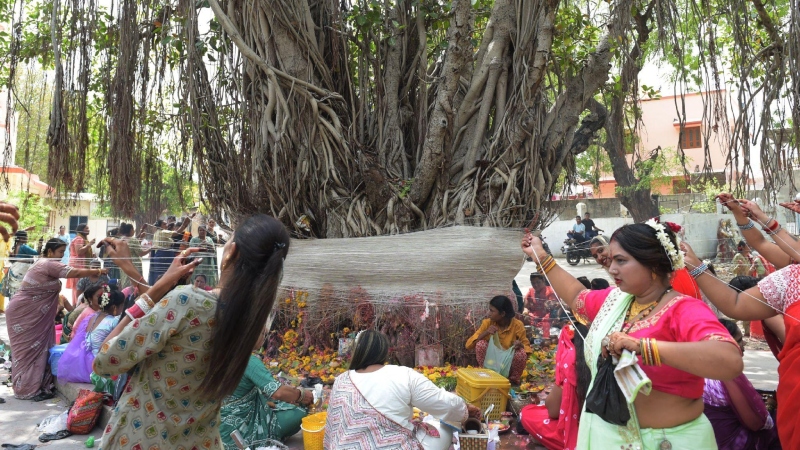
The vrat rituals generally begin early in the morning.
1. Early Morning Bath and Preparation
Women wake up before sunrise, bathe, wear traditional clothes, and prepare offerings for the पूजा.
2. Fasting
Many women observe a strict fast throughout the day. Some avoid both food and water, while others consume fruits depending on family traditions.
3. Worship of the Banyan Tree
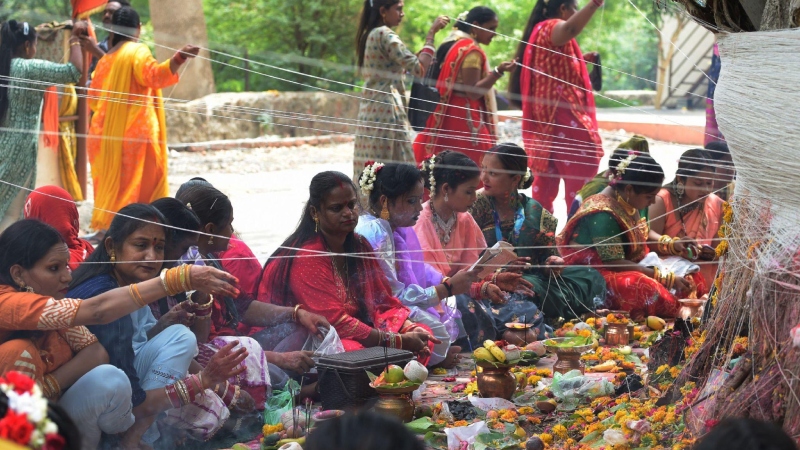
The banyan tree is the central focus of the vrat. Women gather near the tree and offer:
- Water
- Flowers
- Fruits
- Soaked grains
- Red thread
- Incense and lamps
4. Tying Sacred Thread Around the Tree
Women tie a sacred thread around the banyan tree while walking around it several times. This ritual symbolizes prayers for a long and stable married life.
5. Listening to the Vat Savitri Katha
The story of Savitri and Satyavan is recited or heard collectively.
6. Prayers for Husband’s Well-being
Women pray for:
- Long life of husbands
- Family prosperity
- Protection from difficulties
- Peace and happiness in marriage
After completing the rituals, the fast is broken according to local traditions.
Why Is the Banyan Tree Worshipped?
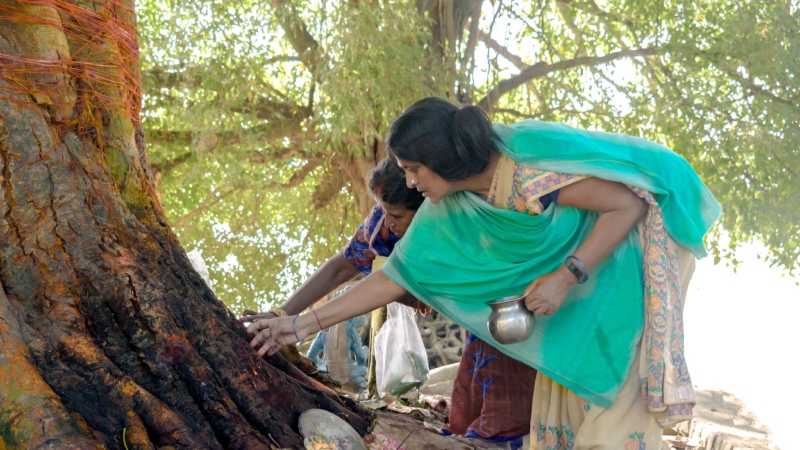
The banyan tree holds deep spiritual importance in Hinduism. It is considered a symbol of immortality because of its extremely long lifespan and continuously growing roots.
Spiritually, it represents:
- Eternal life
- Strength
- Stability
- Protection
- Wisdom
Since the vrat focuses on long marital life and family well-being, the banyan tree naturally became its central symbol.
Modern Relevance of Vat Savitri Vrat
Even in modern times, Vat Savitri Vrat continues to hold emotional significance for many families. While some people see it as a traditional ritual, others view it as a celebration of commitment, prayer, emotional bonding, and cultural heritage.
Today, younger generations are also showing renewed interest in traditional festivals through social media, spiritual content, and cultural awareness. In many cities, women gather in temples or parks to perform the rituals together, keeping the tradition alive in changing times.
For many devotees, the vrat is less about superstition and more about expressing love, hope, and blessings for family life.
Vat Savitri Vrat is much more than a religious fast. It is a centuries-old tradition rooted in faith, love, sacrifice, and spiritual strength. Inspired by the legendary courage of Savitri, the vrat continues to symbolize the emotional power of devotion and the belief that sincere prayers can overcome even the greatest challenges.
From the worship of the sacred banyan tree to the recitation of Savitri’s story, every ritual carries a deeper meaning connected to protection, family harmony, and marital well-being.
That is why, even after generations, Vat Savitri Vrat continues to remain one of the most respected and emotionally significant traditions in Hindu culture.
FAQ
1. What is Vat Savitri Vrat?
Vat Savitri Vrat is a Hindu fasting ritual observed mainly by married women for the long life, protection, and prosperity of their husbands.
2. Why is the banyan tree worshipped during Vat Savitri Vrat?
The banyan tree symbolizes long life, stability, immortality, and spiritual strength in Hinduism.
3. Who was Savitri in Hindu mythology?
Savitri was a devoted wife who, according to mythology, brought her husband Satyavan back to life through her devotion and wisdom.
4. In which states is Vat Savitri Vrat celebrated?
The vrat is mainly celebrated in Bihar, Uttar Pradesh, Madhya Pradesh, Rajasthan, Gujarat, Maharashtra, Jharkhand, Chhattisgarh, and Odisha.
5. What is the difference between Vat Savitri and Vat Purnima?
In North India, the vrat is observed on Amavasya, while in Maharashtra and some western states it is celebrated on Purnima and is known as Vat Purnima.
6. What do women do during Vat Savitri Vrat?
Women observe fasting, worship the banyan tree, tie sacred threads around it, listen to the story of Savitri and Satyavan, and pray for their husbands’ well-being.