UNESCO Tentative List 2025: 7 New Indian Natural Sites Added, Chhath Mahaparva Heritage Push

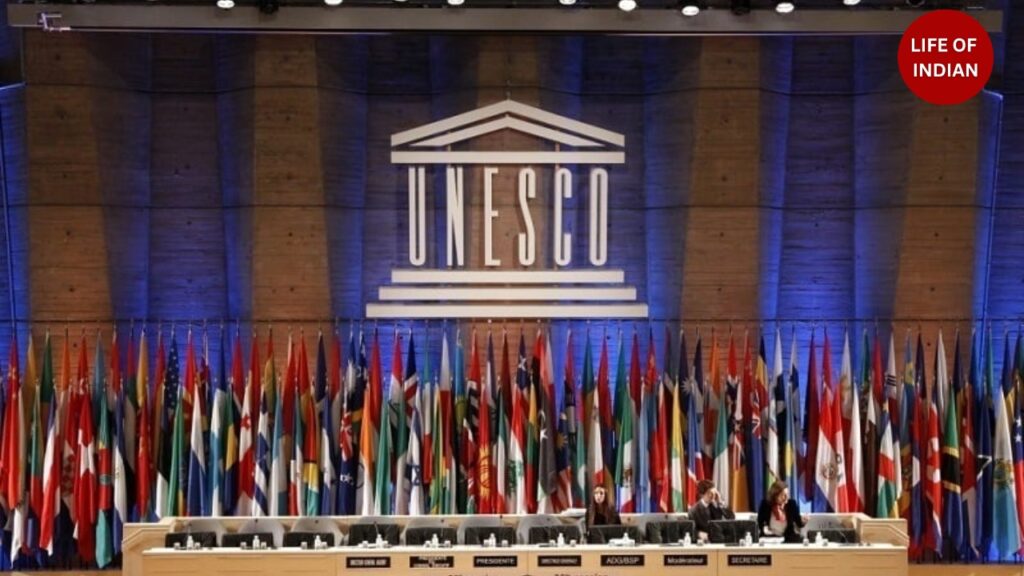
UNESCO Tentative List 2025: In a remarkable development for India’s cultural and natural heritage, UNESCO has recently announced the inclusion of seven new natural sites from India in its Tentative World Heritage List. Simultaneously, the Indian government has begun the process of securing recognition of Chhath Mahaparva, a major festival of eastern India and Nepal, in UNESCO’s Intangible Cultural Heritage list. Together, these moves elevate India’s heritage presence on the global stage, highlighting its commitment to safeguarding both tangible and intangible cultural wealth.
Seven Natural Sites Enter the Tentative List
On September 12, 2025, India’s Permanent Delegation to UNESCO confirmed that seven new properties have been added under the natural category. With this update, India’s tentative list now stands at 69 sites – comprising 17 natural, 49 cultural, and three mixed properties.
A site’s inclusion in the tentative list enables assessment, management planning, and recognition of its “Outstanding Universal Value,” serving as a crucial step before formal nomination to the UNESCO World Heritage List.
The new natural sites reflect India’s vast ecological and geological diversity:
-
Deccan Traps at Panchgani and Mahabaleshwar (Maharashtra) – expansive volcanic basalt formations
-
St. Mary’s Islands in Udupi (Karnataka) – unique geological clusters
-
Meghalayan Age Caves in East Khasi Hills (Meghalaya) – records of early climate and life
-
Naga Hill Ophiolite (Nagaland) – rare ophiolite sequences
-
Erra Matti Dibbalu near Visakhapatnam (Andhra Pradesh) – striking red sand dunes
-
Tirumala Hills in Tirupati (Andhra Pradesh) – rich forested landscapes
-
Varkala Cliffs (Kerala) – coastal cliffs with cultural and natural significance
By including these sites, India broadens the spectrum of its geological heritage alongside its architectural and cultural landmarks.
Chhath Mahaparva and the Intangible Heritage Push
Alongside these natural nominations, the Ministry of Culture has pushed forward the recognition of Chhath Mahaparva. Rooted in Bihar, Nepal, and parts of eastern Uttar Pradesh and Jharkhand, this four-day festival venerates the Sun God (Surya) and Chhathi Maiya through rituals like fasting, ritual bathing, and offerings to the setting and rising sun.
On July 7, 2025, the Chhathi Maiya Foundation submitted a proposal for Chhath’s inclusion in UNESCO’s Representative List of Intangible Cultural Heritage. By August, the Ministry instructed the Sangeet Natak Akademi to review the proposal and move the process forward.
To ensure proper documentation, the Bihar government appointed INTACH as a knowledge partner for preparing the nomination dossier, while the IGNCA is contributing by collecting folk songs, oral traditions, sculptures, photographs, and texts that capture Chhath’s living heritage. An international seminar in Patna on October 11, 2025, will further bring global scholars and practitioners together to discuss the festival’s significance.
A Dual Commitment to Heritage
These parallel initiatives – natural sites on the tentative list and Chhath’s nomination for intangible heritage – demonstrate India’s comprehensive approach to heritage preservation, covering landscapes, traditions, monuments, and ecosystems.
If successful, India’s standing at UNESCO will grow stronger, ensuring that its legacy in stone, soil, and song continues to be celebrated globally and preserved for generations to come.