
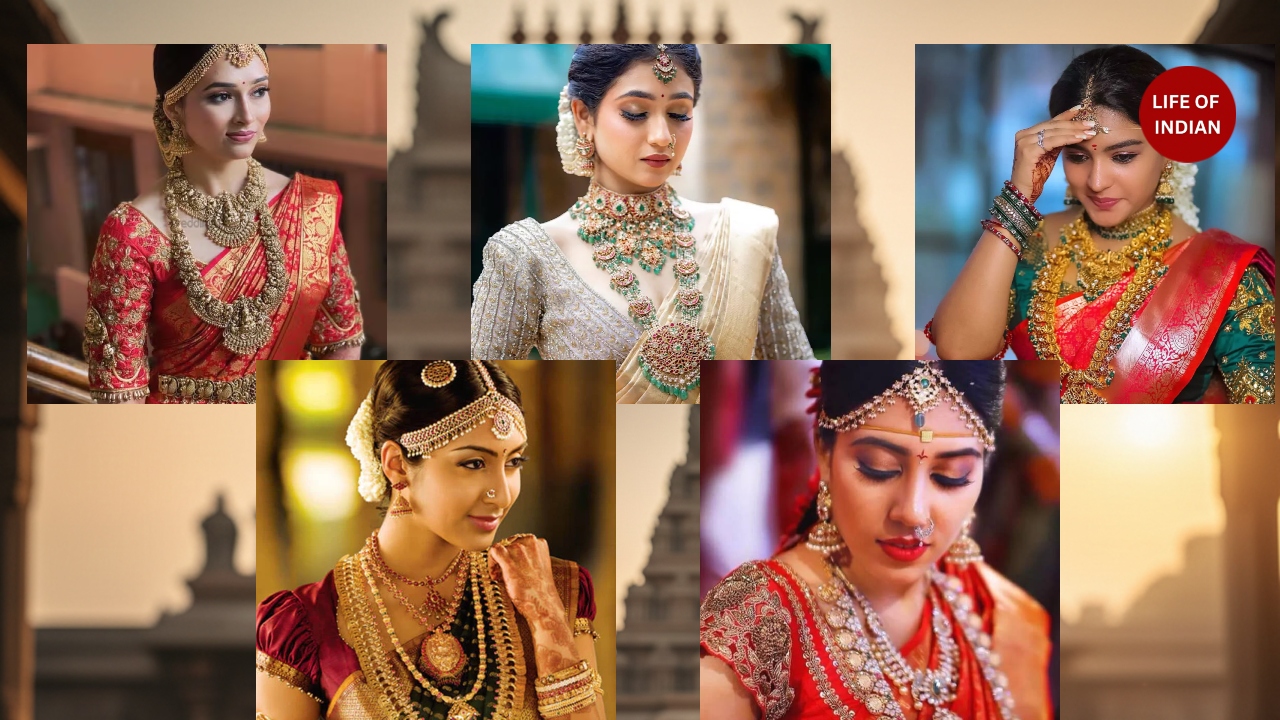
When a South Indian bride walks toward the sacred wedding fire, draped in luminous silk and adorned with layers of pure gold, she does not simply look beautiful — she appears almost divine. In that moment, surrounded by the fragrance of jasmine flowers and the soft chanting of sacred mantras, she truly resembles a goddess stepping into a new chapter of life.
A South Indian wedding is not just a ceremony; it is a deeply spiritual tradition where every detail carries meaning. From the rich silk saree that symbolizes prosperity to the intricate temple jewellery inspired by deities, each element transforms the bride into a graceful embodiment of culture, faith, and timeless beauty.
Regal Romance: Decoding Vijay & Rashmika’s Wedding Looks
For centuries, families across Tamil Nadu, Kerala, Andhra Pradesh, Telangana, and Karnataka have preserved these traditions with pride. When a bride wears her traditional attire on her wedding day, she is not only celebrating love — she is honoring generations of heritage, blessings, and sacred customs that make her look nothing less than a goddess.
The South Indian Bridal Saree: Sacred Silk & Royal Grace
1. Tamil Weddings – The Kanjeevaram Legacy
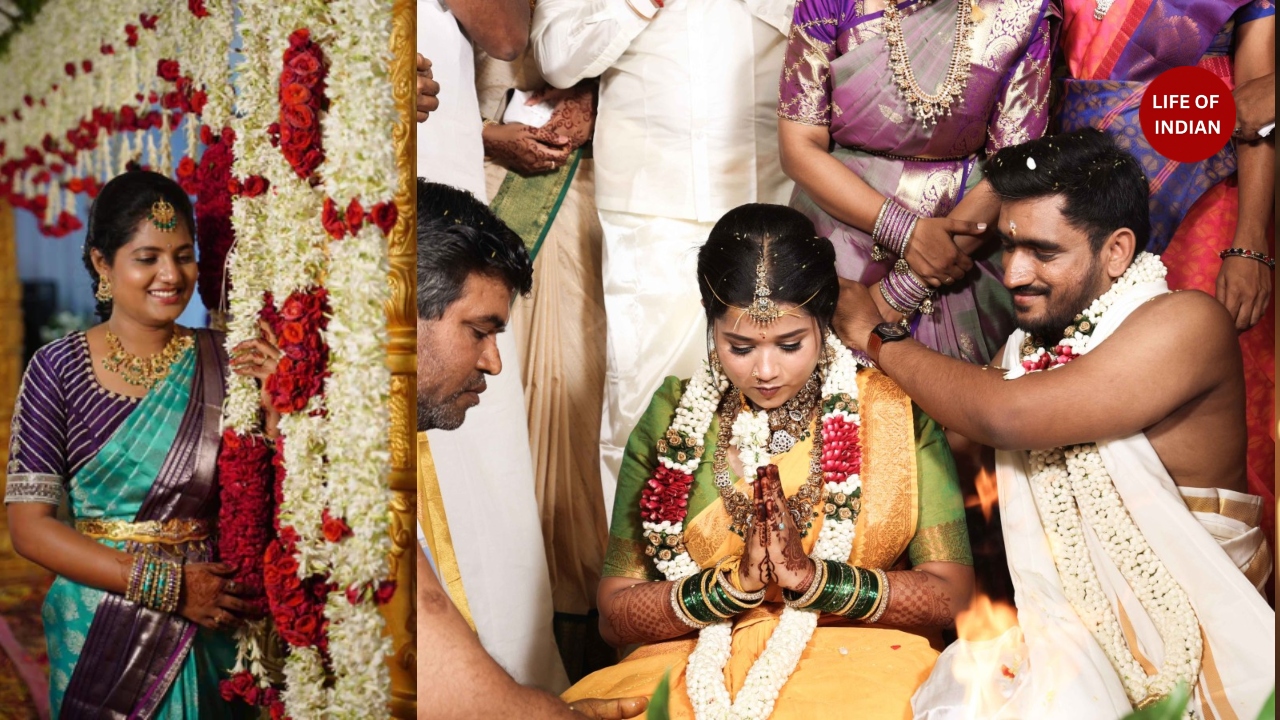
In Tamil weddings, the bride traditionally wears a rich silk saree from Kanchipuram, known as the Kanjeevaram saree.
These sarees are woven with pure mulberry silk and decorated with heavy gold zari borders. Red, maroon, mustard, and green are popular colors, symbolizing prosperity and fertility.
During the wedding ritual, the bride may change into a special saree called “Koorai Pudavai,” gifted by the groom’s family, marking her transition into a new household.
2. Telugu Weddings – Regal Pattu Sarees
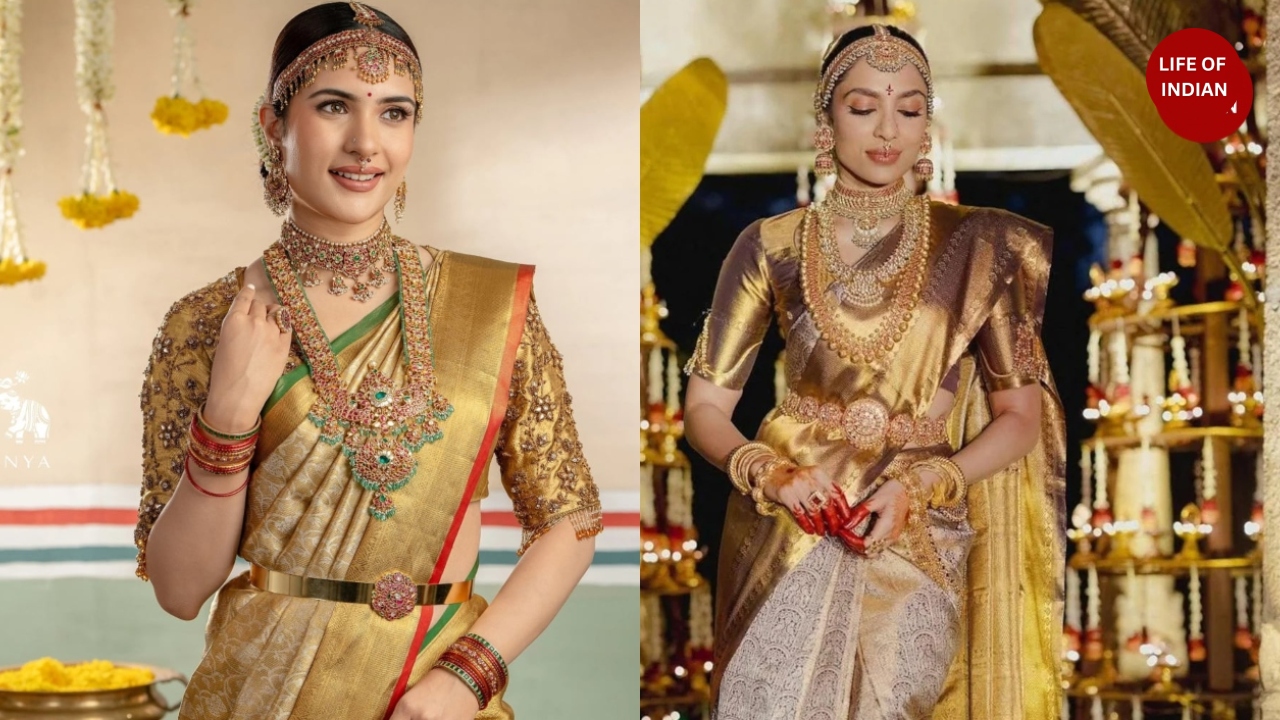
In Andhra Pradesh and Telangana, brides wear luxurious silk sarees known as “Pattu” sarees. Shades of red and gold dominate, reflecting auspiciousness.
The saree is draped traditionally, and the bride’s long braid is adorned with fresh jasmine flowers and intricate gold hair accessories.
3. Kerala Weddings – Elegant Simplicity

In Kerala, the bride traditionally wears a white or cream saree with a gold border called the Kasavu saree.
Unlike the vibrant reds seen in other states, Kerala brides reflect simplicity and grace. However, the minimal color is balanced by elaborate gold jewellery layered beautifully across the neck and arms.
4. Karnataka Weddings – Mysore Silk Royalty

Brides in Karnataka often choose the elegant Mysore silk saree, known for its smooth texture and refined zari work.
Deep reds, royal blues, and greens are common bridal colors, reflecting regal heritage.
Traditional South Indian Bridal Jewellery
Jewellery is central to a South Indian bride’s identity. Gold is considered sacred and auspicious, symbolizing wealth and blessings.
Temple Jewellery
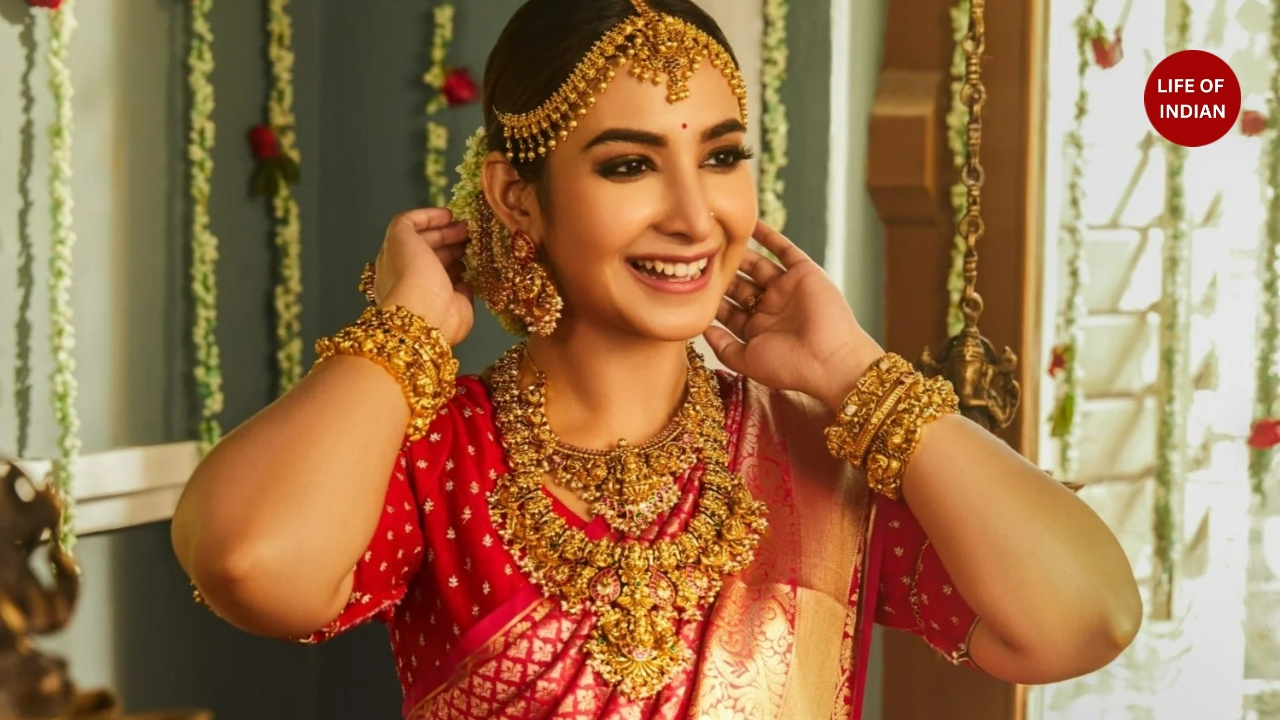
Inspired by temple architecture and deities, temple jewellery features intricate carvings of gods and goddesses. It originated in Tamil Nadu and remains a bridal favorite.
Mangalsutra Variations
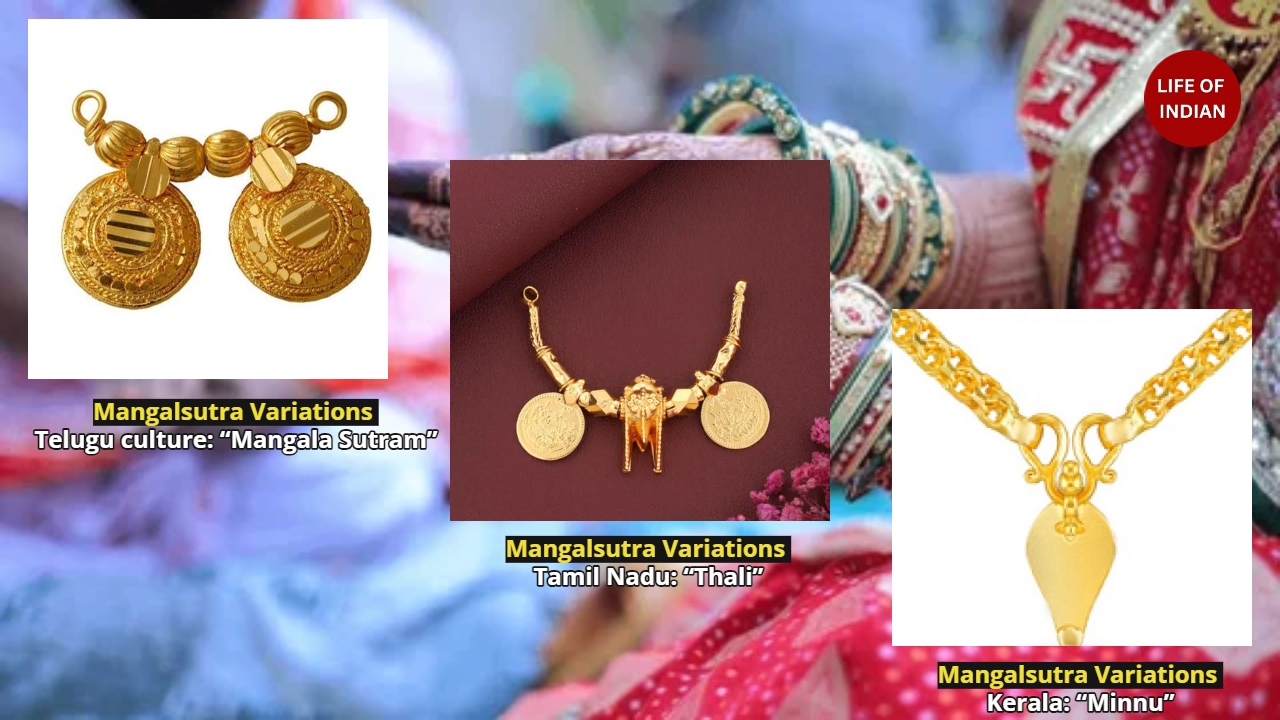
The sacred wedding necklace differs by region:
- In Tamil Nadu: “Thali”
- In Telugu culture: “Mangala Sutram”
- In Kerala: “Minnu”
Each design holds deep spiritual meaning, representing marital commitment.
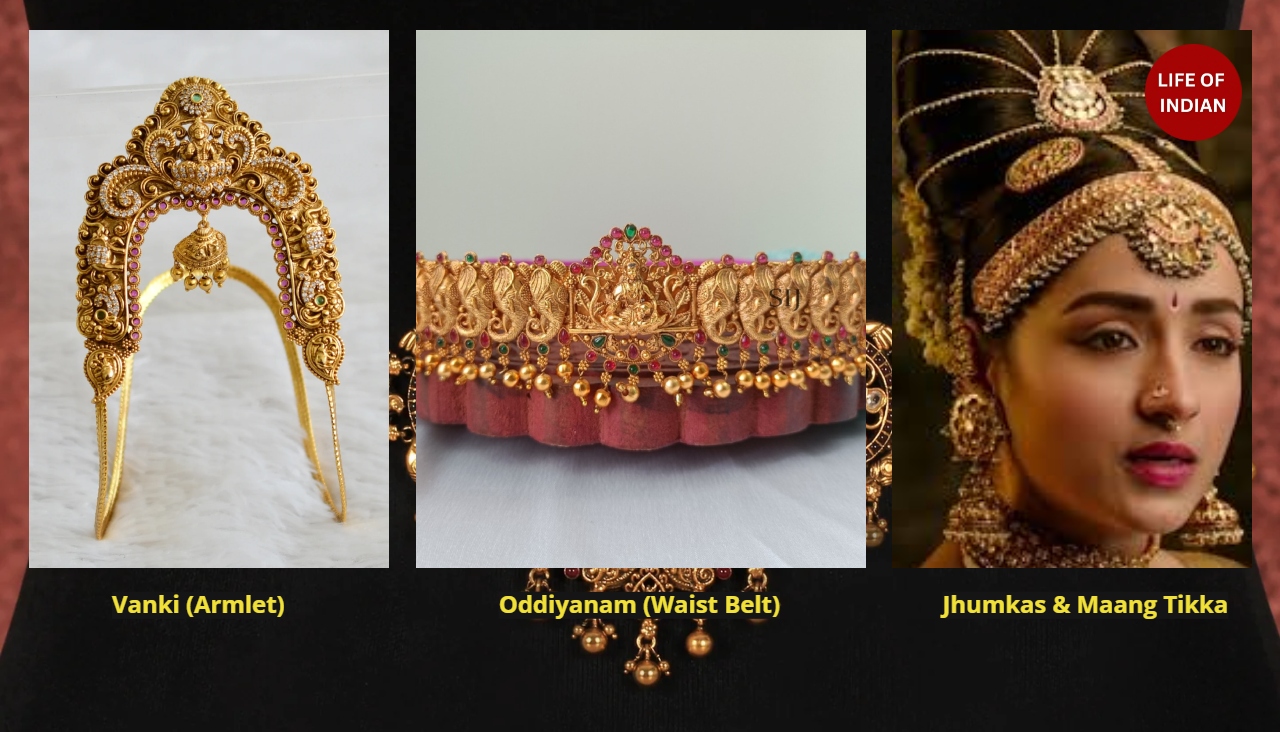

Vanki (Armlet)
A V-shaped armlet worn on the upper arm, symbolizing strength and protection.
Oddiyanam (Waist Belt)
A heavy gold waist belt that secures the saree and enhances the bride’s posture.
Jhumkas & Maang Tikka
Traditional gold earrings and forehead ornaments complete the look, along with nose rings in some communities.
The Groom’s Traditional Attire
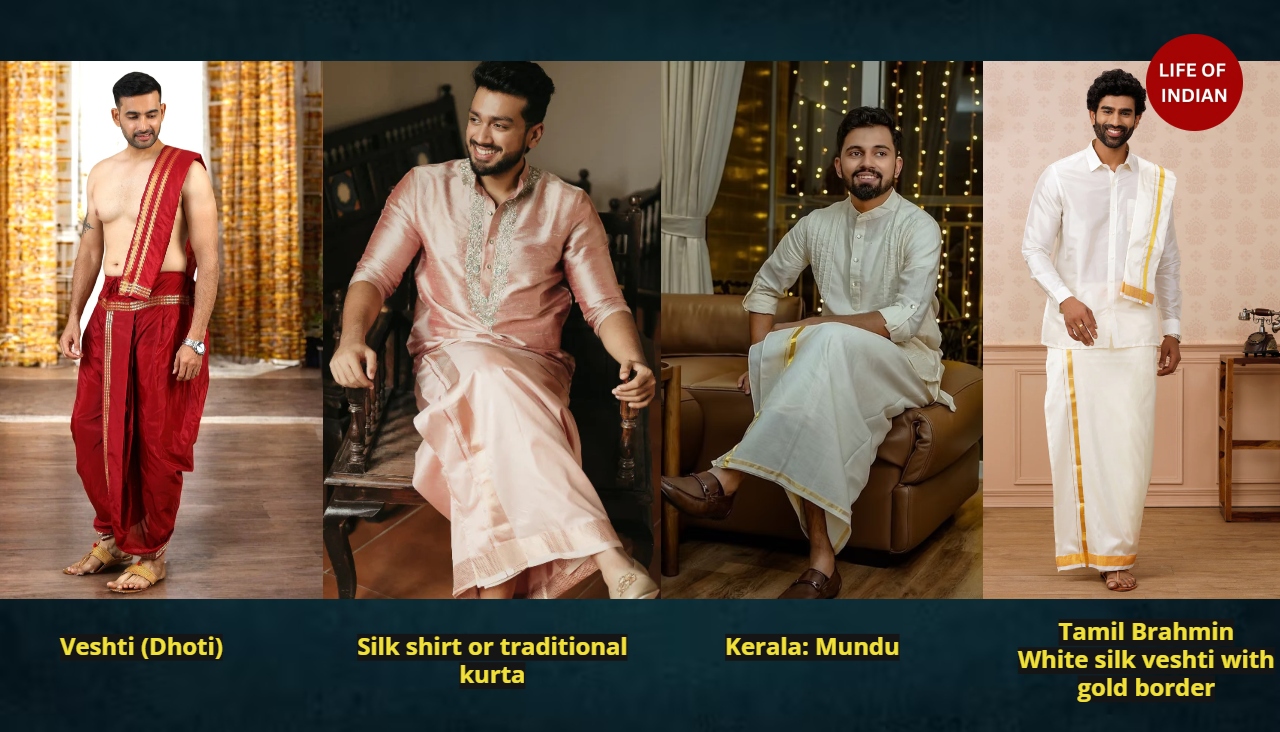
South Indian grooms usually wear:
- Veshti (Dhoti) with an angavastram
- Silk shirt or traditional kurta
- In Kerala: Mundu
- In Tamil Brahmin weddings: White silk veshti with gold border
The attire emphasizes purity and simplicity.
Hair & Floral Adornments
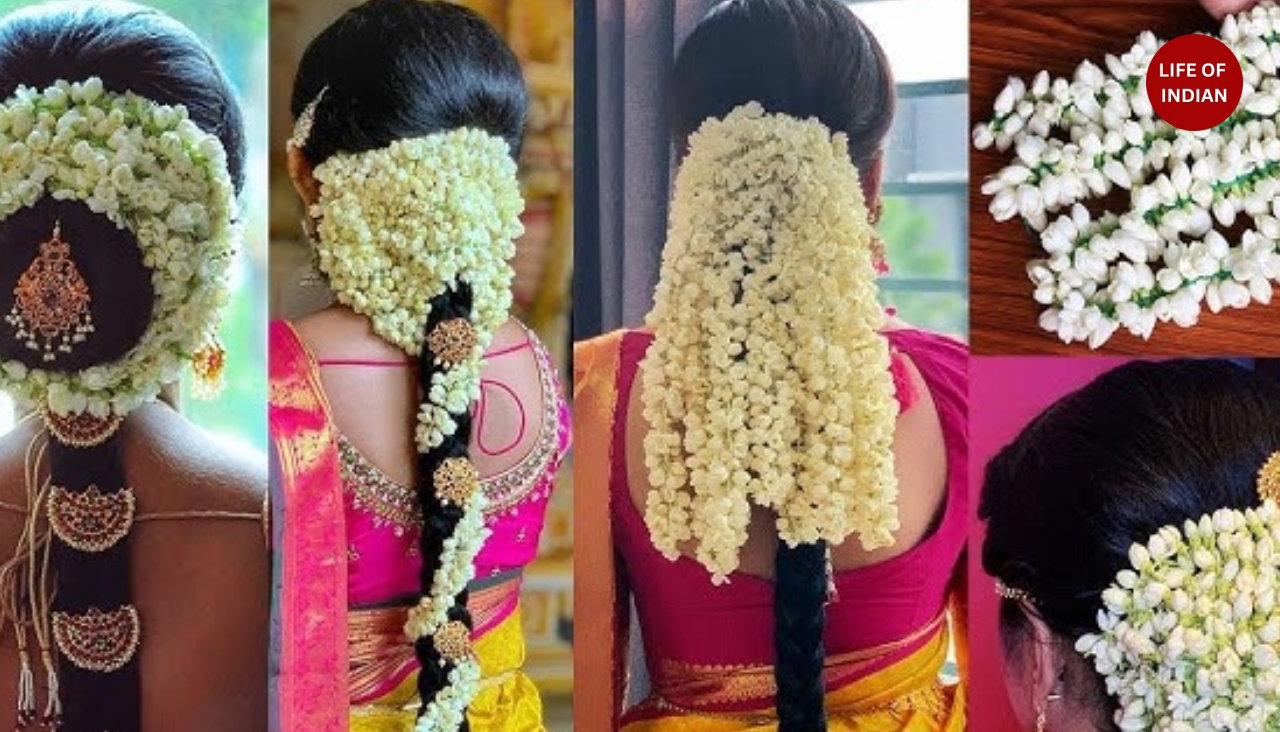
Fresh jasmine (malli poo) is an essential part of bridal styling. The long braid, decorated with gold accessories and flowers, symbolizes femininity and prosperity.
The Emotional Significance
A South Indian bridal outfit is not chosen for fashion trends—it is selected with blessings. Often, the saree is purchased in the presence of elders. Jewellery pieces may be heirlooms passed down from grandmothers.
When a bride drapes her silk saree and layers her gold ornaments, she is not just dressing up—she is carrying forward her family’s heritage.
A Tradition That Lives On
Even in modern times, South Indian brides across the world proudly wear traditional silk sarees on their wedding day. While makeup styles may evolve and venues may become grander, the sacred silk, gold jewellery, and jasmine flowers remain unchanged.
Because in South India, a wedding is not just about two people—it is about honoring culture, ancestors, and timeless beauty.
And when the sacred fire glows, and the temple bells ring softly in the background, the bride—draped in silk and gold—truly looks like a goddess stepping into a new chapter of life.