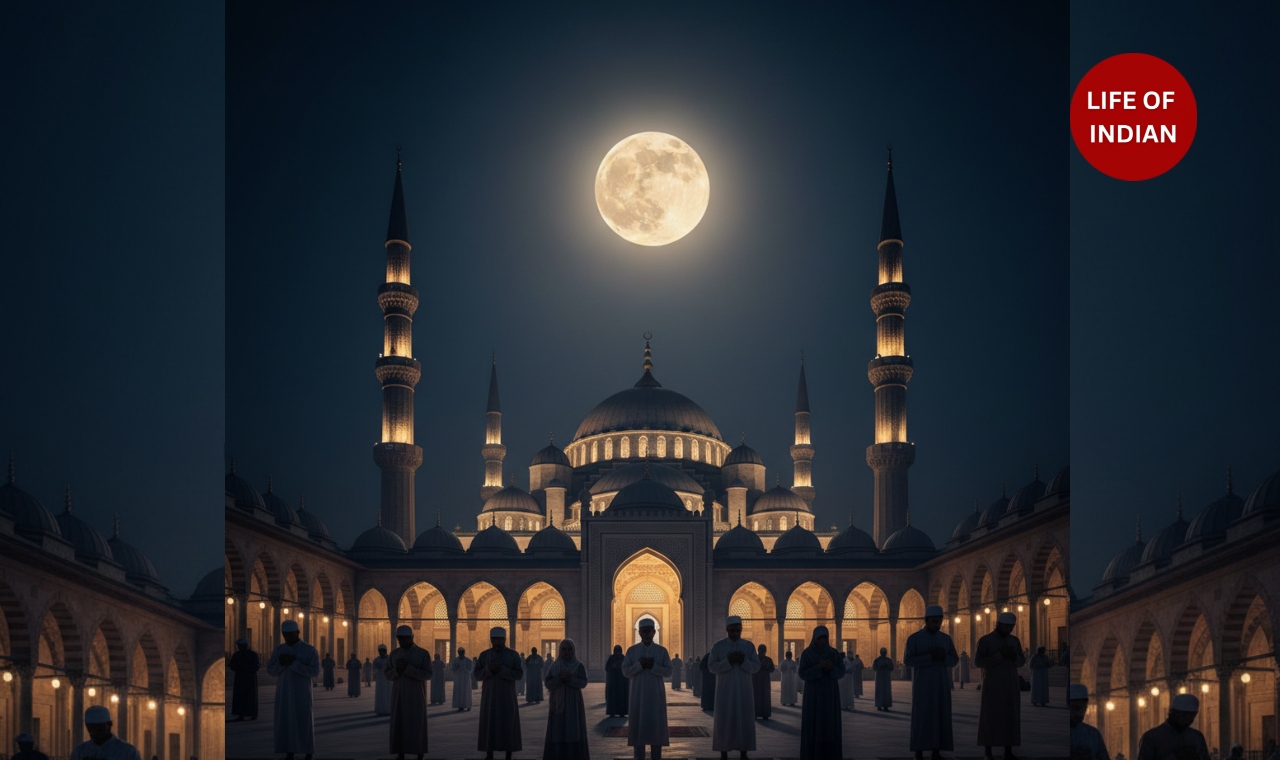
Shab-e-Barat is one of the most sacred and spiritually significant nights in Islam. It is widely known as the Night of Forgiveness, Night of Mercy, or Mid-Shaban. Muslims believe this blessed night is an opportunity to seek Allah’s forgiveness, mercy, and guidance and to reflect on one’s past actions while praying for a better future.
The word “Shab” means night, and “Barat” means freedom, salvation, or deliverance. Together, Shab-e-Barat symbolizes a night of spiritual liberation—freedom from sins, mistakes, and negative deeds.
Shab-e-Barat 2026 Date
Shab-e-Barat is observed on the 15th night of the Islamic month of Shaban (15 Shaban).
- Islamic Date: 15 Shaban 1447 AH
- Expected Date in India: Evening of 3 February 2026 to evening of 4 February 2026
⚠️ Please note:
The exact date may vary depending on moon sighting, as Islamic months begin with the appearance of the new moon.
Why Is Shab-e-Barat Celebrated?
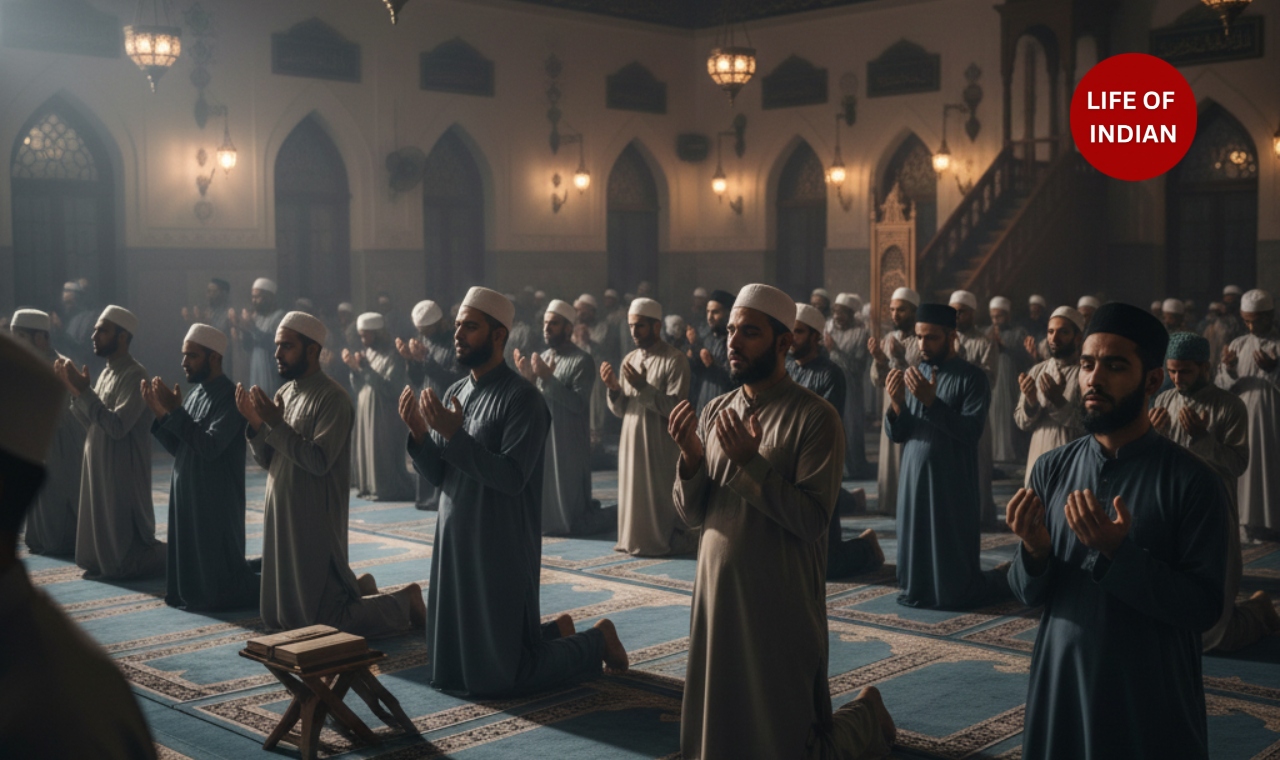
Shab-e-Barat is celebrated because it is believed to be a night when Allah’s mercy is at its peak. According to Islamic beliefs:
- Allah forgives the sins of those who sincerely repent
- Prayers (duas) are accepted
- Destiny related to life, death, sustenance (rizq), and events of the coming year is decreed
This night encourages believers to turn back to Allah, seek forgiveness for past mistakes, and renew their faith with pure intentions.
Many scholars also describe Shab-e-Barat as a time to prepare spiritually for the holy month of Ramadan, which follows soon after.
Religious and Spiritual Significance of Shab-e-Barat
Shab-e-Barat holds deep spiritual meaning in Islam:
- A night of self-reflection and repentance
- An opportunity to strengthen one’s connection with Allah
- A reminder of the temporary nature of life and the importance of good deeds
- A chance to cleanse the heart from jealousy, anger, hatred, and pride
Muslims believe that sincere prayers on this night bring peace, guidance, and blessings in both worldly life and the hereafter.
What Do Muslims Do on Shab-e-Barat?
1. Special Prayers (Nafl Namaz)
Muslims offer voluntary prayers at home or in mosques, seeking forgiveness and mercy from Allah.
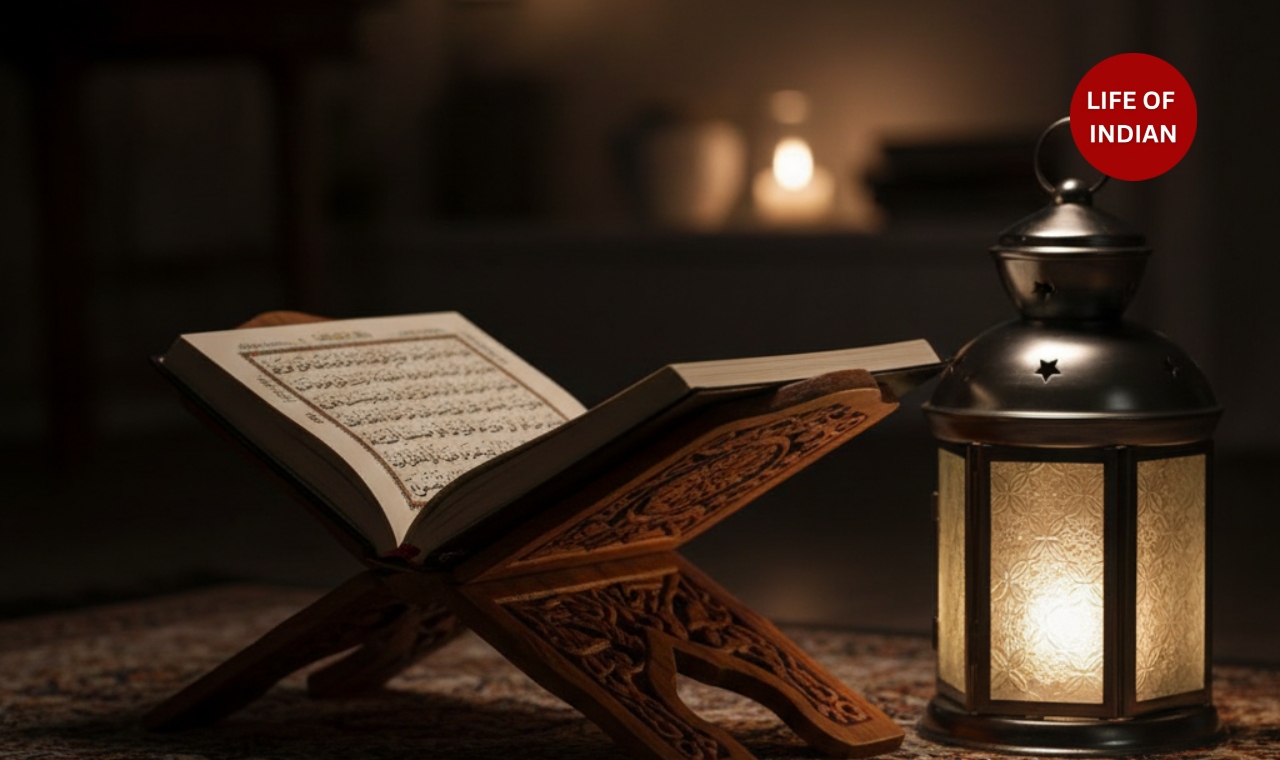
2. Recitation of the Quran
Many believers spend the night reciting verses from the Holy Quran, reflecting on its teachings.
3. Duas and Istighfar (Seeking Forgiveness)
People sincerely repent for their sins and ask Allah for guidance, protection, and blessings for themselves and their families.
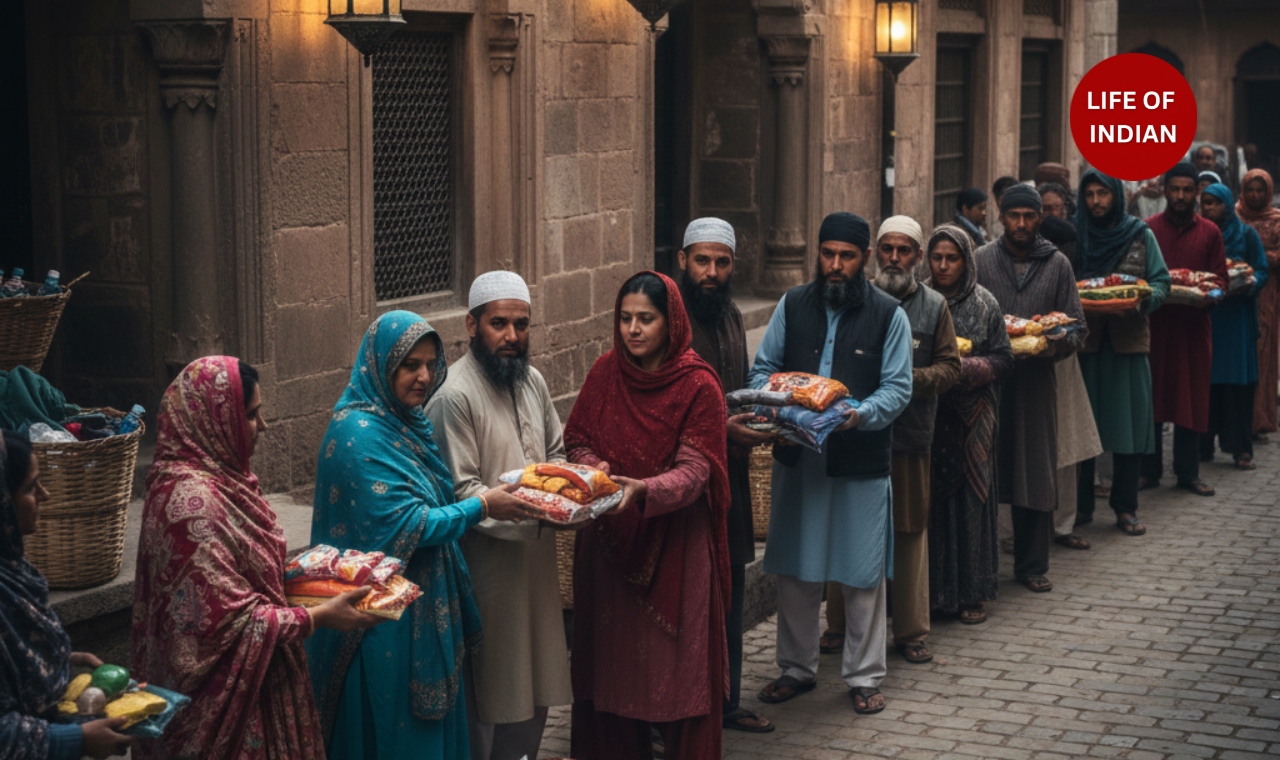
4. Charity and Good Deeds (Sadaqah)
Donating food, clothes, or money to the poor and needy is highly encouraged. Charity is believed to soften the heart and attract Allah’s mercy.
5. Remembering the Deceased
In many regions, people pray for their deceased relatives and visit graveyards (where culturally practiced), asking Allah to grant them peace and forgiveness.
Is Fasting Observed on Shab-e-Barat?
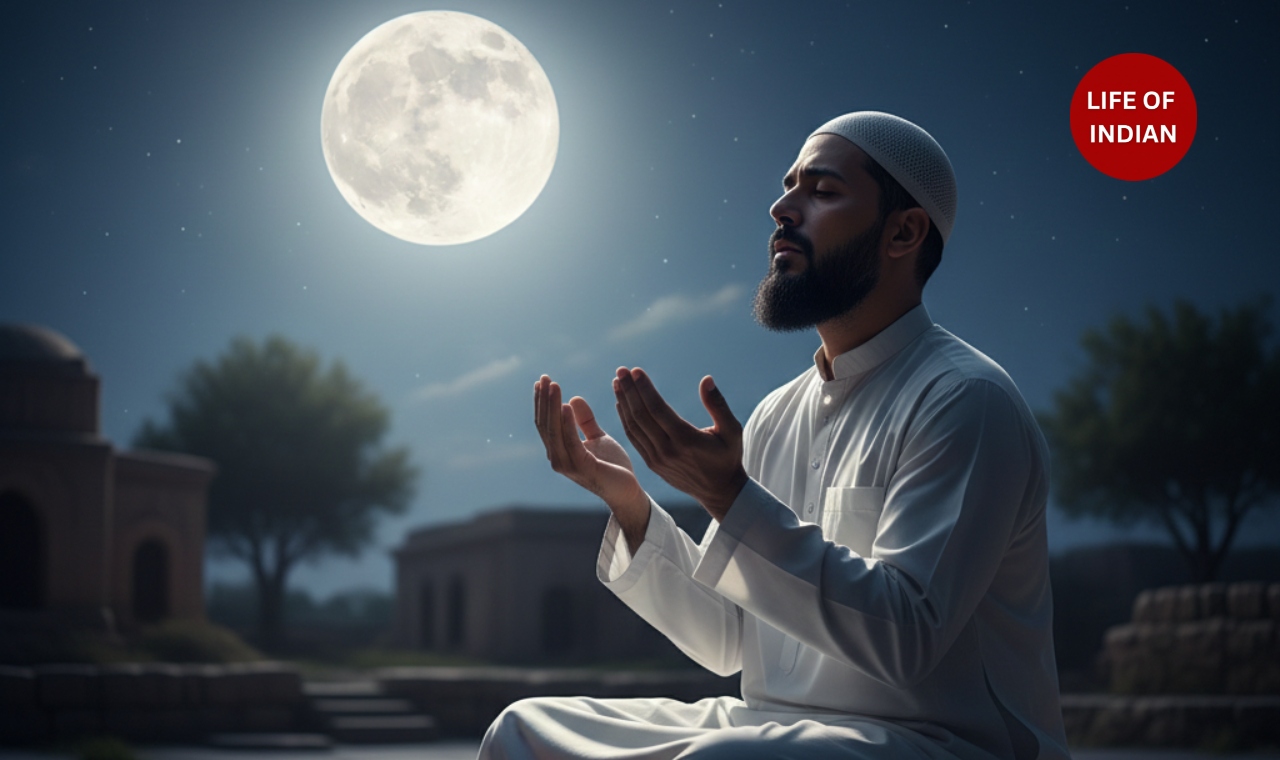
Fasting on Shab-e-Barat is not obligatory (Farz). However:
- Some scholars recommend voluntary (Nafl) fasting, especially on the 15th day of Shaban
- Many Muslims also keep fasts during the month of Shaban as a spiritual practice
Fasting is considered a personal act of devotion and varies according to individual belief and scholarly interpretation.
Cultural Observance of Shab-e-Barat in India
In India, Shab-e-Barat is observed with deep devotion and respect. Common practices include:
- Night-long prayers and Quran recitation
- Distribution of sweets and food
- Acts of charity and kindness
- Spiritual gatherings and remembrance of Allah
The atmosphere during Shab-e-Barat is peaceful, reflective, and filled with spiritual energy.
Shab-e-Barat is not just a religious night but a powerful spiritual reminder of forgiveness, mercy, and self-improvement. It encourages believers to pause, reflect, seek Allah’s forgiveness, and prepare themselves mentally and spiritually for the coming days—especially the holy month of Ramadan.
By engaging in prayer, charity, and sincere repentance, Muslims believe they can transform this sacred night into a turning point for a more meaningful and righteous life.