


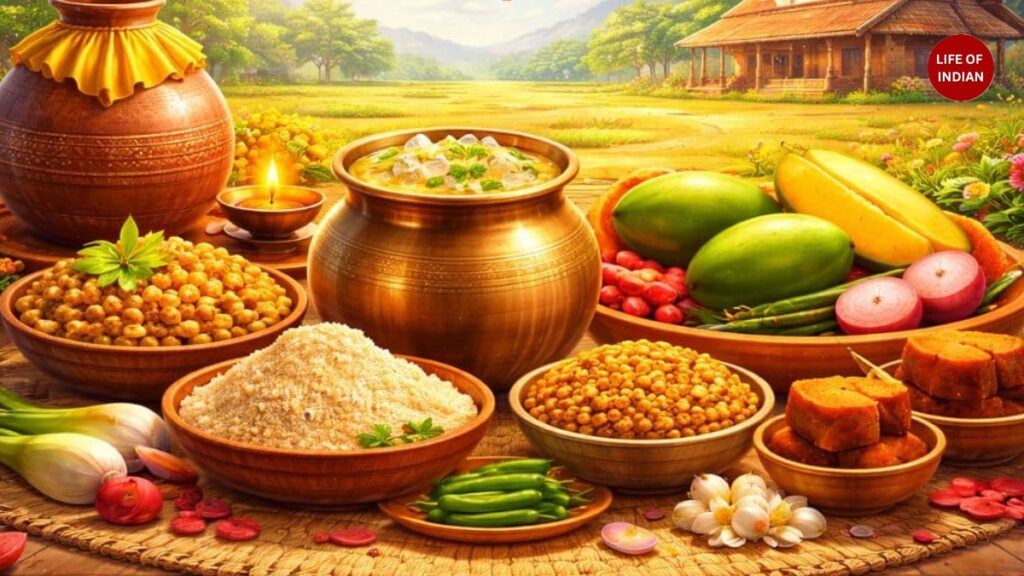
Satuan Festival: In the culturally rich landscape of India, every region has its own way of celebrating nature and seasonal transitions. One such unique and deeply rooted festival is Satuan, primarily celebrated in Bihar, Jharkhand, and parts of Eastern Uttar Pradesh. Unlike grand and decorative festivals, Satuwan stands out for its simplicity, practicality, and deep connection with nature and daily life.
Celebrated around April 14 or 15, this festival coincides with Mesha Sankranti, marking the sun’s transition into Aries and the beginning of the traditional solar new year in many Indian cultures.
Historical and Cultural Background
Satuan has its origins in rural and agrarian traditions. For centuries, communities in Bihar have observed this day as a natural indicator of changing seasons. As the harsh summer begins, people adapt their lifestyle and diet accordingly.
The festival reflects the wisdom of ancient Indian traditions, where food, health, and climate were closely interconnected. Rather than being centered around mythology alone, Satuwan is more about practical living, sustainability, and harmony with nature.
The Significance of Sattu in Satuan
The essence of Satuwan lies in Sattu, a staple ingredient in Bihar. Sattu is made by grinding roasted gram and is known for its high nutritional value and cooling properties.
During the peak of summer, heavy and oily foods can be harmful to the body. Sattu, on the other hand, helps in keeping the body cool, hydrated, and energized. This is why it becomes the central food of this festival.
On Satuan, people traditionally consume sattu in different forms—mixed with water and salt or sugar, stuffed in rotis, or combined with raw ingredients like onion and green chilies. This simple diet is not just a tradition but also a scientifically beneficial practice suited to the climate.
Rituals and Traditional Practices
Satuwan is observed with a calm and disciplined approach rather than elaborate celebrations. People wake up early and take a bath, often in rivers or ponds, considering it auspicious. They offer prayers to the Sun God, seeking good health and prosperity.
One of the most interesting customs of this festival is avoiding freshly cooked food. Many households do not light their stoves on this day and instead rely entirely on pre-prepared or raw food items. This tradition symbolizes rest, simplicity, and a break from daily routines.
Another important aspect is charity. People donate sattu, water, fruits, and other essential items to the poor, reinforcing the values of compassion and community support.
Connection with Agriculture and Lifestyle
Satuan is closely linked with the agricultural lifestyle of Bihar. Farmers consider this period crucial as it marks a shift in weather conditions that affect crops and daily work patterns.
The festival encourages people to prepare themselves physically and mentally for the intense summer ahead. By changing dietary habits and reducing workload on this day, it promotes a balanced and sustainable lifestyle.
Regional Variations and Similar Festivals
While Satuan is most popular in Bihar, similar festivals are celebrated across India under different names. For instance, Baisakhi in Punjab, Vishu in Kerala, and Puthandu in Tamil Nadu also mark the solar new year and seasonal transitions.
However, what makes Satuan unique is its strong emphasis on food as medicine and its minimalistic approach. It does not rely on grand rituals but focuses on everyday practices that directly impact health and well-being.
Modern Relevance of Satuan
In today’s fast-paced world, where processed food and unhealthy lifestyles are becoming common, Satuwan offers a valuable lesson. It reminds us of the importance of seasonal eating, natural foods, and maintaining balance with nature.
The festival is slowly gaining recognition beyond rural areas, with urban populations also embracing sattu as a healthy superfood. This revival highlights how traditional knowledge can remain relevant even in modern times.
Satuan is more than just a festival—it is a reflection of Bihar’s cultural wisdom and practical approach to life. It teaches us that celebrations do not always need grandeur; sometimes, simplicity, health, and harmony with nature are the greatest forms of celebration.
As temperatures rise and lifestyles become more demanding, the values embedded in Satuwan become even more meaningful. It stands as a reminder that the answers to modern challenges often lie in our traditional practices.