


In India’s vast network of social welfare programs, Anganwadi workers play one of the most important grassroots roles. They work directly with communities, especially in rural and underprivileged areas, ensuring that children, pregnant women, and mothers receive proper nutrition, healthcare support, and early education.
Anganwadi workers are the frontline functionaries of the Integrated Child Development Services (ICDS) scheme, which is one of the world’s largest programs for early childhood development. Through Anganwadi centres spread across villages and urban slums, these workers help improve nutrition, health awareness, and early childhood education.
Their work often goes beyond administrative duties—they become caregivers, educators, and community health guides, helping families build healthier futures for their children.
What is an Anganwadi Centre?
An Anganwadi centre is a rural child care and development centre established by the Government of India under the Integrated Child Development Services (ICDS) program.
These centres provide a range of essential services such as:
- Supplementary nutrition for children and mothers
- Preschool education for young children
- Health check-ups and growth monitoring
- Immunization support
- Nutrition and health education for mothers
Each centre is usually managed by one Anganwadi worker and one helper, who work closely with local health departments and community members.
Key Responsibilities of Anganwadi Workers
1. Providing Early Childhood Education

One of the main duties of Anganwadi workers is to provide non-formal preschool education to children between the ages of 3 and 6 years.
They help children develop basic skills such as:
- Recognizing letters and numbers
- Social interaction
- Basic hygiene habits
- Creative activities like drawing and storytelling
These activities prepare children for formal schooling and improve their learning abilities at an early age.
2. Monitoring Child Nutrition and Growth


Anganwadi workers regularly monitor the growth and nutritional status of children.
Their work includes:
- Weighing children regularly
- Recording growth in health charts
- Identifying malnourished children
- Referring serious cases to healthcare centres
Early detection helps prevent severe malnutrition and health complications.
3. Providing Supplementary Nutrition

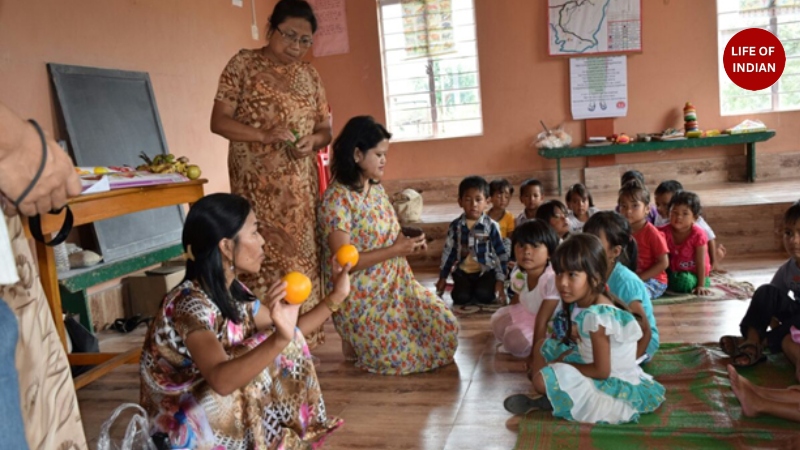
Another crucial responsibility is providing nutritious food to children, pregnant women, and lactating mothers.
Through government nutrition programs, Anganwadi centres distribute:
- Take-home rations
- Cooked meals for children
- Nutritional supplements
These programs aim to reduce child malnutrition, anemia, and underweight cases among children.
4. Supporting Maternal and Child Healthcare
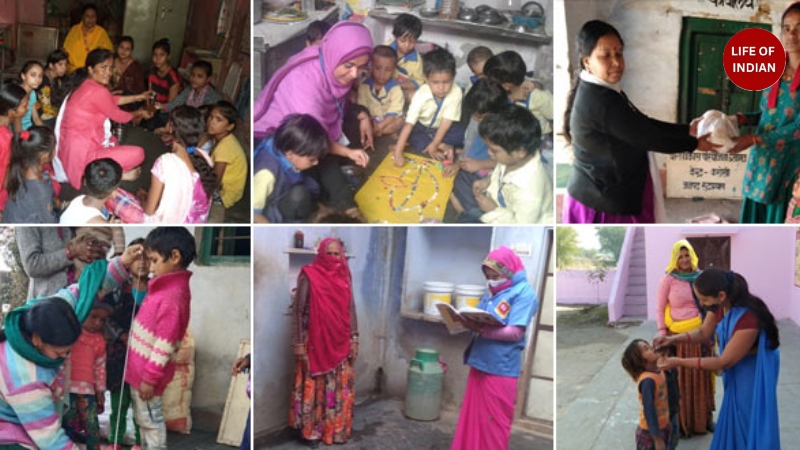
Anganwadi workers play an important role in maternal and child health awareness.
They work closely with health workers such as ASHA workers and ANMs to support services like:
- Immunization campaigns
- Health check-ups for pregnant women
- Awareness about breastfeeding and child care
- Family health counselling
They also encourage pregnant women to visit hospitals for safe delivery and regular health check-ups.
5. Promoting Health and Hygiene Awareness
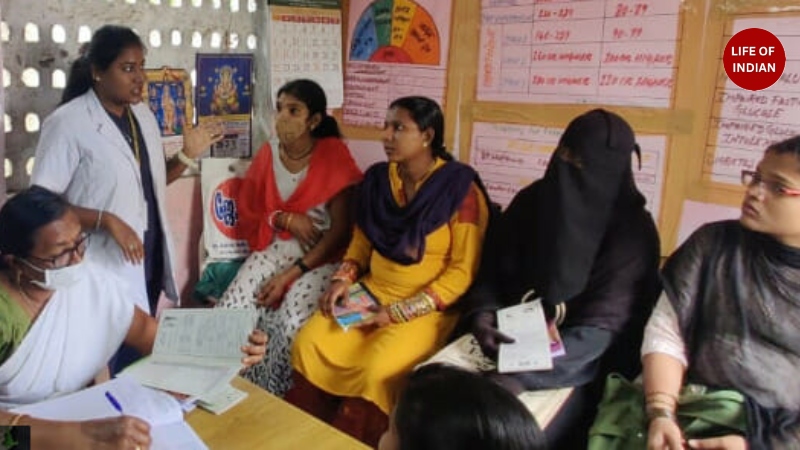
Anganwadi workers educate families about essential health practices such as:
- Clean drinking water
- Proper sanitation
- Handwashing habits
- Balanced nutrition
These awareness programs help prevent diseases and improve overall community health.
6. Maintaining Government Records and Data
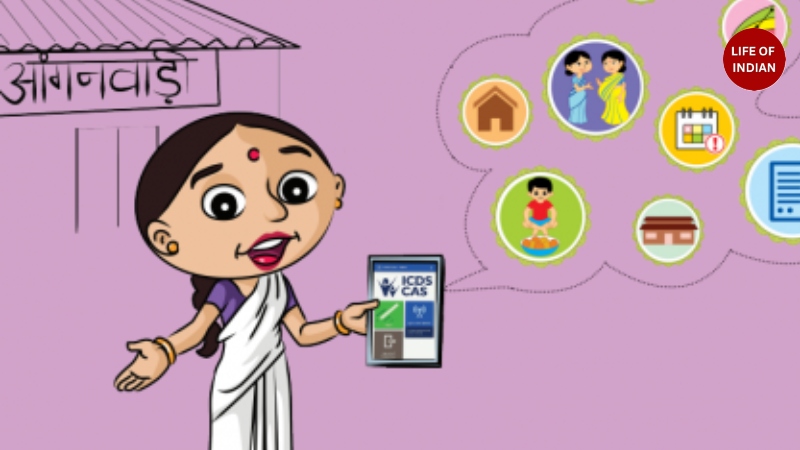
Another important responsibility is data collection and reporting.
Anganwadi workers maintain records related to:
- Child growth charts
- Nutrition distribution
- Immunization records
- Pregnant and lactating mothers
This data helps the government monitor the progress of welfare programs and identify areas that need improvement.
Importance of Anganwadi Workers in Rural Development
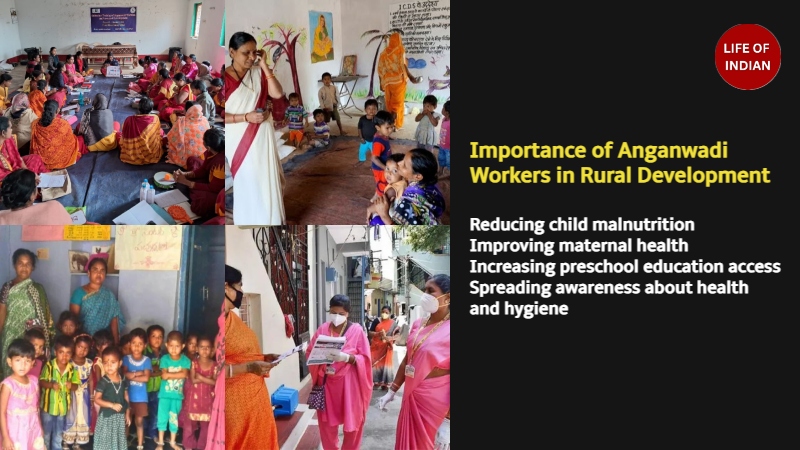
Anganwadi workers are often the first point of contact between the government and the community.
Their efforts contribute to:
- Reducing child malnutrition
- Improving maternal health
- Increasing preschool education access
- Spreading awareness about health and hygiene
Because they work directly with families, they help ensure that government welfare schemes reach the people who need them the most.
Challenges Faced by Anganwadi Workers
Despite their crucial role, Anganwadi workers face several challenges:
- Limited financial incentives
- Heavy workload and multiple responsibilities
- Infrastructure issues in some centres
- Lack of adequate training in certain areas
Experts believe that improving working conditions and providing better training can strengthen the effectiveness of Anganwadi services.
Anganwadi workers form the foundation of India’s child and maternal welfare system. Through their dedication and grassroots efforts, they help improve the health, nutrition, and education of millions of children and mothers across the country.
Their role goes far beyond routine duties—they serve as educators, health guides, and community supporters, helping build a healthier and more aware society.
Strengthening the Anganwadi system and supporting these workers can play a vital role in achieving better child development, improved nutrition, and a stronger future for India.
FAQ
-
1. Who are Anganwadi workers?
Anganwadi workers are community-based frontline workers who provide health, nutrition, and early childhood education services through Anganwadi centres under the Integrated Child Development Services (ICDS) scheme.
-
2. What are the main responsibilities of Anganwadi workers?
Anganwadi workers provide preschool education, distribute supplementary nutrition, monitor child growth, support immunization programs, and create awareness about health and hygiene.
-
3. What is the role of Anganwadi centres in rural areas?
Anganwadi centres help improve child nutrition, maternal health, and early childhood development while also educating families about hygiene and balanced nutrition.
-
4. Which government program do Anganwadi workers work under?
Anganwadi workers work under the Integrated Child Development Services (ICDS) scheme, which focuses on improving the health and development of children and mothers.
-
5. Why are Anganwadi workers important for India’s development?
They play a crucial role in reducing malnutrition, improving maternal health, and ensuring that government welfare schemes reach rural communities.