

India’s Republic Day parade on 26 January is often seen as a grand celebration of military strength, cultural diversity and national pride. But beyond the tanks, fighter jets and colourful tableaux, there lies a carefully choreographed diplomatic message. The identity of the chief guest at the Republic Day ceremony has long been viewed as a subtle yet powerful indicator of India’s foreign policy priorities.
As India marks its 77th Republic Day, the decision to invite European Commission President Ursula von der Leyen and European Council President António Costa as chief guests places the European Union at the centre of India’s diplomatic spotlight—a move rich in geopolitical significance.
Republic Day: More Than a Military Parade
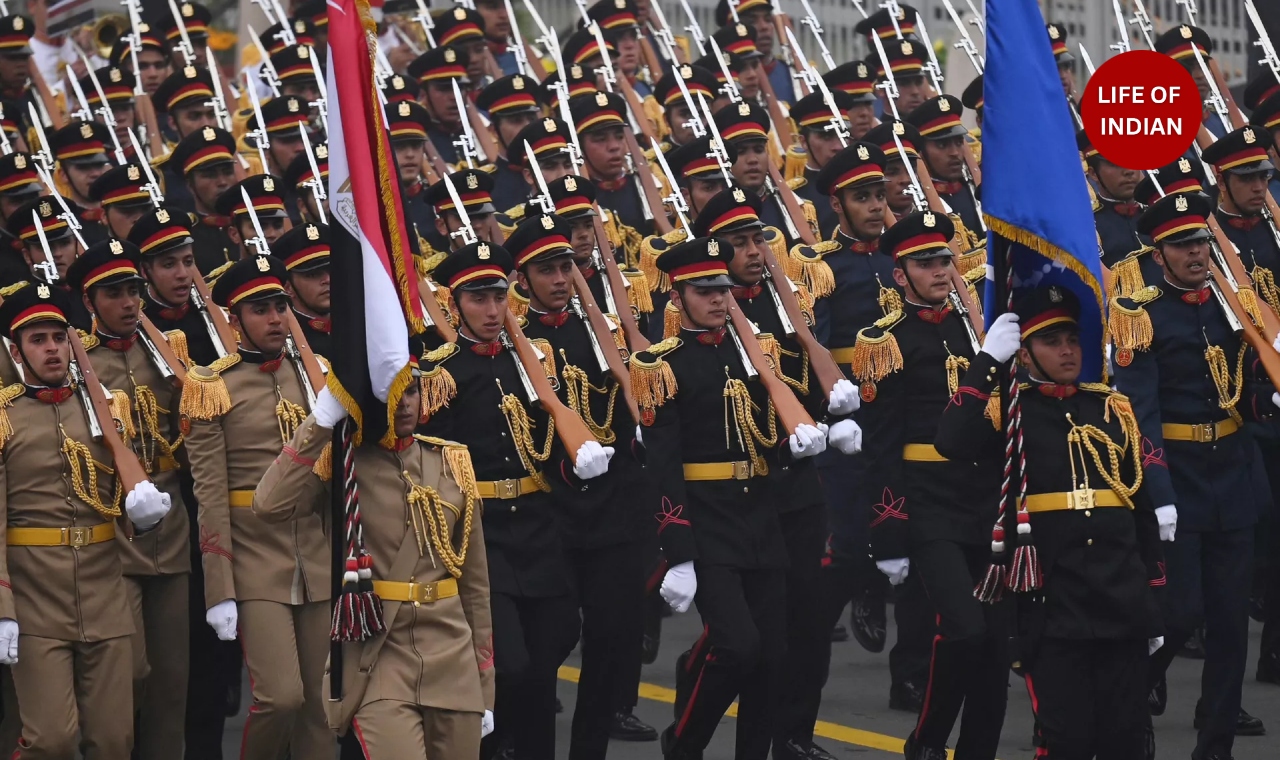
Republic Day commemorates the day India adopted its Constitution in 1950, formally becoming a sovereign democratic republic. The annual parade along Delhi’s Kartavya Path transforms the heart of the capital into a global stage. Thousands of troops march in formation, armoured vehicles roll past, fighter jets roar overhead, and cultural tableaux from different states showcase India’s diversity.
While the spectacle captures public imagination, international observers closely watch who occupies the seat next to the President of India. That seat carries symbolism far beyond protocol.
The Chief Guest: A Diplomatic Signal
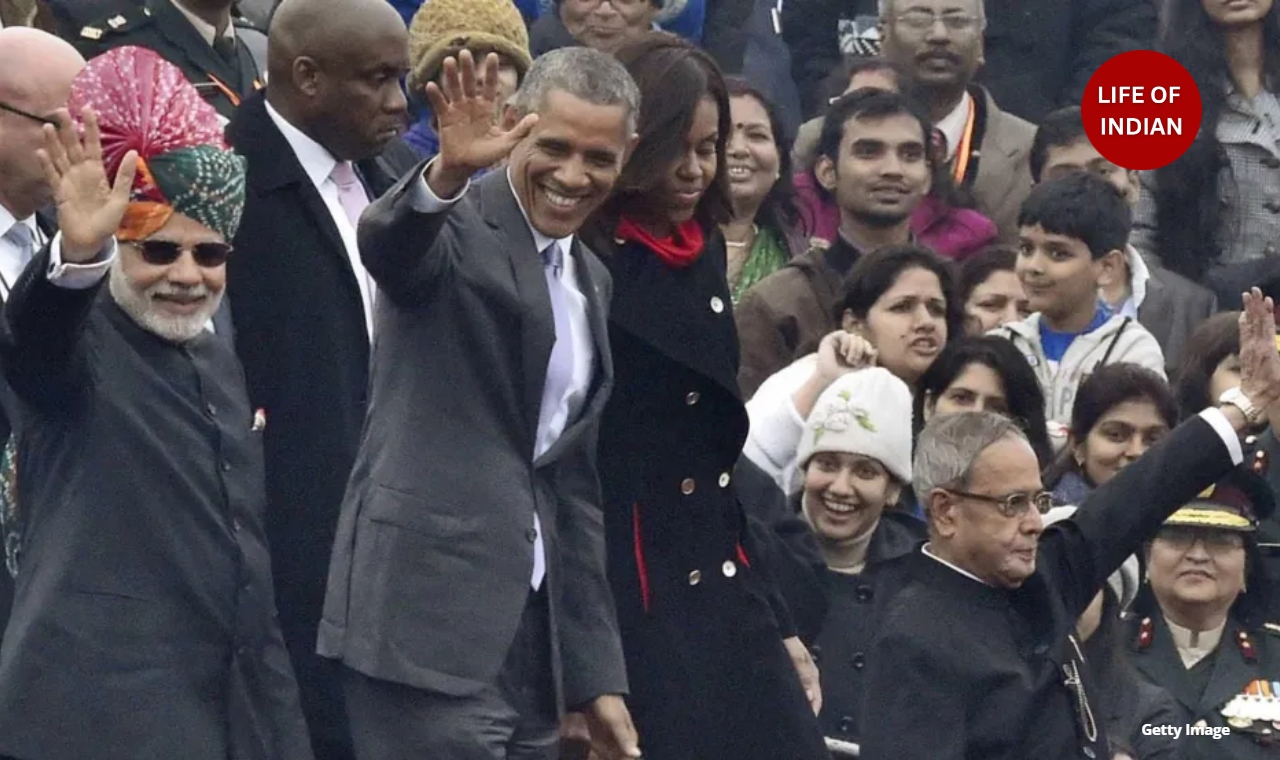
Since India’s first Republic Day in 1950—when Indonesia’s President Sukarno was invited—the choice of chief guest has reflected New Delhi’s external outlook. In the early years, India prioritised solidarity with newly independent nations, especially from Asia and Africa. This approach aligned with India’s leadership role in the Non-Aligned Movement.
Over the decades, Republic Day guests have included:
-
Neighbouring countries such as Bhutan and Sri Lanka
-
Strategic partners like Russia and France
-
Western powers including the United States and the United Kingdom
Each invitation has mirrored a particular moment in India’s evolving global strategy.
Why the European Union Matters This Year
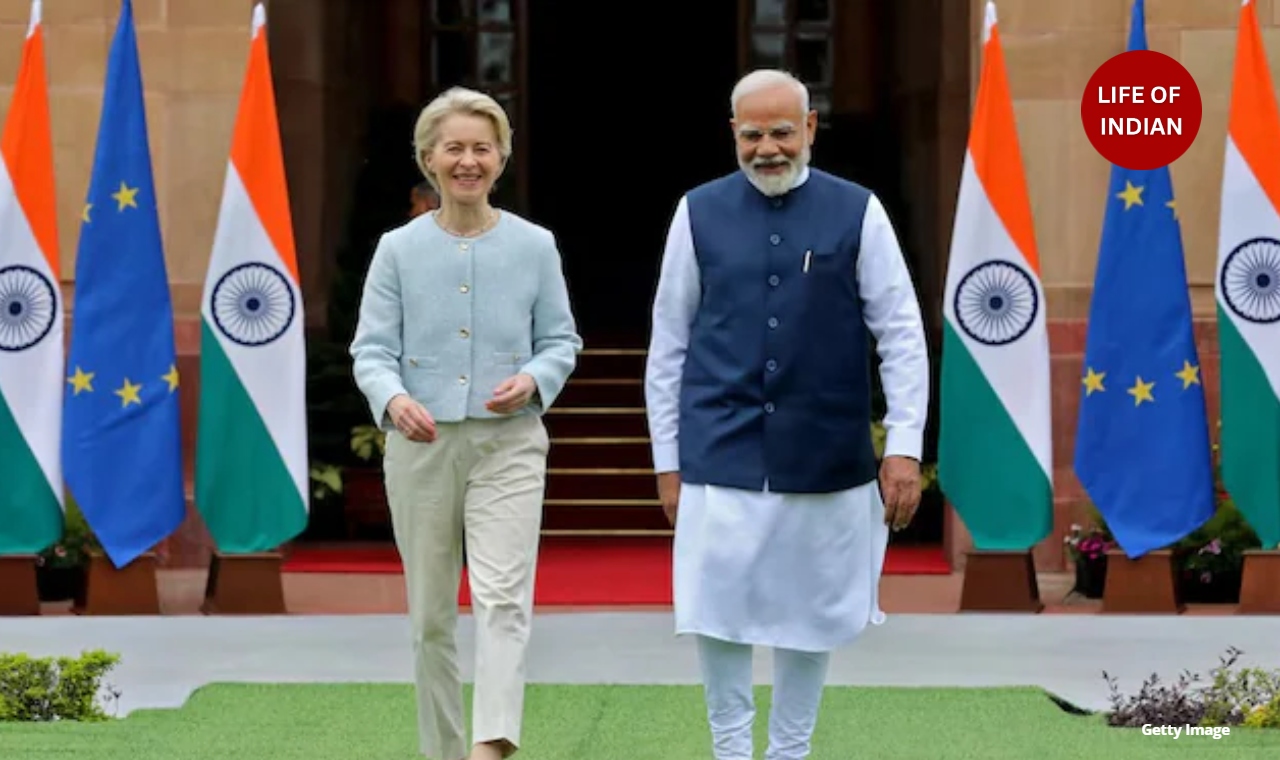
The invitation to the EU’s top leadership signals India’s intention to deepen engagement with Europe at a time of global uncertainty. Analysts see this as a clear message that India is “doubling down” on its partnership with the EU—economically, strategically and politically.
India and the EU have been negotiating a trade and investment agreement, and the high-profile Republic Day invitation suggests momentum toward closer economic cooperation. At a time when India’s trade relations with other partners, including the United States, have faced friction, Europe emerges as a critical counterbalance.
How India Chooses Its Republic Day Guest
The selection process is largely discreet. According to former diplomats, it begins within the Ministry of External Affairs, which prepares a shortlist of potential invitees. The final decision rests with the Prime Minister’s Office, after weighing several factors:
-
Strategic importance of the country or bloc
-
Regional balance
-
Previous invitations
-
Current geopolitical context
-
Availability of the leader
Former Indian ambassador Navtej Sarna has noted that the choice involves balancing neighbours, major powers and long-term partners, while also marking diplomatic milestones.
When Absence Speaks Louder Than Presence
Just as invitations signal closeness, absence reflects strained ties. Pakistan, for instance, was invited twice in the early years but has not featured since the 1965 war. China appeared only once, in 1958, before relations deteriorated following the 1962 border conflict.
These omissions underline how Republic Day functions as a quiet but effective diplomatic barometer.
A Parade Unlike Any Other
Unlike many countries that use military parades to commemorate wartime victories—such as Russia’s Victory Day or France’s Bastille Day—India’s Republic Day is rooted in constitutional democracy.
India celebrates not conquest, but the adoption of a Constitution that enshrines justice, liberty, equality and fraternity. This distinction gives the parade a unique character: a blend of military capability and cultural pluralism.
The inclusion of folk dances, regional tableaux and civilian participation projects India not just as a power, but as a civilisation-state defined by diversity.
Soft Power and Personal Impressions
Beyond strategic calculations, Republic Day often leaves lasting personal impressions on visiting leaders. Former officials recall how foreign dignitaries—such as the Obamas—were fascinated by uniquely Indian elements like camel-mounted contingents. These moments of cultural connection strengthen India’s soft power in subtle but meaningful ways.
Diplomacy on Display
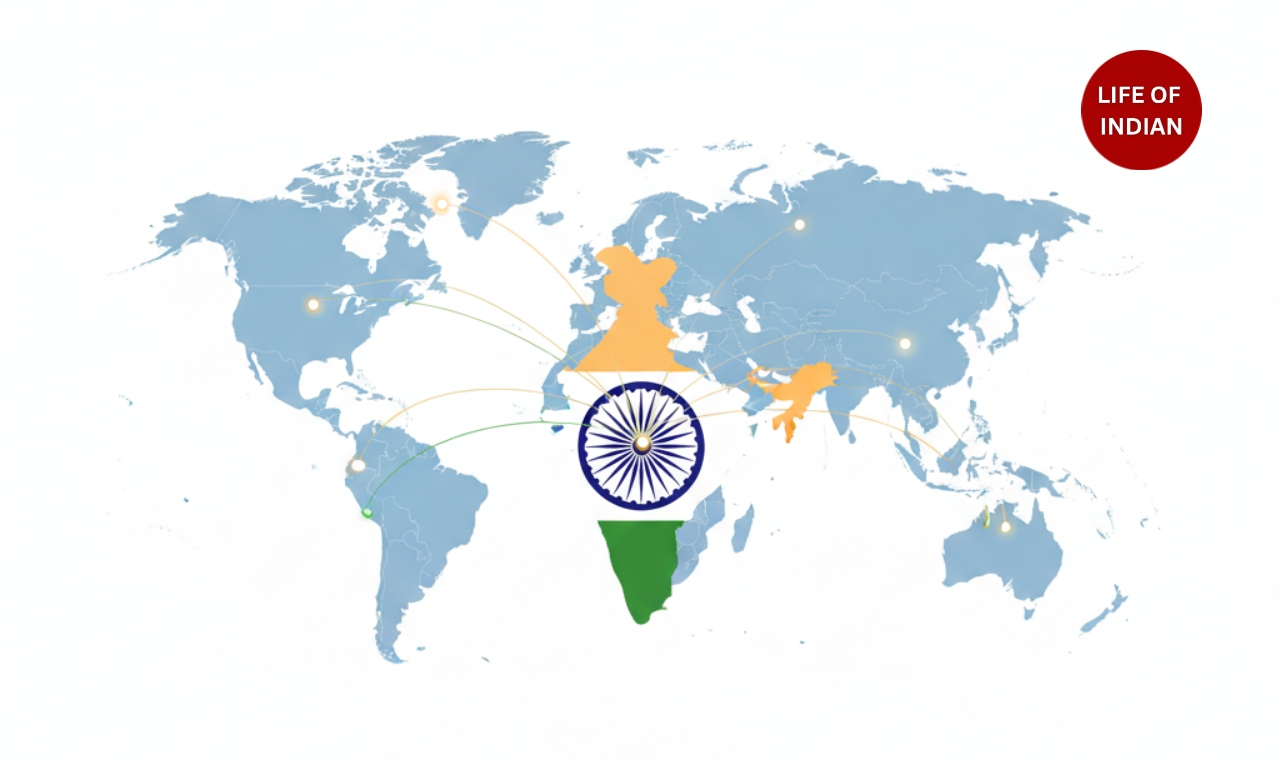
India’s Republic Day red carpet is far more than ceremonial pageantry. It is a carefully curated diplomatic message—one that communicates priorities, partnerships and principles without a single official statement.
By inviting the European Union’s leadership as chief guests, India signals its intent to shape a multipolar world through balanced partnerships, constitutional values and strategic autonomy. In that sense, Republic Day becomes not just a national celebration, but a window into India’s global vision.