
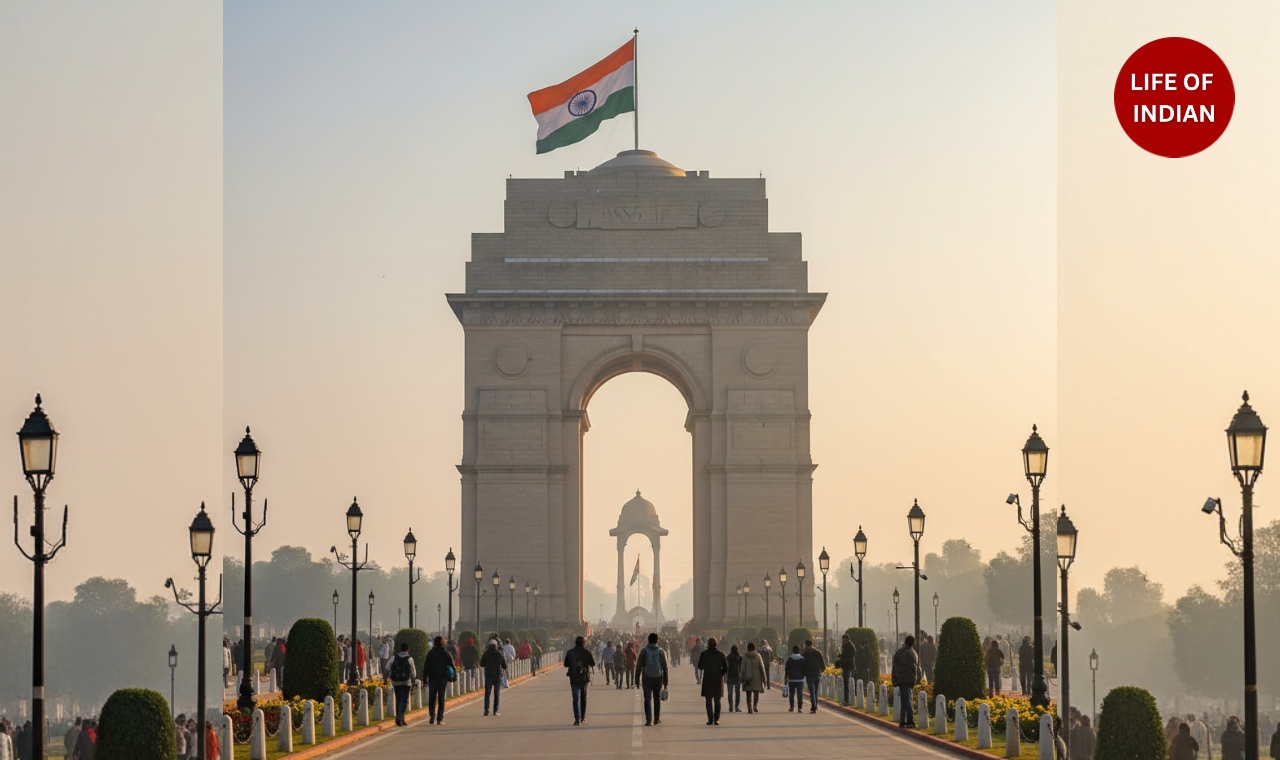
Republic Day 26 January: Republic Day is one of the most important national holidays celebrated in India every year on 26 January. It is a day when the entire nation comes together to honour the spirit of democracy, freedom, justice, equality, and unity. Unlike Independence Day, which celebrates freedom from colonial rule, Republic Day marks the day India became a sovereign democratic republic under its own Constitution.
Historical Background—Why 26 January?
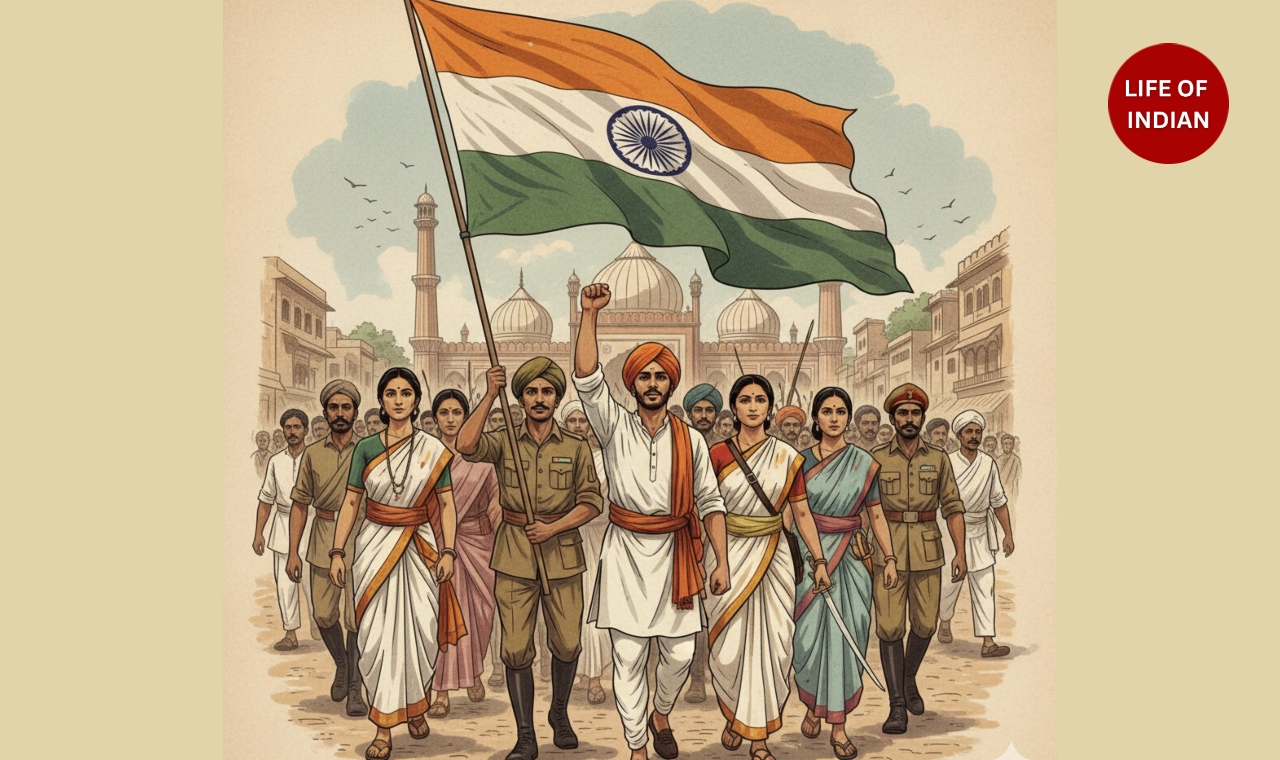
The story of Republic Day goes back to the freedom struggle of India. On 26 January 1930, the Indian National Congress, during the Lahore session, passed the historic Purna Swaraj (Complete Independence) Resolution, rejecting British dominion status and calling for full independence from colonial rule. This date became deeply symbolic in India’s fight for freedom.
After gaining independence on 15 August 1947, India still needed a permanent Constitution to replace the Government of India Act 1935, which was a colonial law. A Constituent Assembly, chaired by Dr. B.R. Ambedkar, was formed to draft this Constitution. After extensive debates and revisions, the Constitution was adopted on 26 November 1949, and it came into force on 26 January 1950. This was done to honour the 1930 Purna Swaraj declaration and to give India a new democratic foundation.
On that historic day in 1950, India officially became a republic, and Dr. Rajendra Prasad was sworn in as the first President of the Republic of India.
What Does Republic Day Signify?
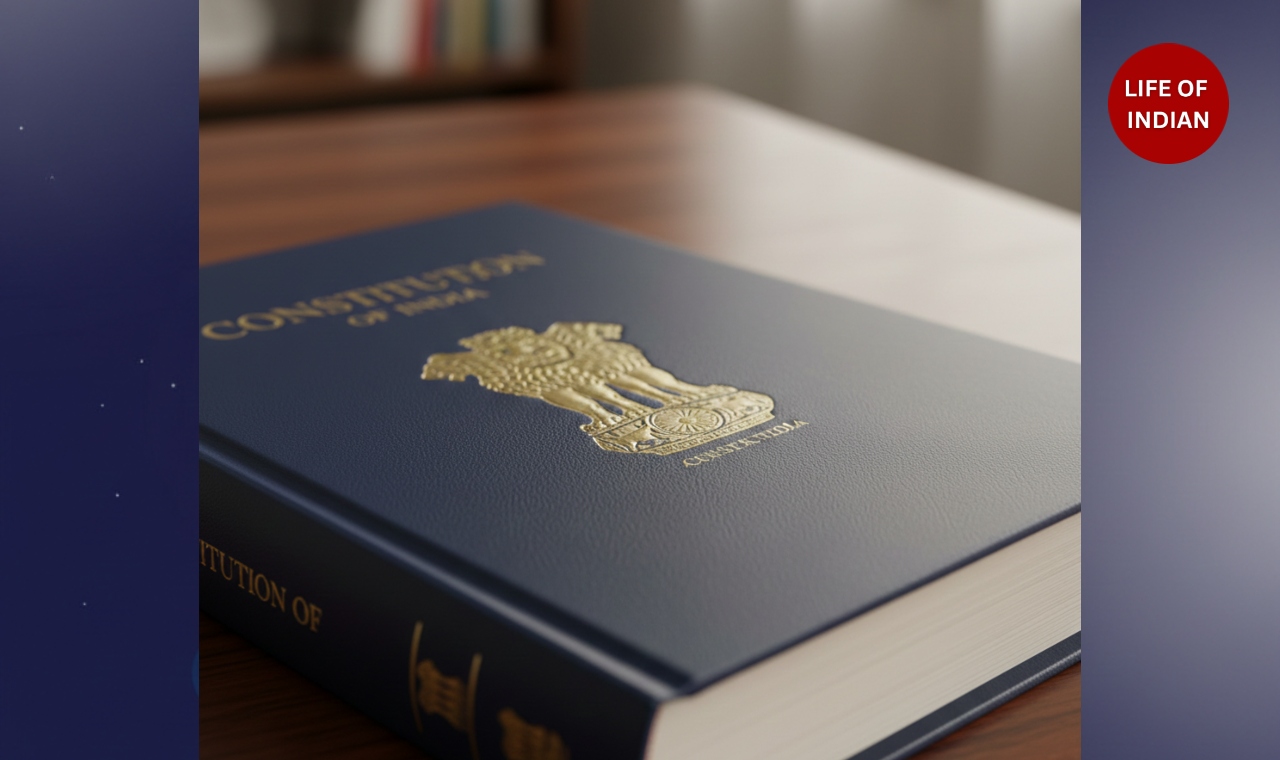
Republic Day celebrates the adoption of the Constitution of India, which transformed the country into a sovereign republic. It is not just a ceremonial event; it is a reminder of the values enshrined in the Constitution—justice, liberty, equality, and fraternity—and the democratic rights and duties it guarantees for every citizen.
While Independence Day marks liberation from British rule, Republic Day celebrates the moment when India chose its own path, governed by laws made by the people for the people. This shift from colonial law to a people’s Constitution is the true essence of Republic Day.
How Republic Day Is Celebrated
1. The Grand Parade in New Delhi
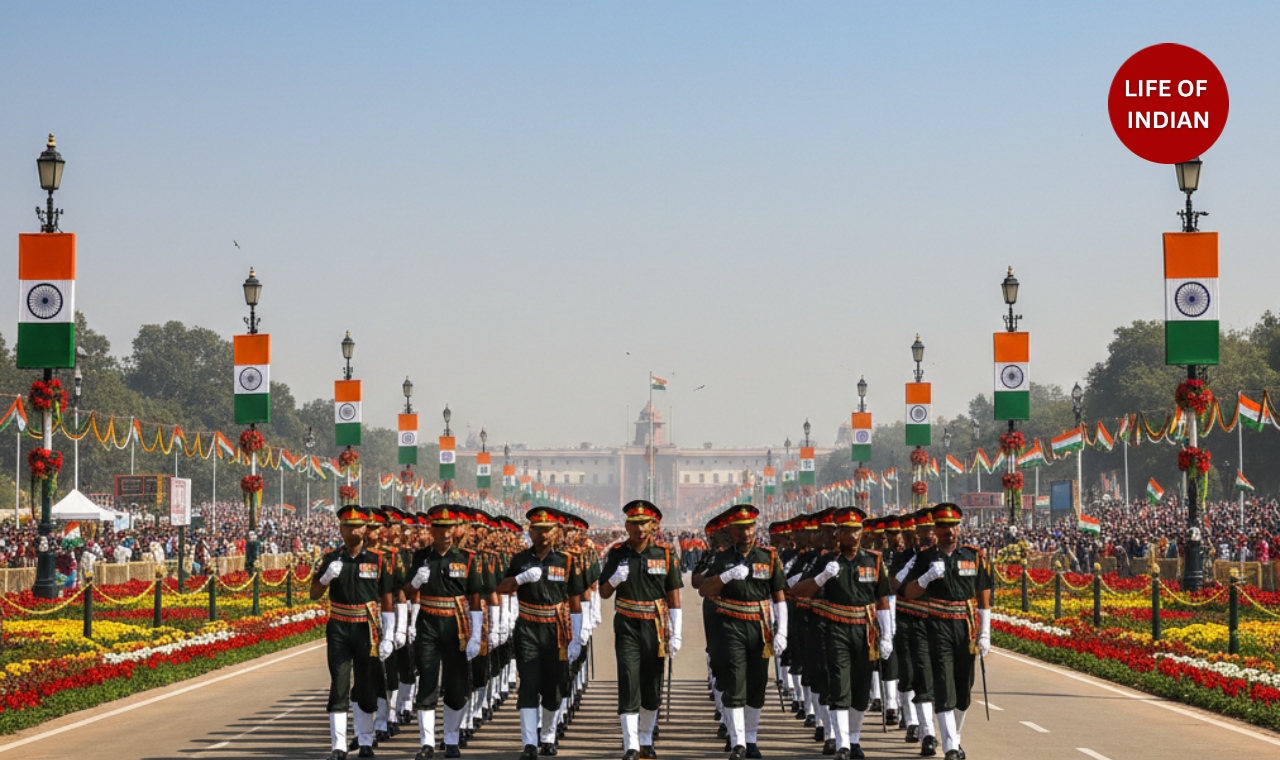
The centrepiece of Republic Day is the Republic Day Parade held at Kartavya Path (formerly Rajpath) in New Delhi, near Rashtrapati Bhavan, the official residence of the President of India. It is one of the largest and most spectacular parades in the world.
-
The President of India hoists the national flag and takes the salute.
-
The National Anthem is sung with pride.
-
Military units march in perfect formation, symbolizing discipline and strength.
-
The Army, Navy, and Air Force showcase their might with ceremonial drills, military vehicles, and aerial displays.
-
Tableaux (floats) from different states and ministries depict India’s cultural heritage, diversity, achievements, and aspirations.
In recent celebrations, elaborate themes such as “150 Years of Vande Mataram” have added deeper cultural and historical meaning to the event, highlighting India’s unity and progress.
2. State–Level Celebrations
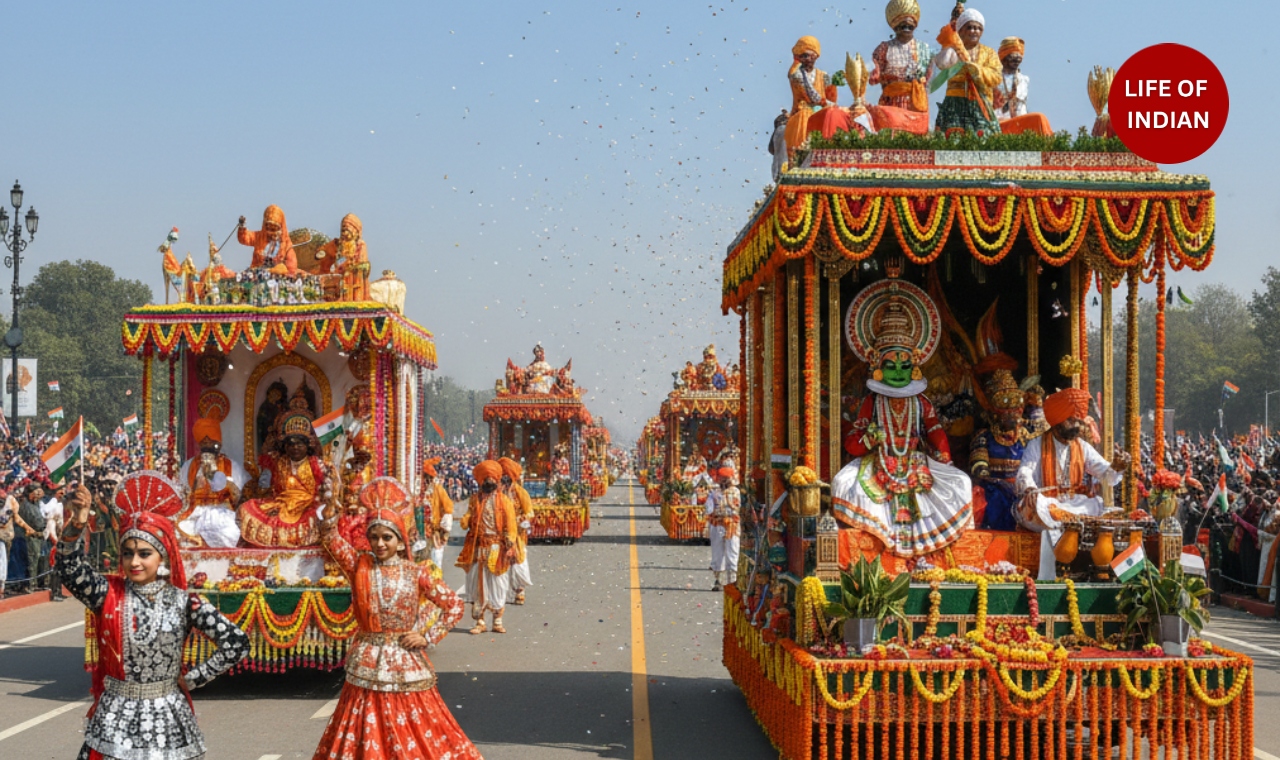
While New Delhi hosts the biggest parade, Republic Day is also celebrated with flag-hoisting ceremonies and cultural programs across all states and union territories. Schools, colleges, government offices, and public institutions conduct patriotic events, including marches, drills, and speeches.
For example, in Maharashtra, state-level patriotic drills involving millions of students and teachers take place after official flag-hoisting, reinforcing national unity and discipline.
3. Cultural Programs and Awards
Various cultural events, patriotic songs, and performances celebrating India’s heritage are organized throughout the country. Gallantry and civilian awards are also presented to honour bravery, service, and outstanding achievements.
Why Republic Day Matters Today
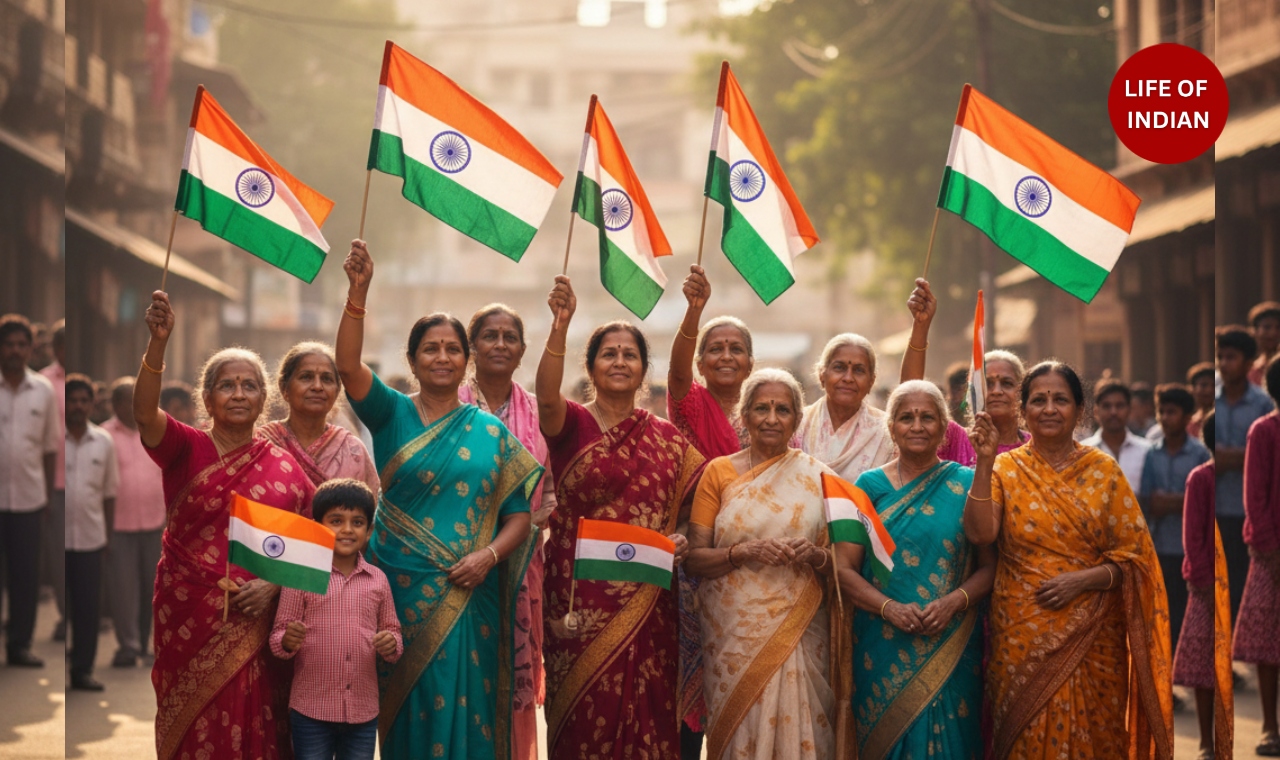
Republic Day is not just a historical commemoration — it is a reminder of the democratic ideals that shape modern India. It encourages citizens to reflect on their rights and responsibilities and to appreciate the unity and diversity that define the nation.
In recent years, Republic Day celebrations have also emphasized themes of national progress, international cooperation, and the strength of India’s democratic framework.
Interesting Republic Day Facts
-
The first official parade took place in 1950 at the Irwin Amphitheatre in Delhi.
-
The parade route has since been established as Kartavya Path, and it attracts thousands of spectators each year.
-
Each year, a chief guest from another country is invited to the celebrations, reflecting India’s diplomatic ties.
Republic Day on 26 January is a celebration of India’s democratic spirit, the legacy of its freedom struggle, and the enduring relevance of its Constitution. It honors the sacrifices made by freedom fighters and the vision of leaders who shaped the Indian republic. On this day, Indians from every corner of the country stand together to reaffirm their commitment to the values of liberty, justice, and unity.