


Nestled in the heart of Madhya Pradesh, Panna is one of India’s most fascinating districts. Popularly known as the “Diamond City of India,” Panna is a place where history, nature, spirituality, and precious gemstones come together. While many travelers know Panna because of its famous diamond mines, the district offers much more than sparkling stones. It is home to majestic forests, rare wildlife, ancient temples, waterfalls, rich traditions, and a unique cultural heritage.
Whether you are a history enthusiast, a wildlife lover, a spiritual traveler, or someone curious about India’s only active diamond-producing region, Panna has something special to offer.
This article explores everything about Panna—from its history and diamond legacy to tourism, local lifestyle, economy, festivals, food, and why it continues to be one of the most unique destinations in Central India.
Where is Panna Located?
Panna is a district in the northeastern part of Madhya Pradesh. It lies in the Bundelkhand region and is surrounded by districts like Chhatarpur, Satna, Damoh, and Katni.
The district headquarters is the town of Panna, which serves as the administrative, cultural, and commercial center of the region.
The Ken River, one of the cleanest rivers in Central India, flows through the district, creating beautiful landscapes, deep gorges, and breathtaking waterfalls.
Why is Panna Called the Diamond City?

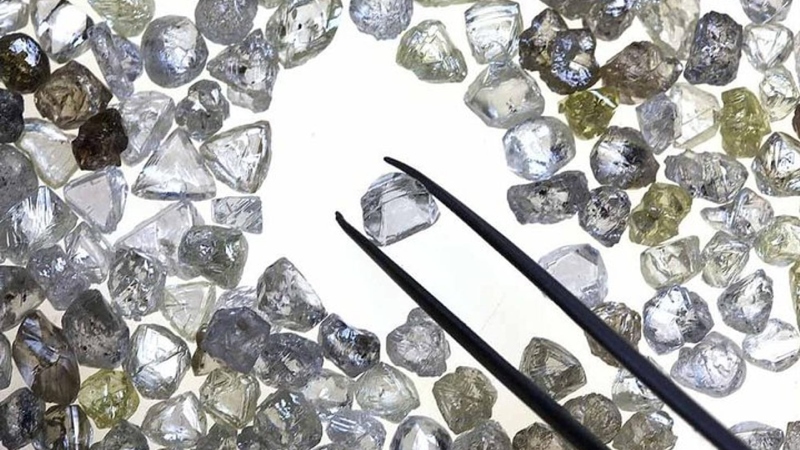
Panna is famously known as the Diamond City of India because it is the only region in the country where diamonds are mined on a commercial scale.
The district sits on one of the world’s oldest diamond-bearing geological formations. For centuries, diamonds discovered here have attracted kings, merchants, explorers, and jewel traders from across the world.
The diamonds found in Panna are natural and formed deep inside the Earth’s crust millions of years ago. Mining operations have continued since ancient times and are now managed under government regulations.
Many local families also participate in licensed small-scale diamond mining. Every year, lucky miners occasionally discover valuable diamonds worth lakhs or even crores of rupees, changing their lives overnight.
This unique connection with diamonds has made Panna internationally famous.
The History of Panna
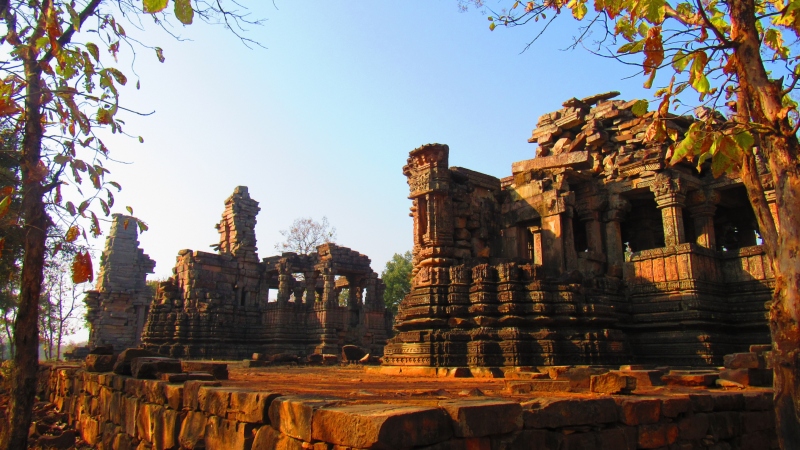
The history of Panna dates back several centuries and is closely connected with the Bundela Rajputs. During the 17th century, Maharaja Chhatrasal, one of the greatest Bundela rulers, established Panna as the capital of his kingdom. Under his leadership, the region flourished politically, culturally, and economically.
Panna later became one of the important princely states during British India. The city’s palaces, temples, and historical monuments still reflect the grandeur of the Bundela dynasty. The region also has strong connections with Indian mythology and ancient Hindu traditions, making it a significant spiritual destination.
Diamond Mining in Panna
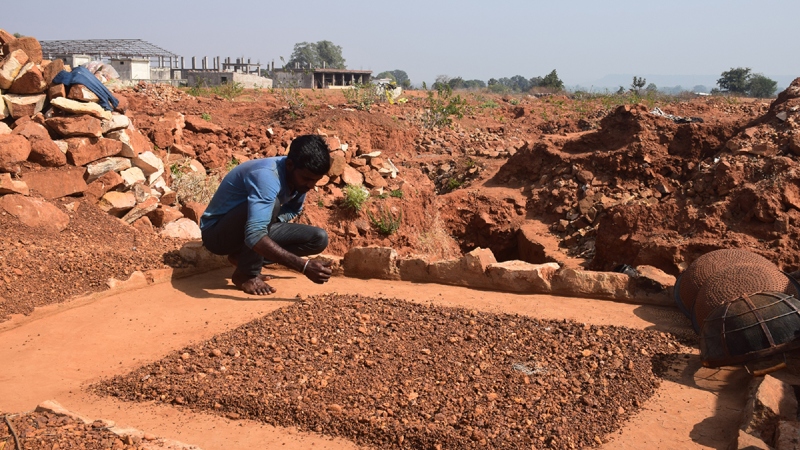
Diamond mining is the identity of Panna. The district contains rich diamond-bearing rocks known as kimberlite formations. Mining is carried out through both government-operated mines and licensed private mining areas.
The process generally involves:
- Surveying the land
- Digging diamond-bearing soil
- Washing the soil
- Separating minerals
- Carefully searching for rough diamonds
Whenever a licensed miner discovers a diamond, it is submitted to the authorities for valuation and auction. After government deductions and taxes, the remaining amount is paid to the miner. Many remarkable diamonds discovered in Panna have been sold for huge amounts, making national headlines.
Panna National Park – A Wildlife Paradise
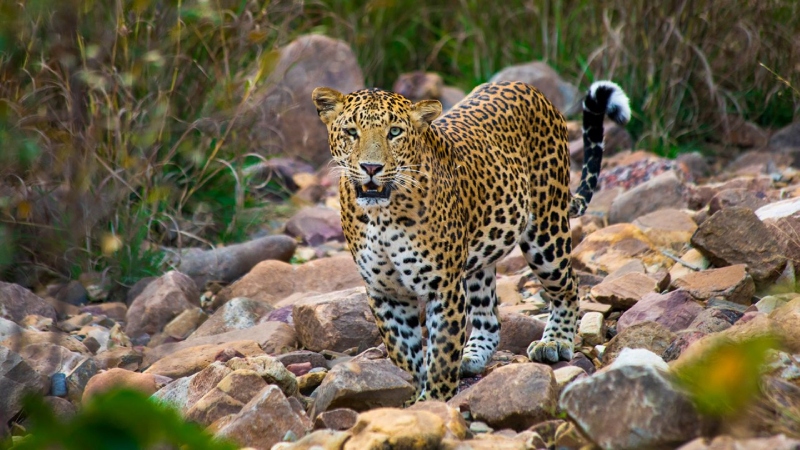
While diamonds made Panna famous, its wildlife has made it equally important for conservation. Panna National Park is among India’s most beautiful tiger reserves. Spread across hundreds of square kilometers, the park is home to:
- Royal Bengal Tigers
- Leopards
- Sloth Bears
- Indian Wolves
- Hyenas
- Chinkara
- Sambar Deer
- Nilgai
- Crocodiles
- Hundreds of bird species
The Ken River flows through the park, creating stunning landscapes and supporting rich biodiversity. Safari experiences in Panna attract wildlife photographers and tourists from India and abroad. The successful tiger reintroduction program in Panna is considered one of India’s greatest wildlife conservation success stories.
Raneh Falls – Nature’s Masterpiece
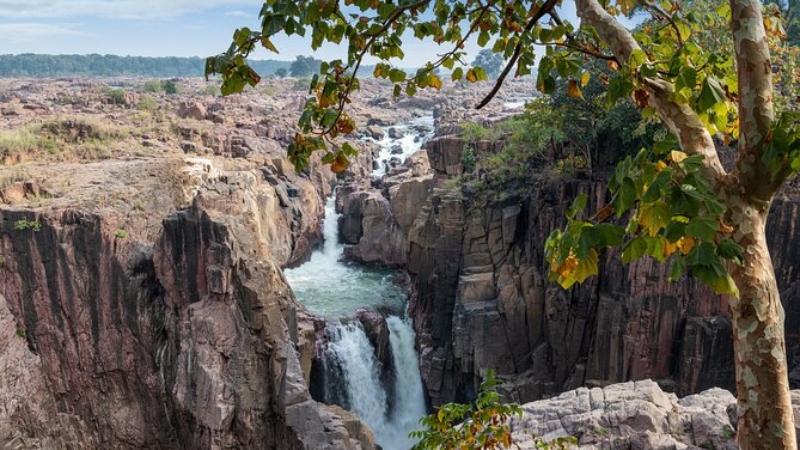
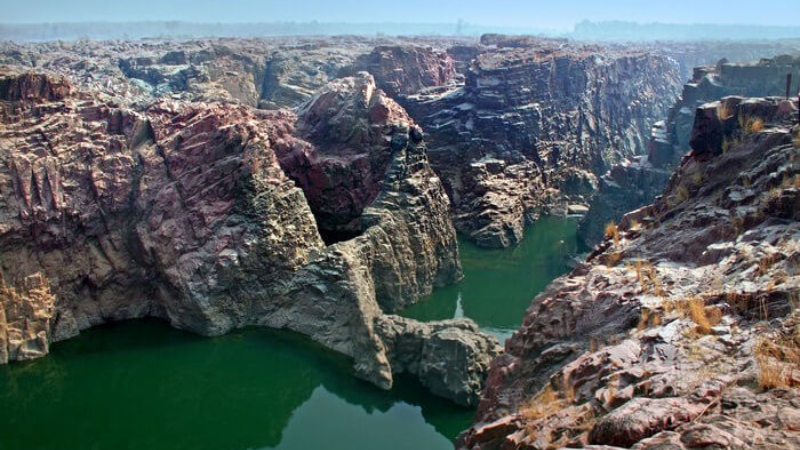
One of Panna’s biggest attractions is the spectacular Raneh Falls. Unlike ordinary waterfalls, Raneh Falls flows through colorful granite canyons formed millions of years ago.
Visitors can witness:
- Deep volcanic rock formations
- Pink granite cliffs
- Red, green, black, and grey rocks
- Beautiful waterfalls during the monsoon
The geological beauty of Raneh Falls makes it one of the most unique natural attractions in Madhya Pradesh.
Pandav Falls
According to local legends, the Pandavas from the Mahabharata spent part of their exile in this region. Pandav Falls is surrounded by lush forests and offers a peaceful environment for nature lovers. The waterfall drops from a significant height into a natural pool, making it one of the district’s most photographed tourist destinations.
Religious Importance of Panna
Panna is also an important pilgrimage destination. The city is famous for the Shri Prannath Ji Temple, one of the holiest temples for followers of the Pranami Sampradaya. Thousands of devotees visit every year to seek blessings and participate in religious festivals.
Besides this temple, the district has several ancient Hindu shrines dedicated to Lord Shiva, Lord Hanuman, and Goddess Durga. Religion remains an important part of everyday life in Panna.
Culture and Traditions
Panna represents the rich culture of Bundelkhand.
The people celebrate festivals with great enthusiasm, including:
- Diwali
- Holi
- Dussehra
- Makar Sankranti
- Janmashtami
- Navratri
Traditional Bundeli folk music and dance continue to be performed during weddings and festivals. Local artisans are also known for traditional handicrafts, wooden work, and stone carving. Hospitality is one of the defining characteristics of the people of Panna.
What Do People Do in Panna?
The economy of Panna is based on multiple occupations.
1. Agriculture
Most families depend on farming.
Major crops include:
- Wheat
- Gram
- Mustard
- Soybean
- Pulses
Agriculture remains the largest source of employment.
2. Diamond Mining
Many people work directly or indirectly in diamond mining. Some are licensed miners, while others work in transportation, trading, or related businesses.
3. Tourism
Hotels, guides, safari operators, restaurants, and local shops provide employment to thousands of residents.
4. Government Services
Many people work in schools, hospitals, administrative offices, and other government departments.
5. Small Businesses
Local markets are filled with shops selling jewelry, clothes, agricultural products, groceries, handicrafts, and daily necessities.
Food of Panna
The cuisine of Panna reflects the traditional flavors of Bundelkhand.
Popular dishes include:
- Dal Bafla
- Poha
- Kachori
- Samosa
- Bhutte Ka Kees
- Baigan Bharta
- Kadhi
- Jalebi
- Laddoo
- Traditional village sweets
Fresh homemade food prepared with local ingredients is commonly enjoyed across the district.
Climate
Panna experiences three major seasons.
Summer
Summers are hot, with temperatures reaching above 40°C.
Monsoon
Rainfall transforms forests, waterfalls, and rivers into breathtaking landscapes.
Winter
Winters are pleasant and considered the best season to visit.
Temperatures generally range between 8°C and 25°C.
Best Time to Visit
The ideal time to visit Panna is from October to March.
During this period:
- Weather remains comfortable.
- Wildlife safaris become enjoyable.
- Waterfalls retain their beauty after the monsoon.
- Festivals create a vibrant atmosphere.
How to Reach Panna
By Road
Panna is well connected to major cities in Madhya Pradesh and neighboring states through highways.
By Rail
The nearest major railway stations include Satna, Khajuraho, and Katni.
By Air
The nearest airport is Khajuraho Airport, located around 45–50 kilometers from Panna.
Economy of Panna
Apart from agriculture and mining, the district is gradually expanding in tourism and eco-tourism.
Government initiatives promoting wildlife tourism, forest conservation, and sustainable development have increased employment opportunities.
The district also contributes significantly to Madhya Pradesh’s tourism economy through national parks and heritage sites.
Interesting Facts About Panna
- Panna is India’s only active diamond-producing district.
- The region has been associated with diamonds for centuries.
- Panna National Park successfully restored its tiger population after local extinction.
- The Ken River is one of Central India’s cleanest rivers.
- Raneh Falls is famous for its colorful volcanic granite formations.
- Panna was once the capital of Maharaja Chhatrasal’s kingdom.
- The district combines wildlife, spirituality, history, and mineral wealth in one destination.
Why Should You Visit Panna?
Panna is not just about diamonds—it is a destination where nature, history, adventure, and spirituality coexist.
You can:
- Explore India’s famous diamond region.
- Experience thrilling tiger safaris.
- Visit magnificent waterfalls.
- Discover ancient temples.
- Learn about Bundelkhand culture.
- Enjoy peaceful natural surroundings.
- Witness one of India’s greatest wildlife conservation stories.
Whether you are planning a family vacation, a wildlife expedition, or a cultural journey, Panna offers unforgettable experiences that cannot be found anywhere else in India.
Panna is one of Madhya Pradesh’s hidden gems, known worldwide as the Diamond City of India. Its rich history, legendary diamond mines, magnificent national park, sacred temples, stunning waterfalls, and vibrant Bundeli culture make it a destination unlike any other.
From the sparkle of natural diamonds beneath the earth to the roar of tigers in its forests and the serenity of its temples, Panna showcases the incredible diversity of India. Every corner of this remarkable district tells a story of heritage, resilience, and natural beauty. For travelers seeking an authentic experience beyond popular tourist destinations, Panna is a place that deserves to be explored, appreciated, and remembered.
FAQ
1. Why is Panna called the Diamond City of India?
Panna is called the Diamond City of India because it is the country’s only active diamond-producing region, famous for its natural diamond mines.
2. What is Panna famous for?
Panna is famous for its diamond mines, Panna National Park, tiger reserve, Raneh Falls, Pandav Falls, Shri Prannath Ji Temple, and rich Bundelkhand heritage.
3. Where is Panna located?
Panna is a district in the northeastern part of Madhya Pradesh, India, in the Bundelkhand region.
4. What are the best tourist places in Panna?
Some of the top attractions include Panna National Park, Raneh Falls, Pandav Falls, Shri Prannath Ji Temple, the Ken River, and the diamond mining area.
5. What is the best time to visit Panna?
The best time to visit Panna is from October to March when the weather is pleasant and wildlife safaris are more enjoyable.
6. How can I reach Panna?
Panna is well connected by road. The nearest airport is Khajuraho Airport, while Satna and Khajuraho are the nearest major railway stations.
7. What do people do for a living in Panna?
The main occupations in Panna include agriculture, diamond mining, tourism, government services, and small businesses.