


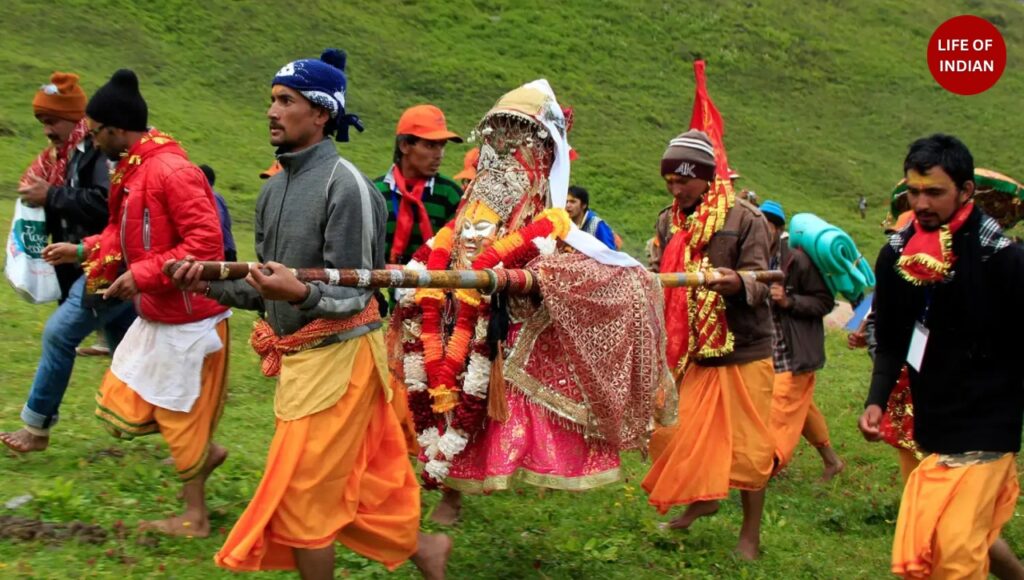
Nanda Devi Raj Jat Yatra: The Nanda Devi Raj Jat Yatra is one of India’s most sacred and arduous Himalayan pilgrimages. Held once every 12 years, this extraordinary spiritual journey unfolds across the rugged landscapes of Uttarakhand, combining deep-rooted mythology, living traditions, and breathtaking natural beauty. Revered as a royal farewell procession, the yatra honors Goddess Nanda Devi, the patron deity of the Garhwal and Kumaon regions.
Often called the “Himalayan Mahakumbh”, the Raj Jat is not merely a trek—it is a moving festival of faith that brings together villagers, priests, devotees, and pilgrims from across India.
Who Is Goddess Nanda Devi?
Goddess Nanda Devi is worshipped as a manifestation of Parvati, symbolizing strength, compassion, and motherly protection. In Uttarakhand’s folk belief, she is regarded as the daughter of the mountains and the guardian of the region. The Raj Jat Yatra is believed to be her ceremonial journey back to her heavenly abode in the high Himalayas.
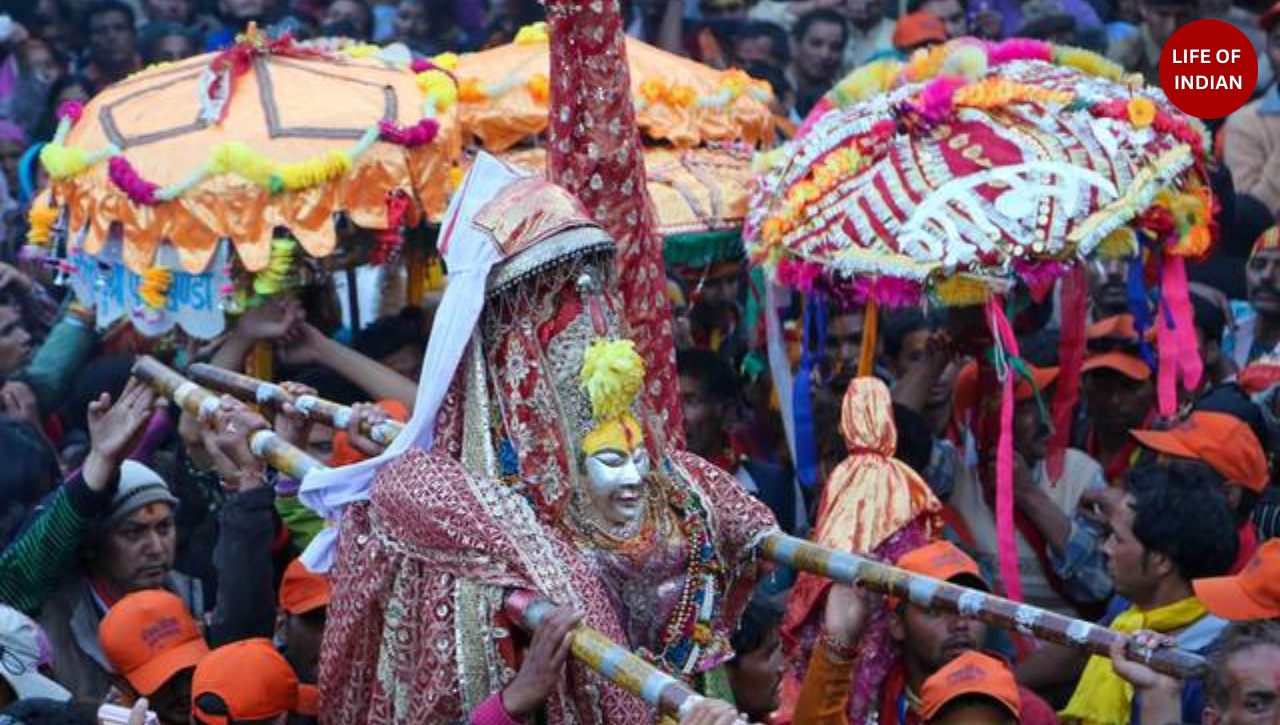

Historical Origins and Mythological Beliefs
The roots of the Nanda Devi Raj Jat Yatra trace back over 1,000 years. Local legends say the yatra began during the reign of the Garhwal kings, who patronized it as a royal pilgrimage—hence the word “Raj” (royal).
According to mythology:
-
Goddess Nanda Devi visits her maternal home in the mountains.
-
The Raj Jat marks her ritual farewell, as she returns to Mount Kailash.
-
The journey symbolizes a daughter being respectfully escorted back to her in-laws’ home—a deeply emotional theme in Himalayan culture.
Frequency and Timing of the Yatra
-
Held once every 12 years
-
Conducted between August and September
-
Dates are decided based on astrological calculations
-
Smaller annual yatras also take place, but the Raj Jat is the grand, full-scale pilgrimage
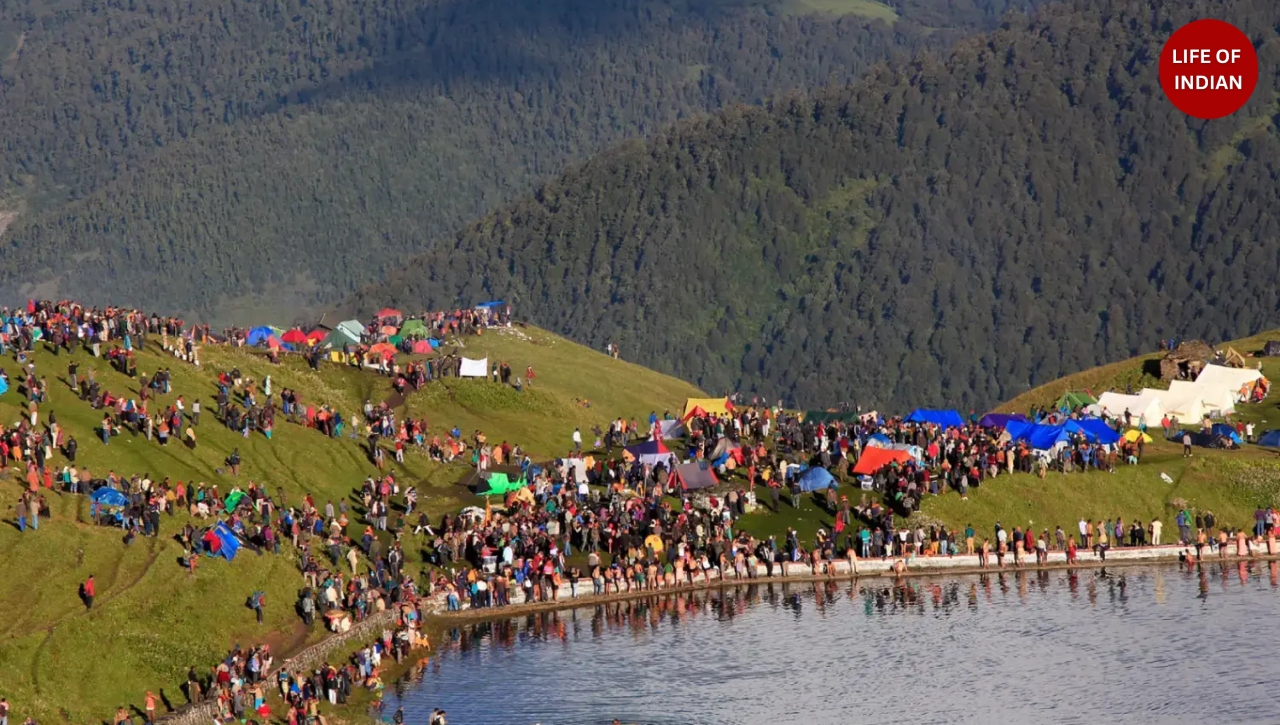
Starting Point and Route
The yatra traditionally begins from Nauti village in Chamoli district and spans nearly 280 kilometers on foot over about 19–22 days.
Major Stops on the Route
-
Nauti Village
-
Kulsari
-
Lohajung
-
Bedni Bugyal
-
Patharnachuni
-
Roopkund Lake
-
Homkund
The trail passes through dense forests, high-altitude meadows (bugyals), steep mountain passes, and glacial landscapes—testing both physical endurance and spiritual resolve.
Unique Rituals and Sacred Symbols
The Four-Horned Ram (Chausingya Khadu)
A specially chosen ram with four horns leads the yatra. It is believed to be divinely guided—its path determines the route and rituals of the journey.
Bamboo Umbrella (Chhatri)
A sacred bamboo parasol representing Goddess Nanda Devi accompanies the procession.
Folk Music and Dance
Traditional Jagar songs, drums, and hymns echo across valleys, transforming the trek into a living cultural festival.
Spiritual and Cultural Significance
-
Seen as a once-in-a-lifetime spiritual blessing
-
Believed to bring prosperity, protection, and divine grace
-
Strengthens community bonds among Himalayan villages
-
Preserves ancient folk traditions, songs, and rituals
For devotees, completing even a part of the Raj Jat is considered immensely auspicious.
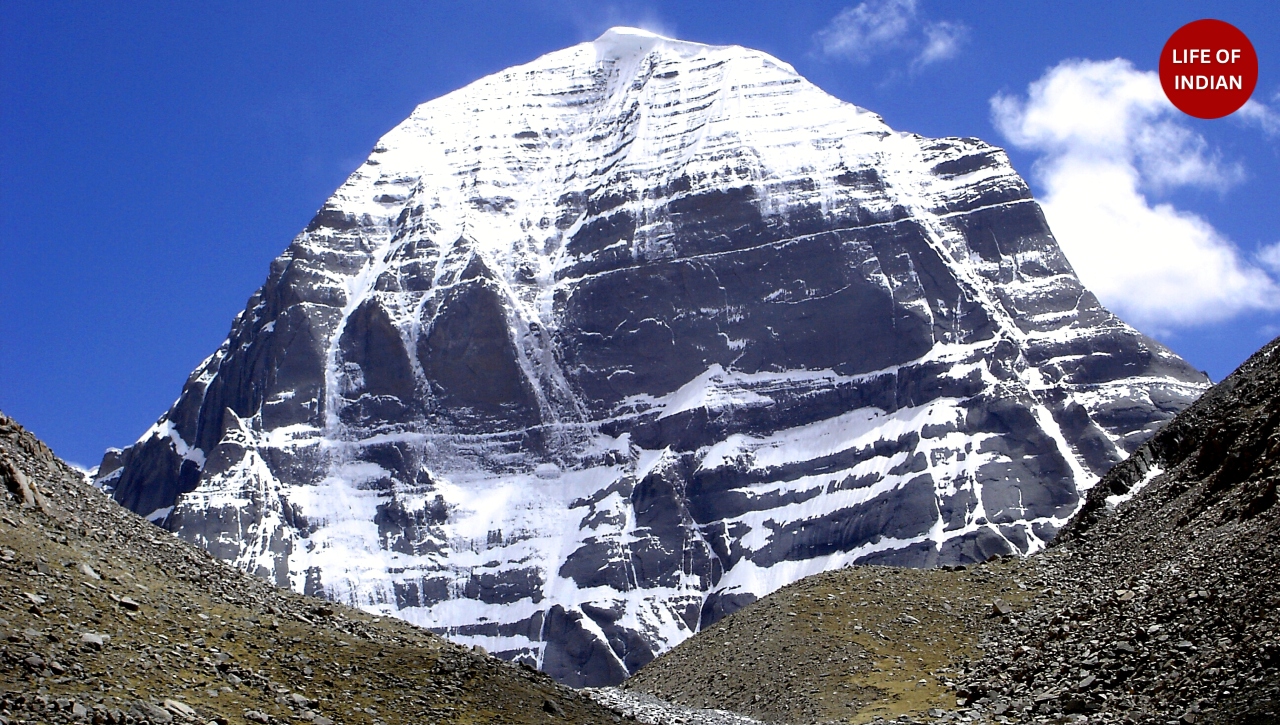
Physical Challenges and Preparation
The yatra is extremely demanding:
-
Altitudes exceed 5,000 meters
-
Unpredictable weather: rain, snow, and cold winds
-
Long walking hours and limited facilities
Preparation Tips:
-
Physical fitness and prior trekking experience recommended
-
Acclimatization is crucial
-
Warm clothing, rain gear, and medical supplies essential
-
Mental resilience and respect for local customs are vital
Environmental and Social Responsibility
In recent decades, authorities and local communities have emphasized eco-friendly practices:
-
Plastic bans along the route
-
Waste management initiatives
-
Controlled pilgrim numbers to protect fragile ecosystems
The yatra is a reminder of harmonious coexistence between faith and nature.
The Nanda Devi Raj Jat Yatra is not just a pilgrimage—it is a profound expression of Himalayan spirituality, cultural memory, and human endurance. From ancient legends to snow-covered peaks, from village rituals to silent alpine meadows, the journey reflects India’s timeless connection between devotion and nature.
Participating in or even witnessing the Raj Jat is to experience a rare tradition that survives not through monuments, but through faith passed down generations—step by step, across the mighty Himalayas.