


Monkey Bread Fruit, commonly known as Baobab fruit, is one of the oldest and most unique fruits found in the world. It comes from the giant baobab tree, often called the “Tree of Life” because almost every part of the tree is useful for food, medicine, and shelter. This fruit has been used for thousands of years in African countries and is now gaining global attention as a superfood due to its high nutritional value and medicinal properties.
In recent years, Monkey Bread Fruit has become popular in health and wellness industries, but at the same time, scientists and environmentalists are warning that ancient baobab trees are facing serious threats due to climate change and human activities.
Water Chestnut (Singhada) Benefits: Nutrition, Side Effects & Daily Intake Guide 2025
What is Monkey Bread Fruit?

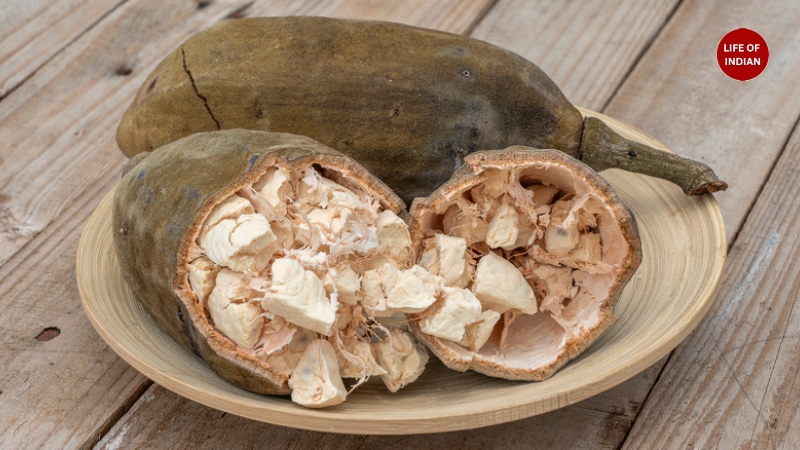
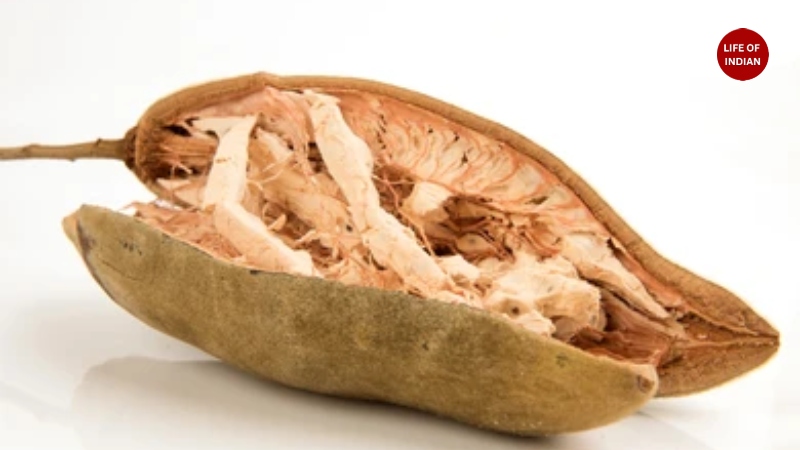
Monkey Bread Fruit is the fruit of the baobab tree (Adansonia digitata), a massive tree native to Africa, Madagascar, and some parts of Australia and the Arabian Peninsula. The fruit grows in large, oval-shaped pods with a hard outer shell and a dry, powdery pulp inside.
The fruit is often called:
- Monkey Bread
- Baobab Fruit
- Monkey Tamarind
- Cream of Tartar Fruit
- Tree of Life Fruit
The pulp inside the fruit has a slightly sweet and tangy taste and is rich in vitamins and minerals. It can be eaten raw or mixed with water to make drinks and food products.
History of Monkey Bread Fruit
Ancient African Origins
Monkey Bread Fruit has been used for thousands of years in African civilizations. Local communities relied on baobab trees for food, medicine, water storage, and shelter. Some baobab trees are believed to be over 1,000 years old, making them one of the oldest living trees on Earth.
The tree became a symbol of survival in harsh desert environments because it can store large amounts of water in its trunk and produce nutritious fruit even in dry conditions.
Cultural and Traditional Importance
In many African countries:
- Baobab fruit is used to make traditional drinks
- Leaves are cooked like vegetables
- Seeds are used to produce oil
- Bark is used for rope and medicine
The tree is considered sacred in some regions and is closely connected to local culture and traditions.
Global Recognition as a Superfood
In the 21st century, Monkey Bread Fruit gained international attention as a superfood due to its high nutritional value and antioxidant properties. European and American markets began importing baobab powder for health products, smoothies, and supplements.
Today, it is widely used in:
- Health drinks
- Energy bars
- Supplements
- Organic foods
Nutritional Value of Monkey Bread Fruit
Monkey Bread Fruit is considered a superfruit because it contains high levels of nutrients.
Key nutrients include:
- High Vitamin C (more than oranges)
- Calcium (more than spinach)
- Fiber
- Potassium
- Antioxidants
- Iron
- Magnesium
It helps improve immunity, digestion, and overall health.
Health Benefits of Monkey Bread Fruit
1. Boosts Immunity
Monkey Bread Fruit is rich in vitamin C and antioxidants, which help strengthen the immune system and protect the body from infections.
2. Improves Digestion
The fruit contains high fiber, which helps improve gut health and prevent constipation.
3. Supports Heart Health
Its potassium and antioxidants help regulate blood pressure and reduce heart disease risk.
4. Controls Blood Sugar
Studies suggest baobab fruit may help regulate insulin and maintain blood sugar levels.
5. Promotes Healthy Skin
Antioxidants help reduce aging and improve skin health.
6. Provides Natural Energy
The fruit contains essential nutrients that boost energy and reduce fatigue.
These benefits have made Monkey Bread Fruit popular in the global health and nutrition industry.
How to Consume Monkey Bread Fruit
Monkey Bread Fruit can be consumed in several ways.
1. Eat Raw
The dry pulp inside the fruit can be eaten directly after breaking the shell.
2. Baobab Drink
Mix the pulp with water to create a refreshing natural drink.
3. Powder Form
Baobab powder is commonly added to:
- Smoothies
- Juice
- Milk
- Yogurt
- Oatmeal
4. Cooking
It can be used in:
- Sauces
- Soups
- Desserts
- Energy bars
5. Tea and Health Supplements
Many companies use baobab powder in herbal teas and nutritional supplements.
In African countries, it is widely used in traditional food and beverages.
Why Monkey Bread Fruit is Becoming Extinct
Scientists and environmental experts have raised concerns about the survival of baobab trees.
1. Climate Change
Rising temperatures and irregular rainfall are affecting baobab tree growth and survival. Many ancient trees have died in recent decades due to climate stress.
Research shows that several of the oldest baobab trees died between 2005 and 2017, possibly due to climate change.
2. Deforestation
Cutting trees for agriculture and urban development is reducing baobab tree populations.
- Forests are shrinking
- Natural habitats are being destroyed
- Young trees are not growing fast enough
This is a major threat to the species.
3. Overharvesting
The growing demand for baobab powder in international markets is increasing harvesting pressure.
- Excess fruit collection
- Commercial exploitation
- Lack of sustainable farming
This can damage the natural regeneration cycle of the tree.
4. Slow Growth of Baobab Trees
Baobab trees grow very slowly and take many years to mature.
- Some trees take decades to produce fruit
- Ancient trees cannot be replaced quickly
- Regeneration is slow
This makes conservation difficult.
Conservation Efforts
Environmental organizations and researchers are working to protect baobab trees.
Efforts include:
- Sustainable harvesting practices
- Tree plantation programs
- Local community involvement
- Climate awareness programs
- Ethical sourcing of baobab products
These steps aim to protect Monkey Bread Fruit and ensure its availability for future generations.
Monkey Bread Fruit, or Baobab Fruit, is one of the world’s oldest and most nutritious natural foods. With a rich history, powerful health benefits, and deep cultural significance, it has become an important superfood in modern times. However, climate change, deforestation, and overharvesting are putting this ancient tree at risk.
Protecting baobab trees and promoting sustainable consumption is essential to preserve this valuable natural resource. Monkey Bread Fruit is not just a superfood—it is a symbol of nature’s resilience and a reminder of the importance of environmental conservation.
Have you ever tried Monkey Bread Fruit (Baobab)? Let us know your experience in the comments and share your thoughts with Life of Indian readers.
FAQ
1. What is Monkey Bread Fruit?
Monkey Bread Fruit is the fruit of the baobab tree, known for its high nutritional value, tangy taste, and health benefits. It is commonly found in Africa and is considered a superfruit.
2. Is Monkey Bread Fruit safe to eat?
Yes, Monkey Bread Fruit is safe to eat and is widely consumed in many African countries in raw, powder, and drink forms.
3. What are the health benefits of Monkey Bread Fruit?
It boosts immunity, improves digestion, supports heart health, controls blood sugar, and provides essential vitamins and antioxidants.
4. Why is Monkey Bread Fruit becoming rare?
Climate change, deforestation, overharvesting, and slow growth of baobab trees are major reasons behind the declining population of this fruit.
5. How can Monkey Bread Fruit be consumed?
It can be eaten raw, mixed with water to make drinks, added to smoothies, yogurt, oatmeal, or used in cooking and health supplements.