Kashi: Kashi, also known as Varanasi, is one of the oldest living cities in the world and is revered as a sacred religious center. Often called the city of temples, its ghats and narrow lanes are dotted with ancient shrines where devotees perform daily rituals and offer prayers. In recent days, however, social media has been flooded with videos claiming that an ancient temple at the ghats of Kashi was demolished using a bulldozer in the name of development.
The video, widely shared with the hashtag #SaveBanaras, triggered anger and concern among devotees and heritage lovers. Many users alleged that authorities were destroying centuries-old religious structures under redevelopment projects. But what is the truth behind this viral claim? A closer look reveals a more complex reality.
What Does the Viral Video Show?
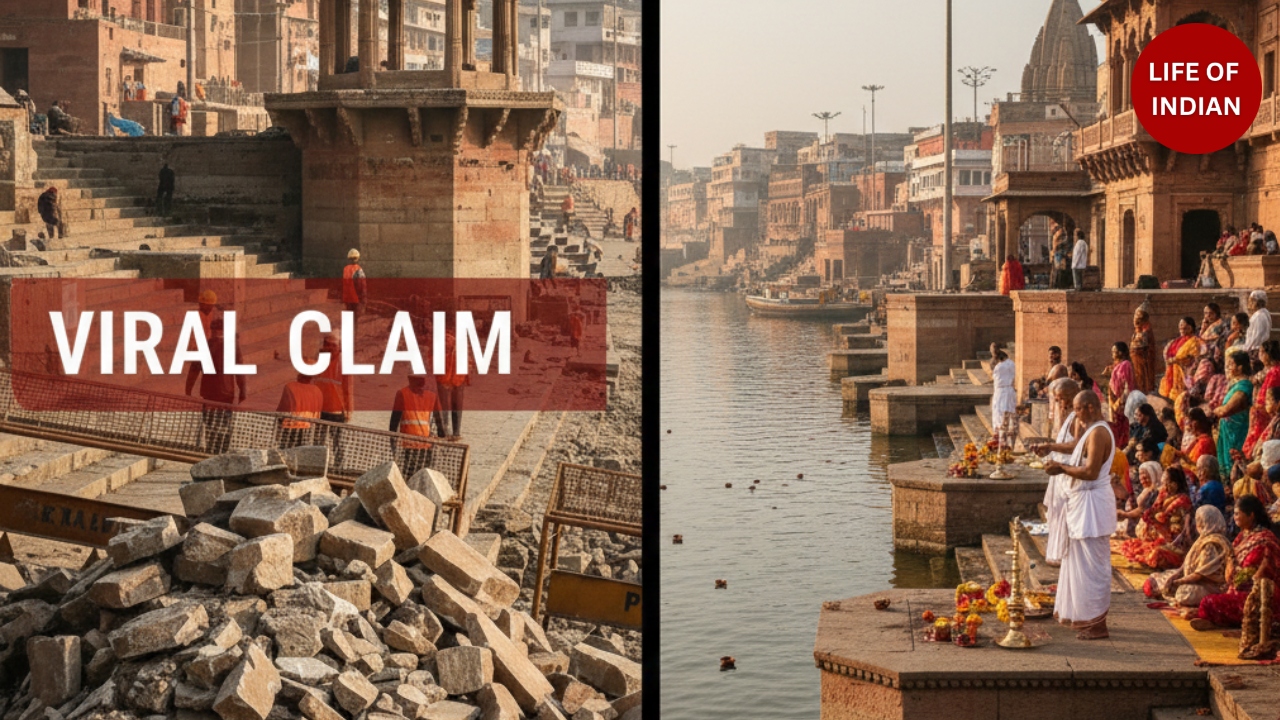
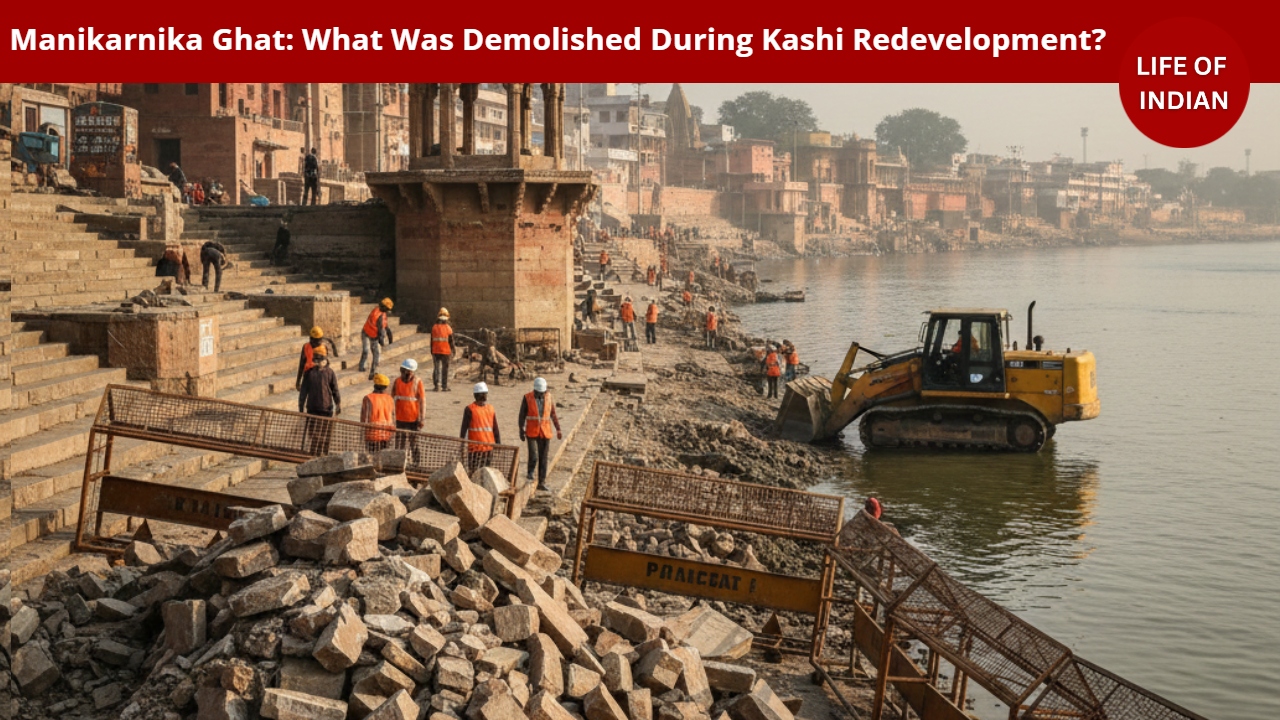
The viral video is from Manikarnika Ghat, one of the holiest cremation grounds in Varanasi. At present, redevelopment and reconstruction work is underway at the ghat as part of a large-scale rejuvenation project.
During this work, a bulldozer removed an old “mani” or chabutra (raised platform) located near the banks of the Ganga. This structure was mistakenly portrayed on social media as a temple. In reality, it was not a full-fledged temple building but a historic platform with deep religious and cultural significance for locals.
Damage to Idols Sparks Outrage
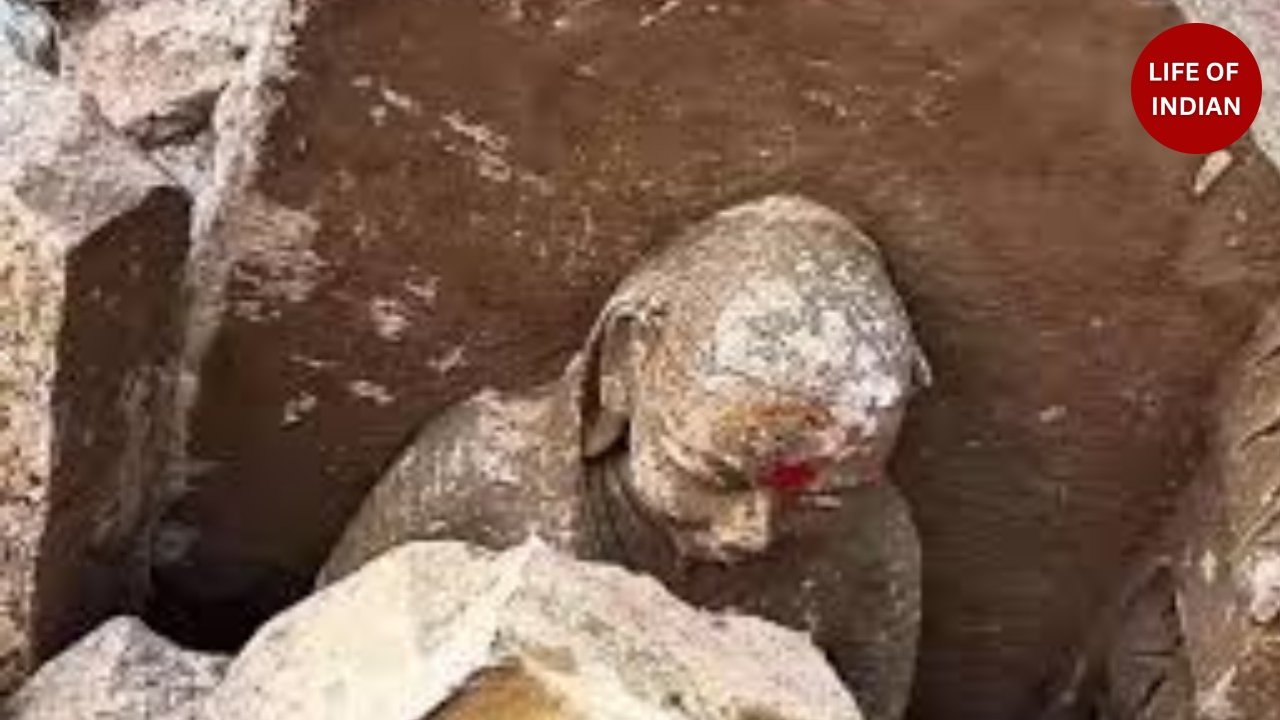
Beneath this mani, idols of Ahilyabai Holkar and her attendant were installed. During the demolition process, these idols were damaged, leading to widespread anger among local residents and devotees.
When news teams visited the site, most of the debris had already been cleared. However, remnants of stones were still visible. Locals expressed strong resentment over the manner in which the structure was removed.
Locals Speak: “This Was a Sacred Place”
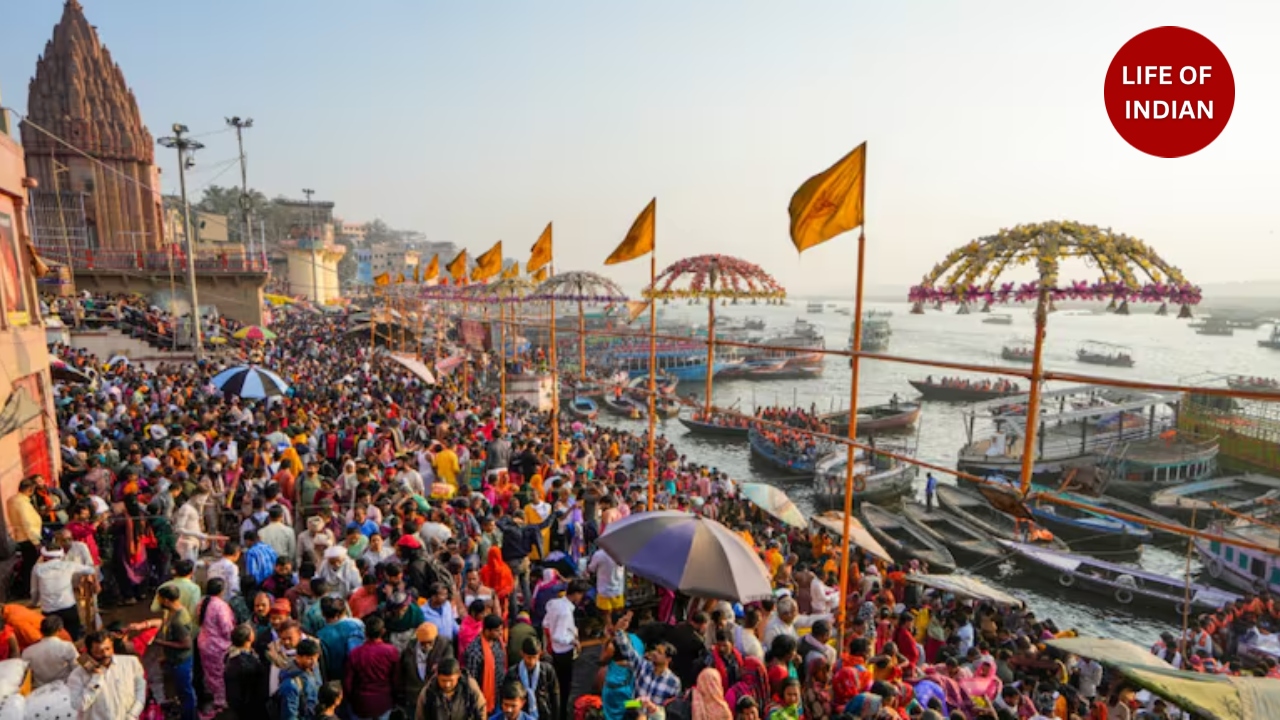
Local resident Rahul Mishra stated that the mani belonged to his grandfather, Chhannan Guru. According to him, devotees would regularly offer water there after bathing in the Ganga and pay respects to Ahilyabai Holkar. He claimed the structure was several hundred years old and was demolished in haste without proper consultation.
Another local, Alok, echoed similar sentiments, saying that he too worshipped at the site after ritual bathing. According to residents, a total of three idols were installed beneath the mani, all of which were damaged during the demolition.
Why Ahilyabai Holkar Matters to Kashi
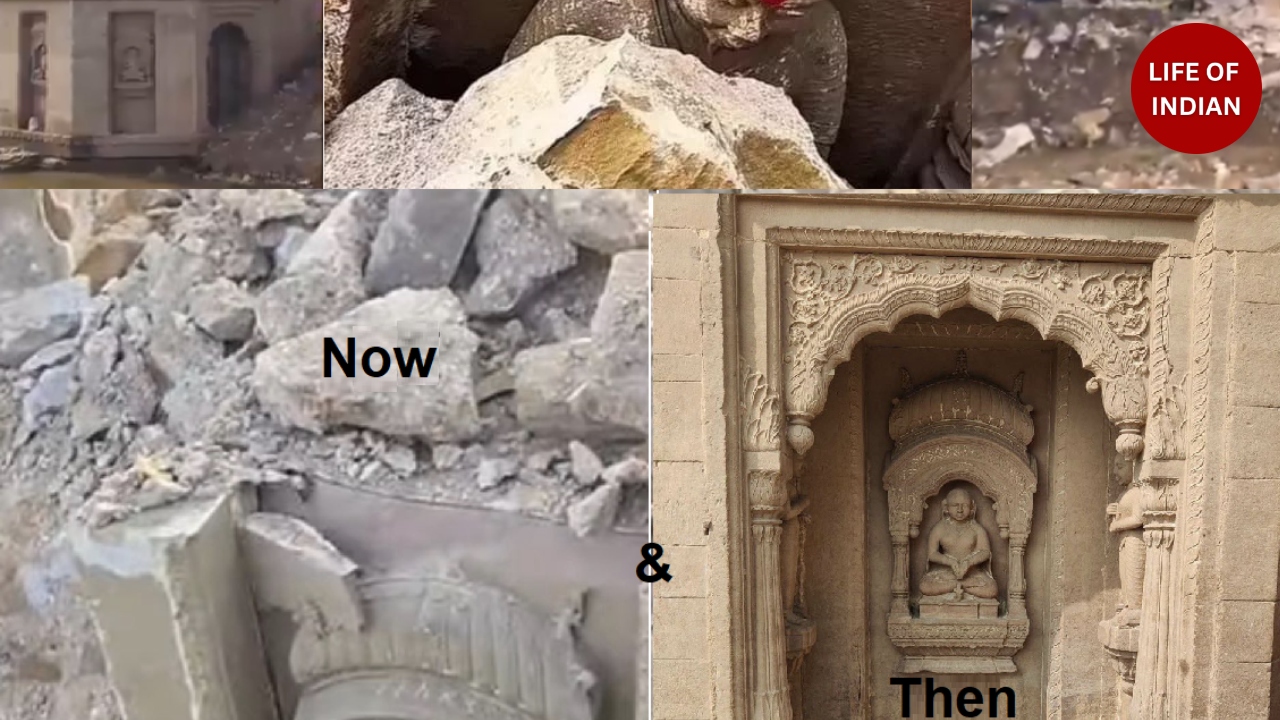
The damage to Ahilyabai Holkar’s idol has added emotional weight to the controversy. Ahilyabai Holkar is remembered as one of India’s most revered rulers, known for her devotion and contribution to temple restoration across the country. She played a crucial role in the reconstruction of the Kashi Vishwanath Temple and commissioned several temples nationwide.
For many devotees, the demolition of a structure associated with her legacy in Kashi is seen as deeply disrespectful, even if unintentional.
What Are the Demands of Local People?
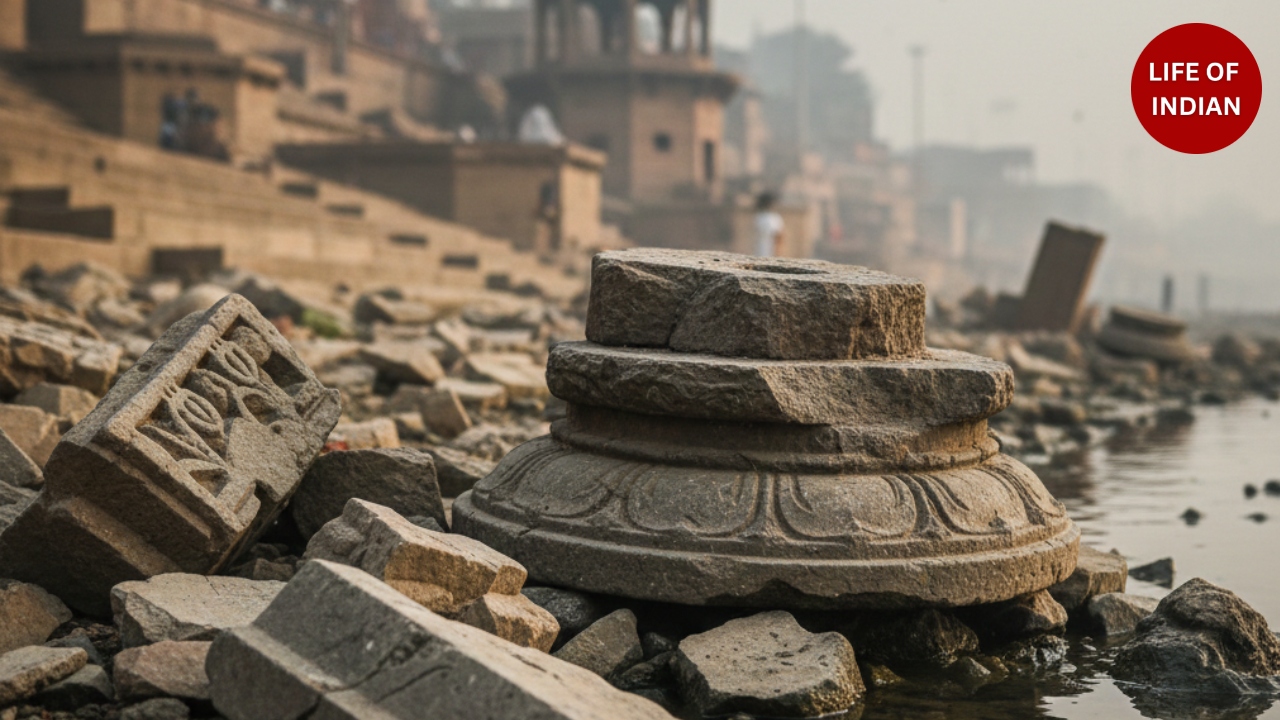
Local residents and community members have put forward clear demands:
-
The mani (chabutra) should be rebuilt during the redevelopment of Manikarnika Ghat.
-
Ownership and religious rights of the site should be restored to the concerned family.
-
The idols, including that of Ahilyabai Holkar, should be respectfully reinstalled at the same location.
Protesters have also warned of a larger, statewide movement if these demands are not fulfilled.
Administration Responds: “A Mistake Happened”
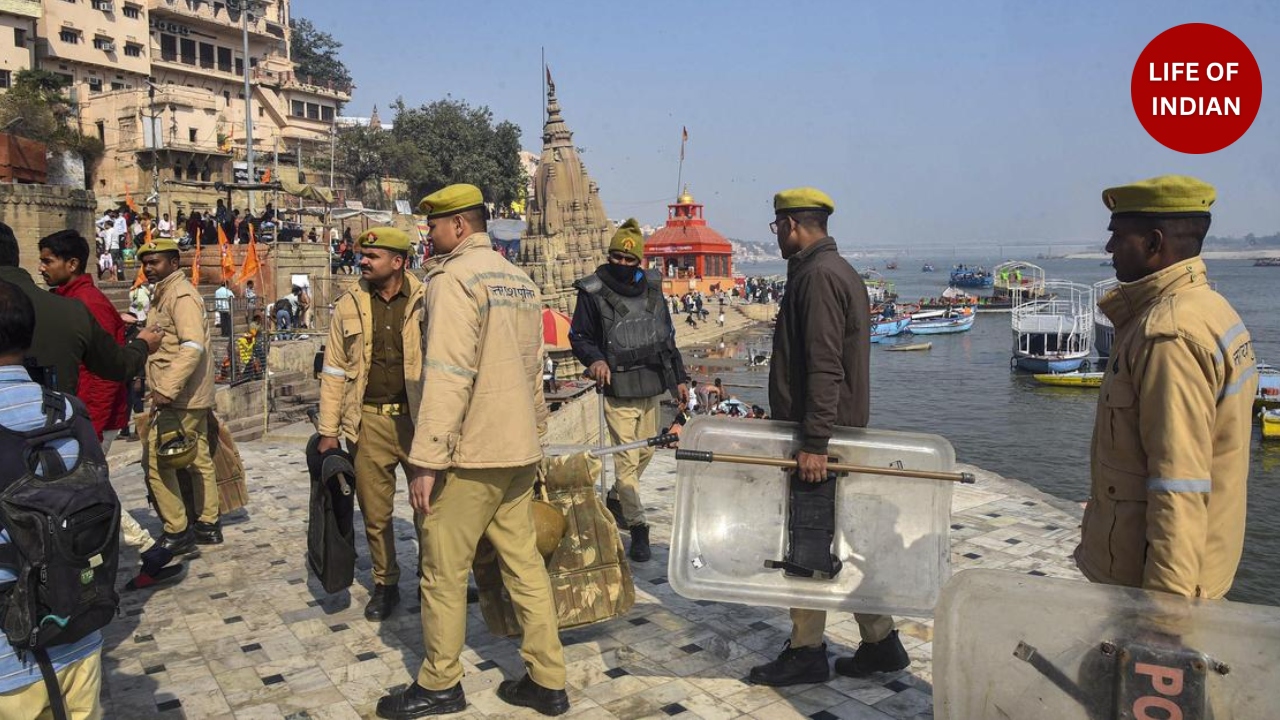
Following public outrage, the administration appears to be on the defensive. Officials have acknowledged that the damage occurred due to an error by workers employed by the executing agency.
District Magistrate Satyendra Kumar stated that the damaged idols would be preserved and that once the redevelopment work at the ghat is completed, the idols will be reinstalled with full respect. He emphasized that there was no intention to hurt religious sentiments.
Political Reactions and Ongoing Debate

The issue has also taken on political overtones. Various organizations and groups have written letters to the Prime Minister and the Chief Minister, demanding accountability and safeguards for Kashi’s heritage.
The incident has reignited a broader debate: Can development and heritage conservation go hand in hand? While redevelopment aims to improve infrastructure and facilities for pilgrims, critics argue that such projects must be executed with greater sensitivity toward historical and religious sites.
The viral claim of a “temple demolition” at Manikarnika Ghat is misleading, but the incident itself is real and serious. What was demolished was not a traditional temple, but a historic and sacred platform linked to local faith and the legacy of Ahilyabai Holkar. The damage to idols has understandably hurt religious sentiments.
As Kashi undergoes rapid transformation, this episode serves as a reminder that development in sacred cities must balance modern needs with deep-rooted traditions, history, and faith.
About the Author