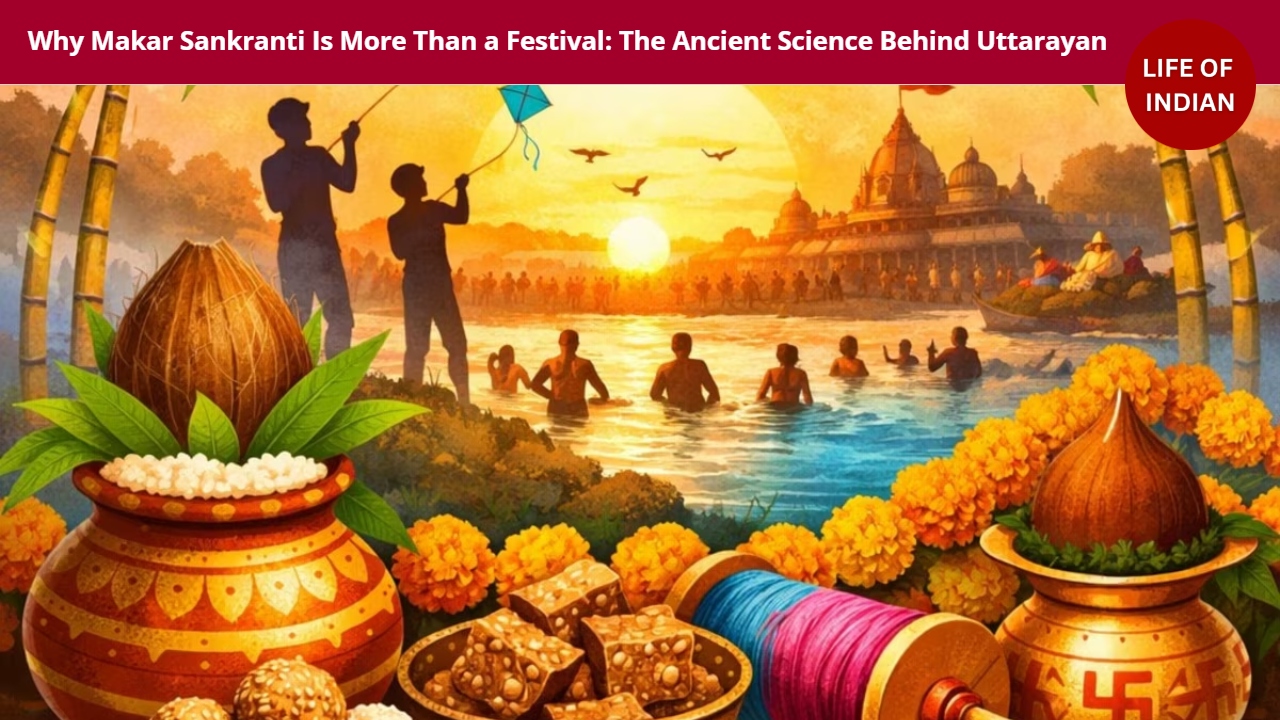
Makar Sankranti: Makar Sankranti is one of the most significant festivals in India, celebrated every year in mid-January. Unlike most Indian festivals that follow the lunar calendar, Makar Sankranti is based on the solar calendar, which makes its date almost fixed—usually January 14 or 15.
This festival marks a powerful transition in nature, spirituality, and human life. It symbolizes new beginnings, positivity, prosperity, and gratitude toward nature.
What Is Makar Sankranti?
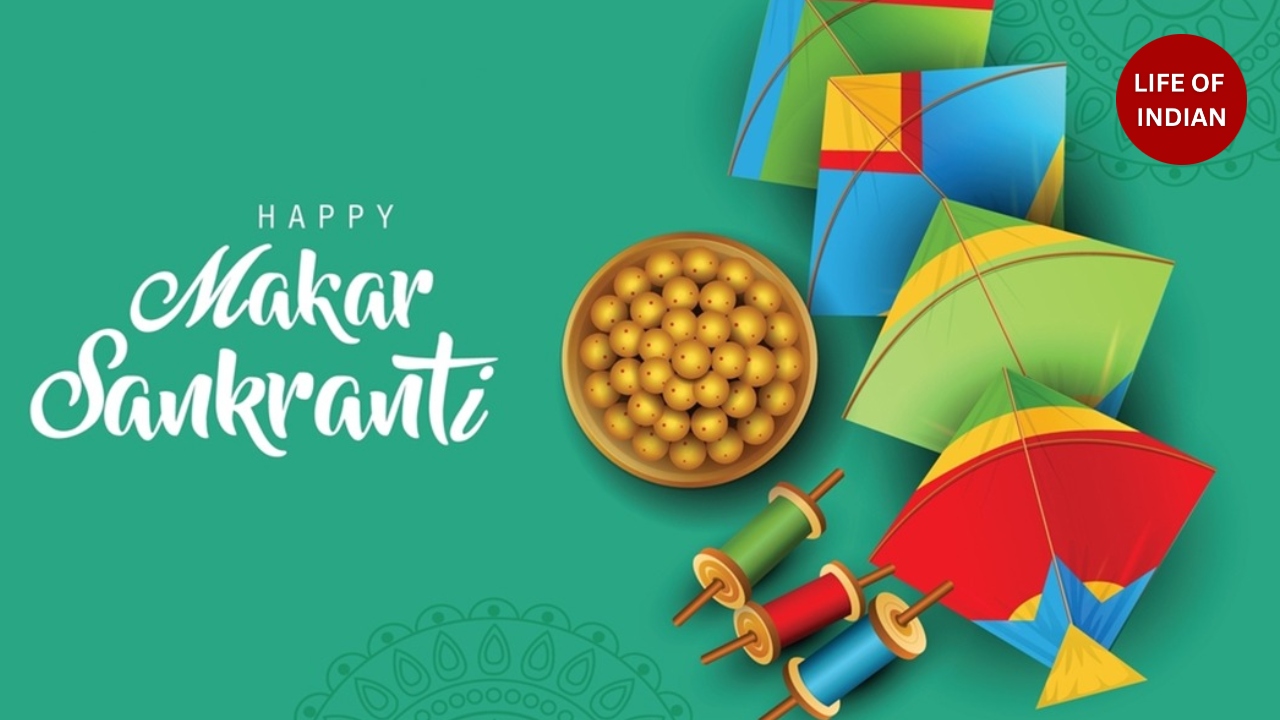
Makar Sankranti is celebrated when the Sun enters the zodiac sign Makara (Capricorn) and begins its northward journey, known as Uttarayan. This astronomical movement is considered extremely auspicious in Hindu tradition.
From this day onward:
-
Days become longer
-
Nights become shorter
-
Cold winter slowly gives way to warmth
This change represents hope, growth, and the triumph of light over darkness.
Why Is Makar Sankranti Celebrated?
Astronomical and Scientific Reason
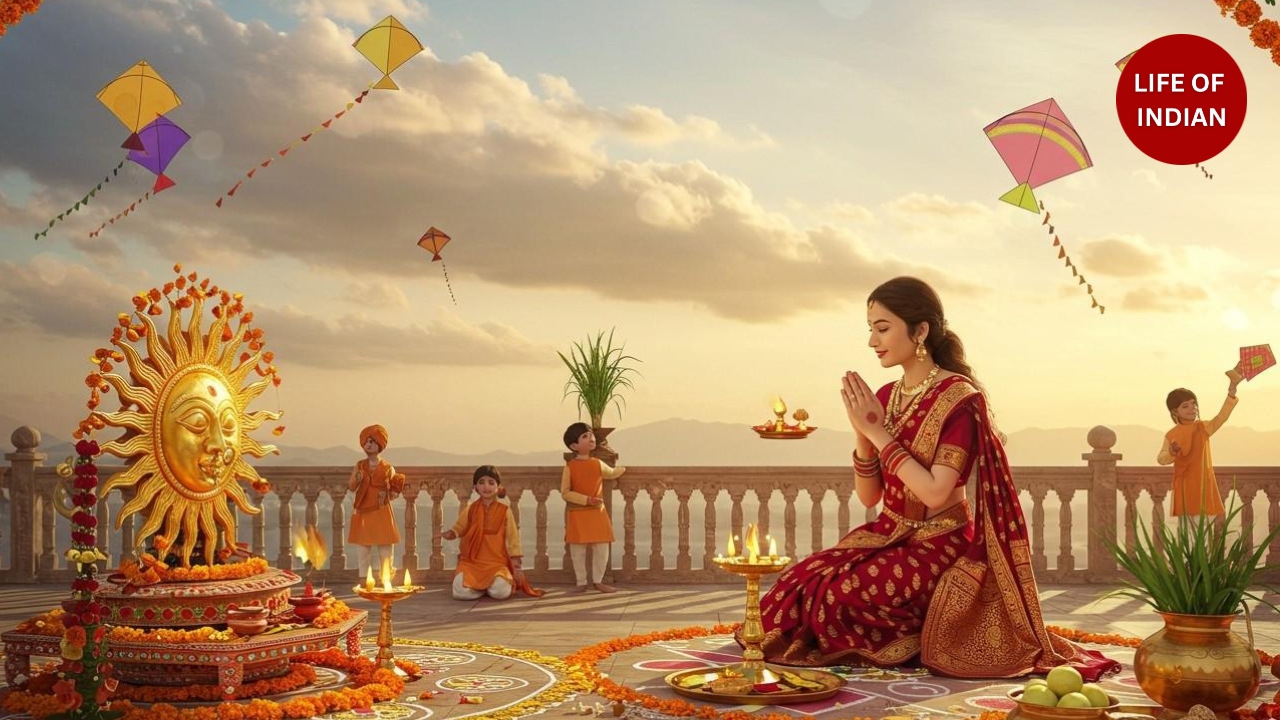
Makar Sankranti marks the transition of the Sun into Capricorn, signaling the start of Uttarayan, a six-month period considered favorable for spiritual growth, health, and prosperity.
Ancient Indian sages deeply understood the impact of the Sun on human life and agriculture. This festival celebrates the Sun as the source of energy, life, and nourishment.
Agricultural Importance
India is an agrarian country, and Makar Sankranti is closely linked to harvest season.
-
Farmers reap the rewards of their hard work
-
Crops like wheat, rice, sugarcane, and sesame are harvested
-
People express gratitude to nature, land, and the Sun
The festival is a thanksgiving celebration, honoring both farmers and nature.
Spiritual Significance of Makar Sankranti
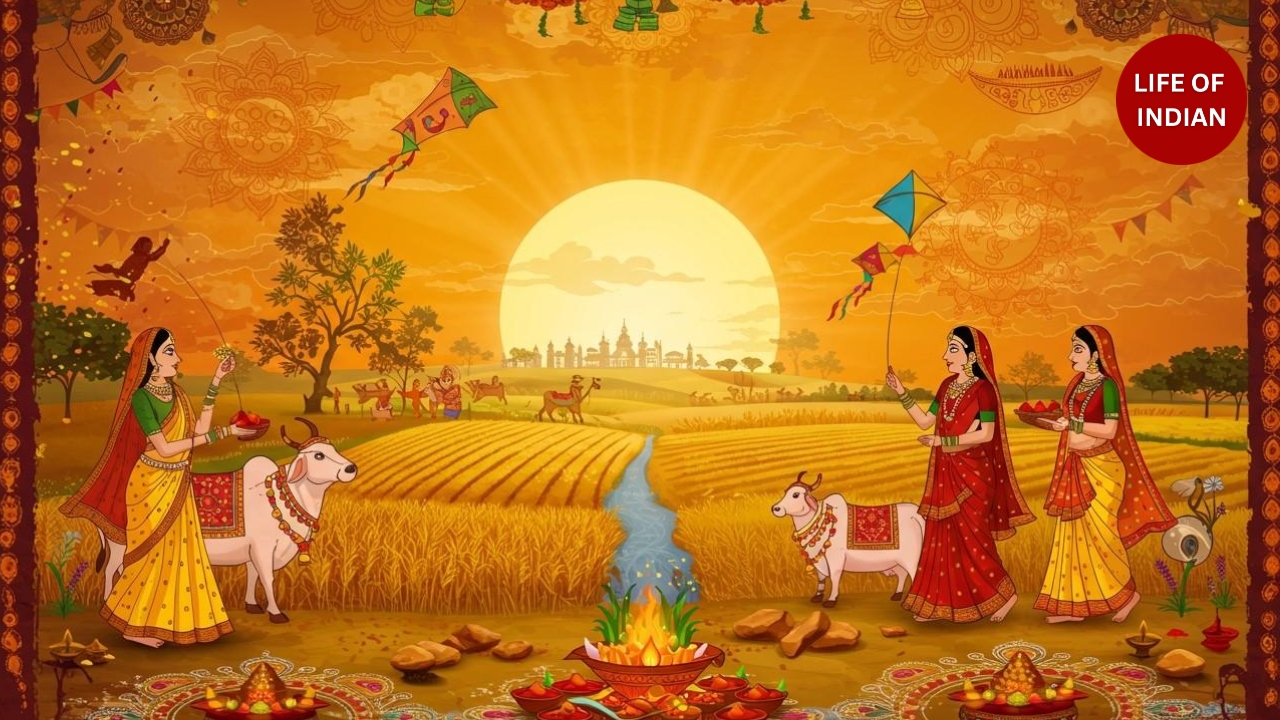
In Hindu belief, the period of Uttarayan is considered highly auspicious for spiritual activities.
It is believed that:
-
Good deeds performed during this time bring multiplied results
-
Charity and donations wash away past sins
-
Departing the world during Uttarayan leads to liberation
Because of this belief, holy baths, prayers, fasting, and charity are integral parts of the festival.
Why Is Charity Important on Makar Sankranti?
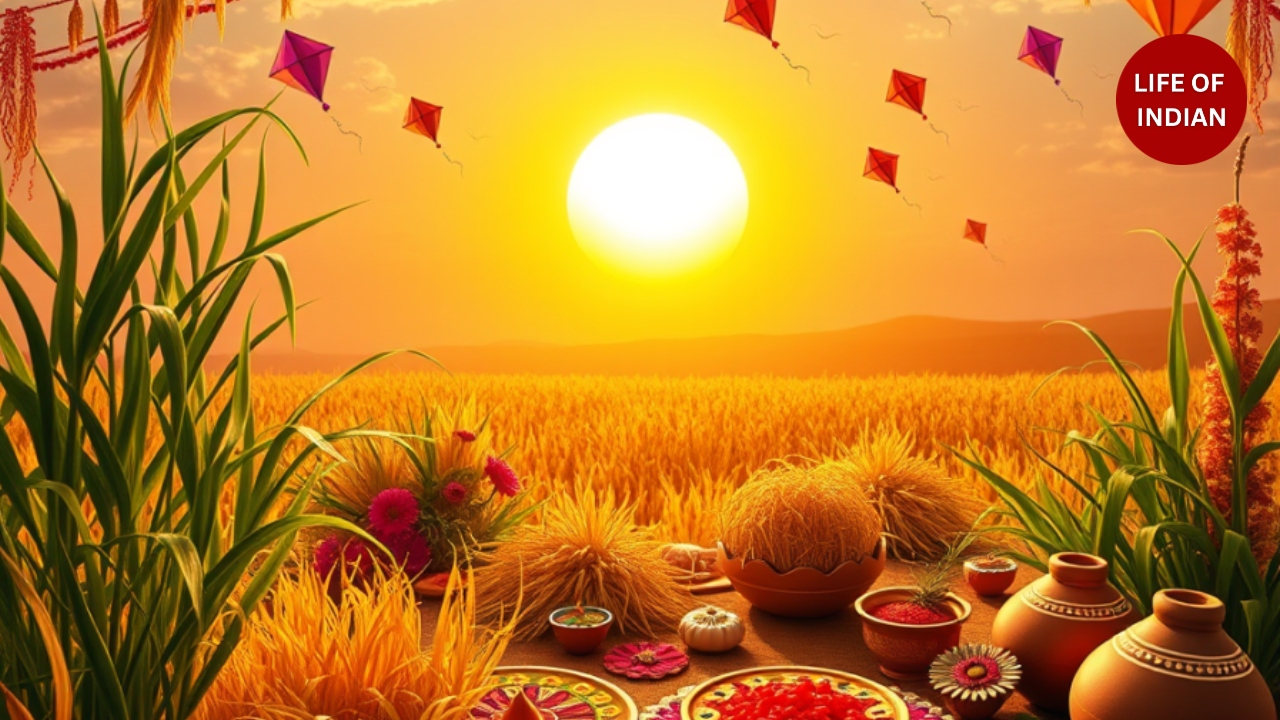
Charity (daan) is one of the core values of Makar Sankranti.
People donate:
-
Food grains
-
Warm clothes
-
Sesame seeds (til)
-
Jaggery (gud)
-
Money to the needy
The famous saying “Til-gud ghya, god god bola” teaches sweetness in speech, kindness in behavior, and harmony in relationships.
Cultural Traditions Across India
Makar Sankranti is celebrated under different names in various regions, reflecting India’s cultural diversity:
-
Pongal – Tamil Nadu
-
Uttarayan – Gujarat
-
Magh Bihu – Assam
-
Khichdi Parv – Uttar Pradesh and Bihar
-
Lohri (around the same period) – Punjab and Haryana
Despite different names, the core message remains the same: celebration of life, harvest, and positivity.
Why Kite Flying Is Associated with Makar Sankranti
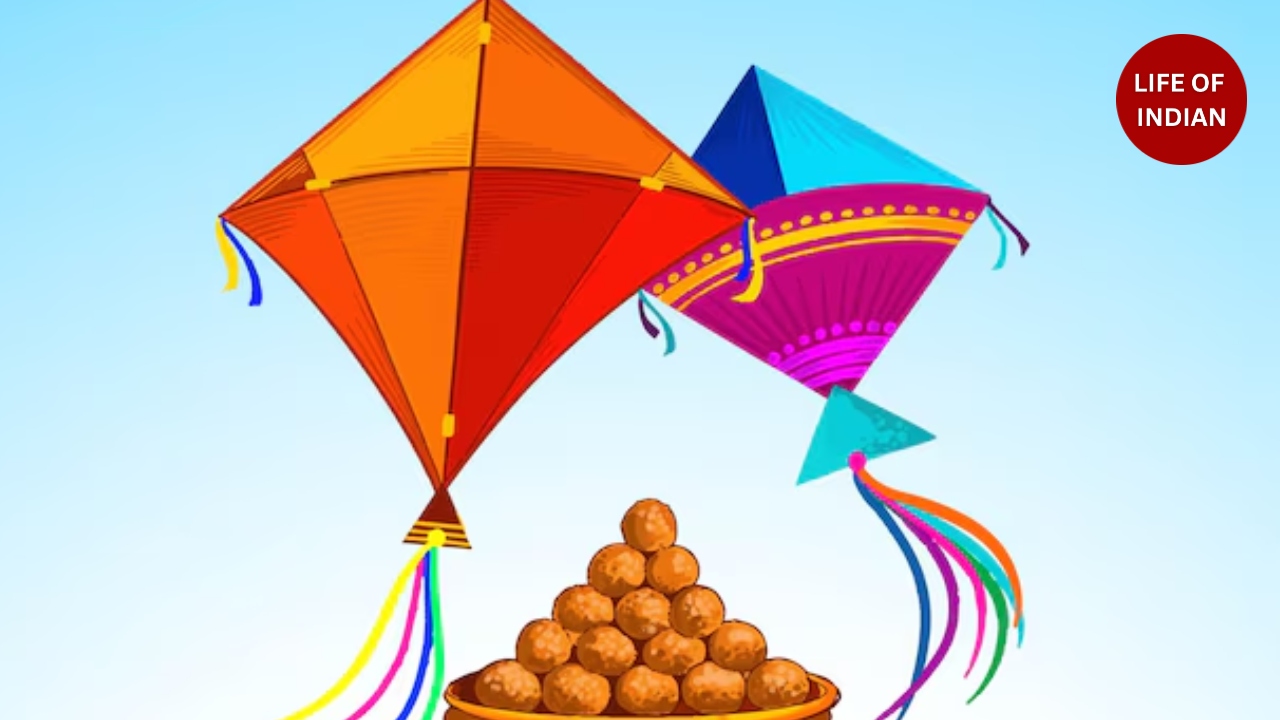
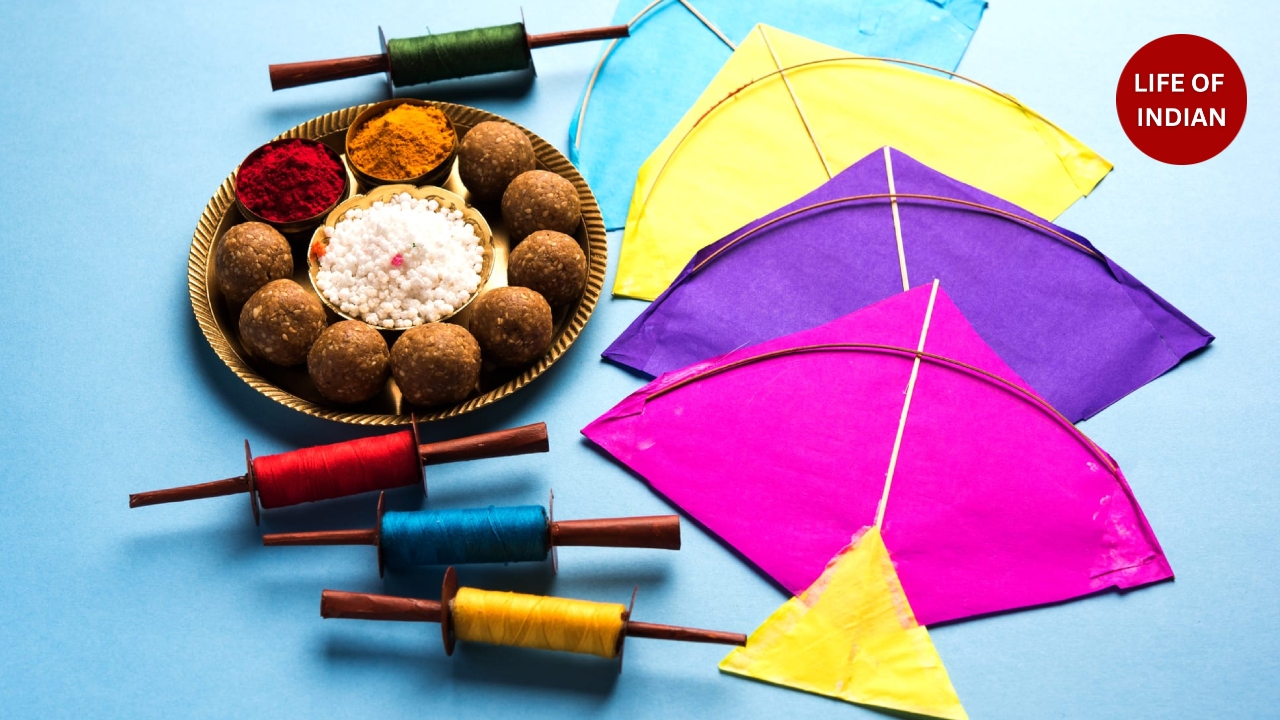
Kite flying is one of the most joyful traditions of Makar Sankranti, especially in Gujarat and Rajasthan.
Historically:
-
People spent time outdoors under the Sun to absorb vitamin D
-
This helped boost immunity during winter
-
It also promoted social bonding and celebration
Kites soaring high symbolize freedom, ambition, and rising above negativity.
Importance of Til and Gud (Sesame and Jaggery)
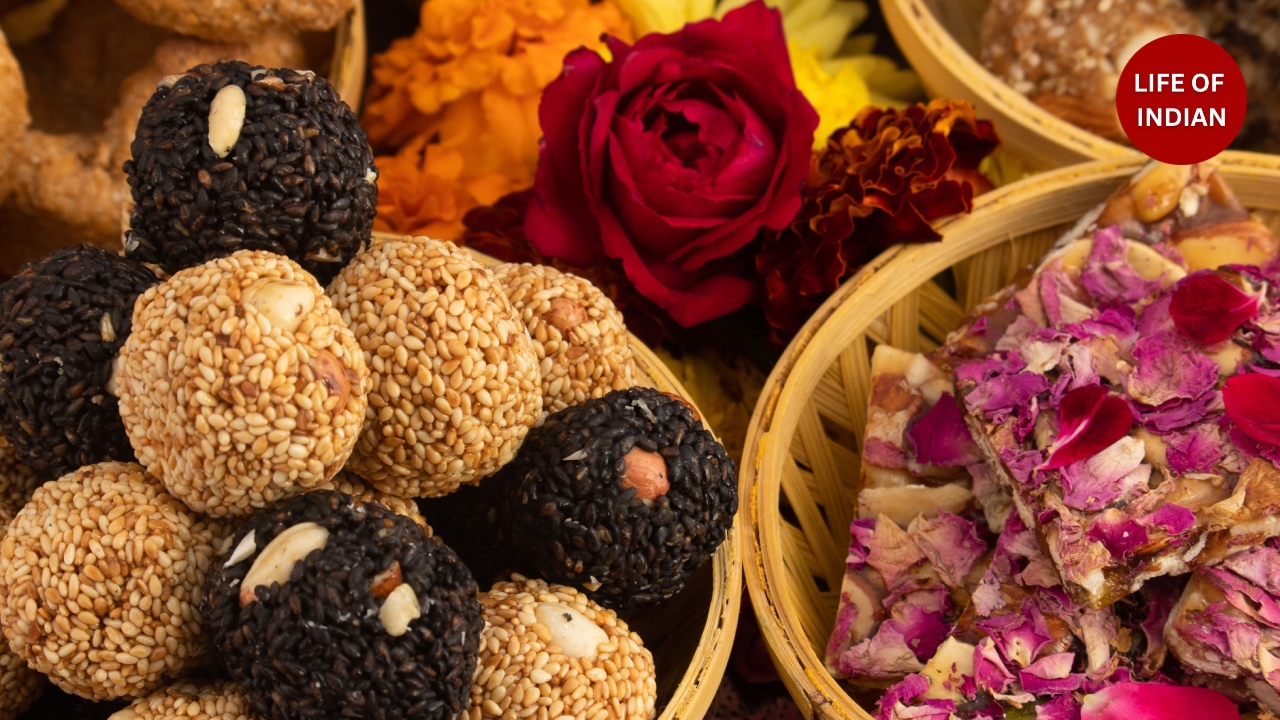
Til (sesame seeds) and gud (jaggery) are essential foods during Makar Sankranti because:
-
They provide warmth to the body in winter
-
They are rich in nutrients and energy
-
Symbolically, they represent sweetness and unity
Eating til-gud signifies letting go of bitterness and embracing harmony.
Makar Sankranti in Modern Times
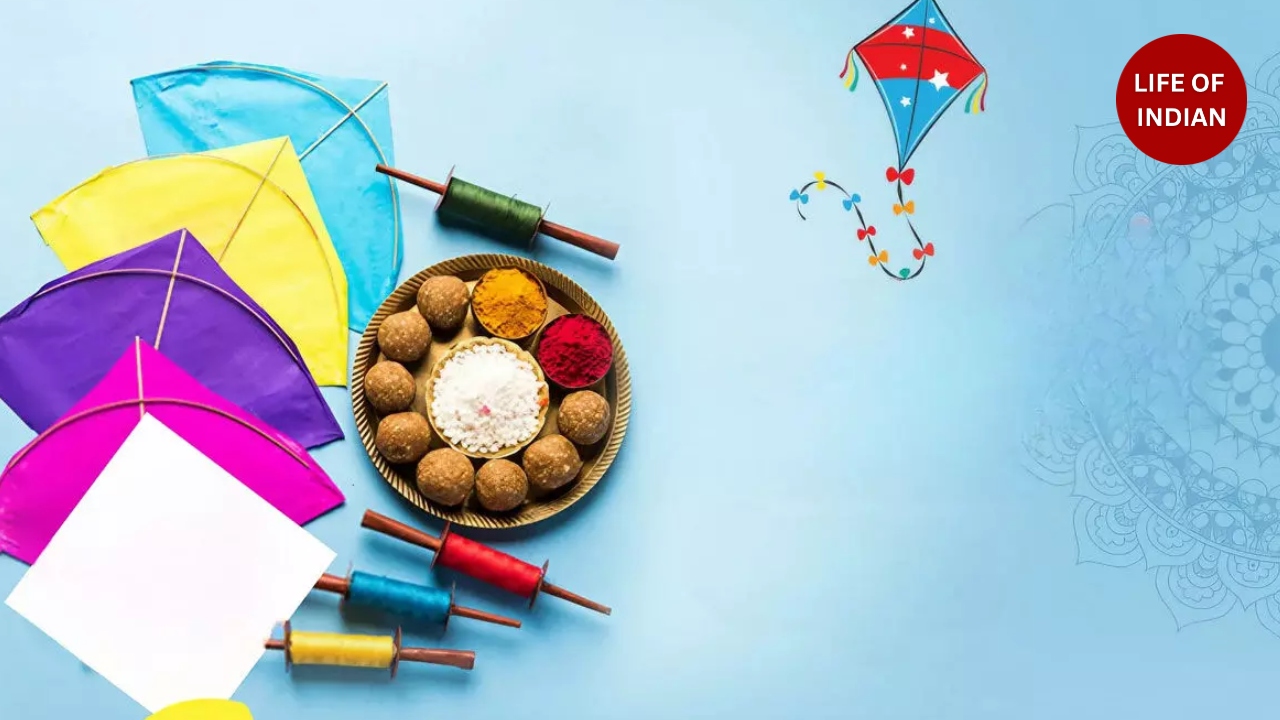
Even today, Makar Sankranti remains relevant because it:
-
Encourages gratitude and mindfulness
-
Promotes eco-friendly celebrations
-
Strengthens family and community bonds
-
Connects people with ancient wisdom
In a fast-paced world, this festival reminds us to pause, reflect, and realign with nature and values.
The True Meaning of Makar Sankranti
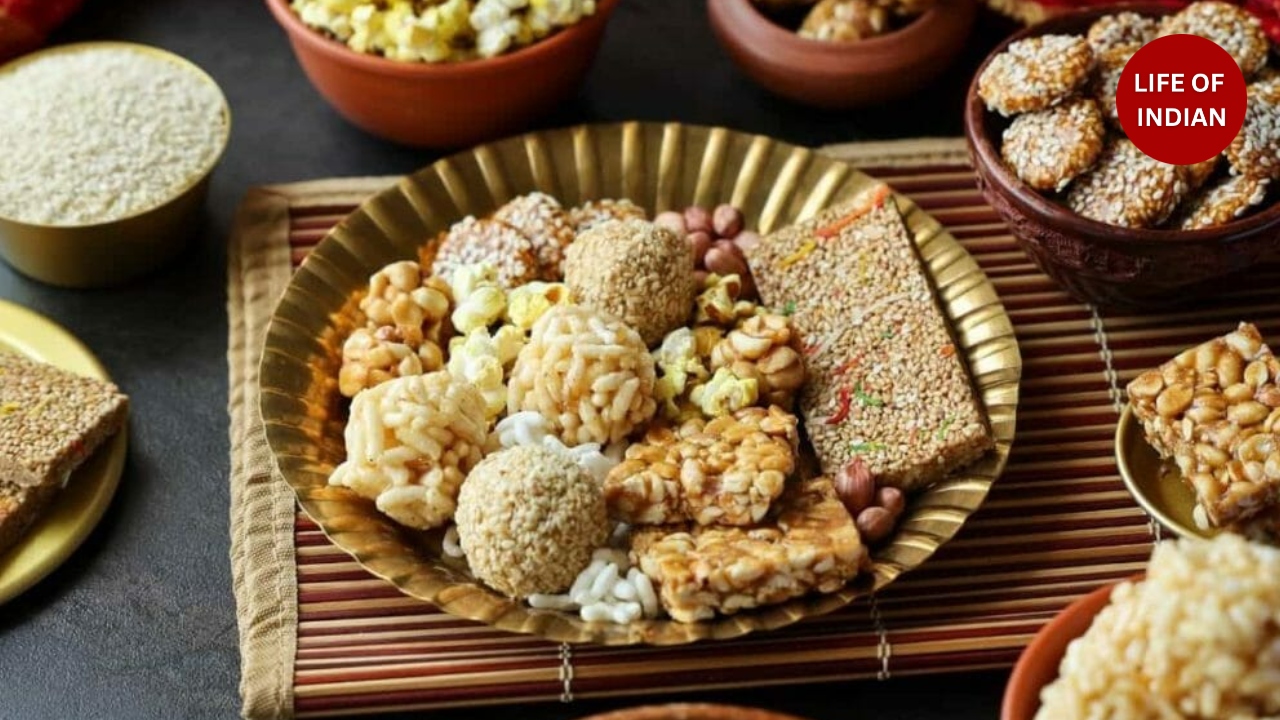
Makar Sankranti is not just a festival—it is a celebration of balance:
-
Between nature and humanity
-
Between science and spirituality
-
Between tradition and modern life
It teaches us to welcome change with positivity, express gratitude for what we have, and move forward with hope and harmony.
About the Author