


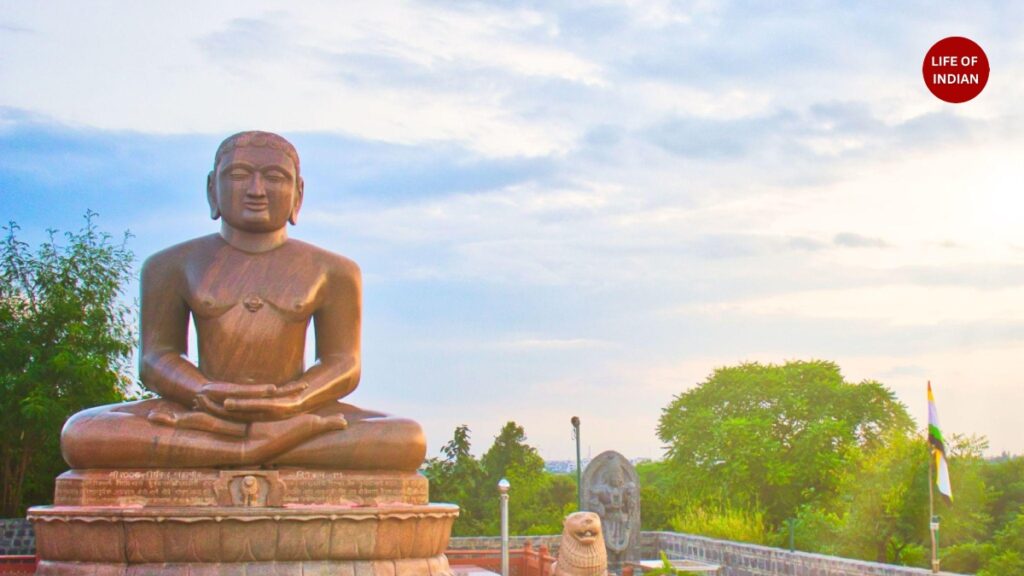
Mahavir Jayanti is one of the most important religious festivals in Jainism. It marks the birth anniversary of Lord Mahavir, the 24th Tirthankara, who showed the path of truth, non-violence, and spiritual liberation. Celebrated with great devotion across India and by Jain communities worldwide, this festival carries deep spiritual and philosophical significance.
In 2026, Mahavir Jayanti will be observed on 31st March (Tuesday).
This sacred occasion is not just a religious celebration but also a reminder of timeless values that are still relevant in today’s fast-changing world.
Who Was Lord Mahavir?
Lord Mahavir, also known as Vardhamana, was born in 599 BCE in Kundagrama (present-day Bihar). He was born into a royal family but chose a life of renunciation at the age of 30.
After years of deep meditation and strict penance, he attained Kevala Jnana (omniscience) and became a spiritual teacher. He dedicated his life to guiding people toward liberation (moksha) through ethical living and self-discipline.
Why is Mahavir Jayanti Celebrated?
Mahavir Jayanti is celebrated to honor the birth of Lord Mahavir and to remember his teachings, which emphasize:
- Non-violence (Ahimsa)
- Truth (Satya)
- Non-stealing (Asteya)
- Celibacy (Brahmacharya)
- Non-attachment (Aparigraha)
This day reminds people to follow a path of peace, compassion, and righteousness.
Historical Background of Mahavir Jayanti
According to Jain scriptures, Lord Mahavir was born on the 13th day (Trayodashi) of the bright half of the Chaitra month. His birth is considered a divine event, marked by auspicious signs and celebrations in heaven and on Earth.
Over centuries, this day became an important festival in Jain tradition, observed with rituals, prayers, and community activities.
How is Mahavir Jayanti Celebrated?
Mahavir Jayanti is celebrated with great enthusiasm across India, especially in states like Gujarat, Rajasthan, Maharashtra, and Karnataka.
1. Temple Visits and Abhishek
Devotees visit Jain temples early in the morning and perform Abhishek (ritual bathing) of Lord Mahavir’s idol with milk and water.
2. Processions (Rath Yatra)
Colorful processions are organized where idols of Lord Mahavir are carried in decorated chariots. Devotional songs and chants fill the air.
3. Charity and Kindness
People engage in acts of charity such as:
- Donating food and clothes
- Helping the poor
- Feeding animals
4. Reading Jain Scriptures
Devotees read and listen to teachings from Jain texts and reflect on Mahavir’s philosophy.
5. Fasting and Meditation
Many followers observe fasts and practice meditation to purify the mind and soul.
Teachings of Lord Mahavir
Lord Mahavir’s teachings are simple yet powerful and practical for everyday life.
1. Ahimsa (Non-Violence)
The most important principle—avoid harming any living being, not just physically but also through words and thoughts.
2. Satya (Truth)
Always speak the truth and live honestly.
3. Aparigraha (Non-Attachment)
Avoid excessive attachment to material possessions.
4. Self-Discipline
Control desires and emotions to achieve inner peace.
5. Equality and Compassion
Treat all living beings equally with kindness and respect.
Contribution of Lord Mahavir to the World
Lord Mahavir’s teachings have had a profound impact not just in India but across the world.
1. Promotion of Non-Violence
His principle of Ahimsa influenced global leaders like Mahatma Gandhi and shaped movements for peace.
2. Environmental Awareness
By promoting respect for all living beings, Mahavir indirectly contributed to environmental protection and sustainability.
3. Ethical Living
His teachings guide people toward a balanced and ethical lifestyle.
4. Spiritual Freedom
He showed that liberation is possible through self-realization and discipline, without dependence on rituals alone.
Why Mahavir’s Teachings Are Relevant Today
In today’s world filled with stress, competition, and conflict, Mahavir’s teachings are more relevant than ever.
- Ahimsa helps reduce violence and hatred
- Truthfulness builds trust in society
- Minimalism (Aparigraha) promotes mental peace
- Compassion creates a better world
His philosophy encourages a balanced life focused on inner happiness rather than material success.
Practices People Still Follow Today
Even today, millions of people follow Mahavir’s principles in daily life:
- Vegetarianism and veganism
- Avoiding harm to animals
- Living a simple and minimalistic lifestyle
- Practicing meditation and mindfulness
- Engaging in charity and social work
Mahavir Jayanti is not just a festival—it is a celebration of timeless wisdom. Lord Mahavir’s life and teachings continue to inspire humanity toward peace, compassion, and truth.
As we celebrate Mahavir Jayanti 2026 on 31st March, it is an opportunity to reflect on our actions and adopt values that lead to a better and more harmonious world.
FAQ
1. When is Mahavir Jayanti 2026?
Mahavir Jayanti 2026 will be celebrated on 31st March (Tuesday).
2. Why is Mahavir Jayanti celebrated?
It is celebrated to honor the birth and teachings of Lord Mahavir, the 24th Tirthankara of Jainism.
3. What are the main teachings of Lord Mahavir?
Non-violence (Ahimsa), truth (Satya), non-attachment (Aparigraha), and self-discipline.
4. How is Mahavir Jayanti celebrated?
With temple visits, processions, charity, fasting, and reading Jain scriptures.
5. What is the importance of Mahavir Jayanti?
It promotes peace, compassion, and ethical living in society.