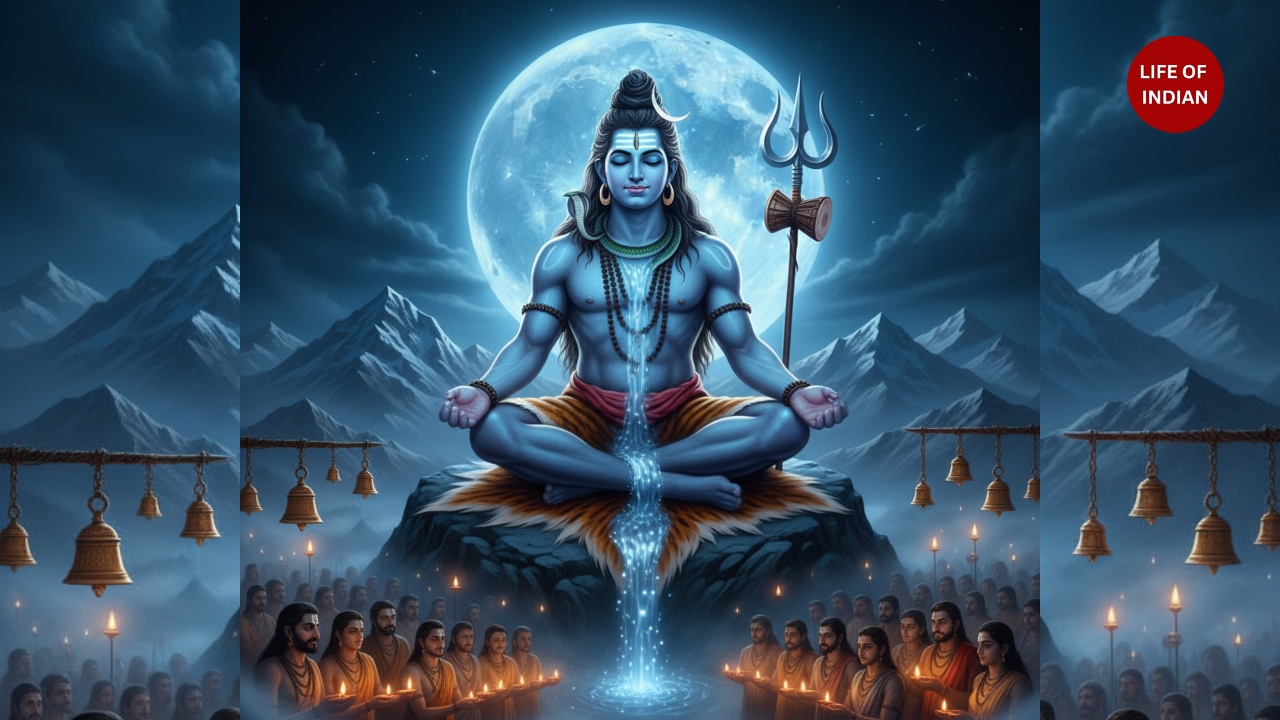
Mahashivratri 2026: When the rest of the world sleeps, millions across India stay awake.
Temples glow under the moonlight. Bells echo through ancient corridors. Devotees chant “Om Namah Shivaya” in deep devotion. Fasting, meditation, and all-night prayers turn this sacred night into a powerful spiritual awakening.
Mahashivratri, literally meaning “The Great Night of Shiva,” is not just a festival—it is a cosmic event of faith, energy, and inner transformation. Celebrated in honor of Lord Shiva, this night holds immense religious, spiritual, and philosophical significance in Hindu tradition.
Why Is Lord Shiva Worshipped with Bel Patra?
But what truly makes Mahashivratri one of India’s most powerful spiritual nights?
Let’s explore.
The Spiritual Meaning Behind Mahashivratri
Mahashivratri is observed on the 14th night of the dark fortnight (Krishna Paksha) in the month of Phalguna (February–March).
According to ancient scriptures, this is the night when:
- Lord Shiva performed the Tandava, the cosmic dance of creation and destruction.
- Shiva married Goddess Parvati.
- Devotees can overcome ignorance and darkness through spiritual awakening.
Unlike other Hindu festivals filled with color and celebration, Mahashivratri is marked by silence, discipline, and inner reflection. It symbolizes the victory of consciousness over chaos.
Mahashivratri 2026 Special: How Different States in India Celebrate Mahashivratri
Why Staying Awake Matters: The Science and Spiritual Energy
One of the most unique aspects of Mahashivratri is the tradition of staying awake all night (Jagaran).
Spiritual leaders and yogic traditions believe that on this particular night:
- Planetary alignments create a natural upward flow of energy.
- Meditation becomes deeper and more powerful.
- The body’s energy system becomes highly receptive.
Many devotees practice meditation, yoga, and chanting to harness this heightened spiritual energy.
The Sacred Rituals of Mahashivratri
1. Abhishekam of Shiva Lingam
- Milk
- Honey
- Water from the Ganga
- Bilva (Bel) leaves
The Shiva Lingam represents infinite cosmic energy. Each offering symbolizes purification of mind, body, and soul.
Why Lord Shiva Wears Snake, Ash and Moon: The Hidden Spiritual Meaning Behind Mahadev’s Divine Form
2. Fasting for Spiritual Discipline
Fasting on Mahashivratri is not just about food—it is about control over desires.
Many devotees observe:
- Nirjala fast (without water)
- Phalahar (fruits only)
- Light satvik meals
The fast is believed to cleanse karma and strengthen spiritual willpower.
3. Chanting “Om Namah Shivaya”
The Panchakshari mantra—Om Namah Shivaya—is chanted millions of times on this night. It is said to:
- Calm the mind
- Remove negativity
- Align the soul with divine consciousness
The vibration of this mantra is believed to awaken inner awareness.
The Mythological Stories That Deepen Its Power
Mahashivratri is surrounded by fascinating legends that add emotional and spiritual depth.
The Marriage of Shiva and Parvati
This night marks the divine union of Shiva and Goddess Parvati—a symbol of balance between masculine and feminine energies.
The Story of Samudra Manthan
During the cosmic churning of the ocean, deadly poison (Halahala) emerged. To save the universe, Shiva consumed it, holding it in his throat, which turned blue—earning him the name Neelkanth.
This story reflects sacrifice, protection, and supreme compassion.
Jyotirlingas of India: The Sacred Shiva Temples Every Devotee Must Visit Once in a Lifetime
India’s Most Sacred Mahashivratri Destinations
Kashi Vishwanath Temple
Varanasi becomes a sea of devotion as thousands gather for night-long prayers.
Somnath Temple
One of the twelve Jyotirlingas, Somnath witnesses massive spiritual gatherings.
Mahakaleshwar Temple
Famous for its Bhasma Aarti, this temple offers a deeply intense spiritual experience.
The Emotional Side of Mahashivratri
For many devotees, Mahashivratri is personal.
It is the night when:
- A mother prays for her child’s future.
- A young seeker searches for purpose.
- A devotee surrenders pain and ego to the divine.
There is something profoundly intimate about praying at midnight, surrounded by chants and incense, feeling both small and infinite at the same time.
Why Mahashivratri Still Captivates Modern India
In today’s fast-paced digital world, Mahashivratri offers:
- A pause from noise
- A moment of self-reflection
- A connection to ancient wisdom
Even young generations are increasingly drawn toward meditation and spiritual exploration during this festival.
It is not merely a ritual—it is a reminder that true power lies within inner stillness.
The Deeper Message of Mahashivratri
Mahashivratri teaches that:
- Destruction is necessary for renewal.
- Darkness can lead to awakening.
- Silence holds more power than noise.
On this sacred night, devotees believe that even a single sincere prayer can transform destiny.
And perhaps that is why Mahashivratri continues to be one of India’s most powerful spiritual nights—because it speaks not only to religion, but to the human soul.