
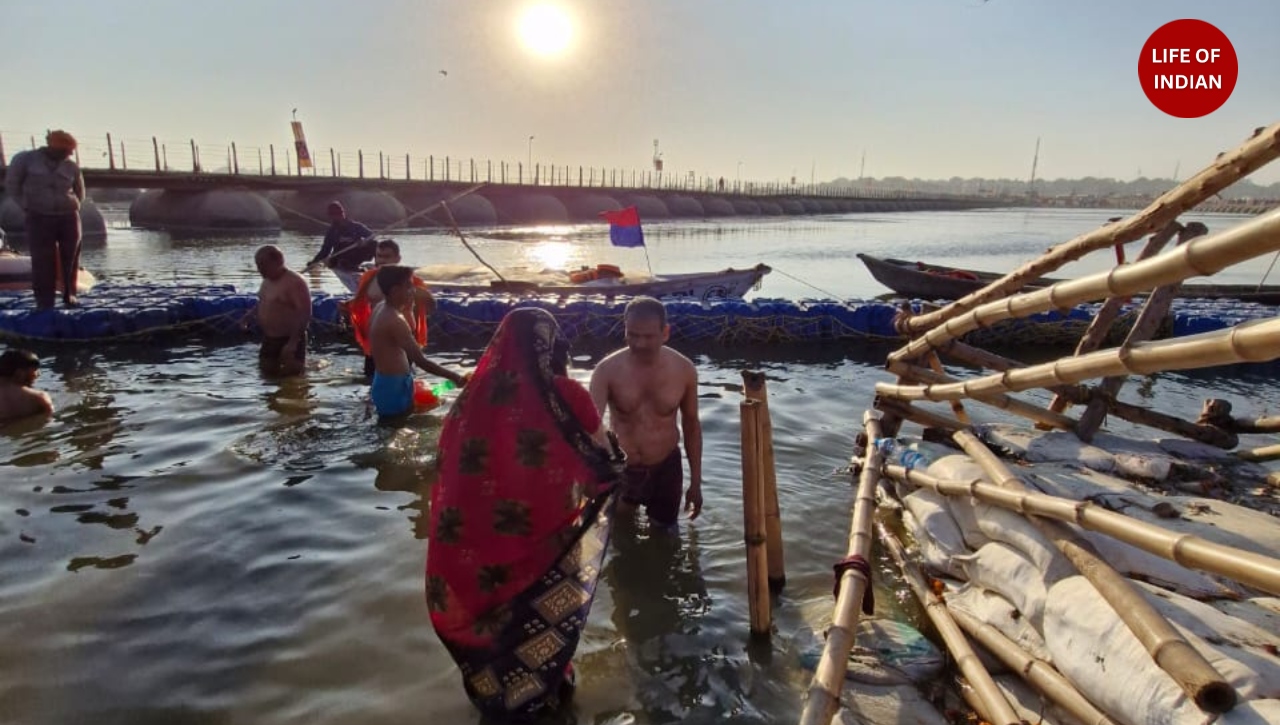
Magh Mela 2026: The Magh Mela, organized every year on the sacred land of Prayagraj in Uttar Pradesh, is considered one of the most important religious gatherings of the Sanatan tradition. In 2026, the Magh Mela will commence on January 3 with Paush Purnima and conclude on February 15 on the holy occasion of Mahashivratri. Spread over nearly 44 days, this spiritual fair witnesses the arrival of millions of devotees, saints, and ascetics at the revered Triveni Sangam for holy bathing, charity, and deep spiritual practices. The Magh Mela is not just a religious event but a living expression of faith, discipline, and India’s timeless spiritual heritage.
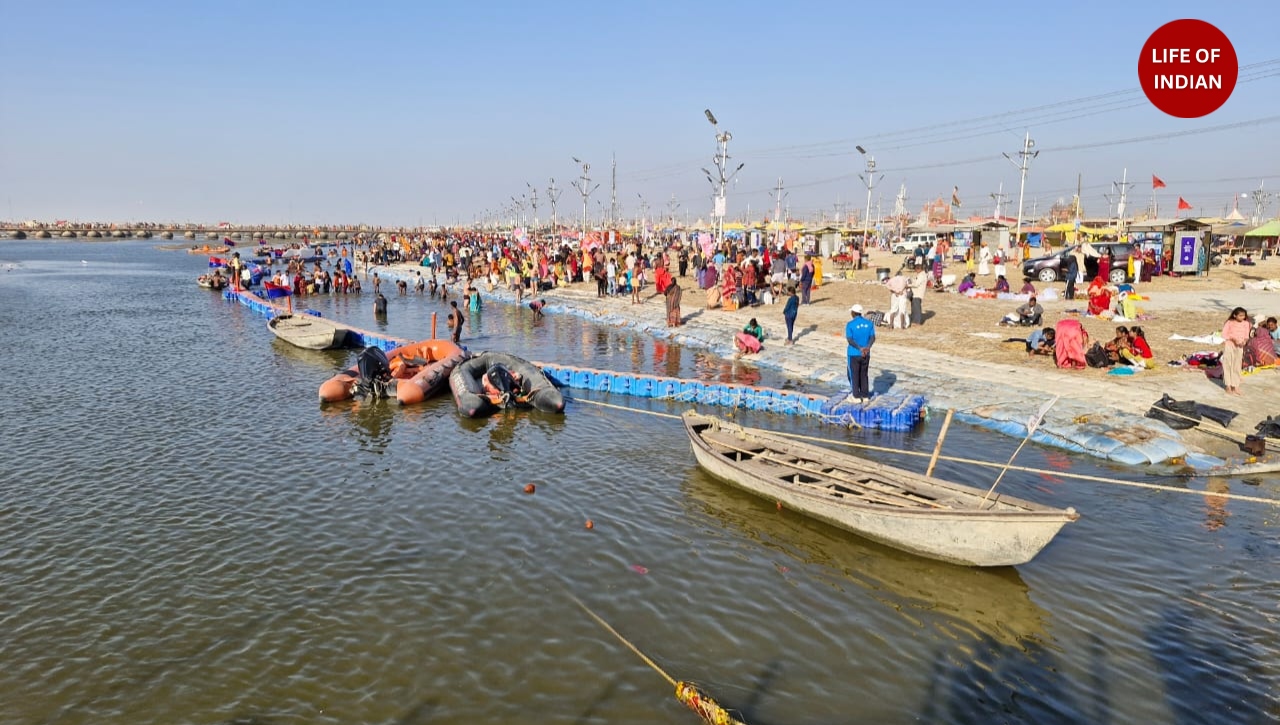
The Spiritual Heart: Triveni Sangam
At the center of the Magh Mela lies the sacred Triveni Sangam, the holy confluence of the Ganga, Yamuna, and the mystical Saraswati river. According to Hindu belief, a holy dip at the Sangam during the Magh month washes away sins, purifies the soul, and helps devotees progress on the path of moksha (liberation).
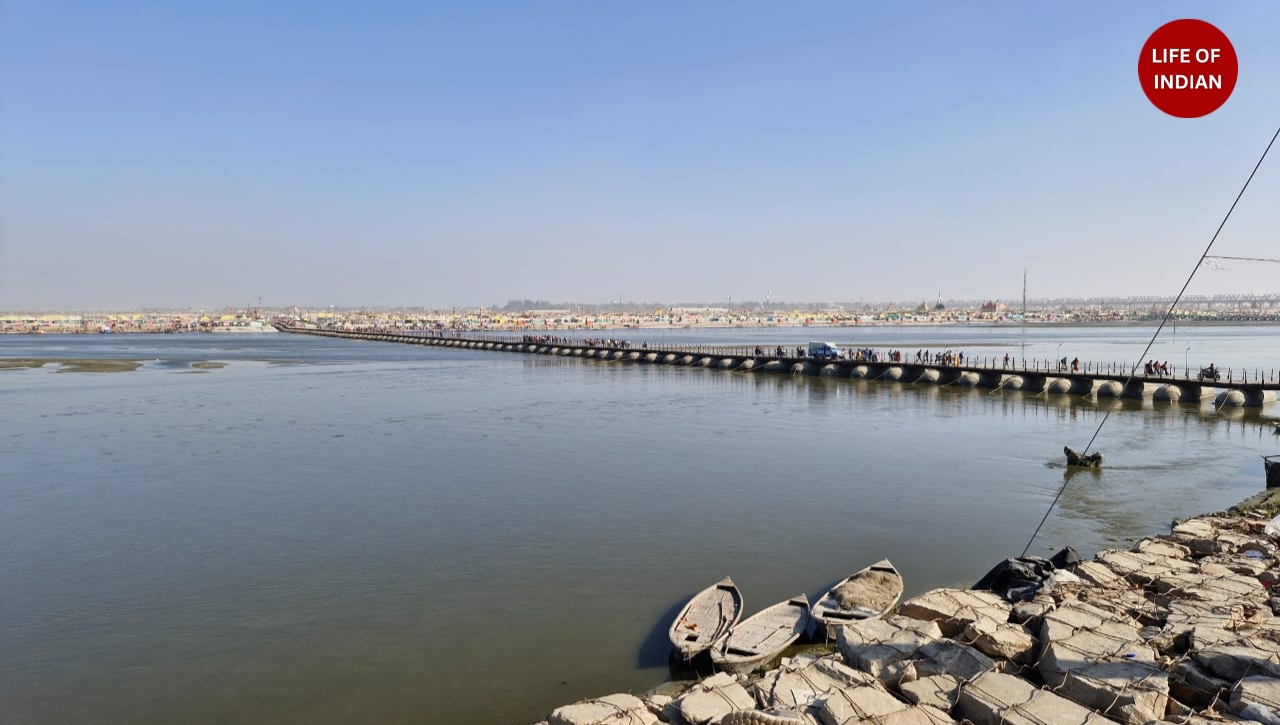
Every year, the local administration establishes a massive temporary tent city, complete with bathing ghats, roads, electricity, drinking water, medical facilities, sanitation services, and security arrangements. These facilities allow devotees to perform rituals in a safe and organized environment while preserving the sanctity of the sacred land.
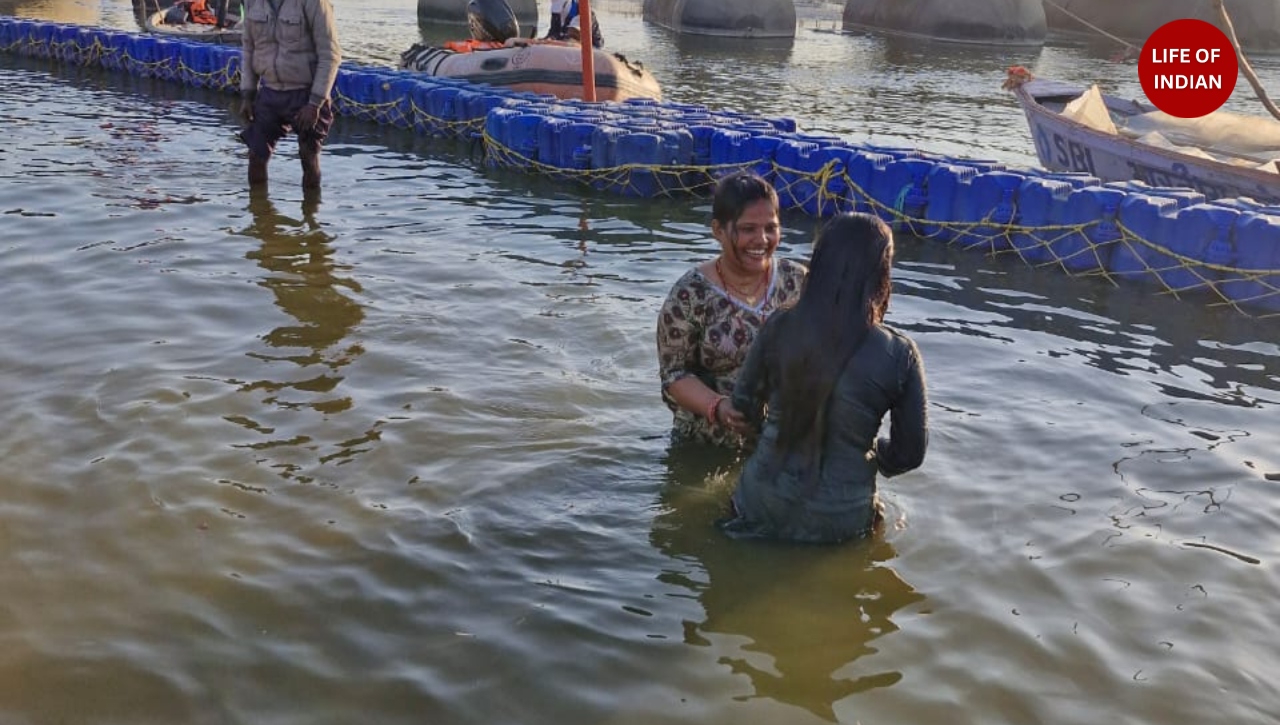
Major Bathing Dates of Magh Mela 2026
Certain days during the Magh month are considered especially powerful for spiritual practices and holy bathing:
-
Paush Purnima (January 3, 2026 – Saturday)
Marks the official beginning of the Magh Mela and the start of Kalpvas. Devotees take the first sacred dip and begin their month-long spiritual discipline. -
Makar Sankranti (January 14, 2026 – Wednesday)
Celebrates the Sun’s transition into Capricorn. Bathing on this day is believed to bring prosperity, good health, and spiritual merit. -
Mauni Amavasya (January 18, 2026 – Sunday)
One of the most important bathing days. Devotees observe silence (maun), penance, charity, and deep meditation along with the holy dip. -
Basant Panchami (January 23, 2026 – Friday)
Dedicated to Goddess Saraswati, symbolizing knowledge, wisdom, and learning. This day holds special importance for students and scholars. -
Maghi Purnima (February 1, 2026 – Sunday)
A crucial day for Kalpvasis, as many devotees conclude their vows and perform final rituals. -
Mahashivratri (February 15, 2026 – Sunday)
The concluding and most sacred day of the Magh Mela, dedicated to Lord Shiva, marked by fasting, night-long worship, and the final holy bath.
Kalpvas: The Soul of Magh Mela
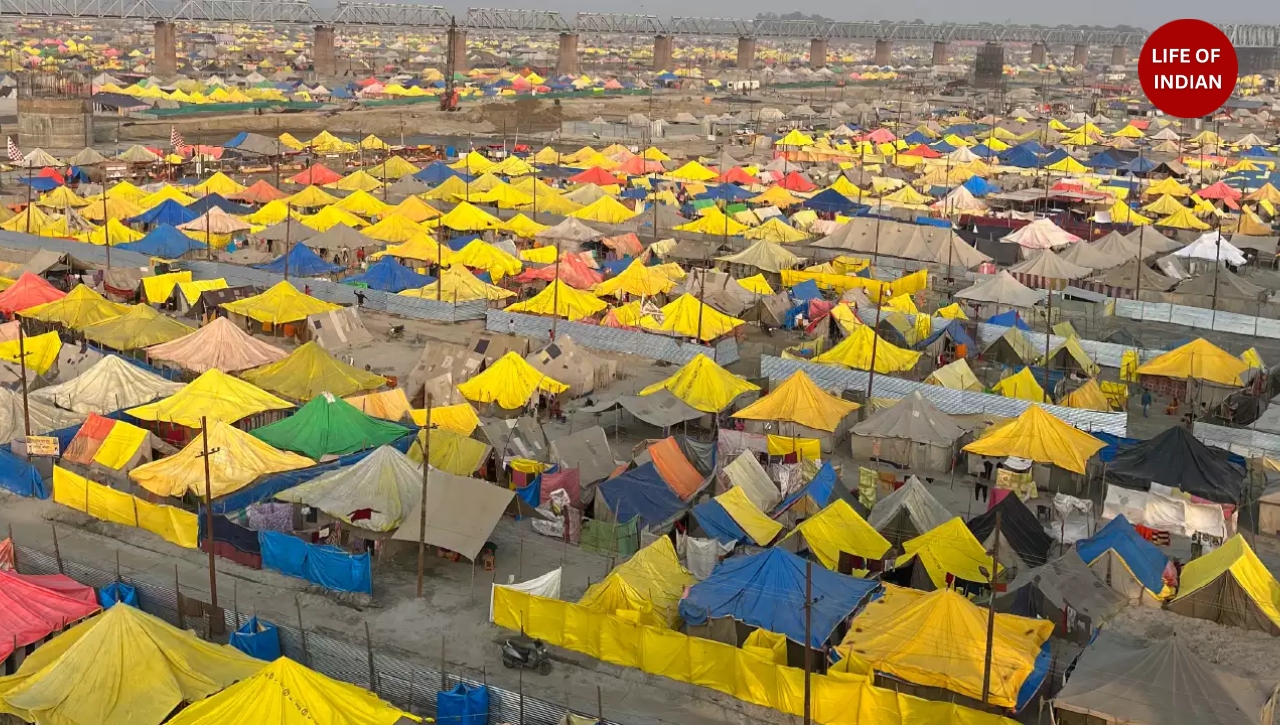
Kalpvas is the defining spiritual practice of the Magh Mela. It involves living near the Sangam for the entire Magh month under strict spiritual discipline. Kalpvasis reside in simple tents and follow a life of restraint, purity, and devotion.
Key practices during Kalpvas include:
-
Early morning Brahma Muhurta bathing at the Sangam
-
Daily prayers, mantra chanting, and meditation
-
Listening to spiritual discourses and bhajans
-
Consuming satvik food and maintaining simplicity in lifestyle
It is believed that Kalpvas strengthens mental discipline, purifies the mind, and elevates spiritual consciousness, making it one of the most revered spiritual observances in Hinduism.
Rituals, Worship, and the Spirit of Charity
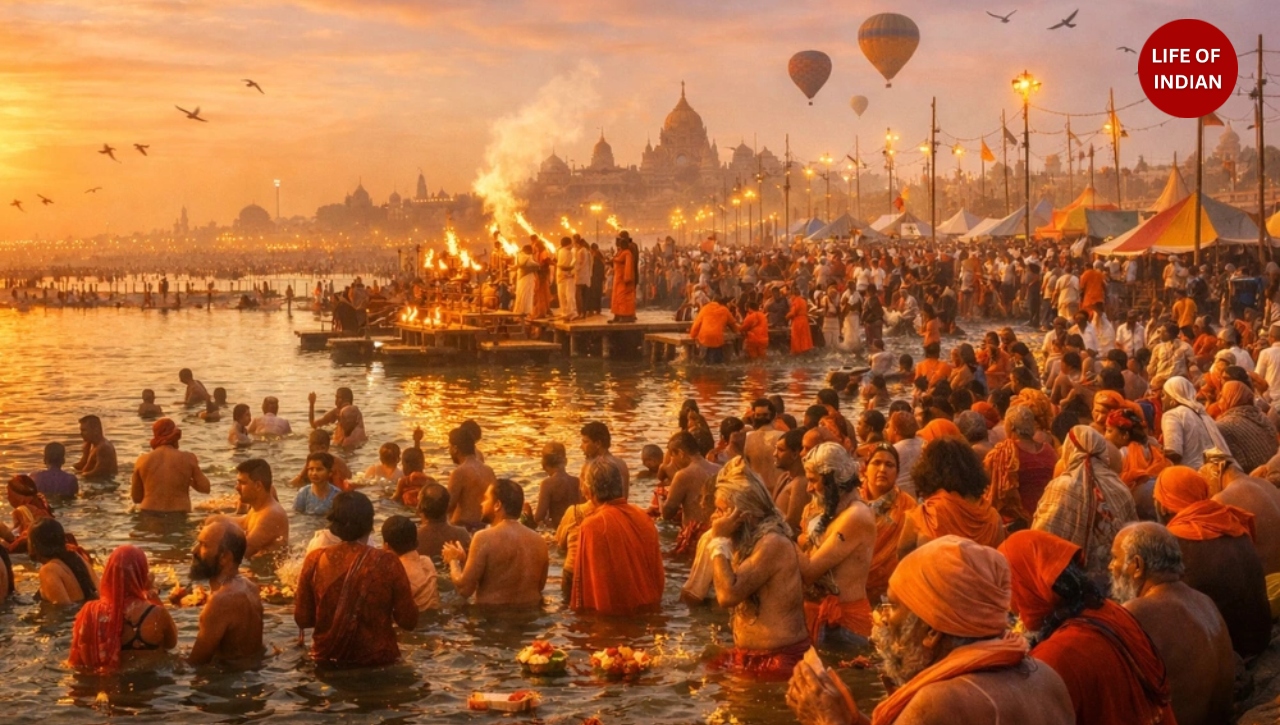
Beyond holy bathing, the Magh Mela is rich with religious rituals and cultural traditions. Devotees perform Surya Arghya (Sun worship), Ganga Aarti, havan, and group devotional singing. Ashrams and akharas organize spiritual discussions, yogic practices, and scriptural teachings.
Charity holds immense importance during the Magh month. Donating food, clothes, blankets, sesame seeds, ghee, jaggery, and grains is considered highly auspicious. Helping saints, Kalpvasis, and the needy is believed to multiply spiritual merit and bring divine blessings.
More Than a Fair: A Living Cultural Heritage
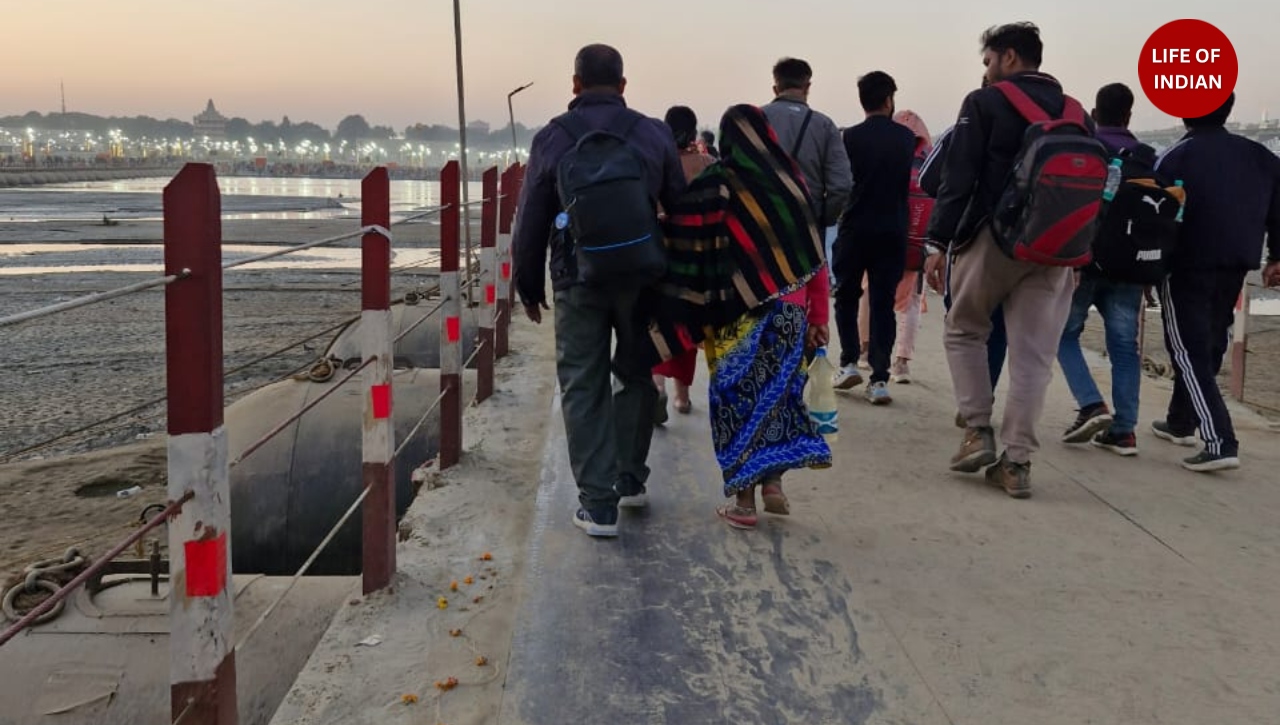
Magh Mela 2026 is not merely a religious congregation—it is a living symbol of India’s spiritual heritage, social harmony, and collective faith. People from different regions, languages, and backgrounds come together, united by devotion and shared values.
For devotees, the Magh Mela offers a rare opportunity for self-reflection, spiritual growth, and service. For observers, it stands as a powerful reminder of India’s ancient traditions that continue to thrive in the modern world—deeply rooted, yet eternally relevant.
Disclaimer: The religious beliefs and traditions mentioned in this article are based on scriptures, cultural practices, and publicly available information. LifeofIndian does not claim scientific validation of these beliefs.