
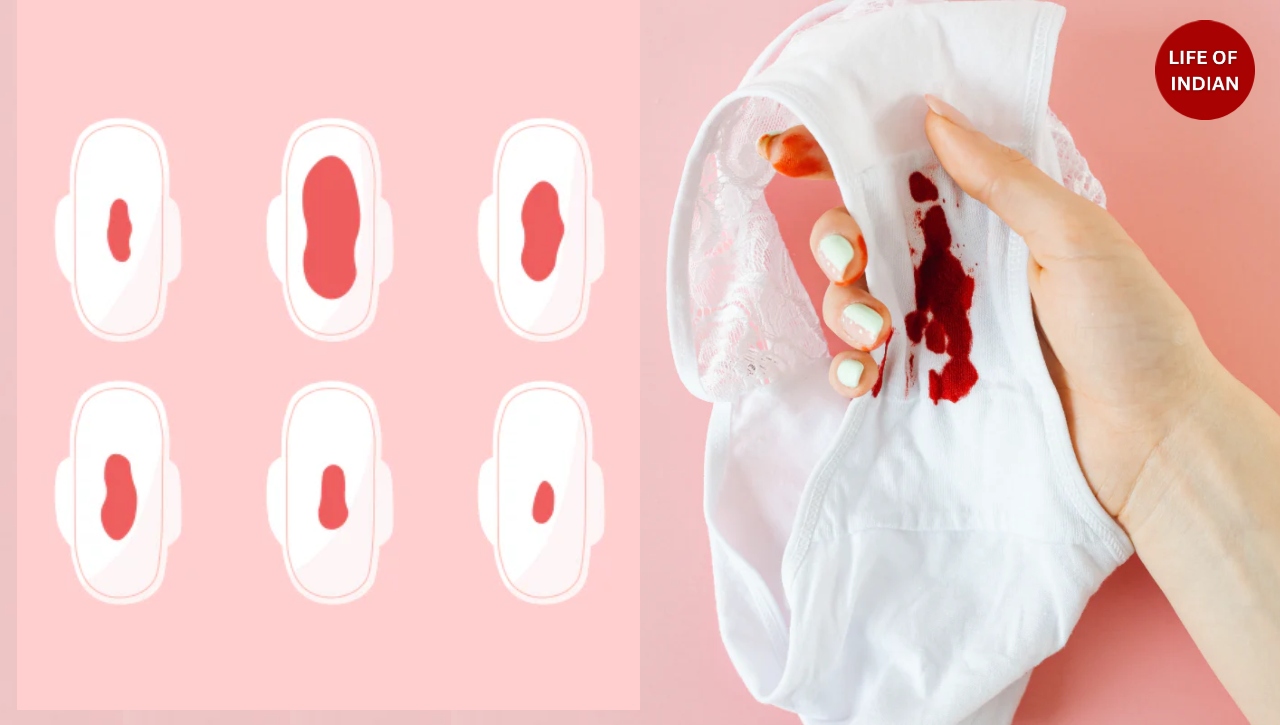
Light Periods: Many women begin to worry when they notice that their menstrual bleeding has become lighter than before. The first thought is often, “Is something wrong with my health?” But the truth is—light periods are not always a sign of a serious problem. Various hormonal, lifestyle, and medical reasons can naturally affect your menstrual flow.
Here is a simple and well-explained breakdown to help you understand why your periods may become lighter and when you should consult a doctor.
What Causes Light Periods?
(Reasons for Low Menstrual Flow)**
1. Hormonal Imbalance—The Most Common Cause

Your menstrual cycle is regulated by two major hormones: estrogen and progesterone. When their balance is disturbed, the uterine lining (endometrium) does not thicken properly. As a result, bleeding becomes lighter.
Hormonal imbalance is most common in:
-
Thyroid disorders (Hypothyroidism or Hyperthyroidism)
-
PCOS (Polycystic Ovary Syndrome)
-
Stress-related hormonal disruption
When the lining is thin, the flow becomes naturally lighter.
2. High Stress & Lack of Sleep

If you are dealing with chronic stress, anxiety, or sleep deprivation, your body releases more cortisol, the stress hormone. High cortisol suppresses reproductive hormones, leading to:
-
late periods
-
skipped periods
-
very light bleeding
Mental health and menstrual health are strongly connected.
3. Sudden Weight Loss or Weight Gain

Extreme or sudden weight changes directly affect hormone production because fat tissue also helps regulate estrogen levels.
Light periods are common in:
-
very lean women with low body fat
-
women who gain weight rapidly
-
women following extreme diets or heavy workouts
In severe cases, periods may even stop temporarily (amenorrhea).
4. Birth Control Pills & Hormonal Contraceptives

If you use:
-
birth control pills
-
hormonal IUD (like Mirena)
-
contraceptive injections
-
patch or vaginal ring
…it is completely normal to experience lighter periods.
These contraceptives thin the uterine lining, which reduces menstrual flow. This is usually not harmful, but major changes should be discussed with a doctor.
5. Natural Changes with Age

Light periods are common in:
-
Teenage girls, when hormones are still stabilizing
-
Women above 40, as the body begins transitioning toward menopause
This is a natural, biological process and not usually a health concern.
When Should You NOT Ignore Light Periods?

Light bleeding should be evaluated by a doctor if it comes with:
-
severe abdominal or pelvic pain
-
sudden, unexplained weight loss
-
dizziness or fainting
-
extreme fatigue
-
irregular periods for several months
-
known thyroid or PCOS symptoms
These may indicate:
-
thyroid imbalance
-
anemia
-
PCOS
-
uterine lining problems
-
nutritional deficiency
Timely medical advice is always the safest choice.
Light periods are often just a result of hormonal fluctuations, stress, lifestyle habits, or contraceptives. They are not always dangerous, but you should listen to your body. If you notice unusual symptoms or persistent changes, consulting a doctor ensures peace of mind and proper care.
Your menstrual cycle is a monthly indicator of your overall health—so never ignore changes, but never panic unnecessarily either.