


There are journeys that you plan… and then there are journeys that call you. Kedarnath is not just a destination—it is an experience that stays with you long after you return.
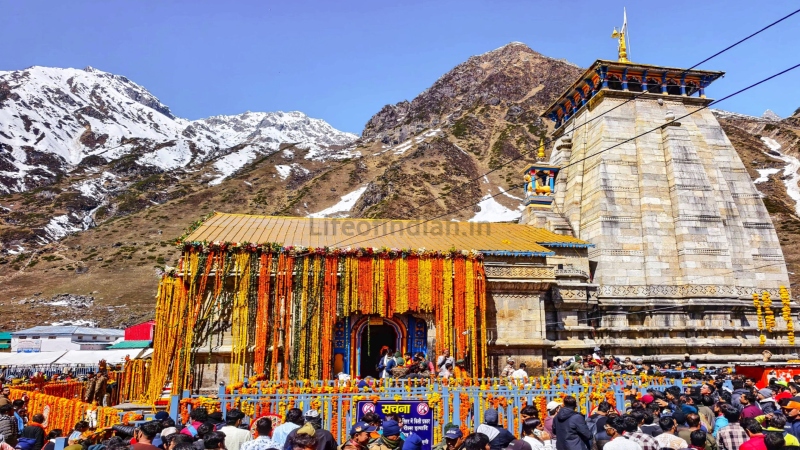
Hidden deep in the Garhwal Himalayas, surrounded by towering snow-covered peaks, Kedarnath Temple stands silently—waiting for those who are ready to walk not just miles, but a path of faith, struggle, and surrender.
People often ask—Is Kedarnath Yatra difficult?
Yes, it is.
But perhaps that is exactly why it feels so meaningful.
Chardham Yatra: A Spiritual Journey That Changes You Forever
The Spiritual Significance That Draws Millions

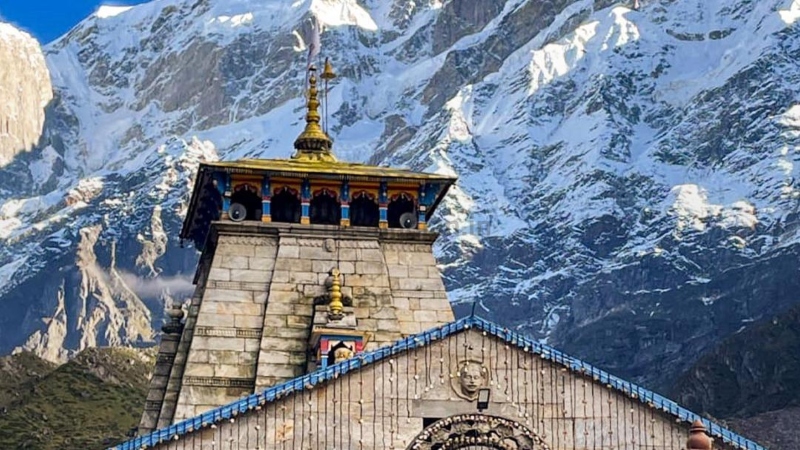
Kedarnath is one of the most sacred shrines dedicated to Lord Shiva and is part of both the Char Dham and the Panch Kedar pilgrimage. According to mythology, after the Mahabharata war, the Pandavas came seeking forgiveness from Lord Shiva. To avoid them, Shiva transformed into a bull and hid in Kedarnath. When discovered, he disappeared into the ground, leaving behind his hump, which is worshipped today at Kedarnath temple. This belief has made Kedarnath not just a temple but a place of forgiveness, redemption, and spiritual awakening.
The Location: Where Nature Tests You
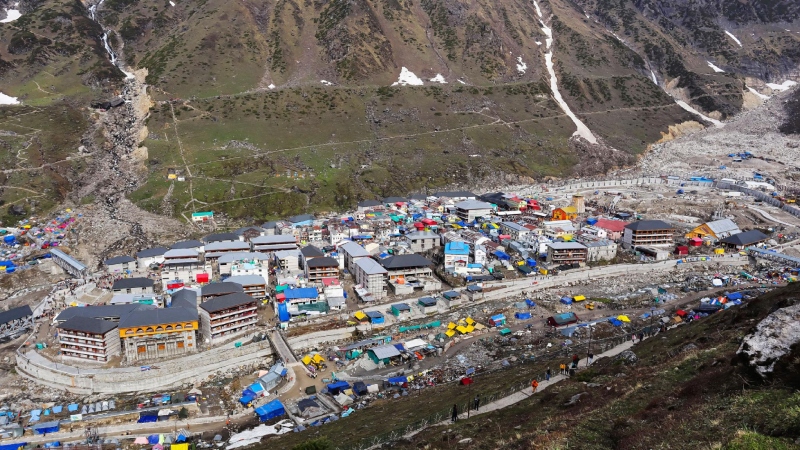
Kedarnath is situated at an altitude of around 3,583 meters in the Himalayas, making it one of the most remote pilgrimage sites in India. Reaching here is not easy—and that is intentional. The mountains challenge you. The thin air slows you down. The silence forces you to look within. And somewhere between the struggle and the stillness, something inside you changes.
The Journey Begins: Route to Kedarnath
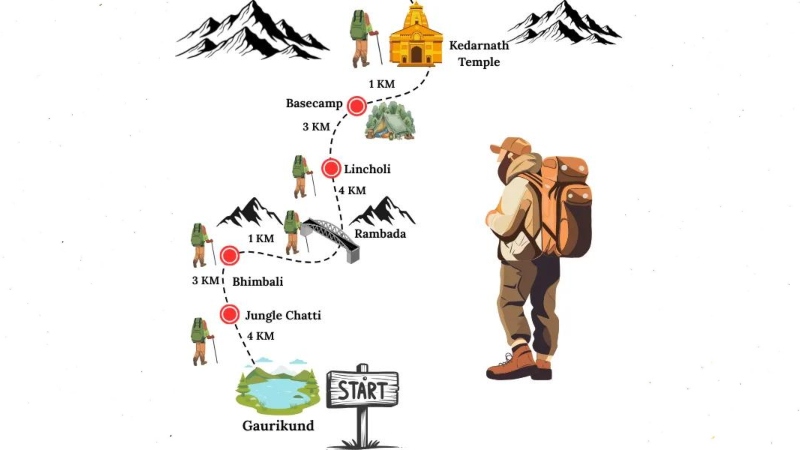
For most pilgrims, the journey begins from Haridwar or Rishikesh and moves towards Guptkashi and Sonprayag. The last motorable point is Gaurikund, from where the real journey starts.
From here, you have two options:
- Trekking the 16 km mountain route
- Taking a helicopter
Each path offers a completely different experience.
The Trek Experience: Where Faith is Tested
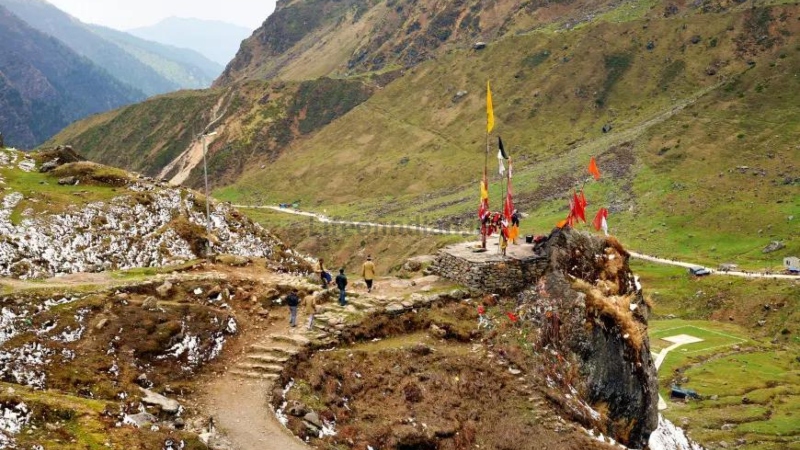
The traditional route to Kedarnath is a 16 km trek from Gaurikund, and it is not an easy one.
The initial stretch is steep and challenging, followed by slightly easier terrain, and then again a difficult final climb where oxygen levels drop and fatigue increases.
Many pilgrims walk for hours—some slowly, some with breaks, some with tears—but very few give up.
Because something keeps pushing them forward.
It could be faith.
It could be determination.
Or maybe it’s the feeling that this journey is meant to be completed. By the time you reach the temple after the trek, the experience is overwhelming. You don’t just feel tired—you feel transformed.
The Helicopter Journey: Faith with Comfort
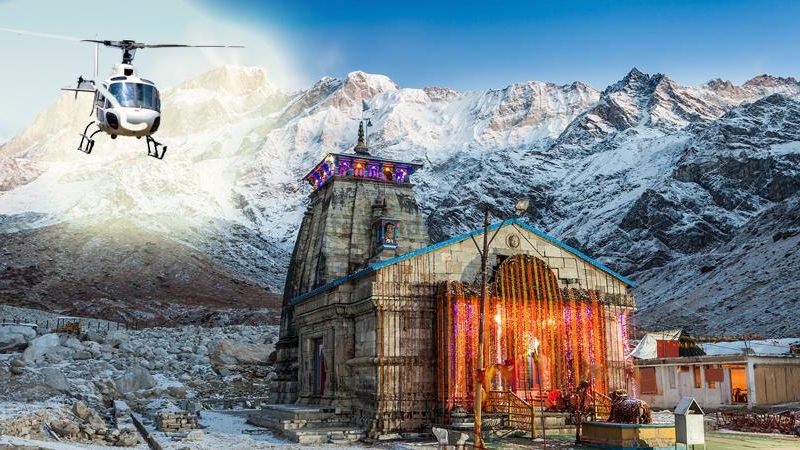
For those who cannot trek or prefer a faster route, helicopter services are available from places like Phata, Guptkashi, and Sirsi. The helicopter ride takes around 10–15 minutes, offering breathtaking views of the Himalayas. This option is especially helpful for:
- Elderly pilgrims
- People with health issues
- Travelers with limited time
However, helicopter services depend heavily on weather conditions and may face delays or cancellations. While it saves time and effort, many travelers feel that the trek offers a deeper spiritual connection. Both paths lead to the same destination—but the experience is different.
First Time Chardham Yatra? Read This Before You Go
The Reality of the Journey: Challenges You Must Know
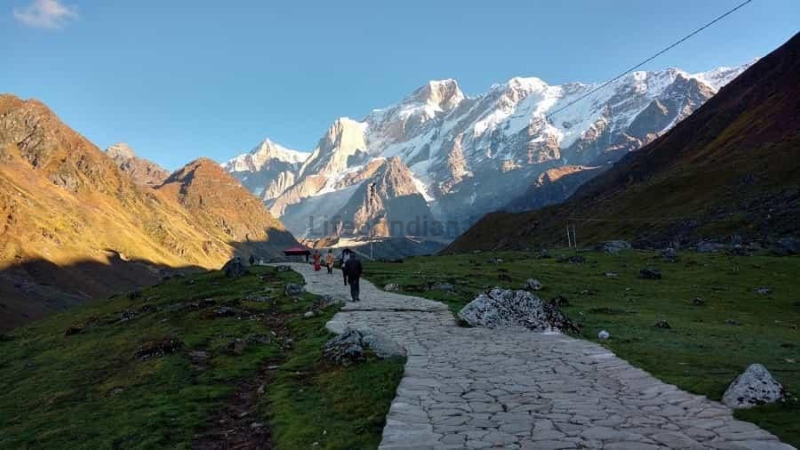
Kedarnath Yatra is not just beautiful—it is unpredictable. Weather can change suddenly. Rain, cold winds, and landslides are common in the region. Authorities often advise pilgrims to stay updated and travel cautiously. High altitude can cause:
- Breathlessness
- Fatigue
- Headache
That is why preparation is important—not just physically, but mentally. This journey is not about comfort. It is about acceptance.
The 2013 Tragedy: A Reminder of Nature’s Power
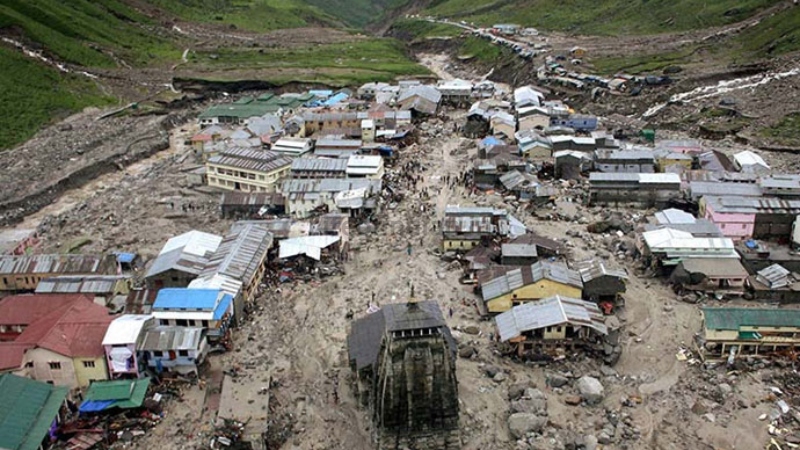
Kedarnath is also a place that reminds us of nature’s unpredictability. In 2013, devastating floods caused massive destruction in the region, taking thousands of lives. Yet, in the middle of this disaster, the Kedarnath temple remained standing—protected by a large boulder that diverted the flow of water. For many devotees, this event strengthened their faith even more. It became a symbol—not just of survival, but of divine protection.
The Emotional Experience: What Words Cannot Explain
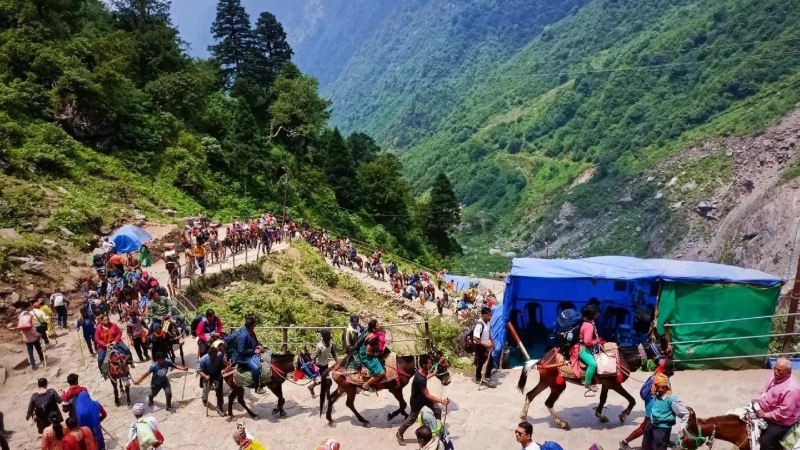
There is something about Kedarnath that cannot be described—it can only be felt. You see people from all walks of life:
- Elderly walking slowly with determination
- Young travelers helping strangers
- Families praying together
No one is in a hurry. No one is competing. Everyone is simply moving forward—with faith. And when you finally stand in front of the temple, surrounded by mountains and silence, something inside you becomes still.
Not empty.
Not lost.
Just… peaceful.
What Makes Kedarnath Different from Other Yatras
Kedarnath is not just a pilgrimage—it is a test.
- It tests your patience
- It tests your strength
- It tests your belief
And in return, it gives you something you didn’t know you needed—clarity. Unlike other journeys, Kedarnath does not give you comfort. It gives you understanding.
A Journey That Stays With You
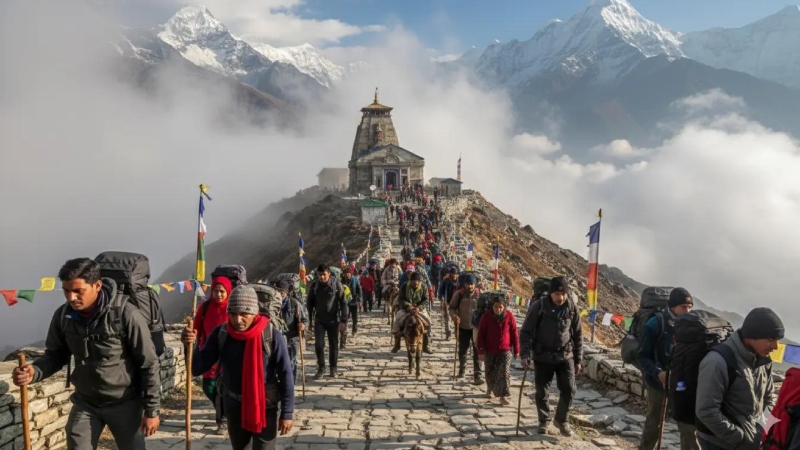
Kedarnath Yatra is not about reaching a temple. It is about walking through uncertainty, facing your limits, and finding peace beyond them. Whether you choose the trek or the helicopter, whether you go with family or alone—the journey will change you in ways you cannot predict.
Because in Kedarnath, you don’t just meet God…
you meet yourself.
FAQ
Q1. How difficult is the Kedarnath Yatra?
Kedarnath Yatra is moderately to highly difficult due to high altitude, 16 km trek, and changing weather. However, with proper preparation, most pilgrims can complete it.
Q2. What is the distance of the Kedarnath trek?
The trek from Gaurikund to Kedarnath is approximately 16 km, passing through steep mountain paths.
Q3. Can we go to Kedarnath by helicopter?
Yes, helicopter services are available from Phata, Guptkashi, and Sirsi, making the journey faster and easier, especially for elderly travelers.
Q4. What is the best time to visit Kedarnath?
The best time is from May to June and September to October, when weather conditions are relatively stable.
Q5. Why is Kedarnath temple so important?
Kedarnath is one of the twelve Jyotirlingas of Lord Shiva and is believed to be a place of forgiveness, spiritual awakening, and divine connection.