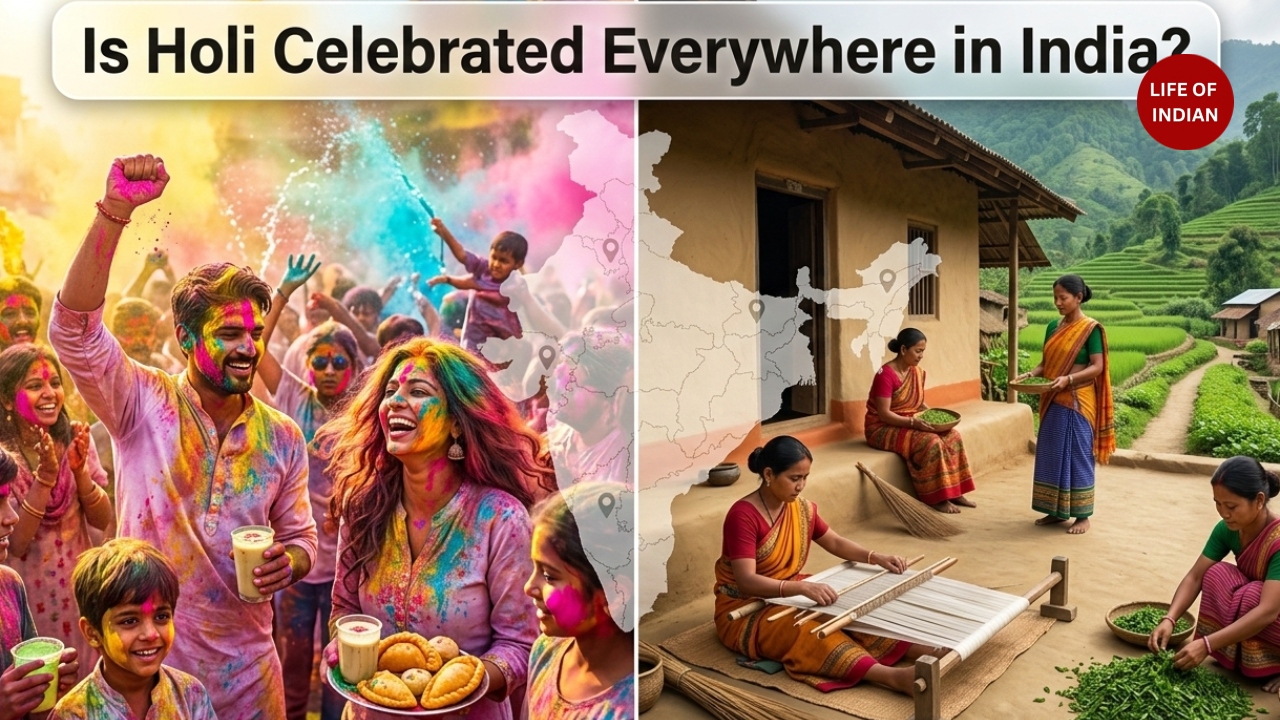
Holi is often described as one of India’s most vibrant and unifying festivals — a celebration where colors dissolve boundaries and communities come together in joy. From the grand celebrations of Mathura and Vrindavan to the lively streets of Delhi, Jaipur, and Mumbai, Holi appears to be everywhere. This creates a natural curiosity: Is there any place in India where Holi is not celebrated?
The answer is more nuanced than a simple yes or no. Holi, in some form, exists across India today. However, its intensity, cultural importance, style of celebration, and even its presence vary significantly from region to region. In certain parts of India, Holi is not traditionally observed, or it is celebrated in a very different way than the color-filled scenes often portrayed in media. Understanding these differences offers a deeper appreciation of India’s cultural diversity.
The North Indian Heartland: Where Holi Is a Cultural Identity
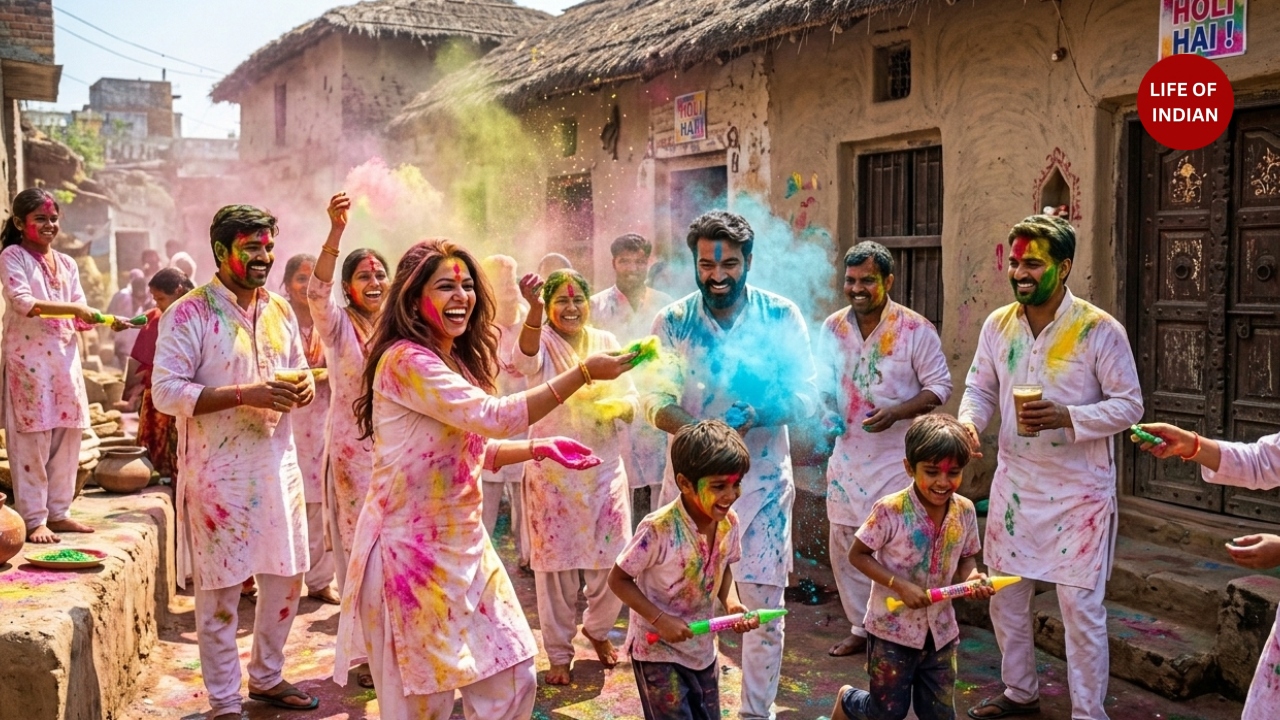
To understand where Holi is not celebrated strongly, we must first recognize where it is deeply embedded in tradition. In states like Uttar Pradesh, Rajasthan, Bihar, Madhya Pradesh, and parts of Haryana, Holi is more than just a festival — it is a cultural identity. The festival carries historical, mythological, and devotional importance connected to the story of Prahlada and Holika, as well as the playful traditions associated with Lord Krishna in Braj.
Here, Holi unfolds over several days with rituals such as Holika Dahan, Rangwali Holi, Lathmar Holi, Phoolon ki Holi, and devotional singing. In these regions, not celebrating Holi would feel culturally incomplete.
But India is not culturally uniform. As we move away from the northern plains, the character of Holi gradually changes.
South India: A Different Cultural Emphasis
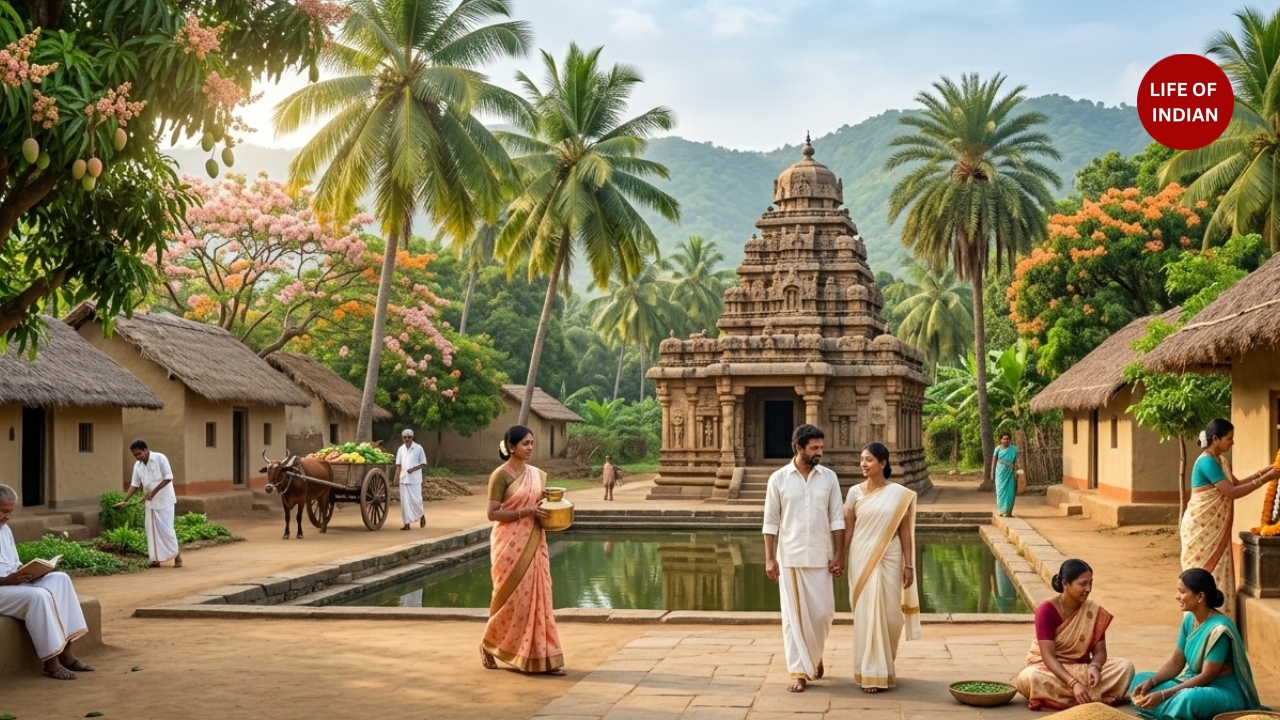
In much of South India, Holi has historically not been a major traditional festival in the way it is in North India. States such as Tamil Nadu, Kerala, and parts of Karnataka and Andhra Pradesh have their own distinct seasonal and religious celebrations that hold greater cultural importance.
In Tamil Nadu, for instance, the festival of spring is not centered around colors. There exists a ritual known as Kama Dahanam, which is linked to the legend of Lord Shiva burning Kamadeva, but it does not resemble the large-scale color celebrations seen in North India. The emotional and social vibrancy associated with Holi developed differently here.
Kerala, known for festivals like Onam and Vishu, has never historically placed Holi at the center of its cultural calendar. In many traditional Malayali households, Holi was not observed in the past. However, with migration, urbanization, and the presence of North Indian communities in cities like Kochi and Thiruvananthapuram, Holi celebrations have grown in recent decades.
This shift highlights an important reality: while Holi may not have deep-rooted historical presence in certain southern regions, it is increasingly celebrated in urban spaces due to cultural exchange.
The North-East: Indigenous Traditions Take Priority
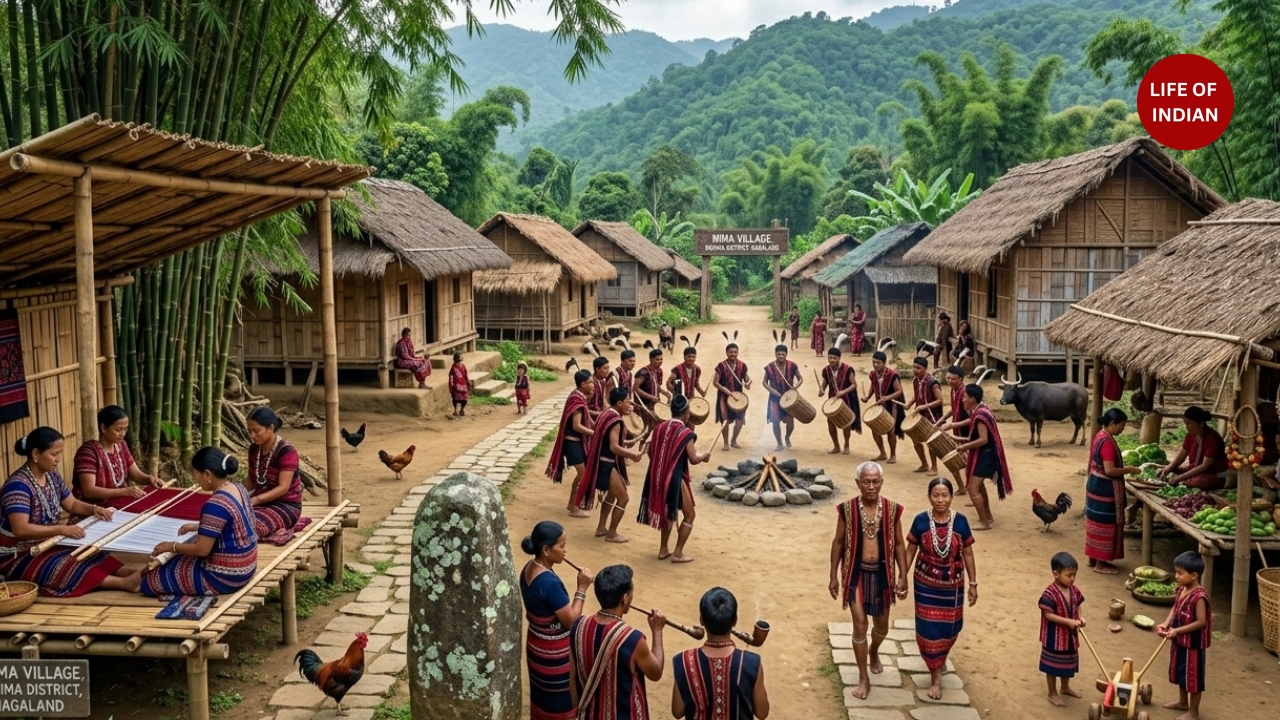
India’s North-East is culturally distinct from the rest of the country, with many indigenous tribes following their own seasonal and spiritual traditions. States like Nagaland, Mizoram, and Meghalaya have rich local festivals that are deeply tied to agriculture, nature, and tribal heritage.
Historically, Holi was not part of the traditional cultural framework in many of these regions, particularly in rural tribal areas. Communities here celebrated festivals based on their own calendars and spiritual systems, rather than the Hindu lunar calendar that determines Holi.
In predominantly Christian-majority states like Mizoram and Nagaland, Holi did not hold religious significance in the past. However, in cities such as Guwahati in Assam and Shillong in Meghalaya, Holi is now celebrated among Hindu communities and mixed populations.
The absence of Holi in traditional tribal life does not reflect rejection, but rather the presence of strong indigenous identities that developed independently of North Indian customs.
Jammu & Kashmir and Ladakh: Cultural and Religious Demographics
In Jammu & Kashmir, the celebration of Holi varies significantly between regions. In Jammu, where there is a strong Hindu population, Holi is celebrated enthusiastically. However, in the Kashmir Valley, which has a Muslim-majority population, Holi has not traditionally been a public festival.
Similarly, in Ladakh, where Buddhist traditions are prominent, festivals follow the Tibetan lunar calendar rather than the Hindu calendar. Holi does not hold traditional importance there, although small celebrations may occur among migrant communities.
The variation here is closely tied to demographic composition rather than cultural opposition.
Why Varanasi Plays Holi With Ashes: The Powerful Story Behind Masan Holi 2026
Lakshadweep: A Unique Case
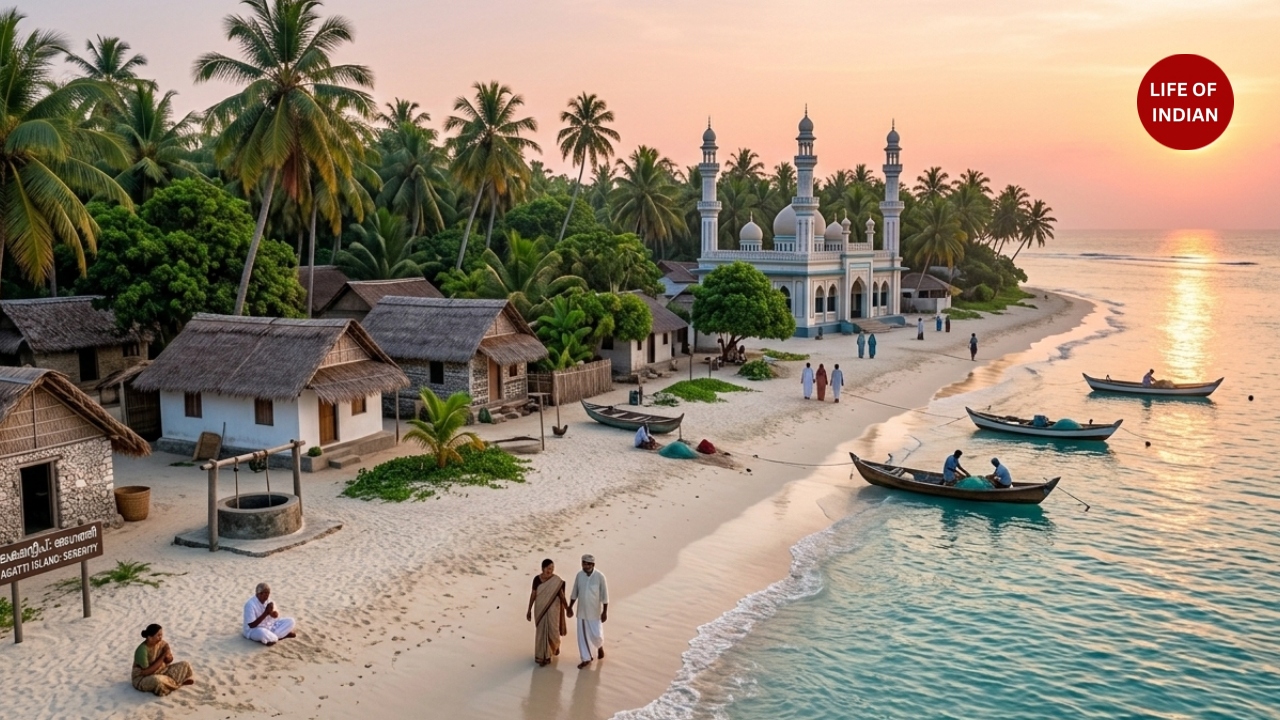
Lakshadweep, a Union Territory with a predominantly Muslim population, does not traditionally observe Holi as a public festival. The cultural and religious practices of the islands are distinct, and festivals follow Islamic traditions.
However, even in such regions, individuals from Hindu families or migrant communities may celebrate Holi privately.
Urbanization and the Changing Cultural Landscape
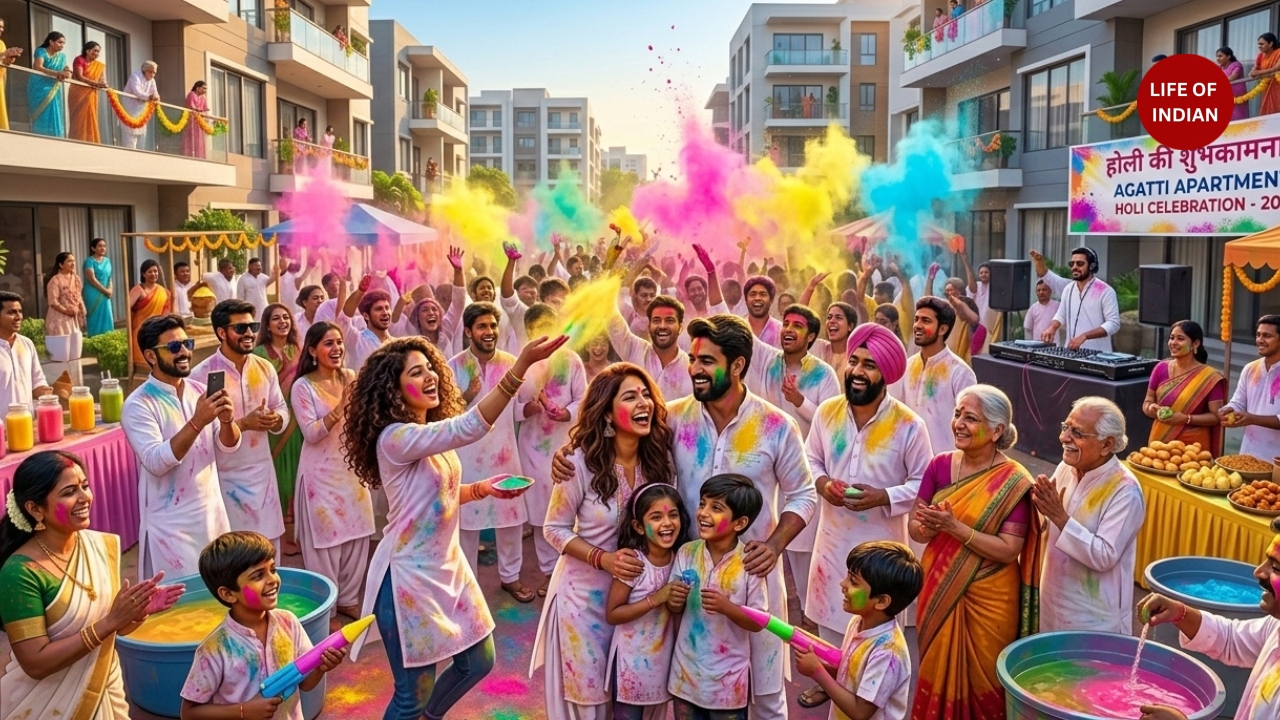
One of the most fascinating aspects of modern India is how migration and media have reshaped festival practices. Bollywood films, social media, corporate culture, and inter-state migration have transformed Holi into a pan-Indian celebration in many urban centers.
Cities like Bengaluru, Hyderabad, and Chennai now host large Holi events, especially in residential societies and college campuses. What was once regionally concentrated has become nationally recognized.
Thus, while Holi may not have been historically celebrated in certain regions, its cultural footprint today is far wider than ever before.
Does “Not Celebrated” Mean Rejected?
It is important to approach this topic sensitively. When we say Holi is “not celebrated” in certain regions, it usually means:
The festival does not have deep traditional roots there.
It is not a major public holiday.
It is overshadowed by other regional festivals.
It rarely means active resistance or prohibition. India’s cultural diversity means different communities prioritize different celebrations. This diversity enriches the national fabric rather than dividing it.
A Festival That Reflects India’s Diversity
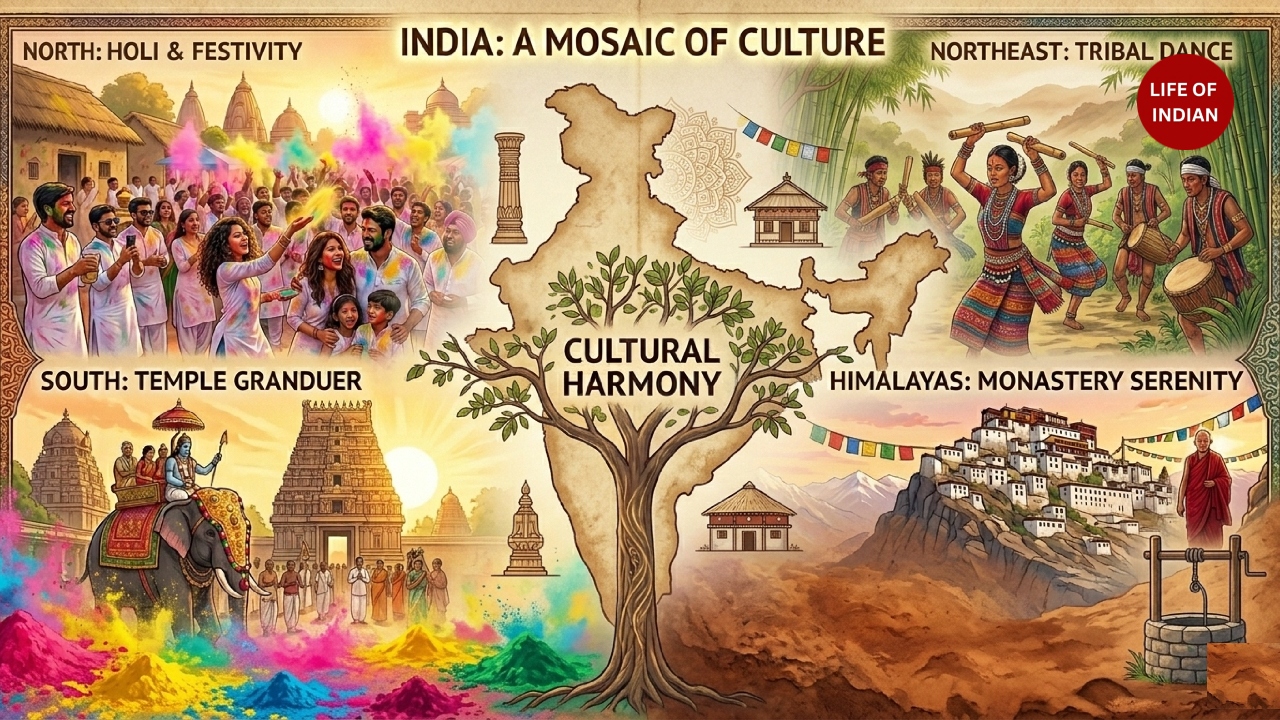
Holi’s uneven intensity across India reflects the country’s layered identity. In the north, it is an emotional and devotional expression. In parts of the south and north-east, it was historically peripheral but is now growing. In some Muslim-majority or tribal regions, it is not a traditional festival, yet coexistence allows space for those who wish to celebrate.
The story of where Holi is not celebrated ultimately becomes a story of India’s pluralism. It reminds us that unity does not mean uniformity. Different regions celebrate different seasons, different deities, and different histories — and that is what makes Indian culture extraordinarily rich.
Braj Holi Begins with Basant Panchami: What Is Holi Danda & Why Braj Celebrates Holi for 40 Days
There is no Indian state where Holi is legally banned or completely absent today. However, historically and culturally, Holi has not been a major traditional festival in parts of South India, the North-East, Lakshadweep, Ladakh, and the Kashmir Valley.
The reasons are rooted not in conflict, but in cultural diversity, religious demographics, and regional traditions. Over time, migration and modernization have expanded Holi’s reach, making it increasingly visible across the country.
In the end, asking where Holi is not celebrated teaches us something deeper than geography. It teaches us that India’s festivals are as diverse as its languages, landscapes, and people — and that diversity is its greatest strength.
FAQ
1. Is Holi celebrated in every state of India?
Holi is celebrated in most parts of India today, especially in urban areas. However, historically it was not a major traditional festival in some southern, north-eastern, and Muslim-majority regions.
2. Where is Holi not traditionally celebrated in India?
Holi was not traditionally prominent in parts of Tamil Nadu, Kerala, North-East tribal regions, Lakshadweep, Ladakh, and the Kashmir Valley due to different cultural and religious practices.
3. Why is Holi less popular in South India?
South India has its own seasonal and religious festivals, such as Pongal, Onam, and Vishu. Holi did not historically develop strong cultural roots there, though it is now widely celebrated in cities.
4. Is Holi banned in any part of India?
No, Holi is not legally banned anywhere in India. In some regions, it is simply not a traditional public festival.
5. Has Holi become more popular across India in recent years?
Yes. Due to migration, media influence, Bollywood, and corporate culture, Holi celebrations have expanded significantly across urban India.
About the Author