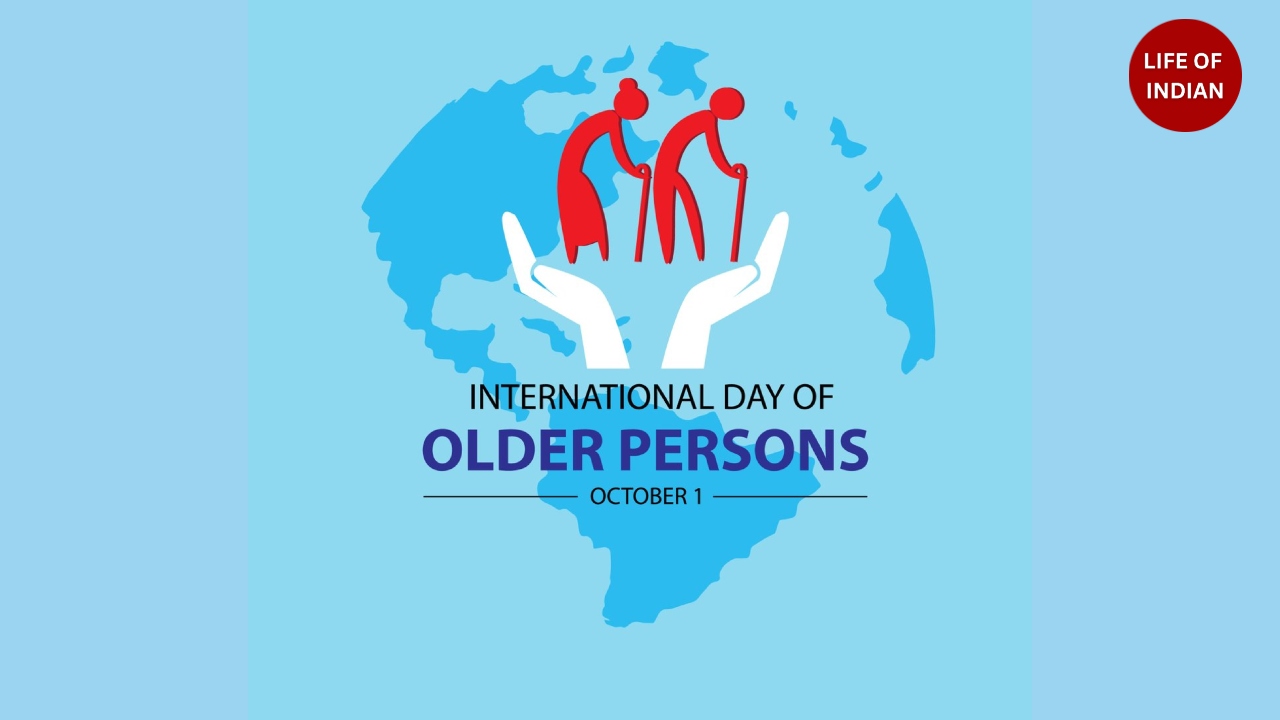
International Day of Older Persons 2025: Every year on October 1, the world observes the International Day of Older Persons (IDOP), also known as International Elders Day, World Senior Citizens Day, or World Adult Day. This global observance aims to spread awareness about the rights of senior citizens, highlight their contributions to society, and curb injustice, neglect, and mistreatment against them.
This day reminds us of the responsibility to respect, support, and value elderly people, ensuring they live with dignity and happiness.
History of International Day of Older Persons
-
On December 14, 1990, the United Nations General Assembly declared October 1 as International Day of Older Persons.
-
The main goal was to promote awareness about the issues faced by the elderly and to ensure they are given equal respect both within families and in society.
-
The first International Day of Older Persons was celebrated on October 1, 1991, and since then, it has been observed worldwide every year.
Objectives of International Day of Older Persons
The primary objectives of this day are:
-
To fight against ageism, neglect, and mistreatment of the elderly.
-
To raise awareness about the rights and needs of older persons.
-
To highlight the contributions of senior citizens in family, society, and nation-building.
-
To promote policies that ensure social security, healthcare, and dignity for elderly people.
Themes of International Day of Older Persons (Past Years)
Each year, the UN sets a specific theme to highlight pressing issues related to ageing:
- 2024 – Ageing with Dignity: The Importance of Strengthening Care and Support Systems for Older Persons Worldwide
- 2023 – Fulfilling the Promises of the Universal Declaration of Human Rights for Older Persons: Across Generations
-
2022 – The Resilience and Contributions of Older Women
-
2021 – Digital Equity for All Ages
-
2020 – Pandemics: Do They Change How We Address Age and Ageing?
-
2019 – The Journey to Age Equality
-
2018 – Celebrating Older Human Rights Champions
-
2017 – Stepping into the Future: Tapping the Talents, Contributions and Participation of Older Persons in Society
-
2016 – Take A Stand Against Ageism
-
2015 – Sustainability and Age Inclusiveness in the Urban Environment
-
2014 – Leaving No One Behind: Promoting a Society for All
-
2013 – The Future We Want: What Older Persons Are Saying
-
2012 – Longevity: Shaping the Future
-
2011 – The Growing Opportunities & Challenges of Global Ageing
-
2010 – Older Persons and the Achievement of the MDGs
-
2009 – Towards a Society for All Ages
-
2008 – Rights of Older Persons
Status of Elderly in India
India has one of the largest populations of senior citizens in the world. According to reports, by 2050, nearly 20% of India’s population will be aged above 60.
Government Initiatives for Elderly Welfare:
-
National Policy on Older Persons (1999):
-
Promotes health and welfare of senior citizens.
-
Encourages individuals and families to plan for old age.
-
-
Maintenance and Welfare of Parents and Senior Citizens Act (2007):
-
Provides legal support for elderly parents to demand maintenance from children.
-
Mandates state governments to set up old age homes.
-
Ensures medical facilities and protection of life and property for senior citizens.
-
-
Other Welfare Schemes:
-
Indira Gandhi National Old Age Pension Scheme (provides pension to BPL elderly).
-
Ayushman Bharat & Health Schemes for affordable medical care.
-
Helpline numbers and awareness campaigns to protect senior citizens from abuse.
-
Why This Day Matters
-
Reminds us of the value and wisdom of senior citizens.
-
Encourages societies to provide dignity, love, and care to the elderly.
-
Highlights that ageing is not a burden but a natural stage of life where care and respect are essential.
The International Day of Older Persons is not just an observance but a call to action — to end age discrimination, ensure social security, and respect our elders. As India moves towards becoming an ageing society, it is crucial for families, communities, and governments to come together to make the lives of senior citizens more comfortable, secure, and meaningful.
After all, the way we treat our elderly today reflects the society we want to build for our future.
About the Author